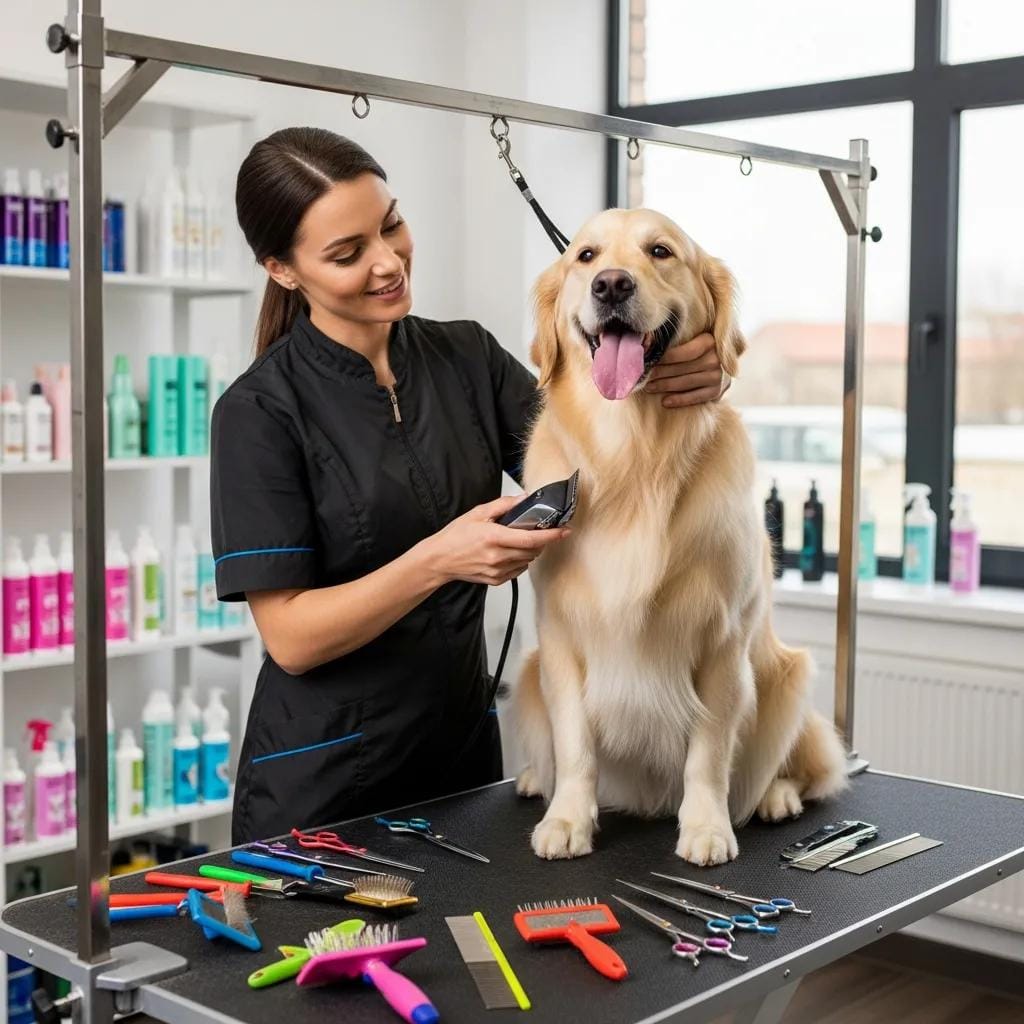
Hands-on training is the cornerstone of building real, transferable dog grooming experience, transforming theoretical knowledge into the practical skills and confidence needed to succeed in this rewarding field. Working directly with a variety of breeds, coat types, and temperaments under expert supervision develops the dexterity, problem-solving abilities, and gentle handling techniques that can’t be learned from a book.
This guide explores the critical role of hands-on training in grooming education, highlighting how immersive experience prepares aspiring groomers for the challenges and joys of a professional career.
Hands On Training Designed for Dog Grooming Experience
What is the Professional Dog Groomer Certification Program at OTC K9?
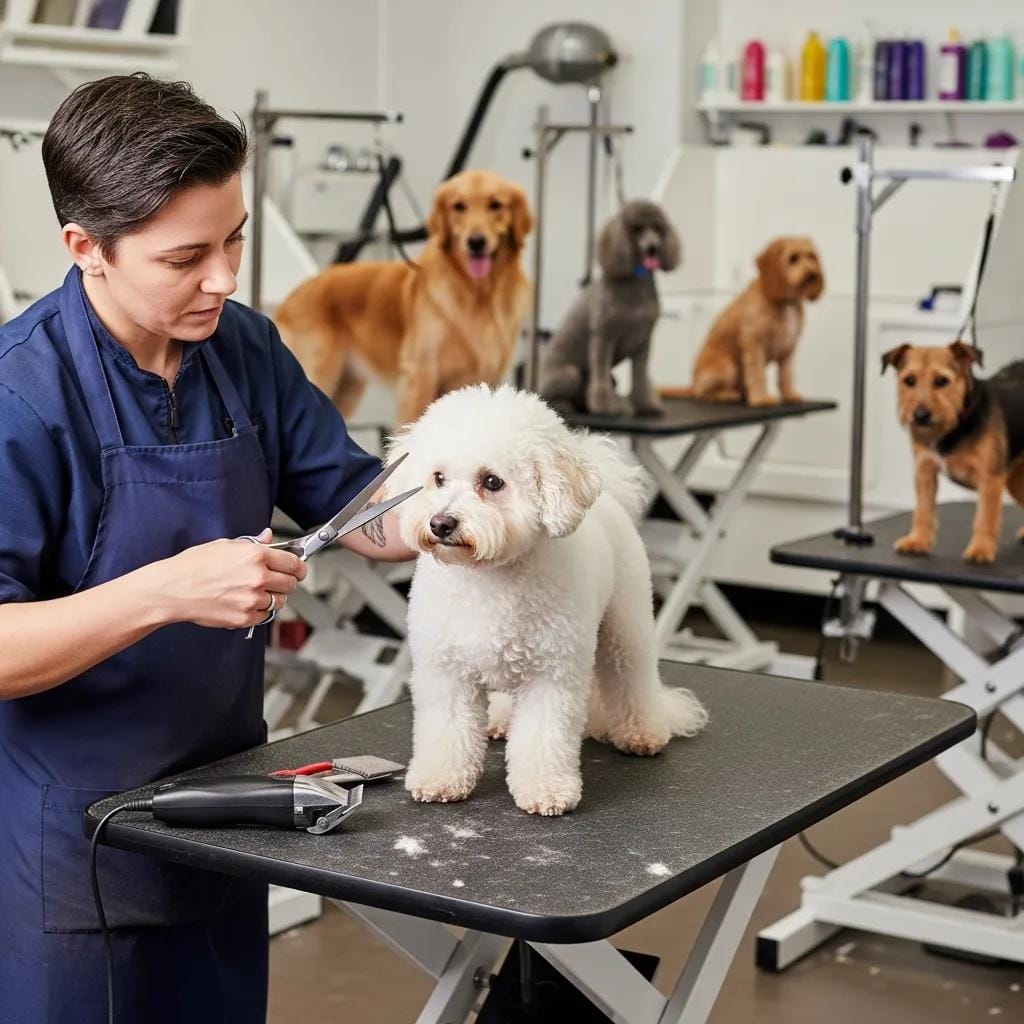
The Professional Dog Groomer Certification Program at OTC K9 is built for students who want to step into the grooming industry with real experience, not just theory. From the start, the program emphasizes hands on training, so students learn how to groom in real conditions and develop the confidence that comes from doing the work repeatedly. You train on live dogs, practice safe handling, and learn how to communicate clearly with clients, which are all skills you will use in a salon, mobile grooming setup, or clinic environment.
Because grooming is a practical trade, the program is designed to keep learning active and realistic. Students are taught foundational knowledge, but it is always connected to what happens at the grooming table. That way, you are not just memorizing information. You are learning how to apply it while managing time, staying organized, and keeping dogs calm and safe throughout the process.
How Does The Hands On Training Prepare Students For Grooming Careers?
Hands on training prepares students by putting them into real grooming situations early, so they learn how to handle the pace and unpredictability of the job. Grooming is not the same dog, same coat, same behavior every day. A big part of becoming employable is learning how to adjust when a dog is nervous, when a coat is matted, or when the cut a client wants needs a realistic conversation about coat type and maintenance.
Working with different breeds and temperaments helps students develop good judgment. You learn how to approach each dog safely, how to read body language, and how to work efficiently without rushing. Over time, students build speed through repetition, but the goal is controlled speed that keeps quality and safety intact. That balance is what helps graduates transition into busy grooming environments without feeling overwhelmed.
The program also supports confidence in handling common challenges, such as anxious dogs, wiggly puppies, or dogs that are sensitive around their feet or face. Practice with real dogs helps students learn how to stay calm, use proper restraint techniques, and adapt their approach based on what the dog is communicating.
What Skills And Techniques Are Covered In The Certification Curriculum?
The curriculum focuses on the core skills every professional groomer needs to deliver consistent results and a safe experience. Students learn practical grooming techniques, including bath and dry processes, brushing and de-shedding methods, coat preparation, and breed-appropriate styling fundamentals. Instead of learning cuts in the abstract, students practice how to set up the coat properly so the finish looks clean and professional.
Safety is treated as a daily priority, not an afterthought. Students receive instruction on safe restraint, tool handling, sanitation practices, and how to reduce the risk of injury to both the dog and the groomer. This includes learning how to work around sensitive areas, how to maintain control without using excessive force, and how to keep a grooming space clean and organized.
Client communication is another key part of the program because grooming success is not only about the cut. It is also about setting expectations. Students learn how to conduct basic consultations, ask the right questions, and explain what is realistic for a dog’s coat and condition. This helps prevent misunderstandings and supports repeat business, whether you work for a salon or eventually build your own client base.
Which Core Dog Grooming Skills And Techniques Will You Master?
A strong grooming career begins with skills that are consistent and repeatable. In this program, students develop those skills through steady practice and structured lessons that focus on real outcomes. The emphasis on hands on training allows you to build confidence while refining your technique, rather than just watching demonstrations or reading about procedures. By the end of the course, you are not simply familiar with grooming steps. You understand how to apply them safely and effectively on different dogs.
Students begin with foundational coat care, including proper bathing methods, drying techniques, brushing, and de-matting strategies. Learning how to prepare the coat properly is essential because the final trim depends on that preparation. Clean, well-conditioned coats are easier to shape and finish. As students progress, they move into more detailed styling work, where they learn how to achieve balanced outlines and smooth transitions in the coat.
The goal is to help each student develop dependable habits. Repetition during hands on training helps you build muscle memory and improve timing. This steady practice leads to more efficient grooming sessions and cleaner results, which are essential in professional environments.
How Do Breed Specific Grooming Styles Enhance Professional Expertise?
Understanding breed-specific grooming styles adds depth to your skill set. Each breed has distinct coat textures, growth patterns, and styling expectations. Learning these differences helps you deliver results that meet both industry standards and client preferences. When you understand why a certain trim is shaped a certain way, you can approach it with more precision and confidence.
Students are introduced to common breed standards and how to interpret them in practical grooming situations. This includes adjusting techniques for coat thickness, curl patterns, and skin sensitivity. Through hands on training with a variety of dogs, you learn how to adapt your approach while maintaining structure and symmetry. That ability to adjust makes a groomer more versatile and valuable.
Clients often request specific styles based on breed or lifestyle needs. Being able to handle those requests with accuracy broadens your opportunities and builds trust. Mastering breed-specific grooming does not mean memorizing every detail at once. It means understanding the principles behind each look and practicing them enough to deliver consistent results.
What Are The Essential Grooming Tools And Safety Practices Taught?
Professional grooming relies on proper tools and safe techniques. Students are introduced to the equipment they will use daily, including clippers, scissors, brushes, combs, and dryers. Instead of simply identifying tools, the course focuses on how and when to use them correctly.
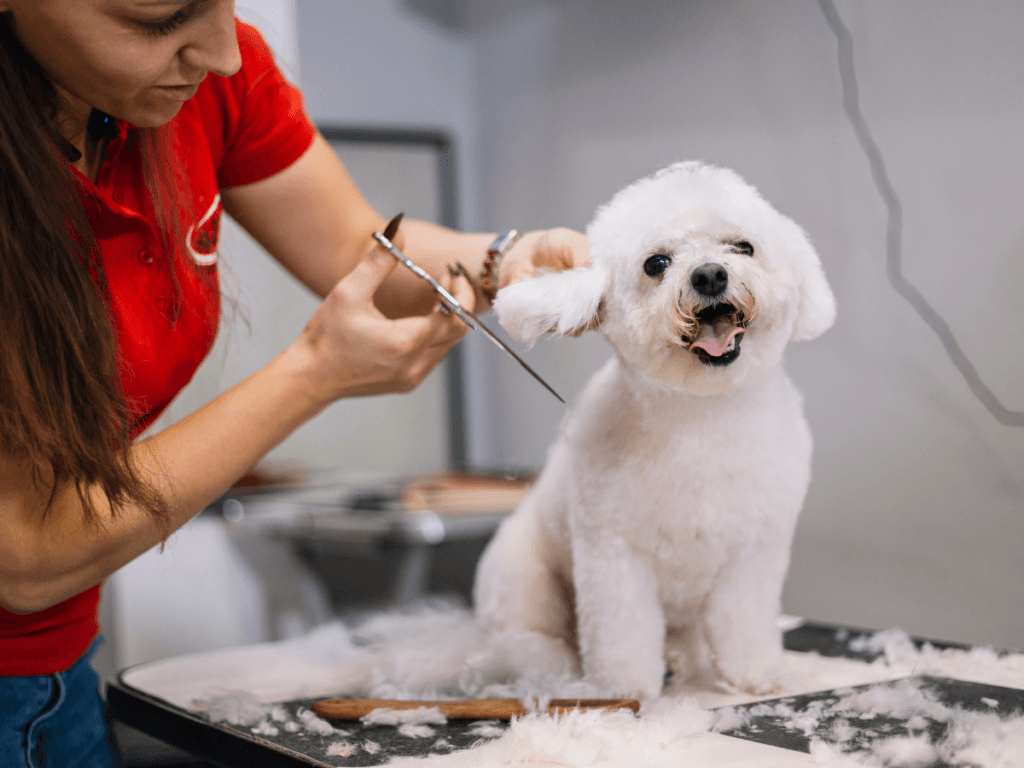
Clippers are covered in depth, including blade selection for different coat lengths and textures. Students practice controlling clipper pressure and movement to achieve smooth lines without causing irritation. Scissor work is also emphasized, as accurate trimming and blending are critical for a polished finish. Through repeated hands on training, students develop control and confidence in their cutting techniques.
Safety remains a constant priority throughout the curriculum. Students learn proper restraint methods, safe handling positions, and stress awareness to protect both themselves and the dogs. Maintaining a clean and organized workspace is also reinforced as part of the everyday routine. Good safety habits are not separate from grooming techniques. They are integrated into every stage of the process.
By combining technical skill, breed knowledge, and consistent hands on training, the program equips students with the core abilities needed to work confidently and responsibly in professional grooming settings.
How Does OTC K9 Ensure Effective Hands-On Learning With Live Dogs?
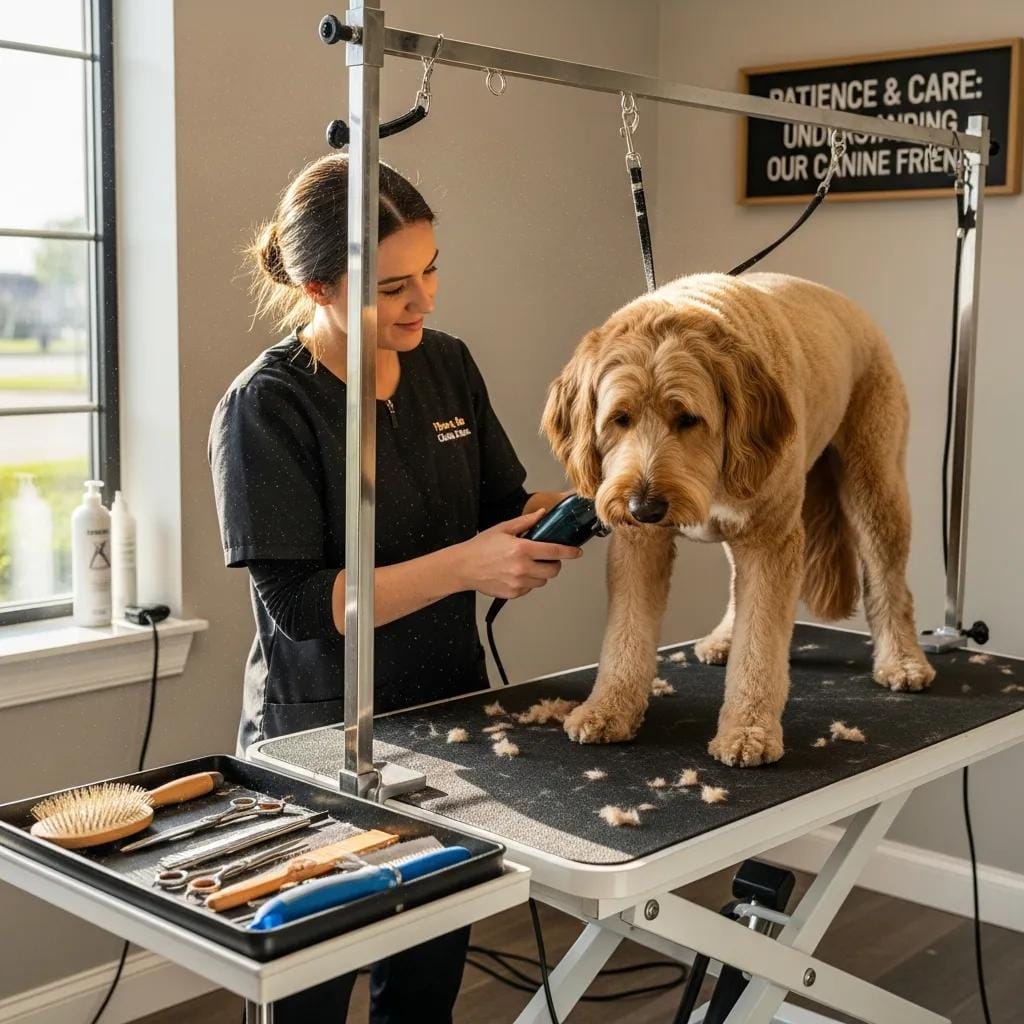
OTC K9 builds its program around hands on training because grooming is a skill you learn by doing, not by watching. Students work with live dogs in a controlled environment where instructors can guide technique, correct mistakes, and reinforce safe habits in real time. This approach helps students develop practical confidence early, since they are learning what it feels like to handle real coats, real movement, and real temperament differences. Over the course of training, students get repeated practice with the same core steps, so the process becomes familiar and consistent.
Supervised work also keeps learning structured. Rather than jumping from one task to the next, students build skills in a clear progression. That might start with safe setup and handling, then move into coat preparation, tool control, and finishing work. Each stage is taught with a focus on accuracy and safety, so students learn to work efficiently without rushing. With hands on training, progress is easier to measure because results are visible at the grooming table, and improvements show up quickly as technique becomes smoother.
What Role Do Certified Instructors And Small Class Sizes Play In Training?
The biggest advantage of learning in a supervised setting is feedback that is immediate and specific. Certified instructors do more than demonstrate. They watch how you hold tools, how you position your body, how you approach the dog, and how you manage the coat during each step. That kind of coaching helps students fix small issues before they become habits. It also speeds up learning because students do not spend weeks practicing a technique the wrong way.
Smaller class sizes support a better pace for skill building. When instructors can rotate consistently through students, each person gets more individual attention. That makes it easier to troubleshoot challenges, whether the issue is clipper control, scissor precision, timing, or handling a dog that will not stay still. It also helps instructors tailor support to different learning styles. Some students need a visual demonstration, while others improve faster with hands-on guidance and quick adjustments. The structure of small-group learning creates more opportunities for coaching, repetition, and real progress.
How Is Canine Behavior And Temperament Managed During Practical Sessions?
Canine behavior is part of grooming, not something separate from the job. A technically perfect trim does not matter if the dog is stressed, unsafe, or pushed past its comfort level. OTC K9 teaches students how to recognize basic body language and how to adjust their approach to support a calmer, safer grooming experience. This includes noticing signs of stress, understanding when a dog needs a break, and learning how to handle sensitive areas like paws, face, and ears with more care and patience.
Students practice calm handling methods that prioritize control without escalating the dog’s discomfort. Instructors help students understand how to position dogs safely, use appropriate restraint when needed, and maintain a steady pace that keeps the dog from becoming overwhelmed. Because training involves live dogs with different temperaments, students learn how to adapt in real situations. A confident, social dog requires a different approach than a nervous dog or a dog with past grooming anxiety.
This is another reason hands on training is so effective. You learn how to read what is happening in the moment and respond appropriately, which is difficult to teach through theory alone. Over time, students develop both technical skills and handling confidence, which is essential for working in real grooming environments where every dog brings its own personality and challenges.
What Career Opportunities And Pathways Follow Certification?
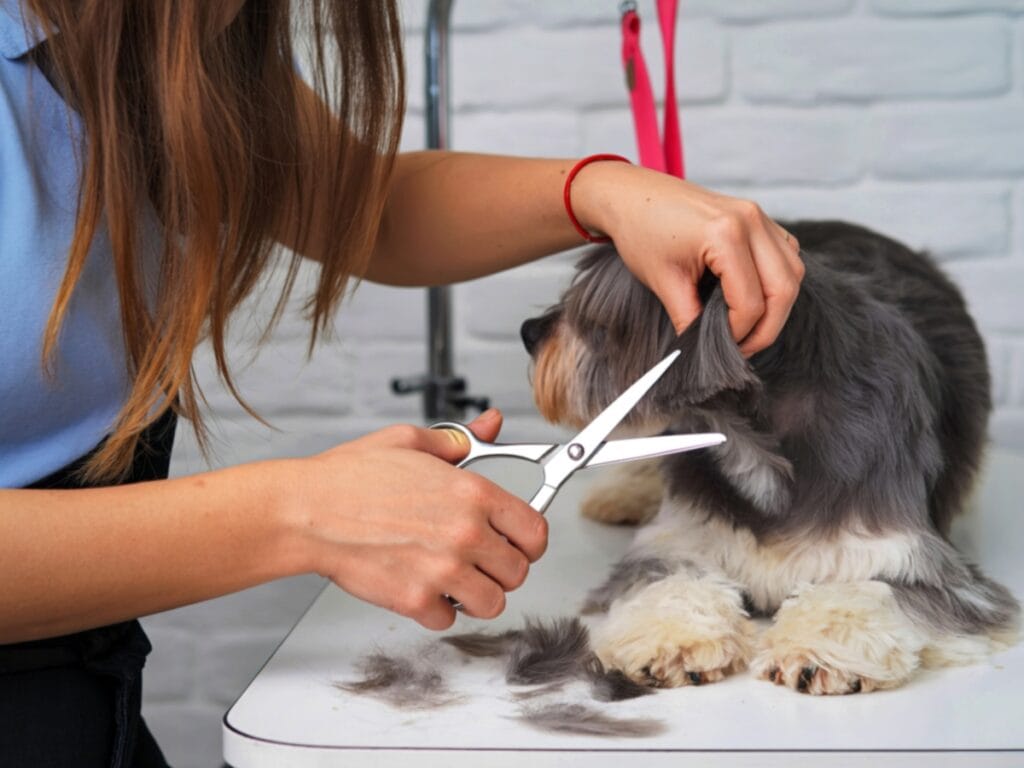
Earning a grooming certification opens up several directions, depending on the work environment you prefer and the type of schedule you want. Many graduates step into established salons where they can build speed, refine technique, and gain experience with a steady flow of clients. Others are drawn to mobile grooming because it offers flexibility and the ability to work one-on-one with dogs in a quieter setting. Some graduates also pursue roles connected to veterinary care, where grooming support can be helpful for pets that need extra handling, medical coordination, or a calmer process.
What all of these pathways have in common is the need for confidence at the grooming table. Certification matters because it signals that you have been trained with real dogs and that you understand safe handling, coat care, and professional workflow. When your training includes consistent practice, it is easier to adapt to different environments, whether you are working as part of a team or operating independently.
How Does Certification Enable Work In Salons, Mobile Grooming, And Vet Clinics?
Employers tend to look for groomers who can step in with practical ability, not just interest. That is where hands on training makes the difference. Salons and clinics are busy settings, and managers want to know you understand the basics well enough to work safely and keep up with a real schedule. A certification backed by hands on training shows that you have spent time grooming live dogs, handling real coat conditions, and learning how to work through common challenges like matting, nervous behavior, and sensitive areas.
In salons, certification helps because it demonstrates you can follow standard grooming procedures and produce consistent results. In mobile grooming, it matters because you are often working independently, so your ability to manage time, stay organized, and communicate with clients becomes even more important. In veterinary settings, certification can support your ability to work around dogs that may be stressed, recovering, or sensitive due to health conditions. While grooming in a vet environment can look different than grooming in a salon, the core skills are the same: safe handling, clear technique, and a steady approach that keeps the dog as comfortable as possible.
Because the program focuses on hands on training, graduates leave with experience that is easier to translate into job performance. That can make hiring decisions simpler for salon owners and clinic managers, since they are evaluating practical readiness, not just potential.
What Business And Marketing Skills Are Included For Aspiring Groomer Entrepreneurs?
For students interested in building their own client base, training should go beyond grooming technique. A successful grooming business depends on reliability, communication, and the ability to deliver a consistent experience that clients want to repeat. Alongside technical instruction, the program covers practical business basics that help graduates understand how to operate professionally from day one.
Students learn how to conduct consultations that set clear expectations, including how to discuss coat condition, maintenance requirements, and realistic outcomes. Pricing and scheduling basics are also addressed so new groomers can understand how to structure appointments, manage time, and avoid overbooking. Record-keeping habits, simple service policies, and professional communication practices help create consistency and reduce misunderstandings with clients.
Marketing is approached in a practical way, with a focus on building trust and repeat business. This includes strategies for client retention, referrals, and maintaining a professional presence in the community. Many new groomers find that technical skill gets clients in the door, but dependable service keeps them coming back. When certification is paired with hands on training and real-world business fundamentals, graduates have more options, whether they want a steady job in an established shop or a long-term path toward independence.
What Are The Admissions, Tuition, And Financing Options For The Grooming Program?
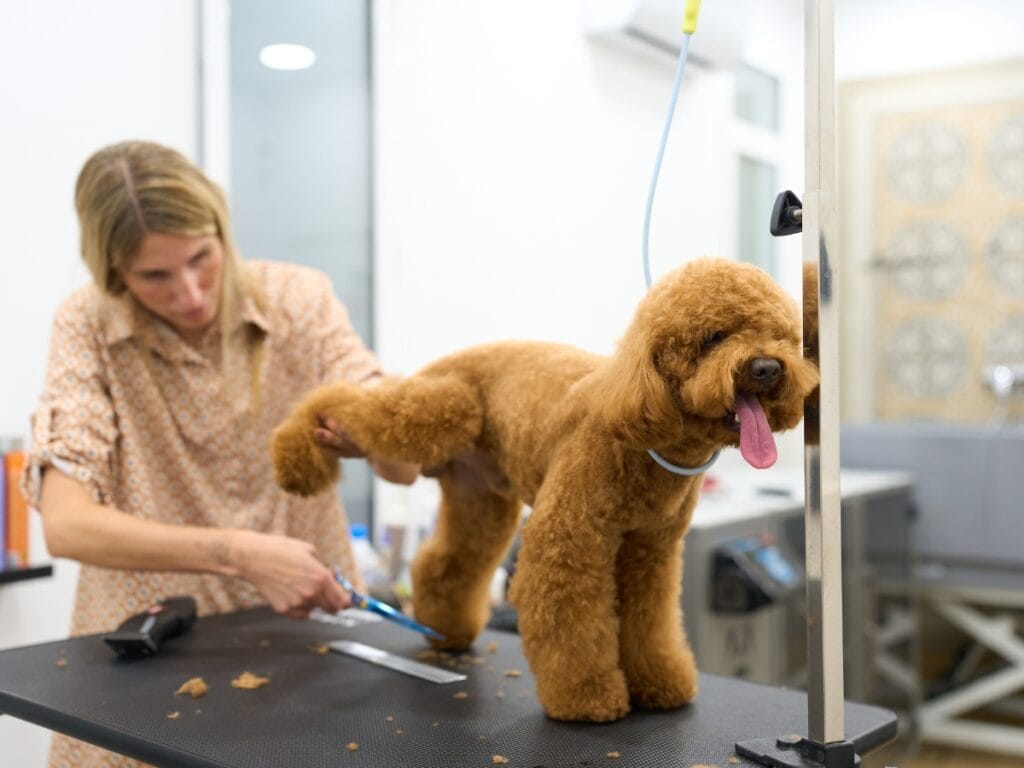
Before you commit to a professional certification, it helps to understand how enrollment works, what tuition includes, and what options exist to make the program more manageable financially. OTC K9 keeps the process straightforward, with an emphasis on helping students understand what they are signing up for and what they will be expected to do once training begins. Because grooming is a practical career path, the biggest focus is making sure students are prepared for the pace of learning and the responsibility that comes with working with live dogs.
Tuition typically covers instruction, supervised practice, and the structured training environment where students build skills through hands on training. Since this program is designed to develop real job readiness, students should expect a schedule that includes consistent time working with dogs, practicing tool handling, and learning safe procedures. Knowing those expectations upfront helps students plan realistically, especially if they are balancing work or family commitments.
What Are The Requirements And Process To Enroll In The Certification Program?
Enrollment begins with the basics: a genuine interest in animal care and a willingness to learn in a hands-on setting. Students do not need prior grooming experience to apply, but they should be comfortable working around dogs and open to coaching. Grooming requires patience, attention to detail, and the ability to stay calm under pressure, so the admissions process is designed to make sure the program is a good fit for both the student and the training environment.
The application process typically includes submitting an application and completing a brief interview. The interview is not meant to feel intimidating. It is usually a chance to talk through your goals, understand what the program involves, and confirm that you are ready for the expectations of hands on training. Students can also use this conversation to ask practical questions about scheduling, what a typical training day looks like, and how progress is evaluated throughout the program.
Once accepted, students receive guidance on next steps, including start dates and any prep work that helps them enter training with a clear plan. The goal is for students to begin the program knowing what they are working toward and how the curriculum builds skills step by step.
Which Financial Aid Options Support Students At OTC K9 Grooming School?
Cost is a real factor for most students, and OTC K9 offers multiple ways to help make tuition more manageable. Options may include payment plans that spread tuition over time, as well as scholarships when available. In some cases, students may also receive guidance on federal aid options where applicable, depending on program eligibility and student circumstances.
The most helpful approach is to review financing options early in the admissions process, since different students need different solutions. Some students prefer predictable monthly payments, while others are looking for scholarship support or want to understand whether additional assistance may apply. Planning ahead makes it easier to focus on training once classes begin, since hands on training requires consistent attendance and active participation.
When you understand admissions steps, tuition expectations, and financing options upfront, it becomes easier to choose a start date confidently and commit fully to the program. That preparation sets students up for a smoother experience and helps ensure they can make the most of the hands on training that the certification is built around.
OTC K9 Grooming Program: Admissions, Tuition & Financing Options
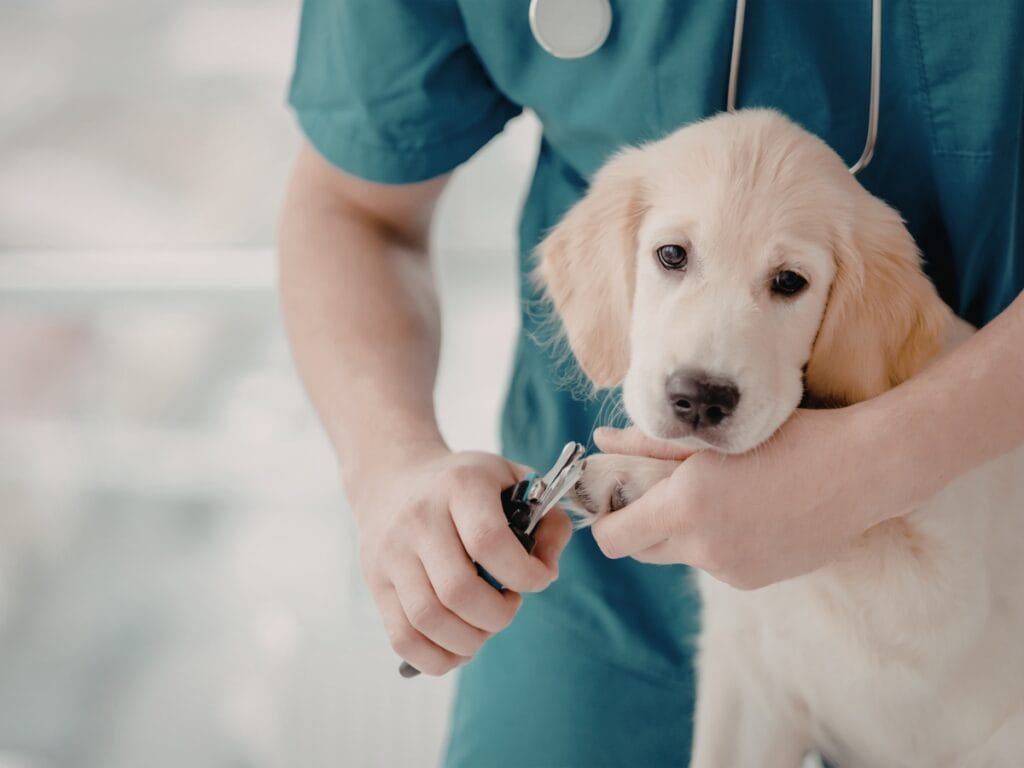
Choosing a grooming school is not just about getting a certificate. It is about finding a place that will teach you how to work with real dogs, build reliable technique, and develop the confidence to step into a professional setting. OTC K9 Grooming School is built around hands on training, which means students spend meaningful time practicing the skills they will actually use on the job. That practical focus matters because grooming is a trade. You can read about coat types and tool handling, but progress happens faster when you are working under supervision and getting real feedback while you learn.
Another reason many students choose OTC K9 is the training environment. Instructors focus on the skills that translate to everyday grooming work, including coat preparation, finishing technique, safe handling, and communication habits that help you work smoothly with clients. The goal is not to overload students with extra fluff. The goal is to build a strong foundation that can support different career paths, whether you want to work in a salon, step into mobile grooming, or eventually run your own operation.
How Does Registration With The Georgia Nonpublic Postsecondary Education Commission Add Value?
OTC K9 is registered with the Georgia Nonpublic Postsecondary Education Commission, which signals that the school meets state educational standards. For students, that matters because it adds credibility to the program and creates reassurance that the school operates under recognized requirements. While registration does not replace the value of real skill, it helps show that the program is structured and accountable. For employers, it can also serve as an additional signal that the training came from an established school with clear standards.
When you combine that registration with consistent hands on training, students get both a recognized program structure and the practical experience employers want to see. In other words, the school’s credibility and the student’s skill development support each other.
What Do Student Testimonials Reveal About The Hands On Training Experience?
Student testimonials tend to focus on the things that matter most once you are actually grooming: instructor support, the amount of practice time, and how much more confident students feel after working with real dogs. Graduates often describe the value of having instructors close enough to correct technique in the moment, which helps students build better habits faster. That matters because small mistakes, like incorrect clipper angles or rushed handling, can lead to uneven cuts or stressful experiences for the dog.
Many testimonials also highlight the pace of growth that comes from repetition. When students practice grooming steps again and again, they develop a rhythm. They become more comfortable with tools, more confident in handling, and more consistent in their results. That is the point of hands on training. It helps you move from “I know what to do” to “I can do it well under real conditions.”
Below is a simple look at the practical areas students focus on and why each one matters in professional grooming:
| Technique | Description | Why It Matters |
|---|---|---|
| Breed-Specific Grooming | Tailored styles and cuts for each breed | Supports consistent results and client expectations |
| Safety Protocols | Procedures that protect dogs and groomers | Helps reduce risk and builds trust |
| Client Communication | Clear consultations and follow-up habits | Encourages repeat business and strong reviews |
In short, OTC K9’s approach is designed for students who want a practical education that leads to real job readiness. With hands on training, supportive instruction, and a program structure that reflects state standards, students graduate with skills they can use immediately and a foundation they can build on throughout their careers.
Frequently Asked Questions
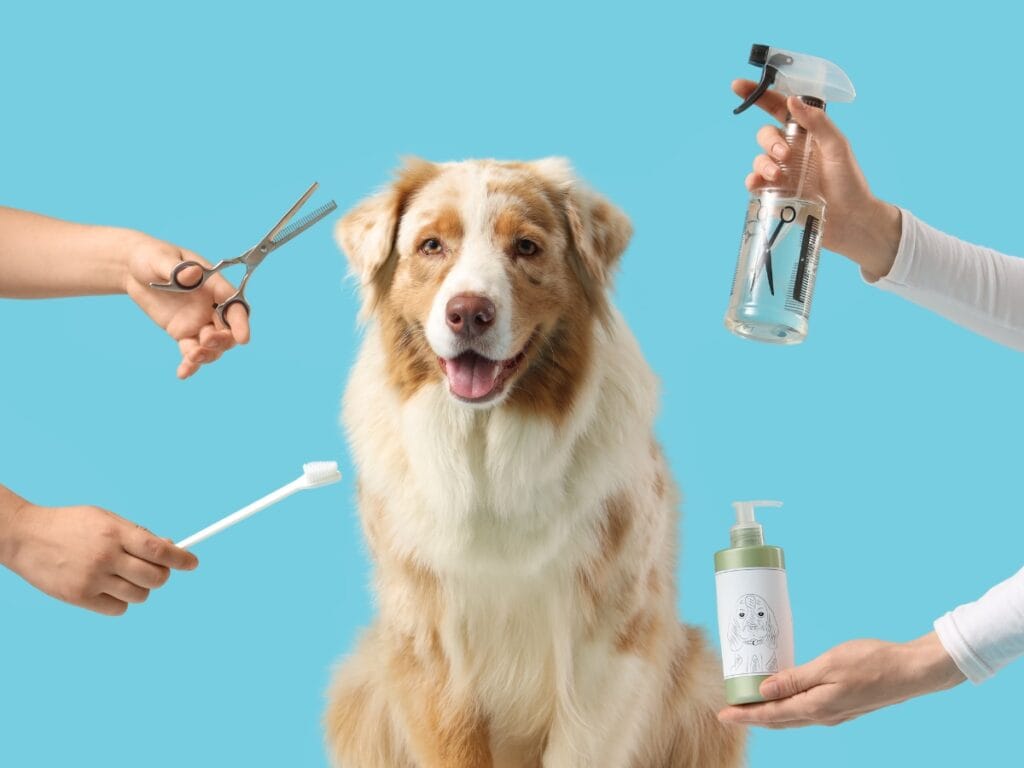
What Is The Duration Of The Professional Dog Groomer Certification Program?
Program length varies based on the schedule you choose and how quickly you move through the curriculum. Most students complete the Professional Dog Groomer Certification in a timeframe that ranges from several weeks to a few months. The program is designed to include enough supervised practice time to build real capability, not just familiarity. Alongside classroom instruction, students spend substantial time in hands on training with live dogs, plus practical assessments that help confirm you are ready to work in a professional setting. The goal is to graduate with skills you can apply immediately, whether you plan to work in a salon, join a mobile grooming team, or support grooming work in a clinic environment.
Are There Any Prerequisites For Enrolling In The Grooming Program?
There are no strict academic prerequisites for enrollment. OTC K9 looks for students who are interested in animal care and ready to commit to a structured training schedule. Basic familiarity with dogs can be helpful, but it is not required. The admissions interview is an important part of the process because it helps confirm that the program is a good fit and that you understand what hands on training involves. Since grooming requires patience, consistency, and comfort working with dogs of different temperaments, the interview helps set expectations and makes sure students are prepared for the pace of learning.
What Types Of Dogs Will Students Work With During Training?
Students work with a variety of dogs so they can gain experience across different coat types, sizes, and personalities. This variety matters because professional grooming is rarely predictable. You might see a calm dog one appointment and a nervous dog the next, or you might work on a short coat in the morning and a thick, curly coat later in the day. Training with different breeds and temperaments strengthens handling skills and builds confidence. It also helps students learn how to adjust technique based on coat condition, grooming goals, and the dog’s comfort level, which is a major part of becoming job-ready.
How Does OTC K9 Support Students After Graduation?
After graduation, OTC K9 supports students with practical job-placement guidance and connections to local industry opportunities when available. Many graduates also benefit from networking with other students and instructors, which can lead to future job leads and referrals. Some programs offer continuing education workshops or skill refreshers to help alumni stay sharp and keep up with changes in tools, techniques, and client expectations. Grooming is a career where continued improvement matters, and having access to ongoing support can help new groomers build momentum during their first months in the field.
What Are The Typical Salary Expectations For Certified Dog Groomers?
Earnings vary widely depending on location, experience level, and the type of work you choose. Some groomers start out in an entry-level role and build income as their speed, confidence, and client base grows. Many entry-level groomers earn around thirty thousand to forty thousand per year, while experienced groomers and business owners may earn more, especially in higher-demand areas or when offering specialized services. Factors like commission structures, tipping culture, schedule flexibility, and whether you work independently can all influence income, so it helps to view salary as a range rather than a fixed number.
Can Students Receive Financial Aid Or Scholarships For The Grooming Program?
Yes. OTC K9 may offer scholarship opportunities and payment plans to help students manage program costs. Students can also receive guidance when exploring federal aid options where applicable. Since financial support options can change, it is best to review what is currently available during the admissions process so you can choose the approach that fits your budget and timeline.
OTC K9 Grooming Program: Admissions, Tuition & Financing Options
The foundation of a successful dog grooming career is built on hands-on training that develops both technical skill and genuine confidence with every coat and temperament. By learning in a practical, supportive environment under the guidance of experienced professionals, you gain the real-world experience that sets you apart in this rewarding field.
For comprehensive, hands-on training that prepares you for every aspect of professional grooming, choose OTCK9 Grooming School. Ready to turn your passion into expertise? Call 770-874-1803 or fill out our online form for a free quote today. Let’s start building the skills for your successful future in dog grooming.