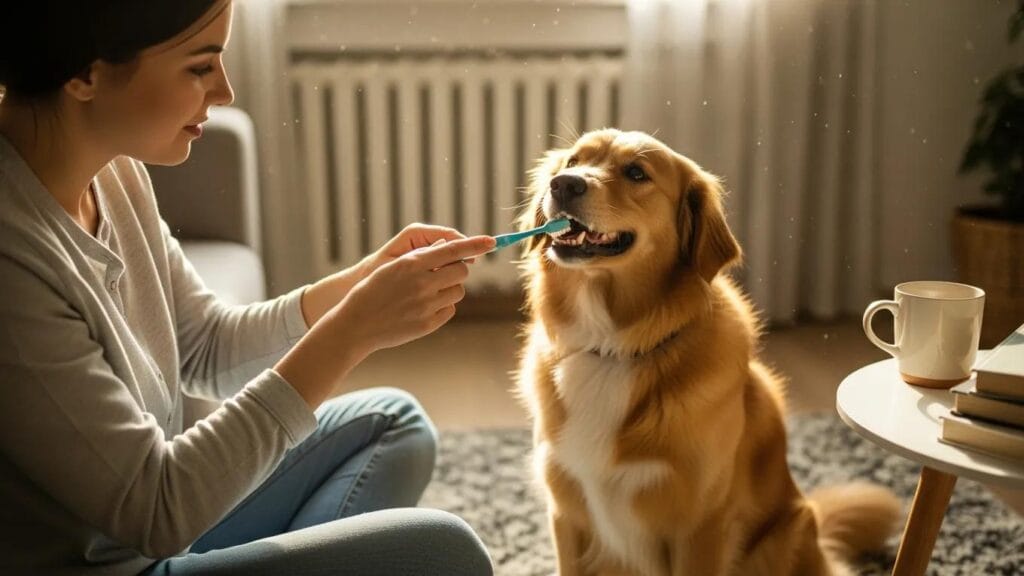
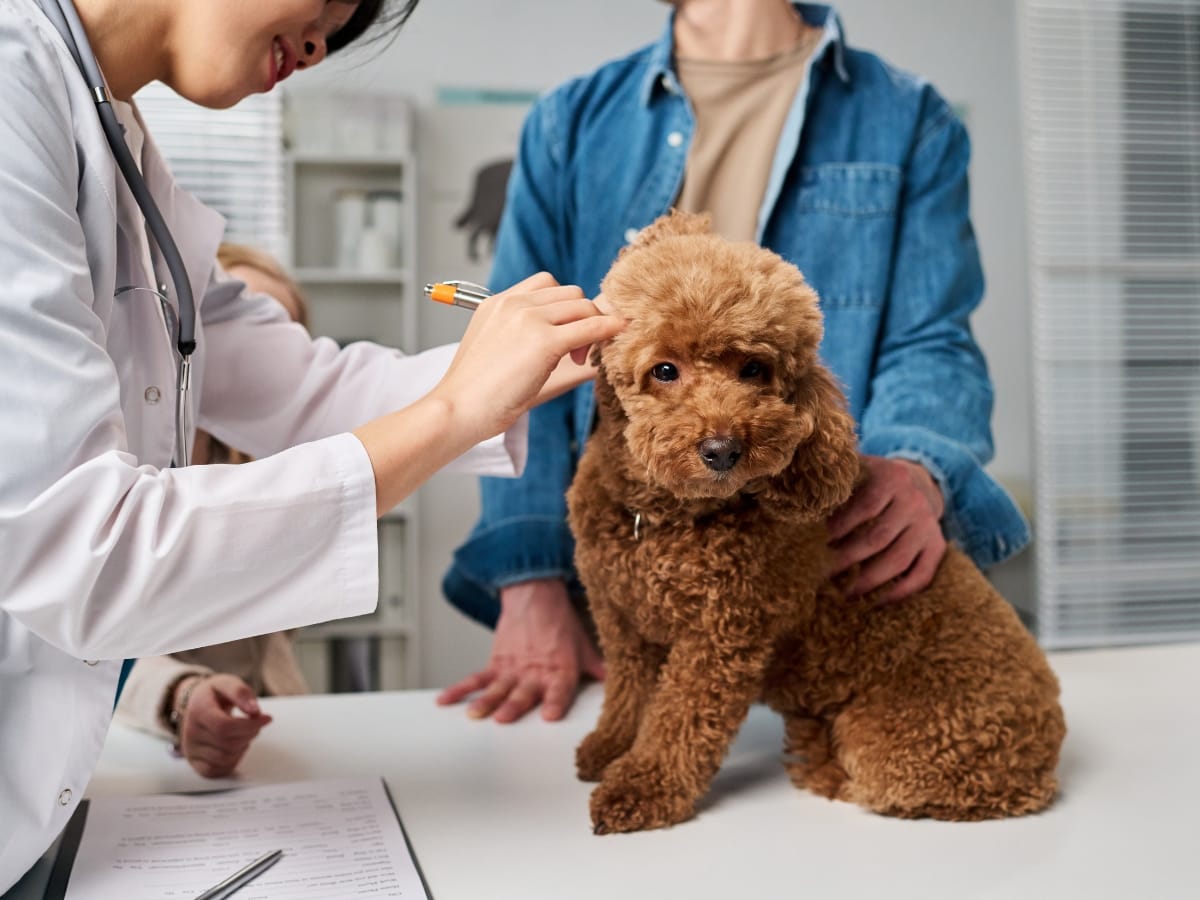
Ear issues are one of the most common problems dogs face, yet they often go unnoticed until discomfort becomes obvious.
Dirt, moisture, and wax can build up quickly, especially in breeds with floppy ears or active outdoor lifestyles. Knowing safe ear cleaning tips helps prevent infections, reduce irritation, and keep your dog comfortable.
Cleaning your dog’s ears isn’t just about hygiene. It’s about using the right technique and products to avoid causing pain or pushing debris deeper into the ear canal. Overcleaning or using improper tools can do more harm than good.
With a simple, consistent approach, you can maintain your dog’s ear health, catch early warning signs, and avoid more serious issues down the line.
Easy Ear Cleaning Routine for Healthy Dogs
Why Understanding Ear Anatomy Matters For Ear Cleaning
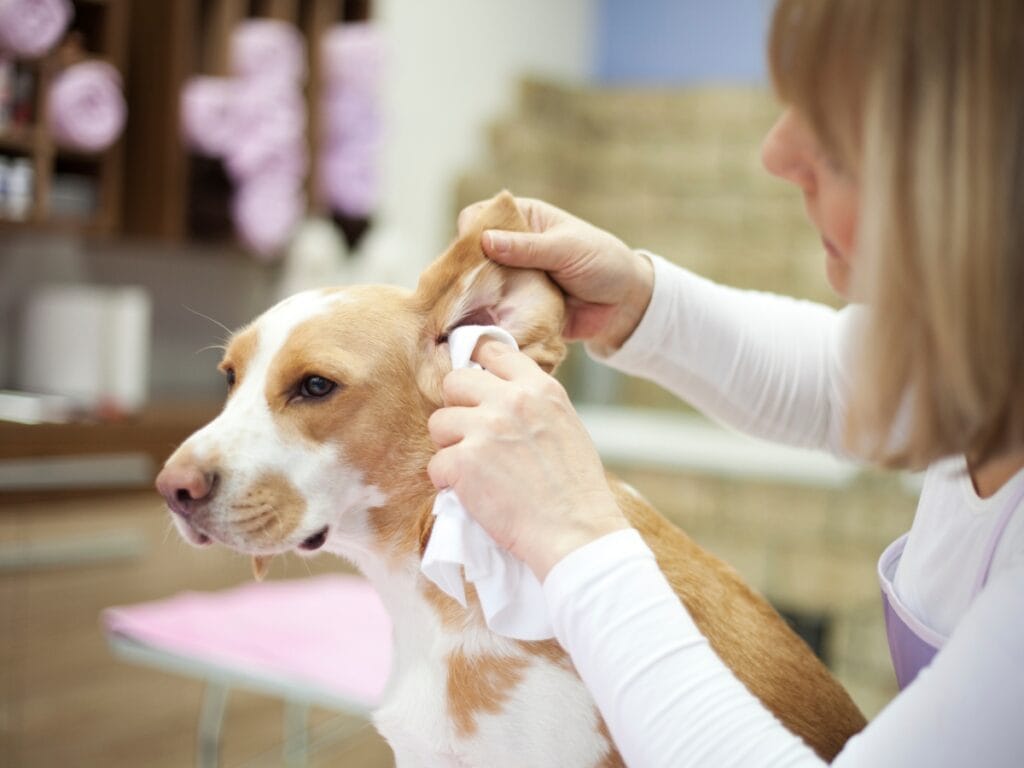
Safe ear cleaning starts with knowing what you are working with. A dog’s ear is not straight like a human ear. It follows an L-shaped canal that can trap wax, moisture, and debris more easily. Without proper care, this buildup can lead to irritation or infection.
When ear cleaning is done without understanding this structure, it becomes easier to push debris deeper instead of removing it. That is why a basic understanding of anatomy helps guide both technique and tool choice. It allows you to clean effectively without causing discomfort or harm.
Adding this awareness to your routine makes ear cleaning more controlled and consistent over time.
Breaking Down The Structure Of A Dog’s Ear
A dog’s ear is made up of three main sections: the outer ear, middle ear, and inner ear. Each part plays a role in hearing and balance, but not all areas should be involved in routine cleaning.
The outer ear includes the ear flap and the visible part of the canal. This is where most dirt and wax accumulate. The middle ear contains the eardrum, which is sensitive and should not be disturbed. The inner ear supports balance and hearing and is not accessible during regular care.
For ear cleaning, the focus should remain on the outer ear and the upper portion of the canal. Staying within this area helps prevent injury and keeps the process simple.
How Ear Shape Affects Cleaning Approach
Not all dogs have the same ear shape, and this can change how often and how carefully you need to clean. Some ears allow better airflow, while others tend to hold moisture.
Dogs with floppy ears often require more attention. The ear flap can limit airflow, which makes it easier for moisture to build up. This creates an environment where debris collects more quickly. Dogs with upright ears usually have better ventilation, so buildup may occur less often.
Understanding your dog’s ear type helps you adjust your ear cleaning routine without overdoing it. Cleaning too often can be just as problematic as not cleaning enough.
Choosing Safer Techniques For Routine Care
A careful approach to ear cleaning helps reduce the risk of irritation. Instead of inserting anything deep into the ear canal, it is better to focus on the visible areas and use gentle methods.
Start by applying a vet-approved cleaning solution to help loosen debris. Then allow your dog to shake their head, which helps bring material toward the outer ear. From there, you can use a soft cloth or cotton pad to wipe away what is visible.
Avoid using cotton swabs deep inside the ear. They can push debris further in and increase the chance of irritation. Keeping the process simple and controlled makes ear cleaning safer and more effective.
Recognizing When Cleaning Should Be Adjusted
Not every dog needs the same ear cleaning schedule. Some may only need occasional care, while others require more frequent attention based on their ear type and activity level.
Signs such as unusual odor, redness, or excessive buildup may indicate that the routine needs to be adjusted. In these cases, it is best to proceed carefully and avoid aggressive cleaning.
Paying attention to these changes helps you respond early and maintain better ear health over time.
Building A Consistent Ear Cleaning Routine
Consistency is what makes ear cleaning effective. When it becomes part of your regular care routine, it is easier to manage buildup before it becomes a problem.
A simple approach that focuses on anatomy, gentle techniques, and awareness of your dog’s needs can go a long way. Over time, this routine helps keep ears clean without causing stress for you or your dog.
By understanding how the ear is structured and adapting your method accordingly, ear cleaning becomes a straightforward and safe part of overall pet care.
Why Safe Methods Matter For Ear Cleaning
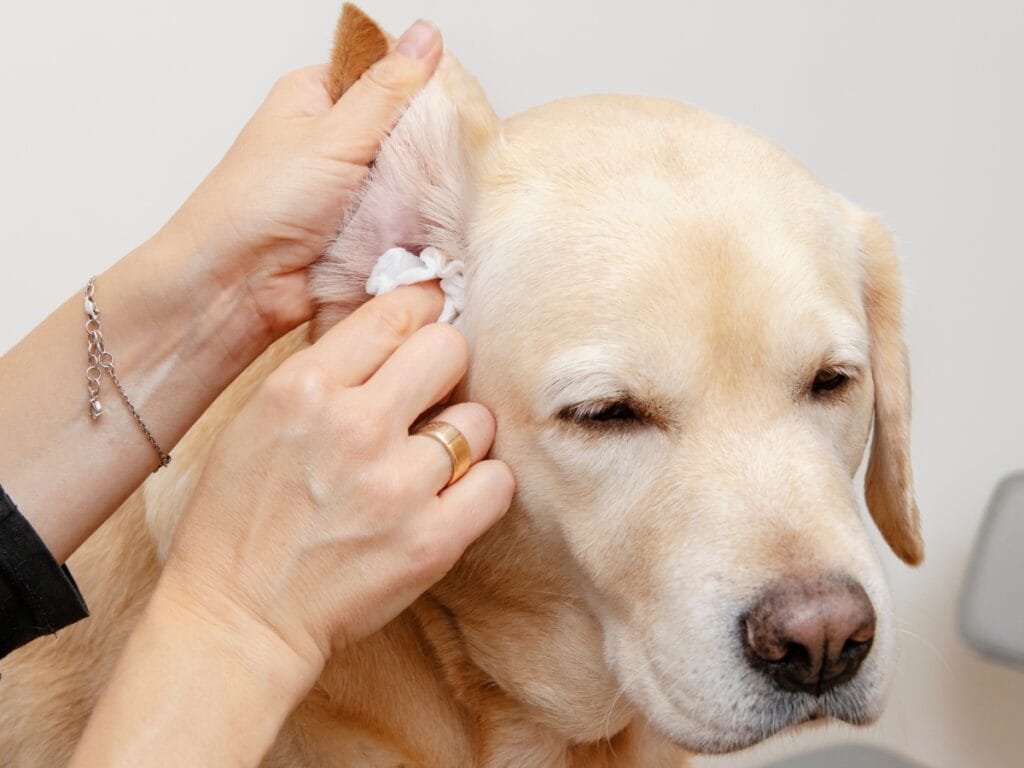
Safe ear cleaning is one of the simplest ways to reduce the risk of infections. When wax and debris build up, they create an environment where bacteria and yeast can grow more easily. Regular care helps keep the ear canal clear and supports overall ear health.
The key is to use methods that clean effectively without causing irritation. Gentle handling, the right products, and a consistent routine all work together to make ear cleaning safer for your dog.
Choosing The Right Approach For Routine Ear Cleaning
Not all cleaning methods are equal, and using the wrong tools can do more harm than good. A simple and controlled approach tends to be the most effective.
Start by selecting a cleaner that is specifically made for dogs. These solutions are designed to break down wax without disrupting the ear’s natural balance. Avoid using cotton swabs inside the canal, as they can push debris further in and increase the chance of irritation.
Once the cleaner is applied, allow it to sit briefly so it can loosen buildup. This makes the next step easier and reduces the need for excessive handling. After that, focus on wiping the outer ear and visible areas of the canal with a soft cloth or cotton pad.
This type of ear cleaning keeps the process straightforward while still addressing the most common causes of buildup.
A Simple Step-by-Step Ear Cleaning Routine
Having a repeatable process can make ear cleaning more manageable for both you and your dog. It also helps reduce stress, since your dog becomes familiar with the routine over time.
A basic approach can include:
- Gather your supplies, including a dog-safe cleaner and soft cotton pads
- Position your dog comfortably, either sitting or lying down
- Apply the cleaner according to the instructions
- Gently massage the base of the ear to distribute the solution
- Wipe away loosened debris from the outer ear
- Offer a small reward to create a positive experience
Keeping the process calm and predictable helps your dog stay relaxed, which makes ear cleaning easier each time.
How Gentle Handling Prevents Discomfort
One of the most important parts of ear cleaning is how you handle your dog during the process. Rushing or applying too much pressure can cause discomfort and make future cleaning more difficult.
Taking a slower approach allows the cleaner to do most of the work. When debris is loosened properly, it can be removed without force. This reduces the chance of irritation and helps protect the sensitive structures inside the ear.
Over time, gentle handling also builds trust. Dogs that feel comfortable during ear cleaning are more likely to cooperate, which makes the process safer and more effective.
Recognizing When To Stop And Adjust
Even with the right technique, there are times when ear cleaning should be paused. If your dog shows signs of discomfort, such as pulling away or reacting to touch, it is best to stop and reassess.
Unusual odor, swelling, or discharge may indicate an underlying issue that requires attention. In these cases, continuing to clean without addressing the cause may not be helpful.
Paying attention to these signals helps prevent further irritation and ensures that ear cleaning remains a positive part of your dog’s care routine.
Making Ear Cleaning A Consistent Habit
Consistency is what keeps ear cleaning effective. Regular care helps prevent buildup before it becomes a problem, which makes each session quicker and easier.
A simple routine that focuses on safe products, gentle techniques, and awareness of your dog’s comfort can go a long way. Over time, this approach supports healthier ears and reduces the likelihood of infection.
By keeping ear cleaning straightforward and consistent, you create a routine that works for both you and your dog.
Why Choosing The Right Products Matters For Ear Cleaning
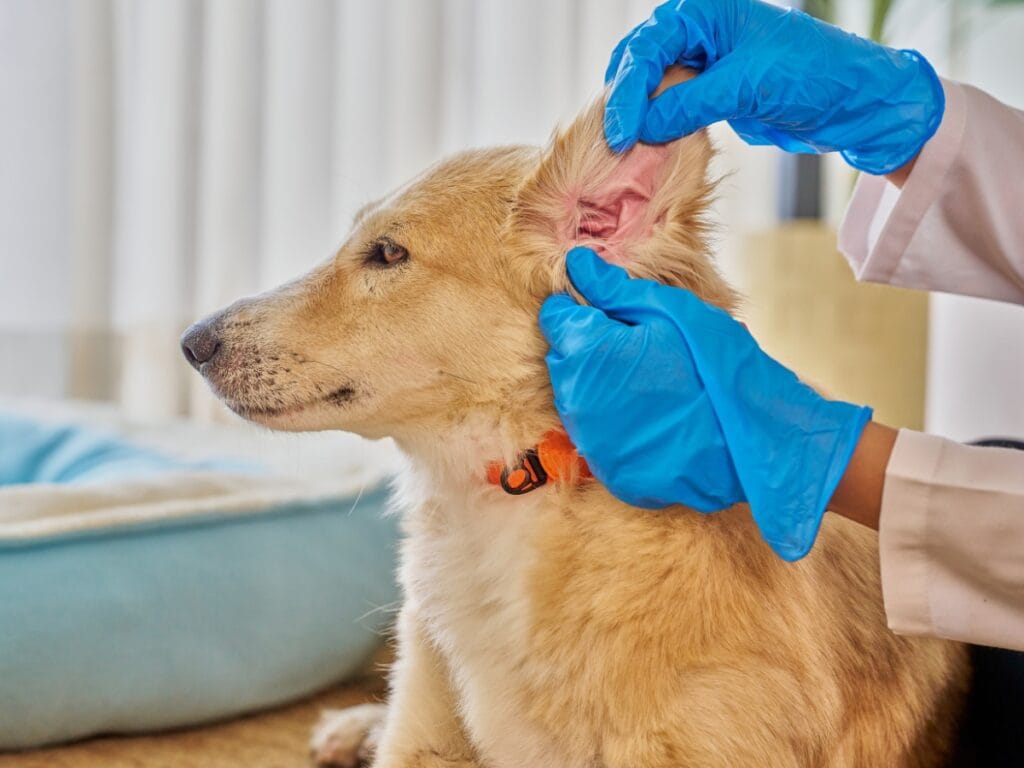
Using the right products makes a noticeable difference in how effective and comfortable ear cleaning is. Not all solutions are designed the same way, and choosing one that suits your dog’s needs helps prevent irritation while still removing buildup.
For groomers and pet owners alike, the goal is to keep the process simple and safe. A well-matched cleaner works with the ear’s natural balance instead of disrupting it. This makes routine ear cleaning easier to maintain over time and reduces the chance of recurring issues.
Selecting Dog Ear Cleaning Solutions That Work
When choosing a solution, it is best to look for formulas specifically made for dogs. These are designed to break down wax and debris without being too harsh on sensitive skin.
Some commonly used options include gentle, alcohol-free cleaners that focus on regular maintenance. Enzyme-based formulas are also popular because they help loosen buildup without requiring aggressive wiping. Other veterinary-formulated products are designed to support cleanliness while helping reduce odor and excess moisture.
The most important factor is consistency. Using a suitable product regularly is more effective than switching between different solutions. Keeping ear cleaning straightforward helps both you and your dog stay comfortable with the process.
Matching Tools To Safe Ear Cleaning Techniques
The tools you use are just as important as the solution. Simple, soft materials tend to work best because they allow you to clean without applying too much pressure.
Cotton balls are one of the most common choices. They are gentle and effective for removing loosened debris from the outer ear. Soft cloths can also be used for wiping the ear flap and visible areas without causing irritation.
For applying cleaner, a dropper or similar tool can help control the amount used. This makes the process more precise and avoids overfilling the ear canal.
Using the right combination of tools supports safer ear cleaning and keeps the process easy to manage.
Keeping The Process Controlled And Comfortable
A calm approach makes ear cleaning more effective. When the dog is relaxed, it is easier to apply the cleaner, allow it to work, and gently remove debris without resistance.
Instead of trying to clean deeply, focus on the areas you can clearly see. Let the solution do most of the work by loosening buildup before you wipe. This reduces the need for repeated handling and helps prevent irritation.
Over time, a controlled approach builds familiarity. Dogs that are comfortable during ear cleaning are more likely to cooperate, which improves consistency.
Adapting Your Routine Based On Individual Needs
Not every dog requires the same ear cleaning routine. Factors such as ear shape, activity level, and sensitivity can all influence how often cleaning is needed and which products work best.
Some dogs benefit from regular maintenance with mild solutions, while others may only need occasional cleaning. Paying attention to changes, such as increased buildup or odor, can help guide adjustments to your routine.
Keeping your approach flexible ensures that ear cleaning stays effective without becoming excessive.
Building A Reliable Ear Cleaning Setup
Having the right products and tools on hand makes ear cleaning more efficient. When everything is ready, the process becomes quicker and less stressful for both you and your dog.
A simple setup that includes a suitable cleaner, soft wiping materials, and a controlled way to apply the solution can go a long way. This consistency supports better results and helps prevent common issues related to buildup.
By choosing appropriate solutions and tools, you create a routine that keeps ear cleaning safe, manageable, and effective over time.
Why Early Detection Matters In Ear Cleaning
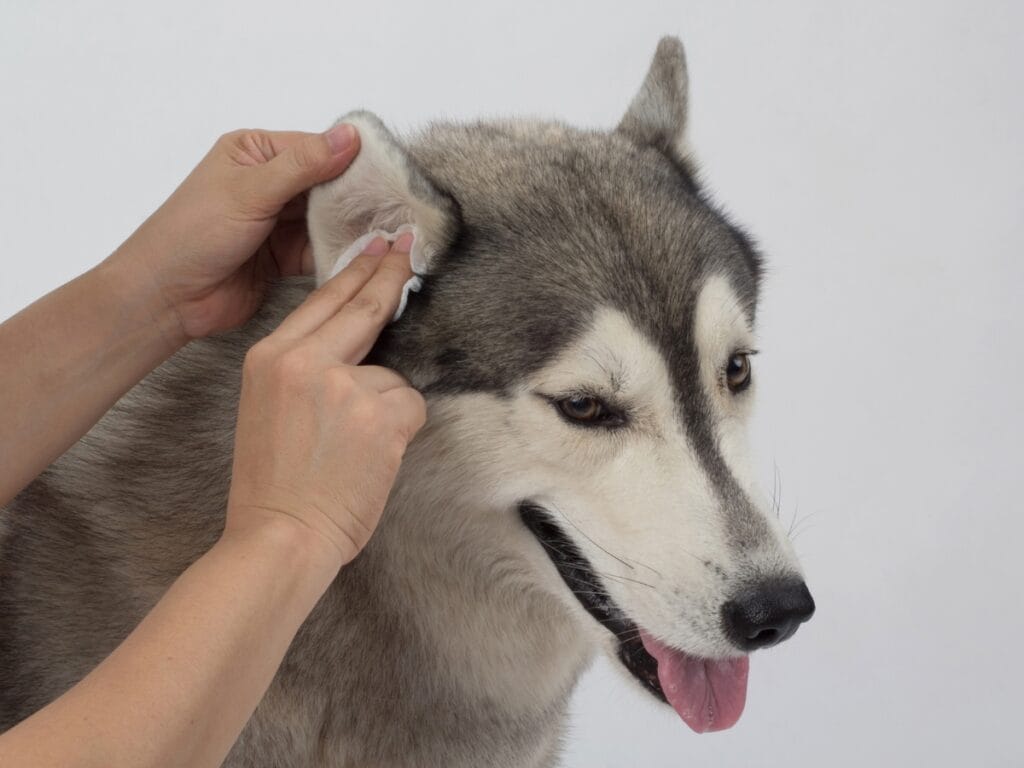
Catching problems early is one of the most effective ways to protect your dog’s ear health. Many ear infections begin with small changes that are easy to miss if you are not checking regularly. This is where a consistent ear cleaning routine becomes useful.
Ear cleaning is not only about removing wax. It also gives you a chance to notice early warning signs before they develop into more serious issues. When done regularly, it helps you stay familiar with what is normal for your dog.
Common Signs That May Indicate An Ear Issue
Dogs often show subtle changes when something is wrong with their ears. Paying attention to these signs can help you act sooner rather than later.
Some of the more common indicators include:
- Frequent scratching around the ears or head
- A noticeable odor coming from the ear
- Unusual discharge, which may appear brown, yellow, or darker than usual
These signs do not always mean a serious infection, but they should not be ignored. Including regular checks as part of your ear cleaning routine makes it easier to spot these changes early.
Behavioral Changes That Should Not Be Overlooked
In addition to physical signs, behavior can also provide important clues. Dogs may shake their head more often or seem uncomfortable when their ears are touched. Some may become more withdrawn or irritable if they are experiencing discomfort.
These reactions are often the body’s way of signaling that something is not right. When you notice these changes during ear cleaning, it is a good idea to proceed gently and avoid forcing the process.
Recognizing these patterns helps you respond in a way that supports your dog’s comfort and safety.
How Regular Ear Cleaning Helps Prevent Infections
Routine ear cleaning plays a direct role in preventing infections. By removing excess wax and debris, you reduce the conditions that allow bacteria and yeast to grow.
Moisture and buildup tend to collect in the ear canal, especially in dogs with certain ear types. Regular care helps keep this environment balanced and less likely to lead to irritation.
Another benefit is visibility. When ear cleaning is done consistently, it becomes easier to notice small changes. This allows you to address potential issues before they become more difficult to manage.
Adjusting Your Routine Based On What You See
Not every dog will need the same level of care. Some may require frequent ear cleaning, while others may only need occasional attention. The key is to adjust your routine based on what you observe.
If ears appear clean and free of odor, it may be best to maintain a lighter schedule. If you notice increased buildup or mild irritation, you can adjust accordingly while staying gentle.
Being flexible helps prevent over-cleaning, which can sometimes cause its own issues.
Creating A Consistent Approach To Ear Health
Consistency is what makes ear cleaning effective over time. A simple routine that includes checking for signs of irritation, cleaning when needed, and observing your dog’s behavior can go a long way.
When ear cleaning becomes a regular habit, it supports both prevention and early detection. You are able to respond quickly to changes and maintain a healthier environment within the ear.
By staying attentive and consistent, you create a routine that helps keep your dog comfortable while reducing the risk of common ear problems.
Why Veterinary Care Matters For Ear Cleaning
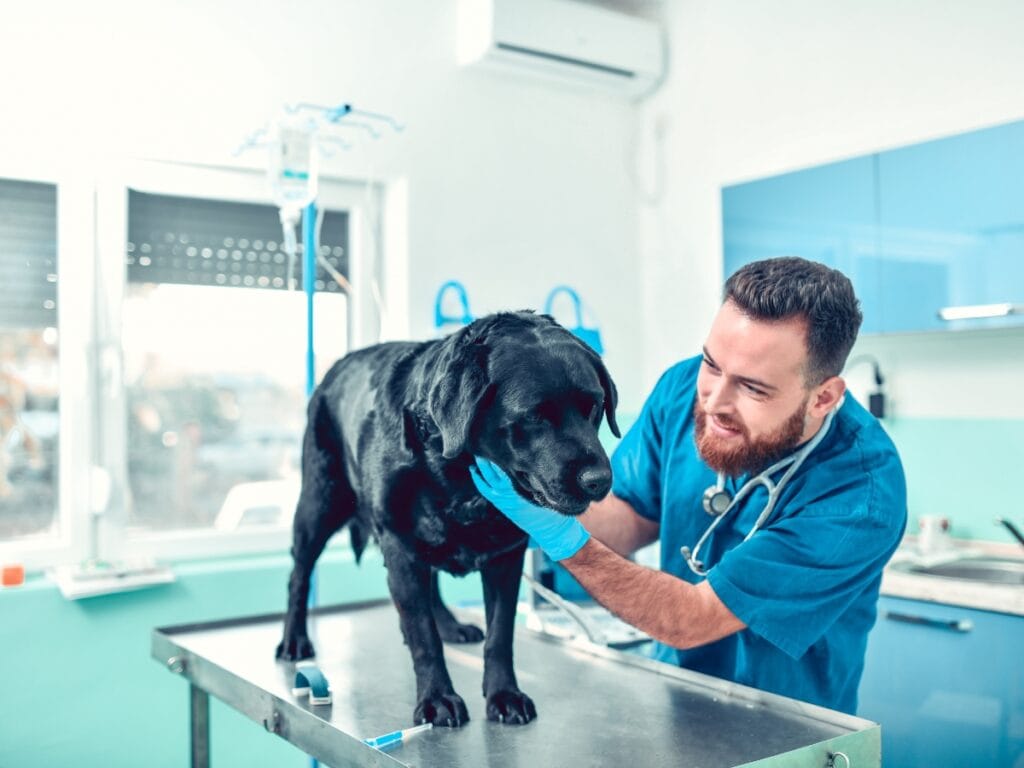
Ear cleaning at home is important, but it is only one part of keeping your dog’s ears healthy. Veterinary care adds another layer of protection by identifying issues that may not be obvious during routine checks.
Some ear conditions develop gradually, and without professional evaluation, they can go unnoticed until they become more serious.
Regular veterinary visits help confirm that your ear cleaning routine is working as intended. They also provide guidance on how often to clean and which products are best suited for your dog’s needs. This combination of at-home care and professional input creates a more complete approach to ear health.
Veterinary Guidelines That Support Better Ear Care
Veterinarians often recommend a balanced approach to ear cleaning that focuses on consistency without overdoing it. Routine check-ups allow them to monitor changes in the ear canal and catch early signs of irritation or infection.
Professional cleaning may be suggested in certain cases, especially for dogs that experience repeated buildup or discomfort. This type of care goes deeper than standard ear cleaning and is performed in a controlled setting to reduce risk.
Overall health also plays a role. Keeping up with general veterinary care supports the immune system, which can help reduce the likelihood of recurring ear problems.
When Ear Cleaning At Home Is Not Enough
While regular ear cleaning helps maintain hygiene, there are times when it is not enough on its own. Some symptoms suggest that a deeper issue may be present and require professional attention.
Persistent discomfort is one of the most common signs. If your dog continues to scratch, shake their head, or react to touch even after cleaning, it may indicate irritation that needs to be evaluated. Strong odors or excessive discharge can also point to an underlying infection that should not be managed at home.
Recognizing when to move beyond routine ear cleaning is an important part of responsible care.
Signs That Indicate A Need For Veterinary Support
Certain changes should prompt a closer look from a professional. These may include ongoing redness, swelling, or discharge that does not improve with basic care. Behavioral changes can also be a signal, especially if your dog becomes more sensitive around the ears or avoids interaction.
These signs do not always indicate a serious condition, but they should not be ignored. Addressing them early often leads to simpler and more effective treatment.
Including this awareness as part of your ear cleaning routine helps you respond quickly when something feels off.
How Veterinary Care Complements Regular Ear Cleaning
Ear cleaning and veterinary care work best when they support each other. At-home cleaning helps manage day-to-day buildup, while veterinary visits provide a deeper level of evaluation and care.
This combined approach reduces the likelihood of long-term issues. It also helps ensure that any changes are addressed before they become more difficult to treat.
Over time, this balance creates a more reliable system for maintaining ear health.
Creating A Consistent And Informed Routine
A consistent routine that includes both ear cleaning and veterinary guidance leads to better outcomes. When you understand what to look for and when to seek help, it becomes easier to maintain your dog’s comfort.
Keeping track of changes, even small ones, can help you adjust your approach as needed. This awareness supports early detection and allows for more targeted care when necessary.
By combining regular ear cleaning with professional input, you create a routine that is both practical and effective. This approach helps keep your dog’s ears healthy while reducing the risk of preventable problems over time.
Why Training Improves Ear Cleaning Skills
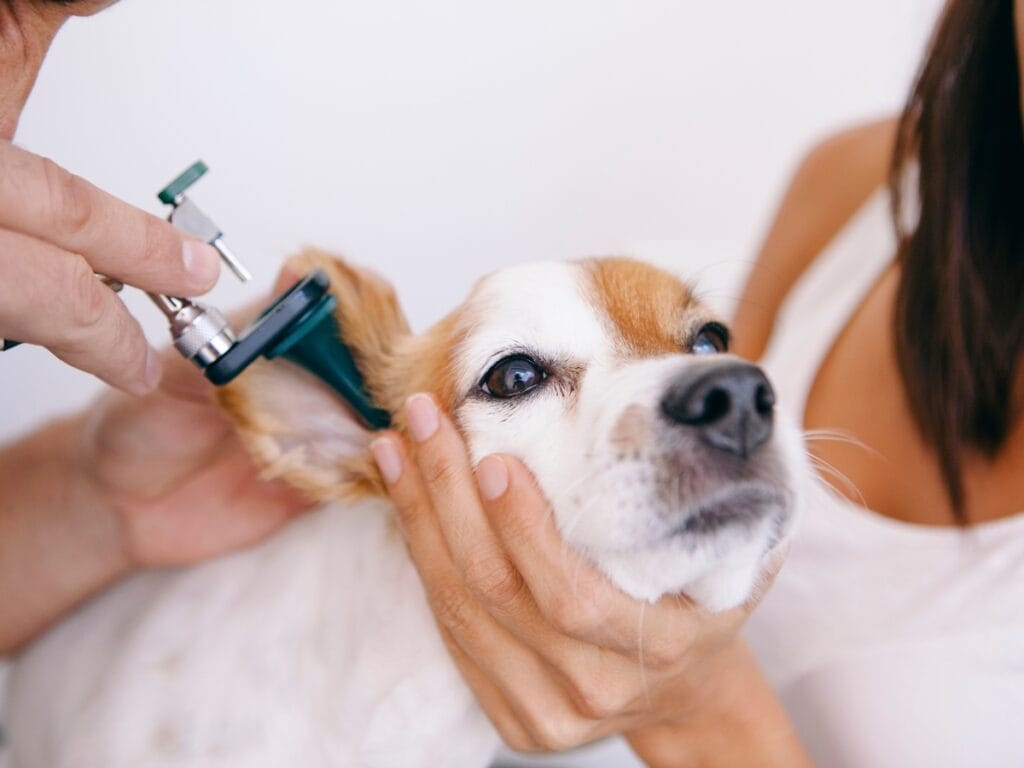
Learning ear cleaning through structured training helps build confidence and consistency. While basic care can be done at home, professional instruction explains why certain techniques work and how to avoid common mistakes. This deeper understanding makes ear cleaning safer for the dog and more effective over time.
Certification programs often focus on anatomy, handling, and hygiene. These areas work together to create a more complete approach. Instead of relying on guesswork, groomers learn how to recognize normal conditions, identify early signs of issues, and adjust their methods accordingly.
Adding formal training to your experience strengthens your ability to perform ear cleaning with care and precision.
How Certification Builds Practical Knowledge
Dog grooming certification programs are designed to go beyond simple routines. They introduce hands-on practice along with clear guidelines for safe handling. This helps groomers understand how to work with different temperaments and ear types.
Training often includes proper positioning, product selection, and step-by-step cleaning techniques. These skills are important because each dog responds differently to handling. A calm and informed approach reduces stress and lowers the risk of irritation.
With consistent practice, these methods become second nature. Ear cleaning becomes less about following instructions and more about applying what you have learned in real situations.
Career Advantages Of Learning Ear Cleaning Techniques
Gaining certification can also support long-term career growth. Employers tend to value groomers who have formal training because it reflects both skill and reliability. It shows that the groomer understands safe practices and can handle routine care with confidence.
There are several ways this training can benefit your career:
- Greater access to job opportunities in grooming settings
- Improved knowledge of pet hygiene and care routines
- Opportunities to connect with other professionals in the field
These advantages make certification a practical step for anyone interested in working with animals regularly.
How OTCK9 Grooming School Supports Skill Development
Programs like OTCK9 Grooming School focus on practical training that prepares students for real grooming environments. Rather than relying only on theory, students are introduced to hands-on techniques that reflect everyday scenarios.
Ear cleaning is treated as an essential part of overall grooming. Students learn how to approach the process safely, how to recognize signs that may require attention, and how to maintain a consistent routine.
This type of training helps build confidence. When groomers understand both the technique and the reasoning behind it, they are better equipped to care for different dogs in a safe and controlled way.
Connecting Ear Health To Overall Grooming
Ear cleaning is not an isolated task. It is part of a larger grooming routine that supports a dog’s overall health. When done correctly, it helps prevent buildup, reduces discomfort, and allows for early detection of potential issues.
Training programs often emphasize this connection. By understanding how ear care fits into the broader picture, groomers can provide more complete and attentive care.
This perspective also helps create a more thoughtful approach. Instead of treating ear cleaning as a quick step, it becomes a consistent part of maintaining a dog’s well-being.
Building Confidence Through Consistent Practice
Confidence develops through repetition and understanding. Certification provides a foundation, but regular practice is what reinforces those skills. Over time, ear cleaning becomes more efficient and less stressful for both the groomer and the dog.
A structured approach, supported by training, helps ensure that each step is done correctly. This reduces uncertainty and allows groomers to focus on the quality of care they provide.
By combining education with experience, ear cleaning becomes a skill that supports both professional growth and better outcomes for the animals in your care.
Frequently Asked Questions About Ear Cleaning
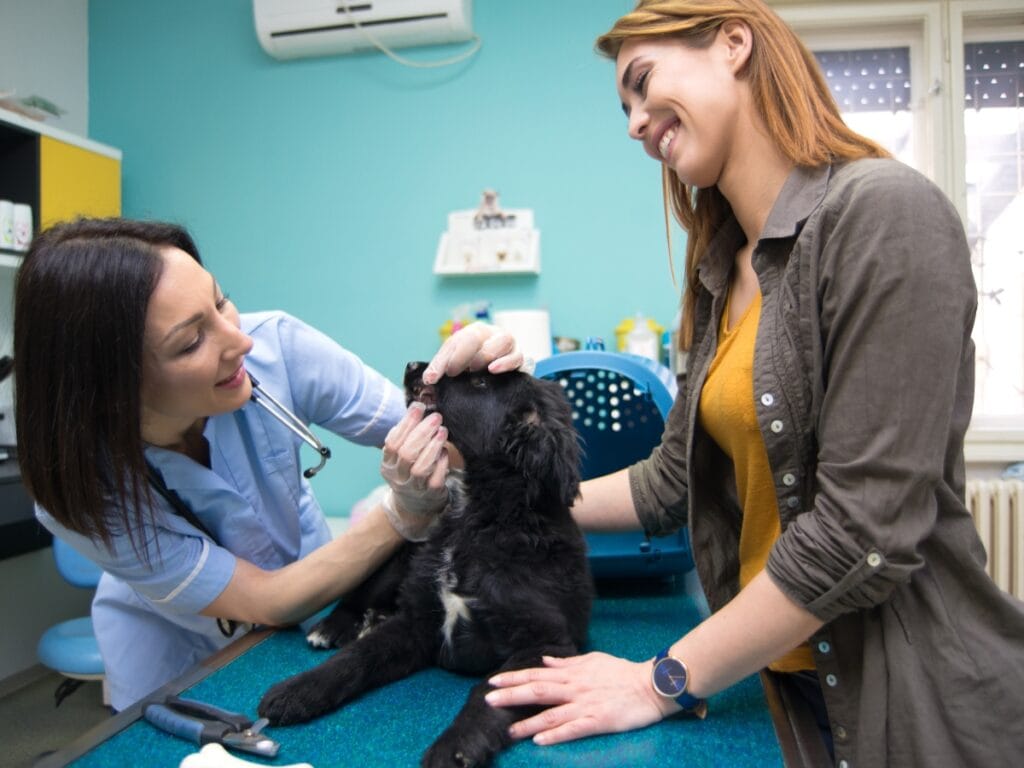
Understanding the basics of ear cleaning helps you stay consistent and avoid common mistakes. Many questions come up around frequency, safety, and when to seek help. The answers below provide a clear starting point for maintaining healthy ears.
What Causes Ear Infections In Dogs
Ear infections often develop when moisture, wax, and debris build up in the ear canal. This environment allows bacteria and yeast to grow more easily. Allergies can also play a role by increasing inflammation and wax production.
Dogs that swim frequently or are bathed often may have more moisture trapped in their ears. Certain ear shapes, especially floppy ears, can limit airflow and make buildup more likely. Regular ear cleaning helps reduce these risks by keeping the ear canal clear.
How Often Should Ear Cleaning Be Done
There is no single schedule that works for every dog. The frequency of ear cleaning depends on factors such as breed, ear shape, and activity level. Some dogs benefit from more regular care, while others only need occasional cleaning.
For many dogs, checking the ears weekly is a good starting point. If you notice visible wax or mild buildup, it may be time to clean. If the ears appear clean and free of odor, you can wait longer between sessions.
Adjusting your ear cleaning routine based on what you observe helps maintain balance without over-cleaning.
Can Human Ear Products Be Used For Dogs
Human ear cleaning products are not recommended for dogs. They often contain ingredients that are too harsh for a dog’s ear canal and can lead to irritation.
Products designed specifically for dogs are formulated to clean without disrupting the ear’s natural environment. Using the right solution makes ear cleaning safer and more comfortable.
What To Do If Your Dog Resists Ear Cleaning
It is common for some dogs to resist ear cleaning at first. The process can feel unfamiliar, especially if they are not used to having their ears handled.
A gradual approach works best. Introduce each step slowly and keep the experience calm. Positive reinforcement, such as offering treats after each step, can help build a better association.
Over time, many dogs become more comfortable as they learn what to expect. Keeping sessions short and consistent can make ear cleaning easier for both of you.
Are Natural Remedies Safe For Ear Cleaning
Some natural options are sometimes mentioned for ear cleaning, but they should be used with caution. Ingredients like vinegar or similar solutions can be too strong for sensitive ears and may cause irritation.
If there is any uncertainty, it is best to rely on products made for dogs. These are designed to clean effectively without causing harm. When in doubt, keeping the process simple is often the safest approach.
When To Seek Veterinary Care For Ear Issues
There are times when ear cleaning at home is not enough. Certain signs suggest that a professional evaluation may be needed.
These can include:
- Persistent scratching or head shaking
- A strong or unusual odor
- Noticeable discharge or redness
- Changes in behavior, such as avoiding ear contact
If these symptoms do not improve with routine care, it is best to have them checked. Early attention can prevent more serious problems and help restore comfort more quickly.
Building Confidence With A Consistent Routine
Ear cleaning becomes easier when it is part of a regular routine. Checking the ears, cleaning when needed, and watching for changes all work together to support better ear health.
With a steady approach, you become more familiar with what is normal for your dog. This makes it easier to spot small changes and respond early.
By keeping ear cleaning simple and consistent, you create a routine that supports comfort and helps reduce the risk of common ear problems.
Mastering Professional Ear Care with OTCK9
Proper ear cleaning is an essential part of your dog’s overall health and comfort, helping to prevent painful infections and catch potential issues early.
By using the right techniques, products, and gentle handling, you can make ear care a positive experience for both you and your furry friend.
For those looking to turn their passion for pet care into a professional skill, OTCK9 Grooming School provides comprehensive training that covers all aspects of safe, effective grooming.
Ready to master the skills that keep dogs happy and healthy? Call 770-874-1803 or fill out our online form for a free quote today. Let our expert instructors guide you toward a rewarding career in professional pet care.