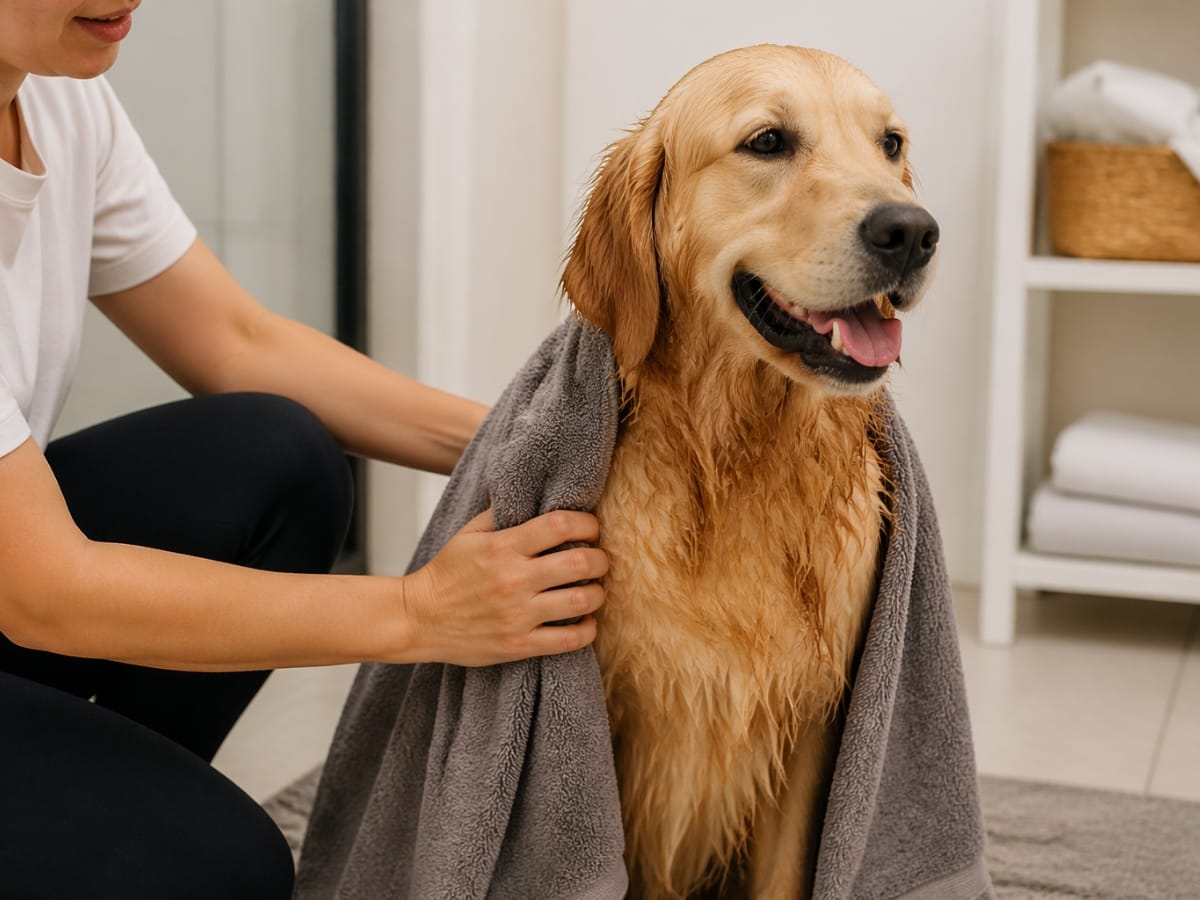
Bath time doesn’t end when the water turns off. Drying your dog properly is just as important as the wash itself, especially when moisture trapped in the coat or skin can lead to irritation, odor, or even infections.
Knowing safe dog drying techniques after grooming helps keep your pet comfortable while protecting their coat and skin. Different breeds and coat types require different approaches.
Thick, double-coated dogs hold moisture longer, while short-haired breeds may dry quickly but still need careful handling. Using the right tools, temperature settings, and techniques makes a noticeable difference.
With a safe and consistent drying routine, you can reduce stress for your dog, prevent skin issues, and keep their coat looking clean and healthy after every bath.
Safe Dog Drying Techniques After Bathing That Keep Dogs Comfortable
What Are The Best Dog Grooming Drying Methods For Safety?
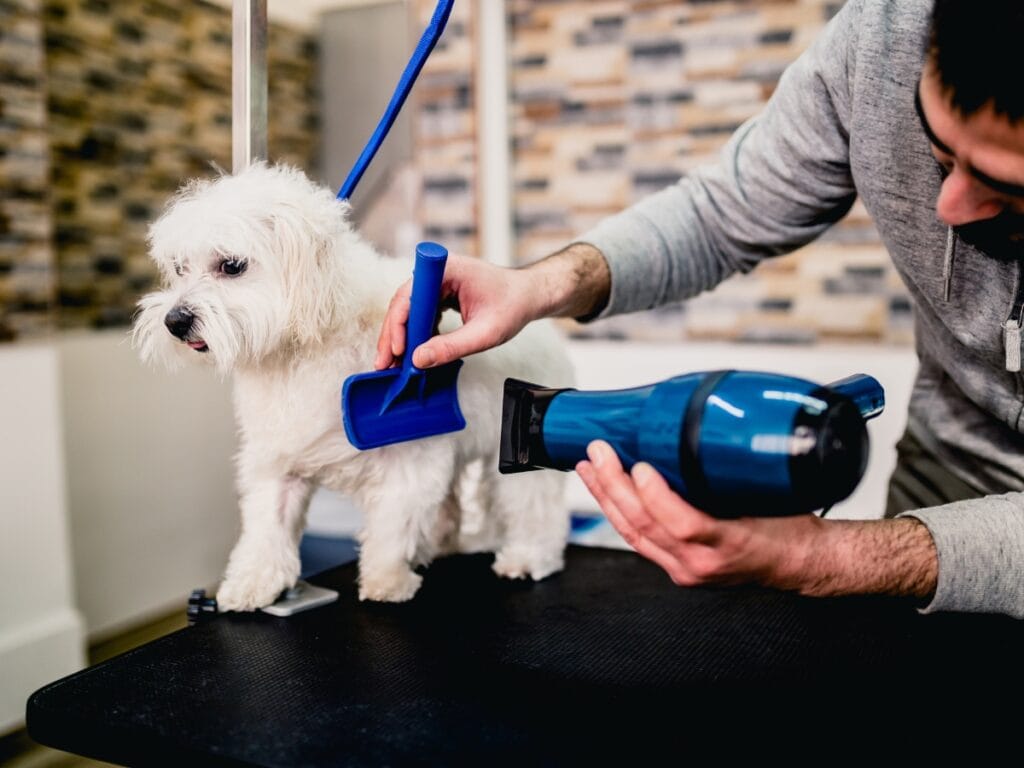
When it comes to drying your dog after a bath, safety should always guide your approach. The goal is not just to remove moisture, but to do it in a way that keeps your dog comfortable and stress-free.
Two of the most common methods are towel drying and using a pet dryer, and each has its place depending on your dog’s coat, temperament, and environment.
Towel drying is often the first step in the process. It allows you to gently remove excess water while helping your dog settle after bathing.
Pet dryers, on the other hand, are useful when you need to speed up drying, especially for thicker coats. The key is understanding when and how to use each method so that drying remains a calm and controlled experience.
How To Towel Dry Your Dog Effectively And Safely
Towel drying works best when done with a gentle, patient approach. Start with a soft, highly absorbent towel designed for pets, as it will pull moisture away without irritating the skin. Instead of rubbing vigorously, which can cause tangling or discomfort, use a blotting or patting motion to absorb water.
Focus on areas that tend to hold moisture longer, such as the paws, underbelly, and around the ears. These spots can stay damp if rushed, which may lead to discomfort later on. Taking a few extra moments in these areas helps ensure more complete drying.
Beyond its practical benefits, towel drying can also be a calming step. Many dogs respond well to the close contact and slower pace, especially if they are nervous after a bath. Paying attention to your dog’s body language during drying allows you to adjust your pace and keep the experience positive.
When And How To Use Pet Dryers For Safe Drying
Pet dryers are helpful when towel drying alone is not enough, particularly for dogs with dense or long coats. They can significantly reduce drying time, but they require careful handling to avoid causing stress or overheating.
Start by introducing the dryer at a low setting. The noise and airflow can be unfamiliar, so giving your dog time to adjust is important. Keep the dryer moving rather than focusing on one spot, and maintain a safe distance from the skin to prevent excessive heat exposure.
Airflow is often more important than heat. Using a cooler setting with steady airflow can dry the coat effectively without increasing the risk of irritation. If your dog shows signs of discomfort, such as pulling away or becoming restless, pause and give them a break before continuing.
Choosing The Right Approach Based On Your Dog
Not every dog responds the same way to drying methods, which is why flexibility matters. Some dogs are comfortable with dryers once they become familiar with the process, while others may always prefer towel drying.
Coat type also plays a role, as thicker coats often require a combination of both methods for effective drying. Taking the time to observe what works best for your dog can make a noticeable difference. A routine that feels predictable and comfortable will help reduce stress over time, making drying easier with each session.
Creating A Safe And Consistent Drying Routine
Consistency helps build trust and keeps drying manageable for both you and your dog. Start with towel drying to remove most of the moisture, then use a pet dryer if needed to finish the process. Keeping sessions calm and unhurried helps reinforce a positive association with drying.
By focusing on safety, comfort, and your dog’s individual needs, drying becomes more than just a routine step. It becomes a part of grooming that supports your dog’s overall well-being while ensuring their coat is properly cared for.
How To Choose Safe Pet Drying Tools For Different Dog Coat Types?
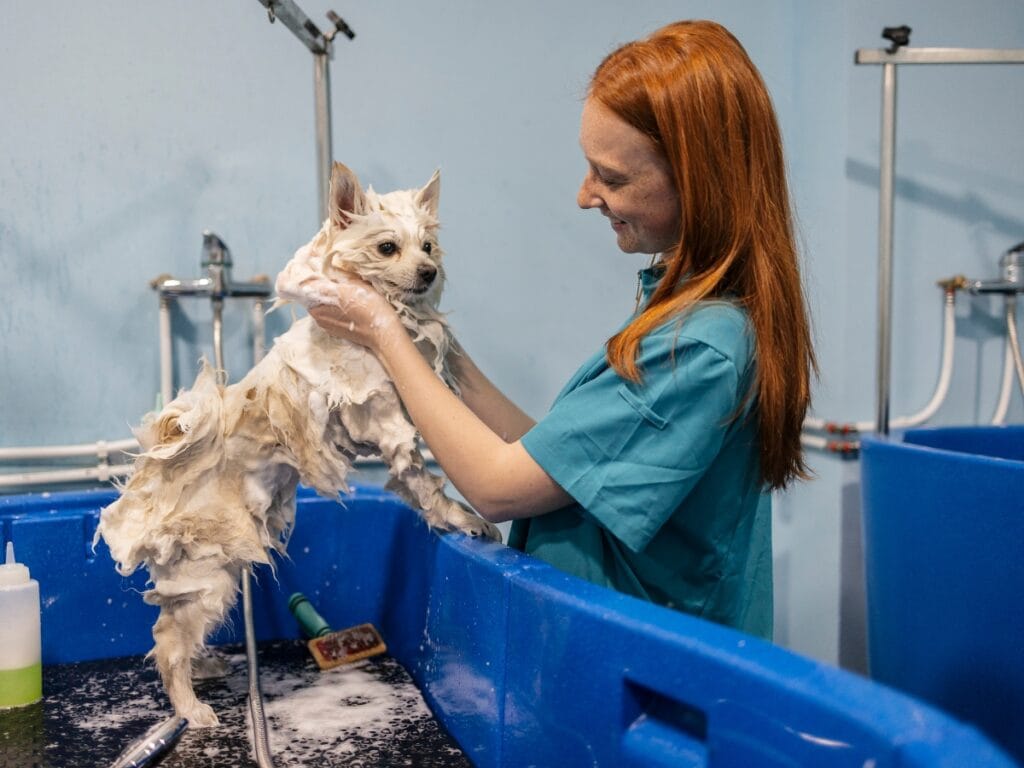
Choosing the right tools for drying your dog starts with understanding their coat. Not all dogs require the same approach, and using the wrong method can lead to discomfort or incomplete drying.
Short-haired breeds usually dry quickly and often respond well to towel drying alone. In contrast, dogs with long or dense coats tend to hold moisture longer, which makes a combination of towel drying and a pet dryer more effective.
Matching your drying method to your dog’s coat helps improve both safety and efficiency. When the approach fits the coat type, drying becomes faster, more comfortable, and less stressful for your dog.
Understanding How Coat Type Affects Drying
Different coat types behave differently when wet, which directly impacts the drying process. Short coats do not trap much water, so moisture tends to sit on the surface and can be removed with a towel fairly easily. This makes drying straightforward and low effort.
Long-haired or double-coated dogs present a different challenge. Water can settle deep into the undercoat, making surface drying alone ineffective.
In these cases, relying only on a towel may leave the coat damp underneath, which can lead to skin irritation if not addressed. Using a dryer alongside towel drying helps reach those deeper layers and ensures a more complete result.
Curly or thick coats also require a more controlled approach. These textures can tangle if handled too roughly, so gentle drying techniques are especially important.
What Features Make The Best Dog Dryers For Various Coats?
When selecting a pet dryer, certain features make a noticeable difference in both safety and usability. Temperature control is one of the most important elements. Being able to adjust heat levels allows you to tailor the drying process to your dog’s coat and sensitivity.
Noise level is another key consideration. Some dryers are designed to operate more quietly, which can help reduce stress for dogs that are sensitive to sound. A calmer dog is easier to manage during drying, making the process smoother overall.
Adjustable airflow also adds flexibility. Stronger airflow works well for thick or long coats that need deeper drying, while gentler settings are better suited for short or fine hair. Having multiple settings allows you to adapt as needed rather than relying on a single intensity.
How To Adjust Dryer Temperature And Settings For Safety
Safe drying depends on using the right temperature and airflow for your dog’s specific needs. In general, a moderate temperature range works well for most dogs.
Starting on a low setting and gradually increasing only if necessary helps prevent overheating and allows your dog to adjust to the sensation.
It is important to keep the dryer moving instead of focusing on one spot for too long. This reduces the risk of heat buildup on the skin and ensures even drying across the coat. Holding the dryer at a comfortable distance also helps maintain a safe temperature level.
Pay attention to your dog’s behavior during the process. Signs such as restlessness or heavy panting can indicate that the temperature is too high or the airflow is too strong. Taking breaks when needed helps keep drying safe and manageable.
Building A Drying Routine That Fits Your Dog
A consistent routine makes drying easier over time. Starting with a towel to remove excess moisture and then using a dryer if needed creates a balanced approach that works for most coat types. Over time, your dog will become more familiar with the process, which can reduce anxiety and improve cooperation.
By choosing tools that match your dog’s coat and adjusting your technique carefully, drying becomes more than just a grooming step. It becomes a safe and reliable part of caring for your dog’s overall comfort and health.
What Are Common Dog Grooming Safety Tips To Avoid Drying Mistakes?
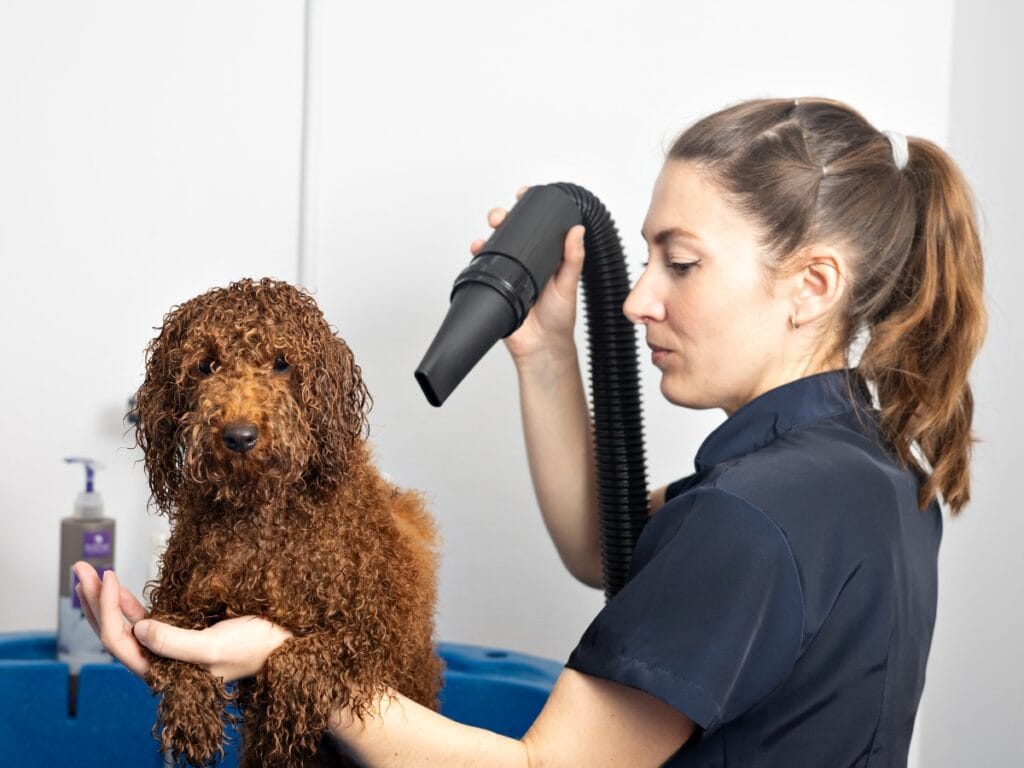
Drying is an important part of grooming, but it is also where small mistakes can lead to discomfort for your dog. The goal is not just to remove moisture, but to do it in a way that protects the skin, coat, and overall well-being of your pet.
Many issues during drying come from rushing the process or using the wrong technique, both of which are easy to avoid with a more thoughtful approach.
Paying attention to how your dog responds during drying can make a big difference. When the process feels calm and controlled, your dog is more likely to stay relaxed, which reduces the risk of injury or stress-related reactions.
Which Drying Mistakes Can Harm Your Dog’s Skin And Coat?
One of the most common mistakes in drying is using too much heat. High temperatures may seem like a faster way to get the job done, but they can lead to skin irritation or even burns if applied too closely or for too long. Dogs have sensitive skin, and heat builds quickly when airflow is concentrated in one area.
Another issue comes from using rough or overly aggressive towel techniques. Rubbing the coat vigorously can create tangles, especially in longer or curly fur, and may also irritate the skin. Instead of speeding things up, this approach can actually make grooming more difficult afterward.
Incomplete drying is another overlooked problem. Leaving moisture trapped in the coat, particularly in dense or double-coated breeds, can create an environment where irritation develops. Taking the time to dry thoroughly helps prevent these issues from developing later.
How To Prevent Skin Irritation And Overheating During Drying
Preventing irritation starts with controlling both temperature and technique. When using a dryer, begin with a low heat setting and increase only if necessary. Keeping the dryer moving rather than holding it in one place helps distribute heat evenly and reduces the risk of overheating.
Distance also matters. Holding the dryer too close to the skin can cause discomfort, even at moderate temperatures. Maintaining a comfortable gap allows airflow to do the work without concentrating heat on a single spot.
It also helps to check your dog’s coat and skin throughout the process. Running your hand over the fur can give you a sense of whether areas are still damp or becoming too warm. If your dog shows signs of restlessness or discomfort, pausing the drying process allows them to settle before continuing.
Creating A Comfortable Drying Environment
The environment plays a larger role in drying than many people expect. A quiet, familiar space helps your dog stay calm, especially if they are sensitive to noise or new experiences. Reducing distractions and keeping the session unhurried can make the process smoother for both of you.
Using clean, soft towels and well-maintained equipment also contributes to a safer experience. Worn-out tools or harsh materials can increase the chances of irritation, even when used carefully.
Building Better Drying Habits Over Time
Good drying habits develop with consistency. Starting with gentle towel drying and following up with controlled airflow when needed creates a balanced routine that works for most dogs. Over time, your dog becomes more familiar with the process, which helps reduce anxiety and makes each session easier.
By focusing on safety, awareness, and proper technique, drying becomes a reliable part of grooming rather than a stressful step. Avoiding common mistakes not only protects your dog’s coat and skin, but also helps create a more comfortable experience from start to finish.
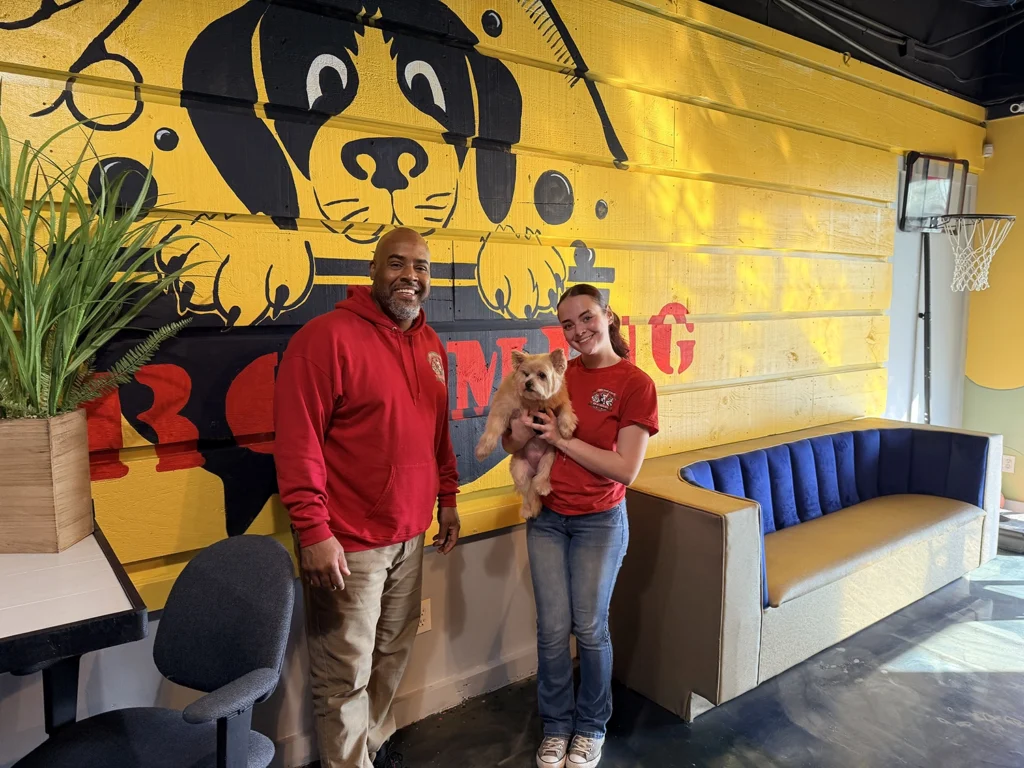
Expert Dog Drying Training at OTCK9 Grooming School
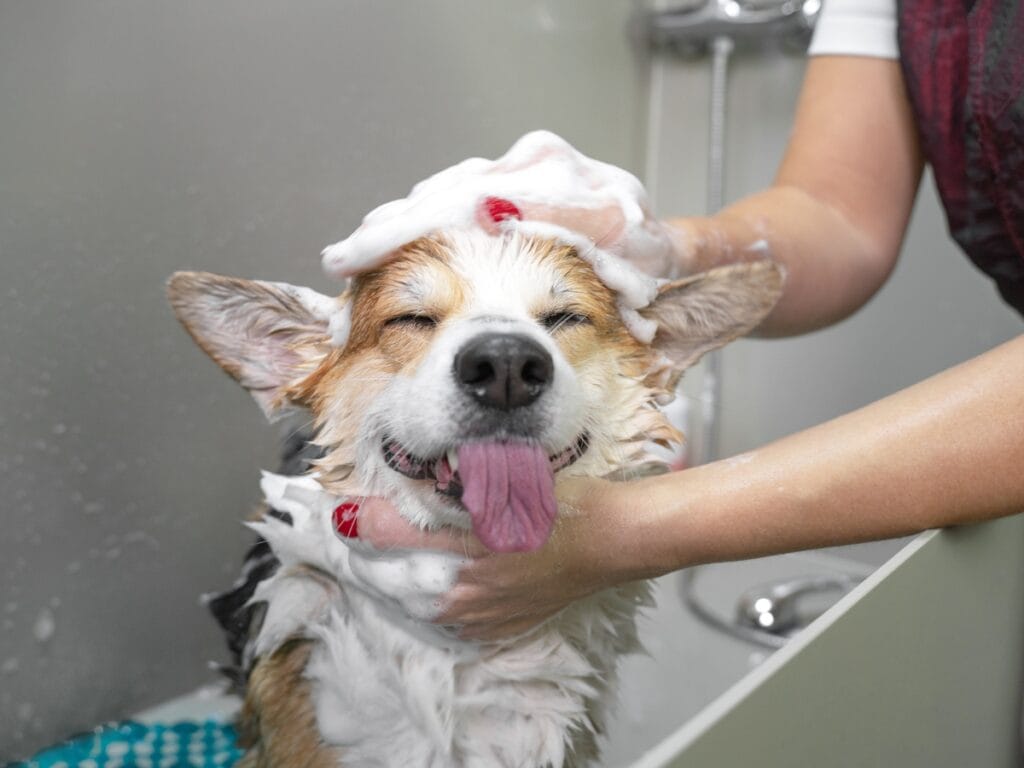
Learning proper drying techniques is a key part of becoming a skilled groomer, and OTCK9 Grooming School places a strong emphasis on doing it safely.
Drying is not just about removing moisture. It requires an understanding of coat types, equipment, and how dogs respond to the process. By focusing on both technique and awareness, students are taught how to approach drying in a way that protects the dog while maintaining grooming quality.
The training goes beyond basic instruction. Students are introduced to real scenarios they are likely to encounter in a professional setting, which helps them develop practical habits early on. This approach ensures that drying becomes a controlled, thoughtful step rather than something rushed or overlooked.
What Certification Programs Include Safe Drying Practices?
Within the certification programs at OTCK9 Grooming School, safe drying is treated as an essential skill rather than an optional add-on.
Students learn how to choose appropriate drying methods based on coat type, size, and temperament. This includes understanding when towel drying is sufficient and when a dryer is needed to complete the process effectively.
The curriculum also covers proper equipment use. Students are trained to handle pet dryers with care, adjusting temperature and airflow to match the dog’s needs. This reduces the risk of overheating and helps prevent common issues such as skin irritation or stress.
Another important part of the program is recognizing signs of discomfort. By learning how to read a dog’s behavior during drying, students can respond quickly and adjust their approach. This level of awareness is critical for maintaining safety in a professional grooming environment.
How Hands-On Training Strengthens Drying Skills
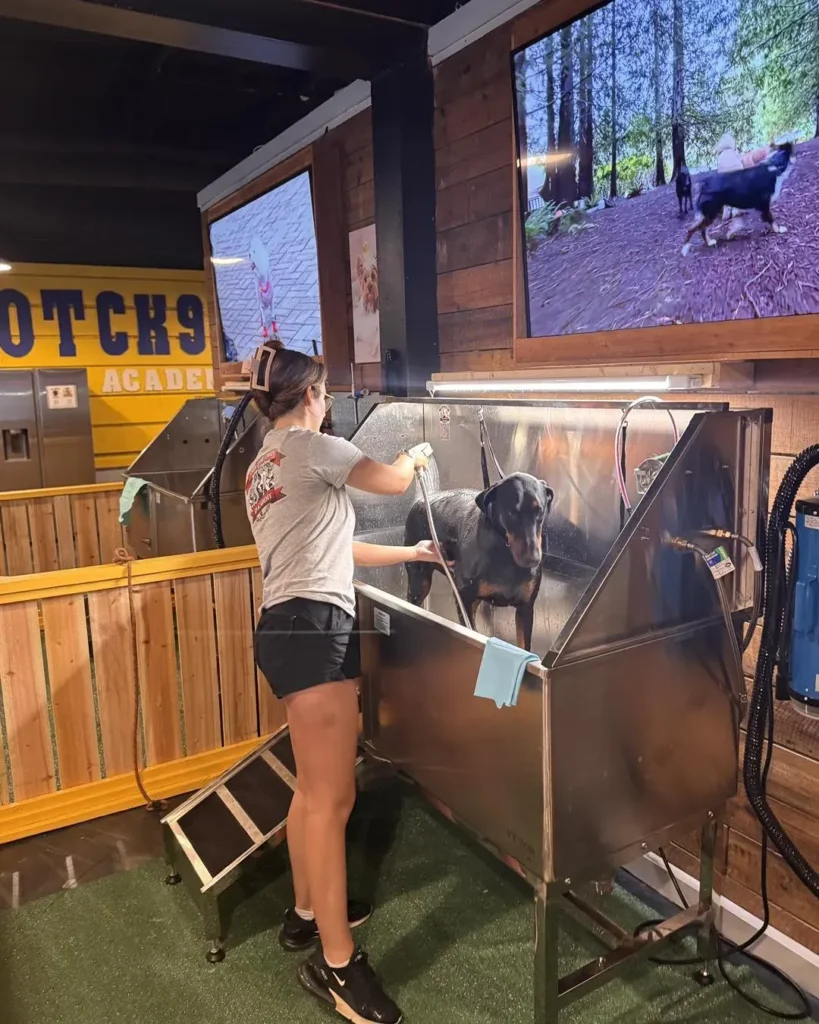
Hands-on experience is where these concepts come together. Students at OTCK9 Grooming School work with real dogs under the guidance of experienced instructors, which allows them to apply what they have learned in a controlled setting. This practical exposure helps build confidence while reinforcing safe habits.
During these sessions, students practice different drying techniques and learn how to adapt based on the dog in front of them.
No two dogs are exactly the same, so this flexibility is an important part of the learning process. Instructors provide immediate feedback, helping students refine their technique and avoid common mistakes.
This kind of training also helps students become more comfortable with equipment. Using dryers, adjusting settings, and managing airflow becomes second nature over time, which is essential for maintaining consistency in a professional setting.
Why Safety-Focused Drying Training Matters
Focusing on safety during drying has long-term benefits for both the groomer and the dog. For the groomer, it builds a strong foundation of skills that can be applied across different situations. For the dog, it ensures a more comfortable experience, which can reduce anxiety during future grooming sessions.
Drying is often one of the most sensitive parts of grooming because it involves noise, airflow, and close contact. Proper training helps reduce the risks associated with these factors, making the process smoother and more predictable.
Preparing Students For Real-World Grooming
By combining structured learning with hands-on practice, OTCK9 Grooming School prepares students to handle drying in real-world environments. The focus is not just on technique, but on understanding how to work safely and responsibly.
As students move into professional roles, these skills become part of their everyday routine. Safe drying practices help protect the dog’s coat and skin while also supporting a calm and efficient grooming process. Over time, this attention to detail becomes one of the qualities that sets skilled groomers apart.
What Are Step-By-Step Safe Dog Drying Techniques After Bathing?
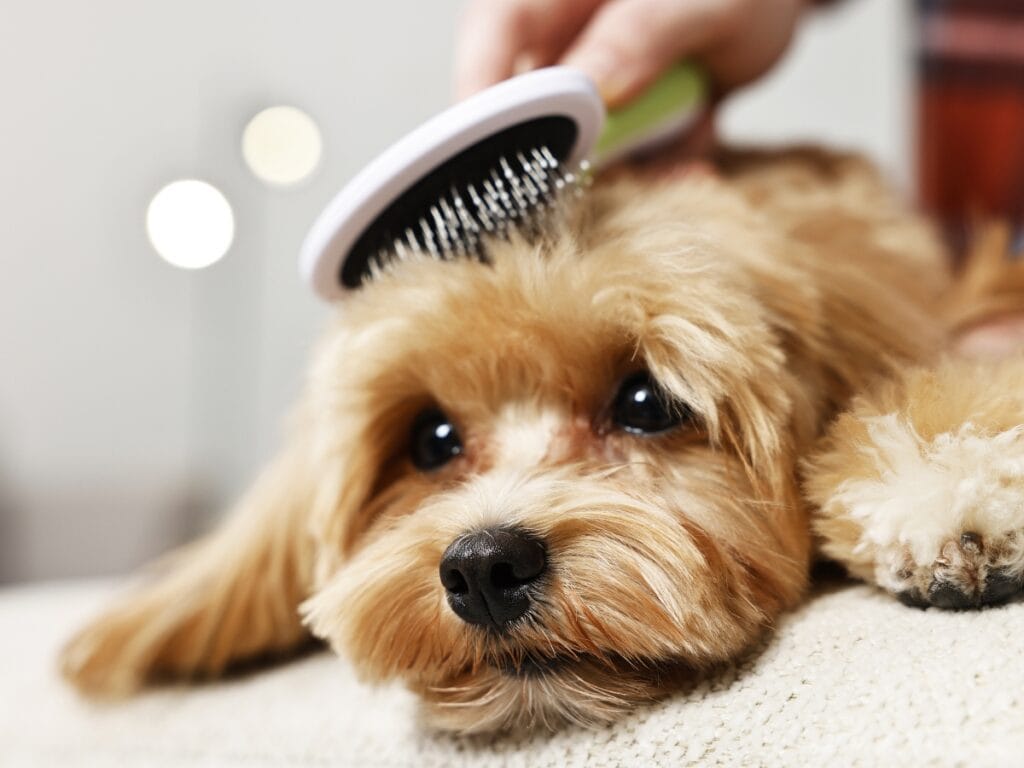
A structured approach to drying makes the process safer and more predictable for both you and your dog. Instead of rushing through it, breaking drying into clear stages helps ensure that moisture is removed properly while keeping your dog calm.
A consistent routine also reduces stress over time, since your dog begins to recognize what to expect during grooming. The key to effective drying is to move gradually, starting with gentle methods before introducing equipment. This allows you to control both temperature and pace, which are essential for safe drying.
What Is The Recommended Order For Drying Your Dog Safely?
The drying process usually begins with towel drying. After a bath, your dog’s coat will hold a significant amount of surface water, and removing this first makes the rest of the process easier.
Use a soft, absorbent towel and gently press or pat the coat rather than rubbing. This helps avoid tangles and keeps the skin from becoming irritated.
Once most of the excess moisture is gone, you can prepare a pet dryer if needed. Before turning it on, check that the temperature is set to a low, comfortable level. Positioning the dryer at a safe distance from your dog’s coat allows airflow to do the work without concentrating heat in one area.
As you begin drying, start from the back of your dog and move forward gradually. This approach feels less overwhelming and helps your dog adjust to the airflow. Keeping the dryer in motion ensures that heat is distributed evenly, which is important for preventing discomfort.
The final step is checking that your dog is fully dry. Pay attention to areas where moisture tends to linger, such as the paws, underbelly, and behind the ears. Ensuring these spots are dry helps prevent irritation and keeps your dog comfortable after grooming.
How Long Should Each Drying Step Take For Optimal Safety?
The time required for drying depends on your dog’s size, coat type, and how much moisture remains after bathing. Towel drying typically takes several minutes, enough to remove most of the water without rushing. This step sets the foundation for the rest of the process.
Using a pet dryer can take longer, especially for dogs with thick or double coats. Instead of focusing on speed, it is better to focus on consistency. Moving steadily across the coat and checking progress as you go helps ensure even drying.
It is also important to adjust timing based on your dog’s comfort. Some dogs may need short breaks during the process, particularly if they are sensitive to noise or airflow. Allowing these pauses keeps the experience manageable and reduces stress.
Adjusting The Process For Different Coat Types
Not all dogs require the same drying routine. Short-haired dogs may need only minimal time with a towel, while longer or denser coats require more attention and often benefit from extended airflow. Understanding your dog’s coat helps you decide how much time to spend on each step.
For thicker coats, taking extra time with the dryer ensures that moisture does not remain trapped underneath. For lighter coats, keeping the process simple helps avoid unnecessary exposure to heat.
Building A Safe And Consistent Drying Routine
Consistency is one of the most effective ways to improve drying over time. Following the same general order, starting with towel drying, moving to controlled airflow, and finishing with a thorough check, creates a routine your dog can become comfortable with.
Safe drying is not just about technique. It is about pacing, awareness, and adapting to your dog’s needs. When done properly, drying becomes a smooth part of grooming that supports both comfort and overall coat health.
Frequently Asked Questions
What Are The Signs That My Dog Is Uncomfortable During The Drying Process?
Paying attention to your dog’s behavior is an important part of safe drying. Discomfort often shows up through physical and emotional cues rather than obvious resistance.
Signs like heavy panting, whining, restlessness, or trying to move away can indicate that your dog feels overwhelmed. Some dogs may also freeze, shake, or lower their body posture when they are unsure about what is happening.
Recognizing these signals early allows you to adjust your drying routine before stress builds. Taking a short pause, lowering the airflow, or switching back to gentle towel drying can help your dog settle. Over time, responding to these cues consistently makes the drying process smoother and more predictable.
Can I Use Human Hair Dryers On My Dog?
Using a standard hair dryer may seem convenient, but it is usually not the best option for safe drying. Human dryers tend to produce higher heat levels and stronger airflow than what most dogs can tolerate comfortably. The noise alone can also make the experience stressful, especially for dogs that are sensitive to sound.
Pet-specific dryers are designed with drying safety in mind. They typically offer lower heat settings, adjustable airflow, and quieter operation.
These features make it easier to control the drying process and reduce the risk of overheating or discomfort. Choosing the right tool supports a more controlled and consistent approach to drying.
How Often Should I Bathe And Dry My Dog?
The frequency of bathing and drying depends on several factors, including your dog’s breed, coat type, and daily activity level. For many dogs, a bath every four to six weeks works well, followed by proper drying to prevent moisture from lingering in the coat.
Dogs that spend more time outdoors or have thicker coats may need more frequent care, while others benefit from a less frequent schedule to preserve natural oils.
Finding the right balance helps maintain coat health while keeping the drying process manageable. When in doubt, a veterinarian can provide guidance based on your dog’s specific needs.
What Should I Do If My Dog Has A Skin Condition During Drying?
If your dog has a skin condition, drying requires a more cautious approach. Moisture left on the skin can worsen irritation, but excessive heat or friction can also cause problems. In these cases, gentle towel drying is often the safest starting point, followed by careful use of a low-heat dryer if needed.
It is important to monitor the skin closely during and after drying. Redness, flaking, or increased sensitivity may signal that adjustments are needed. Consulting a veterinarian before establishing a routine ensures that your drying method supports healing rather than interfering with it.
Are There Any Specific Tools Recommended For Drying Puppies?
Puppies benefit from a softer and more gradual drying experience. Their skin is more sensitive, and they are still learning how to respond to grooming routines.
A highly absorbent towel is often the best place to start, allowing you to remove moisture without introducing noise or heat too quickly.
If a dryer is used, it should be set to a low temperature with gentle airflow. Keeping the dryer at a comfortable distance and introducing it slowly helps prevent fear. Early positive experiences with drying can shape how a puppy responds to grooming later in life.
How Can I Make The Drying Process More Enjoyable For My Dog?
Creating a calm environment can make a noticeable difference in how your dog responds to drying. Speaking in a steady, reassuring tone and offering small rewards throughout the process helps build positive associations.
Simple changes, such as choosing a quiet space or reducing distractions, can also improve comfort. Short breaks can be helpful, especially for dogs that are still adjusting to drying routines.
Allowing your dog to relax between steps keeps the experience manageable. With consistency and patience, drying can become a routine that feels familiar rather than stressful.
Expert Dog Drying Training at OTCK9 Grooming School
Mastering these gentle, effective drying methods takes practice, patience, and professional guidance. For those ready to turn their passion for pet care into professional expertise, OTCK9 Academy provides hands-on training in all aspects of safe grooming, from bathing and drying to handling and styling.
Ready to learn the skills that keep dogs happy, healthy, and beautiful? Call 770-874-1803 or fill out our online form for a free quote today. Let our certified instructors help you build a rewarding career in professional dog grooming.