Mastering safety is the most critical foundation for any new dog groomer, ensuring not only the well-being of the pets in your care but also your own protection and the reputation of your business.
From proper restraint techniques and recognizing stress signals to safely handling sharp tools and preventing common accidents, a proactive approach to safety minimizes risks and builds trust with clients.
In this guide, we’ll cover essential dog grooming safety tips that every new groomer must know, helping you create a calm, secure, and professional environment for every grooming session.
Dog Grooming Safety Tips for Safer, Stress-Free Sessions
Understanding Canine Body Language
Spotting Early Signs of Stress
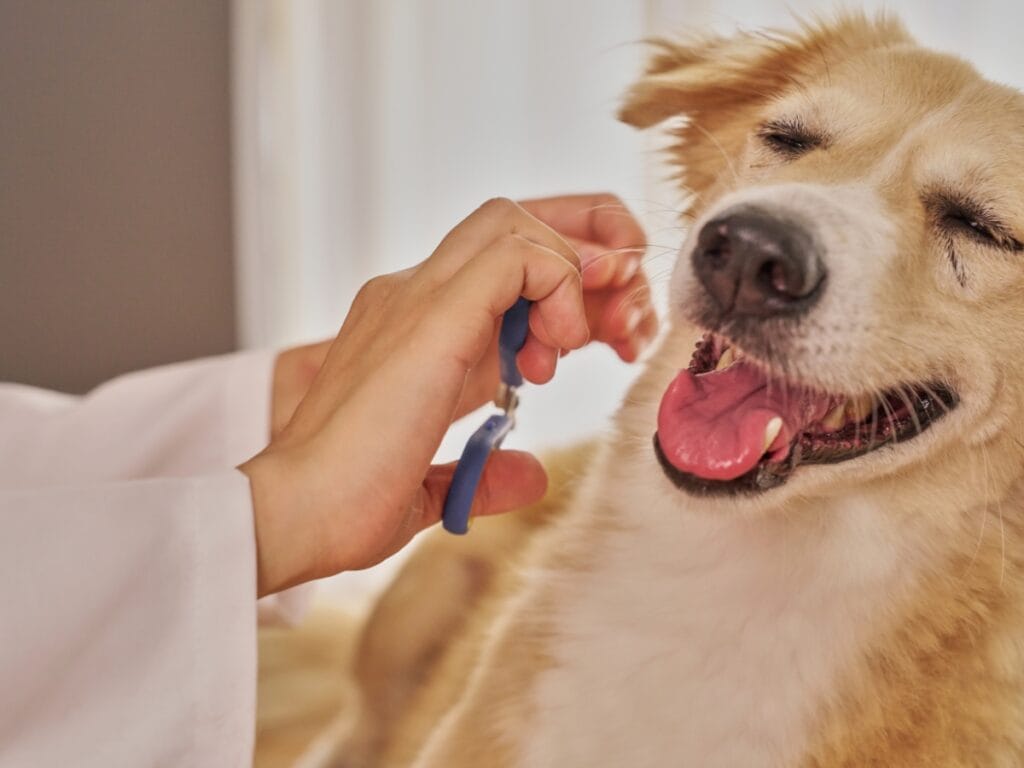
One of the most important dog grooming safety tips for new groomers is to pay attention to what the dog’s body is telling you. Most dogs show stress long before they growl or snap. You might notice the dog licking its lips when there is no food around, yawning repeatedly, or turning its head away from you. Ears may pin back, the tail may tuck or hang low, and the dog might start to pant heavily even though the room is not hot.
You may also see more subtle changes. A stressed dog might stiffen when you touch a certain area, freeze on the table, or start to shift its weight from paw to paw. Some dogs shake as if they are cold, even when they are not. Others try to climb into the corner of the tub or lean away from your hands. Learning to see these signs early gives you a chance to slow down, give a short break, or change what you are doing before the dog reaches a breaking point.
As you gain experience, you will notice patterns. Maybe a dog always starts to show stress when you bring the dryer near its head or when you trim nails. Knowing this helps you plan your groom in a way that is kinder and safer for that dog.
Recognizing Aggression Cues Before Things Escalate
Not every stressed dog becomes aggressive, but almost every aggressive moment starts with some kind of warning. Another key part of understanding canine body language is noticing those warnings. A dog that is close to biting often shows a stiff, tense body. The tail may stop wagging and stand straight or become very still. The eyes might look hard, with a fixed stare, and you may see more of the whites of the eyes than before.
You might also hear low growling, see the lips curl back, or notice the dog lifting a lip on one side. Some dogs snap in the air as a warning before actually making contact. Others shut down and go very still, which can be just as risky if you ignore it. A very still, frozen dog that is staring or looking away with a tight face can be one step away from reacting.
For your own safety and the dog’s, take these cues seriously. One of the most practical lessons you’ll learn when becoming a dog groomer is that a warning is a gift, not an annoyance. The dog is telling you, “I am not okay with this.” Your job is to listen and adjust instead of pushing harder.
Knowing When to Pause or Stop the Groom
There will be times when the safest choice is to change your plan. If a dog’s stress keeps rising, or aggression cues are getting stronger, it may be time to pause or even stop the groom for the day. This is not a failure. It is part of being a responsible professional.
You might start by taking a short break. Turn off loud tools, let the dog rest in a kennel or sit quietly with them for a few minutes, and then try again more slowly. Sometimes that is enough to reset their nerves. You can also change your approach, such as using a different tool, having a second person help steady the dog, or working on an easier area first.
If the dog is still highly stressed or is actively trying to bite, continuing the groom can be dangerous. In those moments, the best decision is often to stop. You can send the dog home with a partial groom and explain honestly to the owner what happened and what you were able to do safely. You might suggest shorter future visits, vet support, or desensitization work to help the dog adjust over time.
Understanding when to stop is one of the most important dog grooming safety tips you can learn. It protects the dog from a traumatic experience and protects you from injury. Over time, your ability to read canine body language and act on what you see will become one of your strongest tools in the grooming room.
Proper Handling and Restraint Techniques
Safe Lifting That Protects You and the Dog
Safe lifting is one of those skills that can save your back and keep dogs from getting hurt. Before you even touch the dog, take a second to plan. Check the table height, clear clutter, and decide where the dog will go. For small dogs, you can usually place one arm in front of the chest and the other supporting the rear, holding them close to your body as you lift. Keeping them close helps them feel more secure and less likely to wriggle.
Medium and large dogs need more thought. Whenever possible, guide them to step up a ramp or small stairs instead of lifting all their weight. If you do have to lift, bend your knees, not your back, and use your legs to stand. Place one arm around the chest and the other behind the rear, and lift in one smooth motion. If the dog is heavy, arthritic, or resisting, ask for help instead of trying to muscle through it alone. One of the most important dog grooming safety tips is to respect your own limits so you can keep working long term.
Pay attention to how the dog reacts when you start to lift. If they stiffen, panic, or twist away, stop and reset. Sometimes a small adjustment, like letting them sniff the table first or giving them a moment of calm petting, can make the lift easier and safer for both of you.
Using Grooming Loops Correctly
Grooming loops are there to prevent falls, not to hold a dog in place by force. A loop should be snug enough that the dog cannot back out of it, but loose enough that it does not dig into the neck or restrict breathing. A good rule of thumb is that you should be able to fit a couple of fingers between the loop and the dog’s neck.
Attach the loop to the grooming arm at a height that keeps the dog’s head in a comfortable, neutral position. If the loop is too high, the dog ends up stretched and uncomfortable. If it is too low, they can step over it or get tangled. Throughout the groom, keep checking the loop, especially if the dog turns, sits, or spins. Dogs move more than you think, and a loop that started out safe can become tight if you are not paying attention.
Never use the loop to “correct” a dog or yank them into position. That is not only unsafe, it also increases fear and resistance. If a dog is fighting the loop, it is a sign to pause, adjust your approach, or ask for help, not to tighten it more. Proper use of grooming loops is one of those quiet but essential dog grooming safety tips that keeps accidents from happening in the first place.
Preventing Escapes Before They Happen
Escapes are dangerous for dogs and groomers. A dog that jumps off a table, slips out a door, or bolts in the parking lot can be seriously injured. Preventing escapes starts with simple habits. Always close gates and doors behind you. Double-check that kennel latches are secure. When you move a dog between areas, use a leash or slip lead instead of relying on a collar alone.
On the table, make sure the grooming loop is attached and adjusted before you start working. Keep one hand or your body close enough to block the dog if they try to step off the edge. Do not leave a dog unattended on a high surface, even for “just a second.” If you need to step away, secure the dog in a safe, enclosed space like a kennel or a tub with non-slip footing.
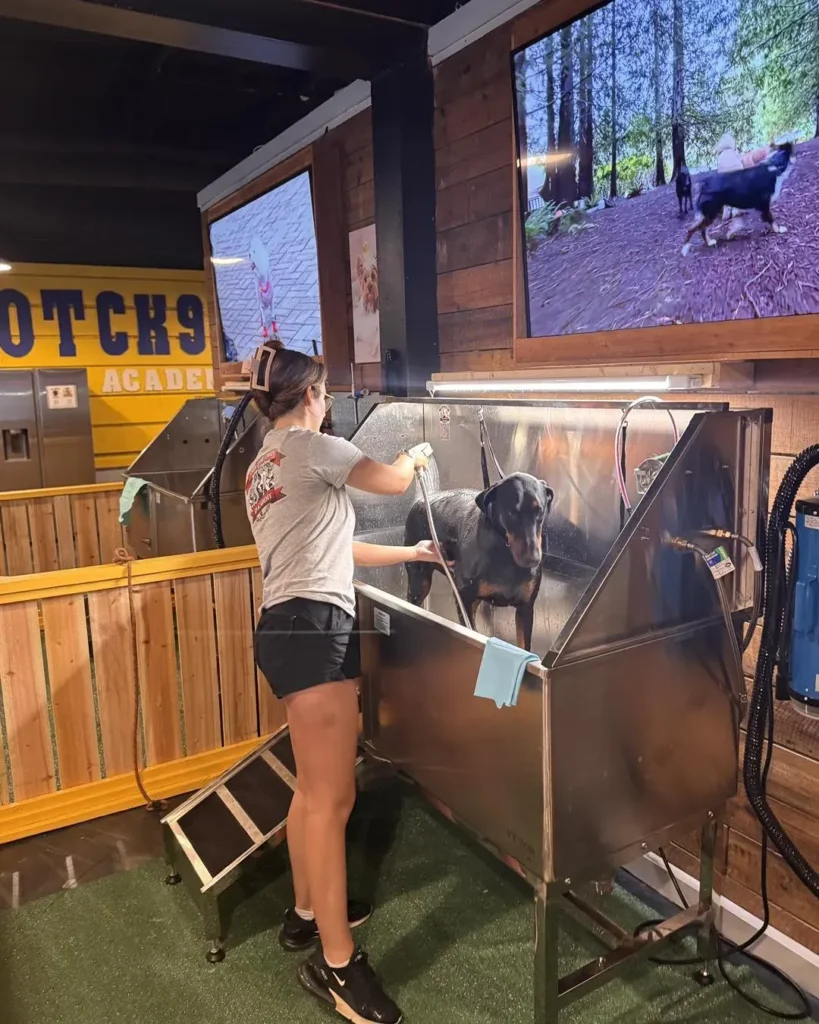
Tub safety matters too. Use non-slip mats so the dog feels stable, and keep a hand on them when they shift or turn. Sudden noises, like a dropped tool or a loud dryer, can startle a dog into trying to jump. Being close and ready helps you catch these moments before they become falls.
Finally, stay aware of your surroundings. If you are near an outside door, be extra careful during pick-up and drop-off times when people are coming and going. Communicate with coworkers so someone always knows when a dog is being moved. Small habits like these might not feel dramatic, but they are at the heart of smart dog grooming safety tips. They prevent injuries, build trust with clients, and let you focus on the groom instead of constant emergencies.
Safe Use of Grooming Tools
Clippers
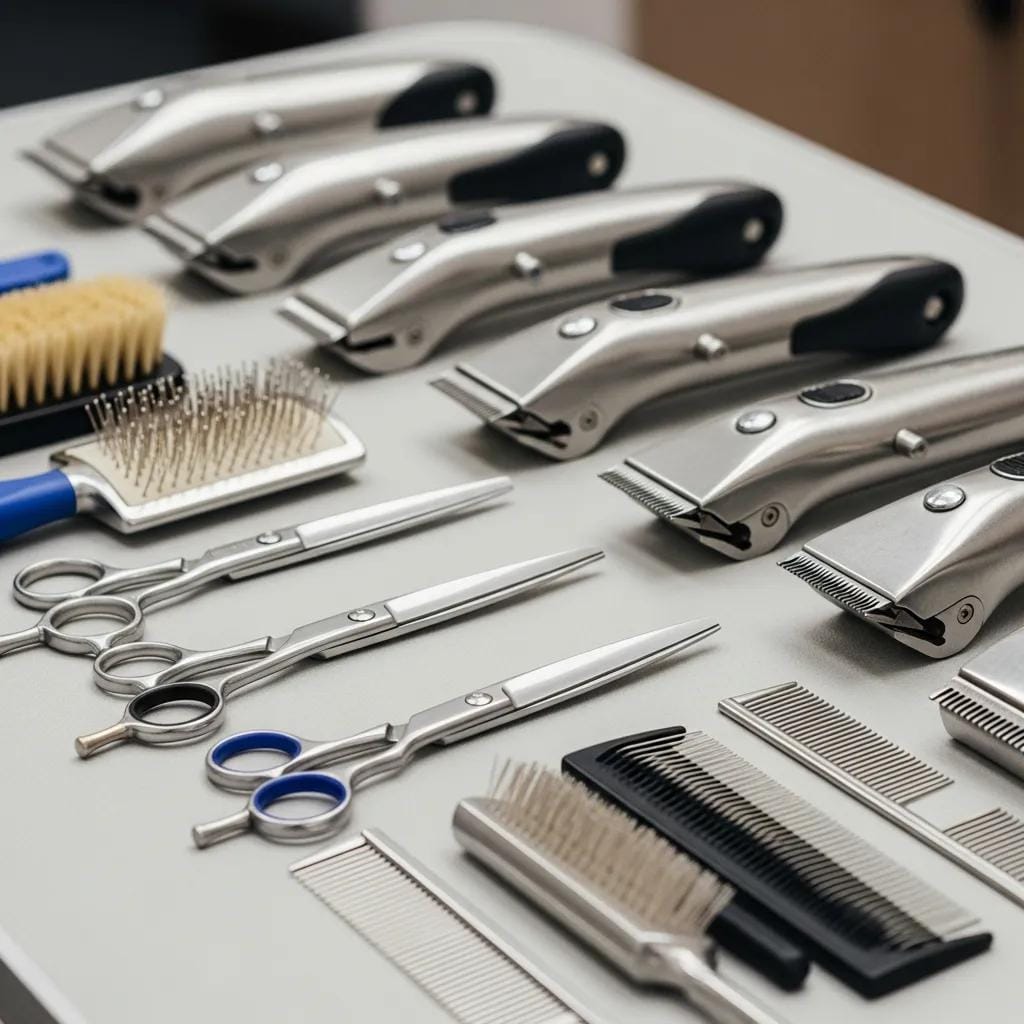
Clippers are one of your main tools, which is why they are also at the center of many dog grooming safety tips. Start by getting comfortable with how your clippers feel and sound before they ever touch a dog. Let the dog sniff them while they are turned off, then turn them on at a distance so the dog can adjust to the vibration and noise. Rushing this step can make a nervous dog even more reactive once the blades touch their coat.
Always check blade temperature with the back of your hand every few minutes. Blades heat up quickly, especially on thick coats, and hot metal on skin can cause clipper burn. If the blade feels warm, stop and switch to a cool blade or use a spray made to reduce heat. Never push through just because you want to finish faster. Protecting the dog’s skin is more important than shaving a few minutes off the groom.
Use light, steady pressure and move with the direction of the coat unless you have a good reason not to. Heavy pressure digs into the skin and increases the risk of nicks, especially in thin-skinned areas like armpits, bellies, and around the groin. Keep your non-dominant hand on the dog so you always know where their skin is, even if they shift suddenly. This simple habit is one of the most effective dog grooming safety tips you can build.
Shears
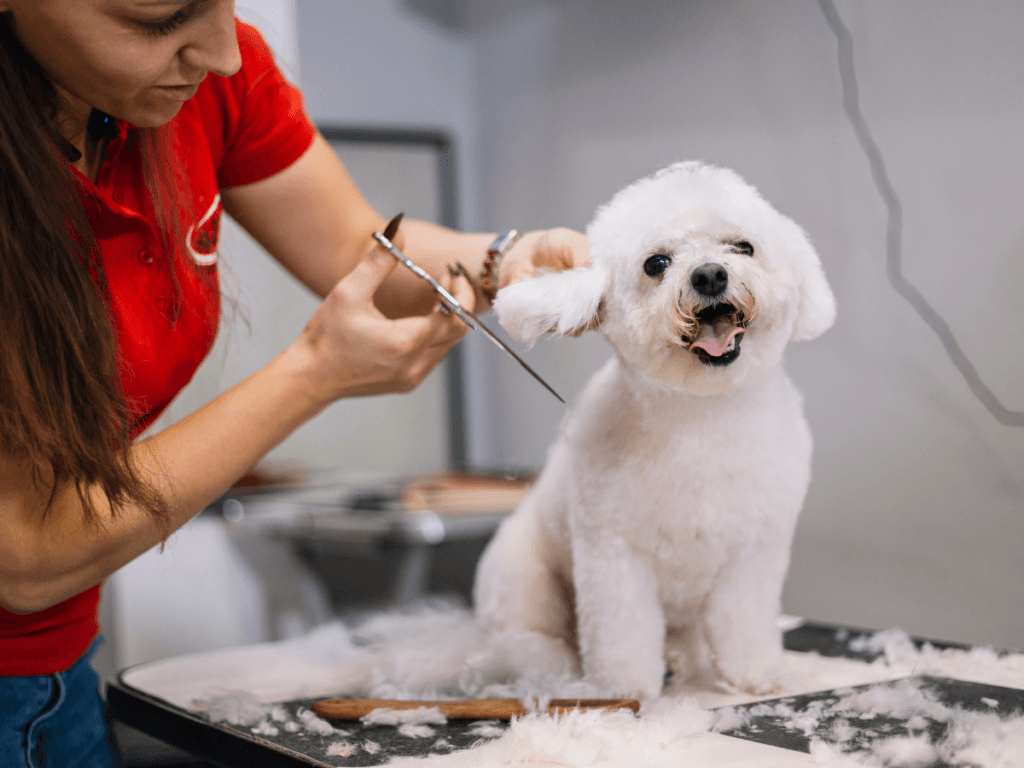
Shears give you control and detail, but they also bring more risk if you are careless. Always keep your shears sharp and clean. Dull blades force you to work harder, which can lead to slips and uneven cuts. When you are working near the skin, use your comb as a guard. Lift the hair with the comb and cut on the outside of the comb instead of directly against the skin. That extra buffer can prevent accidental snips.
Pay attention to how you hold and move your shears. Your hand should feel stable, not tense. Most of the motion should come from your fingers, not your whole arm. When you are near sensitive areas like ears, eyes, and paws, slow down and shorten your strokes. Small, controlled snips are safer than long, sweeping cuts, especially if the dog is wiggly or ticklish.
Never point shears at the dog’s skin when you are not actively cutting. If you need to pause, close the blades and angle them away from the body or set them down completely. Do not walk around the salon with open shears in your hand. It seems obvious, but on a busy day it is easy to forget. Safe habits like this are quiet dog grooming safety tips that prevent serious accidents.
Nail Grinders
Nail grinders can be a safer alternative to clippers for some dogs, but only if you use them correctly. Start by letting the dog hear and smell the grinder before you touch their nails. Many dogs are nervous about the vibration and sound, so move slowly. Gently hold a paw and tap the grinder to one nail for just a second, then give a break. Over time, you can increase how long you grind each nail as the dog relaxes.
Use short, light passes instead of holding the grinder in one spot. Staying in one place for too long can create heat and discomfort. Aim for the tip of the nail and work your way back, watching closely for the quick, especially on lighter nails where you can see it. On dark nails, take off a little at a time and stop if the dog reacts or the center of the nail starts to look softer and more chalky.
Keep hair and skin safely out of the way. For long-haired dogs, hold back fur with your fingers or use a small nylon stocking with holes for the nails to poke through so hair does not get caught in the grinder. Always keep your grip gentle but firm enough that the paw does not slip. If a dog is fighting hard or trying to pull away, stop and reset rather than forcing it. Respecting the dog’s limits is one of the most important dog grooming safety tips, especially when you are using tools that spin, cut, or grind.
Preventing Groomer Injuries
Ergonomics in the Grooming Room
When people talk about dog grooming safety tips, they usually focus on the dog. But your own body needs protection too. Grooming is physical work, and if you ignore ergonomics, you can end up sore, exhausted, or even injured enough to miss work. Good ergonomics simply means setting up your space and your habits so your body is not fighting against you all day.
Start with the table and tub height. Your work surface should be high enough that you are not constantly bending at the waist, but low enough that you are not lifting your shoulders toward your ears. Aim for a height where your elbows can stay close to a 90-degree angle while you work. If your table is adjustable, change the height for different dogs instead of trying to make one position work for everyone.
Footing matters too. Standing on hard floors for hours can leave your legs and lower back aching. Anti-fatigue mats and supportive, closed-toe shoes with good grip are small changes that make a big difference. They help absorb impact and keep you steadier when dogs shift or pull. You are less likely to slip, twist, or strain something when your feet are supported.
Pay attention to how you move around the dog. Try to walk around the table instead of twisting your spine to reach the other side. Keep tools within easy reach so you are not stretching or leaning every few minutes. Short, frequent adjustments, like changing your stance or shifting your weight from one leg to the other, keep your body from getting locked into one uncomfortable position for too long.
Protecting Your Back and Wrists
Your back and wrists do a lot of work in grooming, which is why they need special care. Safe lifting is a core part of back safety. Bend your knees, keep dogs close to your body, and avoid sudden jerking motions. If a dog is too heavy or unsteady, ask for help or use a ramp instead of lifting alone. No groom is worth a back injury. One of the most important dog grooming safety tips is to respect your limits, even when the day is busy.
Your posture at the table also affects your back. Try not to lean over the dog for long stretches. Bring the dog closer to you by adjusting the table height or their position, rather than folding your spine into a curve. Think about keeping your shoulders relaxed, your chest open, and your core lightly engaged. These small posture cues can reduce strain more than you might expect.
Wrist safety often comes down to grip and repetition. Holding clippers, shears, and brushes tightly for hours can lead to pain, numbness, or long-term issues like carpal tunnel. Aim for a relaxed, neutral grip where your wrist stays in line with your forearm instead of bent up or down. If you notice your hand cramping, that is your cue to loosen your grip, stretch your fingers, or take a short break.
Switching tasks and tools can also help. If you have been clipping for a long time, move to brushing or scissoring for a bit, then come back. Alternating motions use different muscles and give tired areas a chance to recover. Some groomers find that using lighter tools, swivel-thumb shears, or clipper grips makes it easier to maintain a neutral wrist position throughout the day.
Finally, listen to early warning signs. Tingling fingers, sharp wrist pain, or a back that hurts every night are not “just part of the job.” They are signals that something needs to change in how you work. Adjusting your setup and habits early is far easier than recovering from a serious injury later. Remember that dog grooming safety tips apply to you as much as they apply to the dogs on your table. Taking care of your own body is what allows you to keep grooming well for years to come.
Bathing and Drying Safety
Getting Water Temperature Right
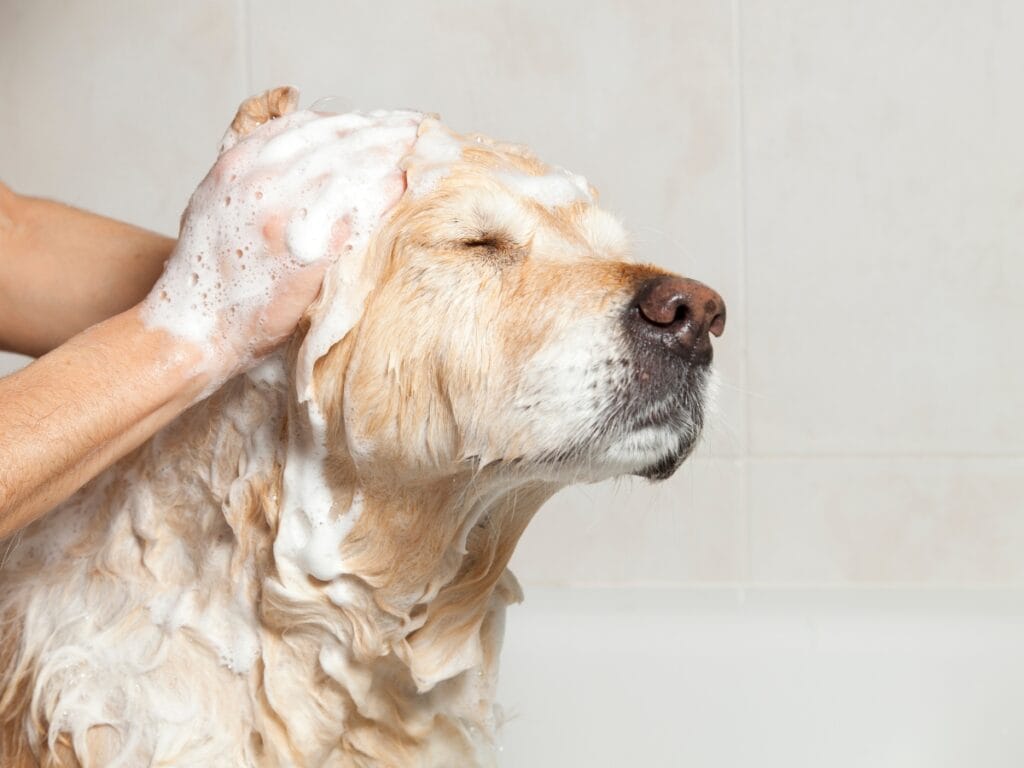
Bath time looks simple from the outside, but it is a place where small mistakes can cause real problems. One of the most important dog grooming safety tips is to always check your water temperature before a dog’s paws ever touch the tub. Aim for lukewarm water, similar to what you would use for a baby. If it feels hot on your skin, it is too hot for a dog.
Hot water can cause discomfort or even mild burns, especially on sensitive areas like the belly, groin, and inside of the legs. Cold water is not a good idea either. It can shock the dog’s system, make them tense up, and increase stress, especially in small or short-haired breeds. Take a moment at the start of each bath to run the water over your wrist or inner forearm and adjust until it feels comfortably warm, not hot.
You also want to think about how long the dog is in the tub. Even if the temperature is right at first, standing in water that cools down can make some dogs shiver and feel anxious. Work with a steady, efficient rhythm. Wet, lather, rinse, then get them out and dried as soon as you can without rushing. Keeping the tub floor non-slip with a mat also helps the dog feel more secure, which reduces scrambling and the risk of falls.
If you are grooming in a busy salon where people adjust the taps often, make it a habit to re-check the temperature every time you turn the water back on. Never assume it is the same as last time. Simple checks like this are quiet but powerful dog grooming safety tips that keep dogs safe and help them build positive associations with bath time.
Handling Dryer Anxiety in Dogs
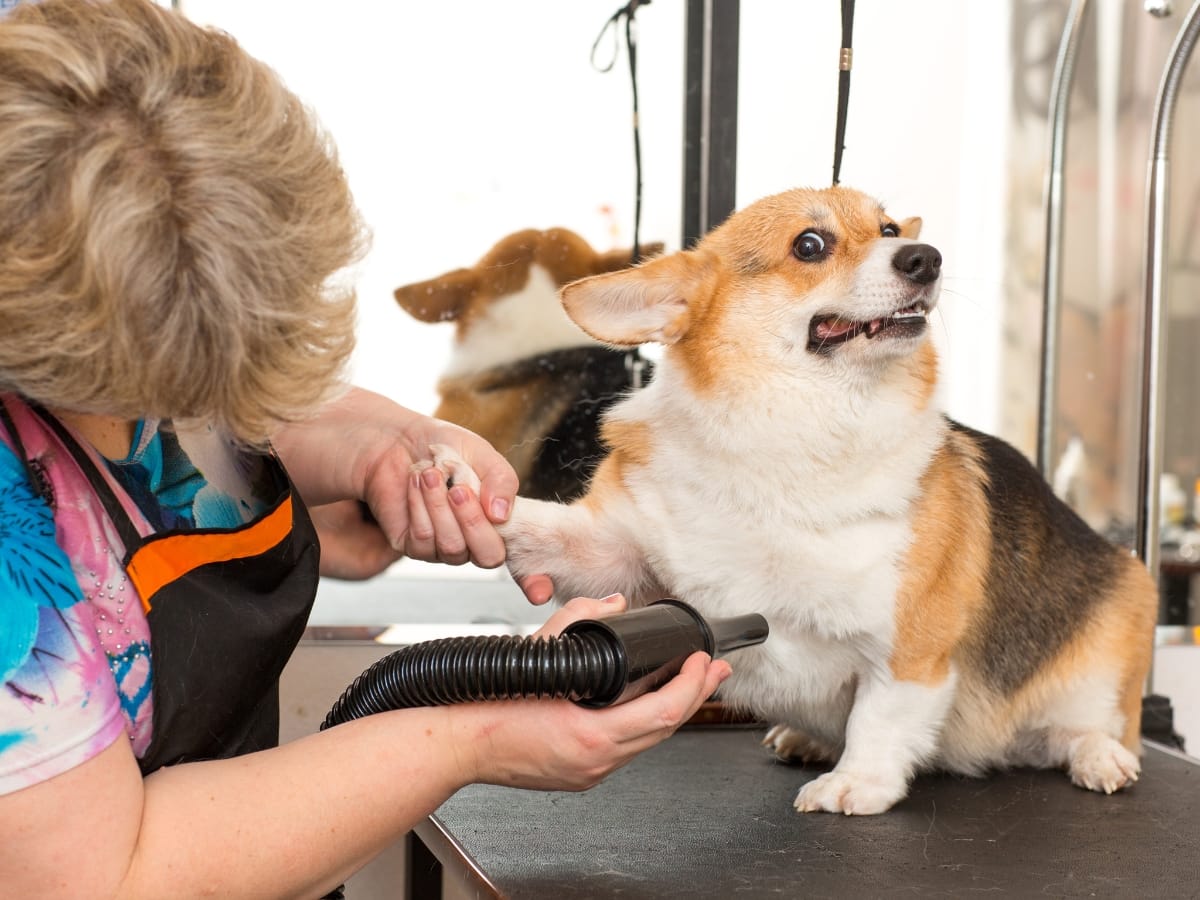
Dryers can turn a calm dog into a nervous one very quickly. The combination of noise, vibration, and airflow is a lot for many dogs, especially those who have never been dried with professional equipment before. A key part of bathing and drying safety is learning how to read dryer anxiety and respond in a way that keeps the dog safe and the experience manageable.
Start slow. Let the dog hear the dryer from a distance before you point it at their body. You can turn it on across the room, reward calm behavior with gentle praise, then gradually move closer. When you first bring the dryer to the dog, begin at the back or hindquarters instead of the head. Working from the rear toward the front is usually less overwhelming. Avoid blasting air directly into the face, ears, or eyes.
Watch for signs of rising anxiety. A dog that starts to shake, pant hard, flinch away from the airflow, or scramble on the table is telling you it is too much. In those moments, one of the most useful dog grooming safety tips is to turn the dryer down a setting or switch to a different type of dryer if you can. Some dogs do better with a quieter stand dryer or towel drying followed by a shorter, gentle blow-out.
Never restrain a panicking dog tightly while keeping a high-powered dryer on them. That is how dryer fear becomes dryer trauma. Instead, pause, let the dog regroup, and adjust your plan. You might need to dry in shorter bursts with breaks in between. For very anxious dogs, you may accept a “good enough” dry, especially if the weather and coat type make it safe to send them home slightly damp in non-problem areas.
Throughout the process, keep your own energy calm and steady. Dogs pick up on your mood. A relaxed, patient groomer helps a dog feel safer than someone who is clearly frustrated or rushing. Over time, many dogs can learn to tolerate or even accept the dryer when it is introduced gently and used with their comfort in mind. That balance between getting the coat properly dry and protecting the dog’s emotional and physical safety is at the heart of smart bathing and drying practices.
Protecting Dogs With Sensitive Skin or Medical Needs
Working Safely With Allergies
Some dogs have skin that reacts to almost anything. As a new groomer, one of the most important dog grooming safety tips is to never assume every dog can handle the same shampoo or product. If a client mentions allergies, take it seriously. Ask what the dog reacts to, whether they have had trouble with grooming products before, and if their vet has recommended certain ingredients to avoid.
Use gentle, hypoallergenic, or fragrance-free products whenever you are unsure. If the owner brings a vet-approved shampoo, use that instead of your usual brands. For very sensitive dogs, you can do a small “patch test” on a limited area, rinse well, and wait a few minutes to see if there is redness or itching before you lather the whole body. Rinse extra thoroughly and avoid leaving any product on the skin longer than needed.
After the groom, let the owner know what you used and if you noticed any redness, scratching, or unusual reactions. Clear communication is part of safe grooming, especially when allergies are involved.
Grooming Around Injuries and Medical Conditions
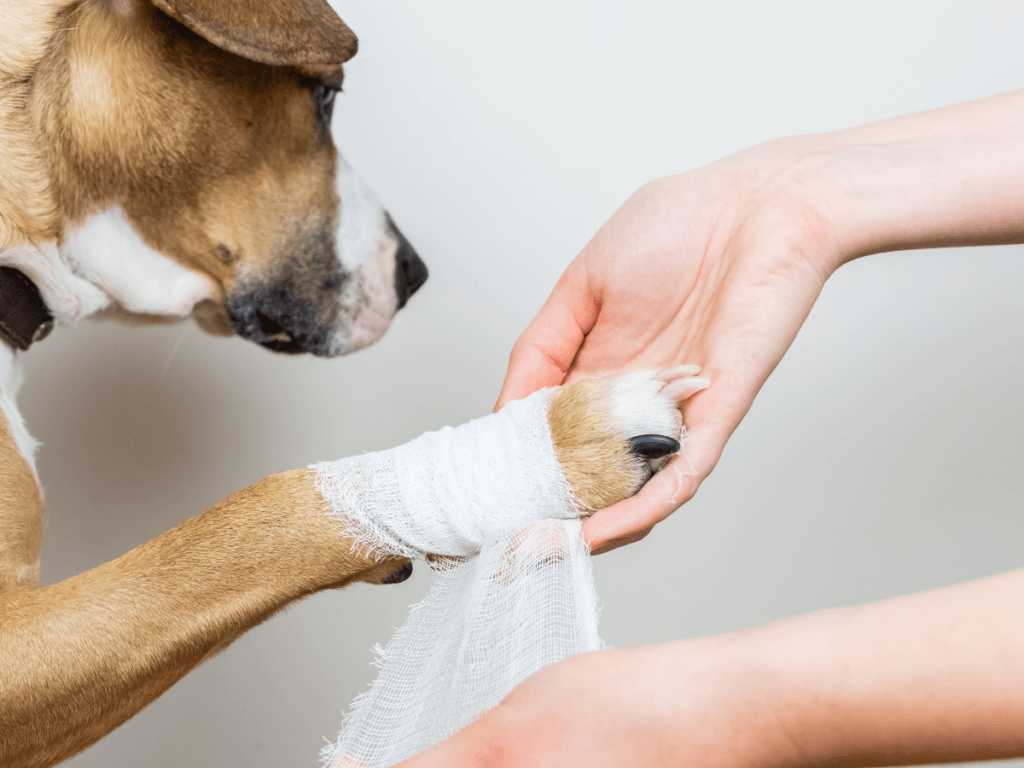
Dogs come in with all kinds of medical needs. You may see dogs with stitches, hot spots, skin infections, recent surgeries, or chronic conditions like arthritis. One of the smartest dog grooming safety tips is to ask about health issues at check-in and write them down so you do not forget once the groom starts.
Be extra gentle around any injured or sensitive areas. If a dog has a sore hip, recent surgery, or joint pain, avoid forcing them into positions that put pressure on that spot. Use slower, shorter sessions for standing work, or groom part of the dog lying down if needed. If the skin is broken, inflamed, or has active infection, do not scrub or clip directly over it unless the vet and owner have given specific instructions. Sometimes the safest choice is to leave that area alone and explain why.
When in doubt, pause and ask the owner or, if possible, the vet for guidance. It is better to send a dog home with a slightly imperfect groom than to make a medical problem worse.
Extra Care for Senior Dogs
Senior dogs often need the same grooming as younger dogs, but their bodies and nervous systems handle stress very differently. They may have weak back legs, poor balance, sore joints, or hearing and vision loss. That is why caring for seniors is a big part of thoughtful dog grooming safety tips.
With older dogs, keep sessions calm and efficient. Do not rush, but do not let them stand for long stretches either. Use non-slip mats, lower table heights, and gentle handling when lifting or turning them. Offer more breaks so they can sit or lie down for parts of the groom, especially for long or complicated trims.
Watch for signs of fatigue or distress, like heavy panting, trembling, or sudden weakness. If an older dog seems to be fading, it may be time to shorten the groom and focus on comfort over perfection. Talk with the owner about realistic goals, such as keeping the dog clean, brushed, and comfortable, rather than aiming for a perfect show-style cut every time.
Protecting dogs with sensitive skin, medical issues, or senior bodies is part of being a responsible groomer. When you adapt your routine to their needs, you are not only following good dog grooming safety tips, but you are also building trust with both the dog and their owner.
How Grooming School Teaches Safe Techniques
Instructor Supervision From Day One
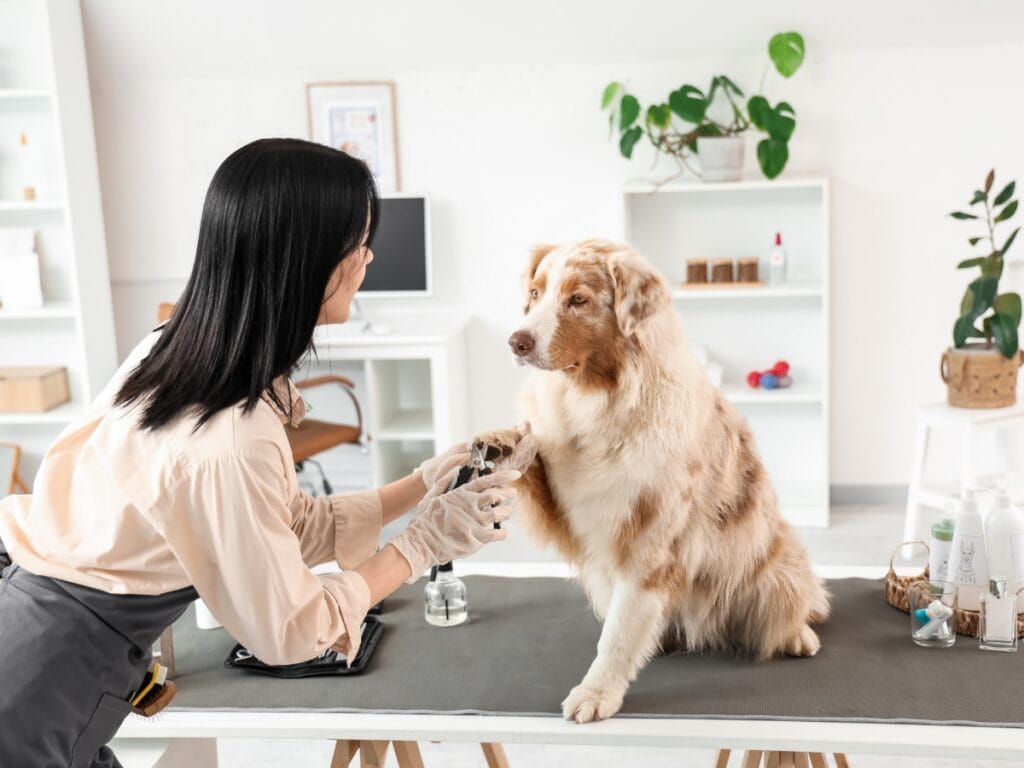
In a good grooming school, you are not left to figure things out on your own. From the first day, instructors are close by, watching how you handle dogs, tools, and tricky situations. This kind of supervision is one of the most important “built-in” dog grooming safety tips—and it’s also a key part of preparing you for real dog grooming certification standards. It means you get corrected early, before unsafe habits have a chance to stick.
At first, you might feel like someone is always looking over your shoulder. Instructors will remind you to adjust your loop, lower your table, move your hand, or change how you lift a dog. They point out when a blade feels too hot, when your scissors are angled too close to the skin, or when a dog’s body language says it needs a break. It can be a lot of feedback, but that is how your safety skills grow as fast as your grooming skills—essential for anyone working toward professional dog grooming certification.
You also see instructors model calm behavior. When a dog panics in the tub or growls on the table, they do not explode or rush. They slow down, change their approach, and explain what they are doing. Watching that in real time shows you what safe, professional handling actually looks like, not just what it sounds like in a classroom.
Over time, supervision shifts from constant correction to small adjustments. Instructors still check your work, but they step back more and let you put the dog grooming safety tips you have learned into practice. That gradual change is a sign that they trust your judgment more—and that you are becoming ready for real salon work and the professional expectations that come with earning a dog grooming certification.
Progressive Skill-Building, Not “Sink or Swim”
Grooming school is usually set up to build skills in layers. You do not start with a complex, full-body pattern on a nervous dog. Instead, you begin with basic, lower-risk tasks, then slowly add more challenging techniques as your control and safety awareness improve. This progressive structure is another way schools teach safe techniques without throwing you into “sink or swim” situations.
In the beginning, you might only bathe and dry dogs while instructors handle clipping and scissoring. During that stage, you are practicing water temperature checks, tub safety, non-slip footing, and gentle handling. You also learn to towel dry and use dryers while watching for signs of anxiety. You are building a safety-first mindset before sharp tools even enter the picture.
Next, you add simple tasks like brushing, combing, basic nail trims, and light sanitary trims under very close supervision. Instructors help you position dogs, control your tools, and recognize when a dog’s stress is climbing. Only after you show that you can stay aware and calm with these jobs do you move on to more advanced work, like full-body clipping and detailed scissoring.
As you progress, the dogs you work on may also become more challenging. You might start with easygoing dogs that tolerate almost anything, then slowly work with shyer, more sensitive, or higher-energy dogs. Each step gives you practice using the dog grooming safety tips you learned earlier, like reading body language, using safe restraint, and knowing when to pause or stop.
By the end of grooming school, you have not just memorized a list of safety rules. You have used them repeatedly, with real dogs, in real situations, while a professional watched and coached you through mistakes. That combination of instructor supervision and step-by-step skill building is what turns safety from an idea into a habit you carry into every groom you do.
Frequently Asked Questions
What should new groomers know about handling aggressive dogs?
Aggressive dogs require extra caution and a clear plan. Always assess behavior and stress signals before you start. Use appropriate restraint tools — muzzles when needed — and consider working with a more experienced groomer for difficult cases. Have a step-by-step strategy for keeping people and the animal safe, and make sure you’re trained in behavior assessment and emergency protocols before attempting higher-risk work.
How can groomers ensure their workspace is safe and organized?
A tidy, organized workspace prevents many accidents. Store tools properly, clear hair and cords from walkways, and use non-slip mats where you work. Assign spots for each tool, perform daily equipment checks, and keep pathways marked and clutter-free. Small habits, like putting tools back after use, pay off in fewer trips, falls, and mistakes.
What are the signs of stress in dogs during grooming?
Common stress signals include panting, excessive licking, yawning, and a tucked tail; more serious warnings are growling, snapping, or repeated escape attempts. Train to spot these cues early so you can pause, change technique, or use calming measures. Recognizing stress makes grooming safer and more pleasant for the dog and the handler.
What should groomers do if they experience an injury while grooming?
If you’re injured, stop the procedure and assess the wound. For minor cuts, clean, apply pressure to stop bleeding, and use an antiseptic. For deep lacerations, bites, or severe injuries, seek medical attention right away. Document the incident, review what happened with your team, and update protocols to prevent a repeat. Regular first-aid training prepares staff to respond quickly and correctly.
How can groomers manage their physical well-being to prevent injuries?
Protect your body by using ergonomic tools and setups, taking regular micro-breaks, and practicing proper lifting mechanics. Use height-adjustable tables, keep tools within easy reach, and alternate tasks to avoid repetitive strain. Stretching during breaks and rotating duties among staff helps prevent long-term injuries.
What role does client communication play in grooming safety?
Clear communication with clients is essential. Ask about the dog’s history, previous grooming reactions, and any health concerns before you begin. Share any stress signals you observe and explain your plan if extra restraint or a veterinary referral is needed. Good communication builds trust, reduces surprises, and helps you tailor the session for safety and success.
Key Takeaways: Building a Safe Dog Grooming Career
Mastering essential safety protocols is the foundation of a responsible and successful dog grooming career. From proper restraint techniques to recognizing stress signals in pets, these skills protect both you and your furry clients, building trust and ensuring a positive experience. At OTCK9 Grooming School, we prioritize safety in every lesson, providing hands-on training that prepares you for real-world scenarios with confidence. Interested in professional grooming training? View our admissions process on our website today!Call 470-600-1073 or fill out our online form with any questions you might have. Let us equip you with the knowledge and skills to build a safe, thriving grooming business.