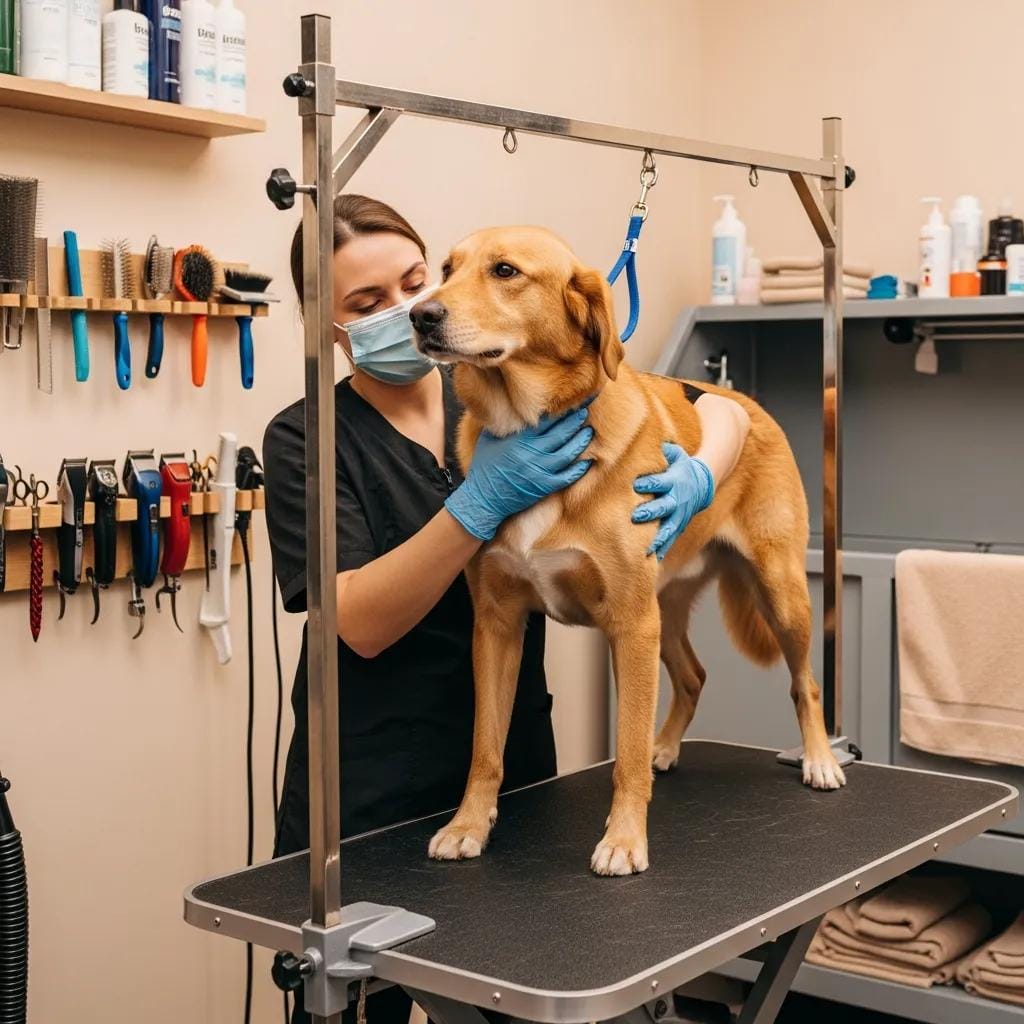
Implementing essential safety protocols is the non-negotiable foundation of professional pet grooming, ensuring the well-being of the animal, the groomer, and the integrity of the business. From secure restraint techniques and recognizing stress signals to maintaining sanitized equipment and preventing common accidents, a proactive safety-first approach minimizes risks and builds client trust.
This guide outlines the critical safety practices every groomer must master, creating a calm, controlled, and hazard-free environment for every grooming session.
Pet Grooming Safety Protocols That Reduce Stress and Injury
What Are the Key Pet Grooming Safety Protocols Every Groomer Should Follow?
Safety protocols are the practical steps that keep grooming sessions controlled, calm, and predictable. They protect pets from preventable injuries and protect staff from bites, scratches, and strain. In a grooming setting, small mistakes can escalate quickly, especially when an animal is nervous, wiggly, or in pain. That is why consistent safety protocols matter just as much as grooming skill.
At a basic level, strong safety protocols cover safe handling, equipment checks, sanitation, and clear plans for what to do when something goes wrong. They also include communication, like noting medical issues, behavior flags, and handling preferences before the groom begins. When these habits are part of the daily routine, grooming becomes safer for everyone and less stressful for the pet.
How Does Safe Animal Handling Prevent Injuries During Grooming?
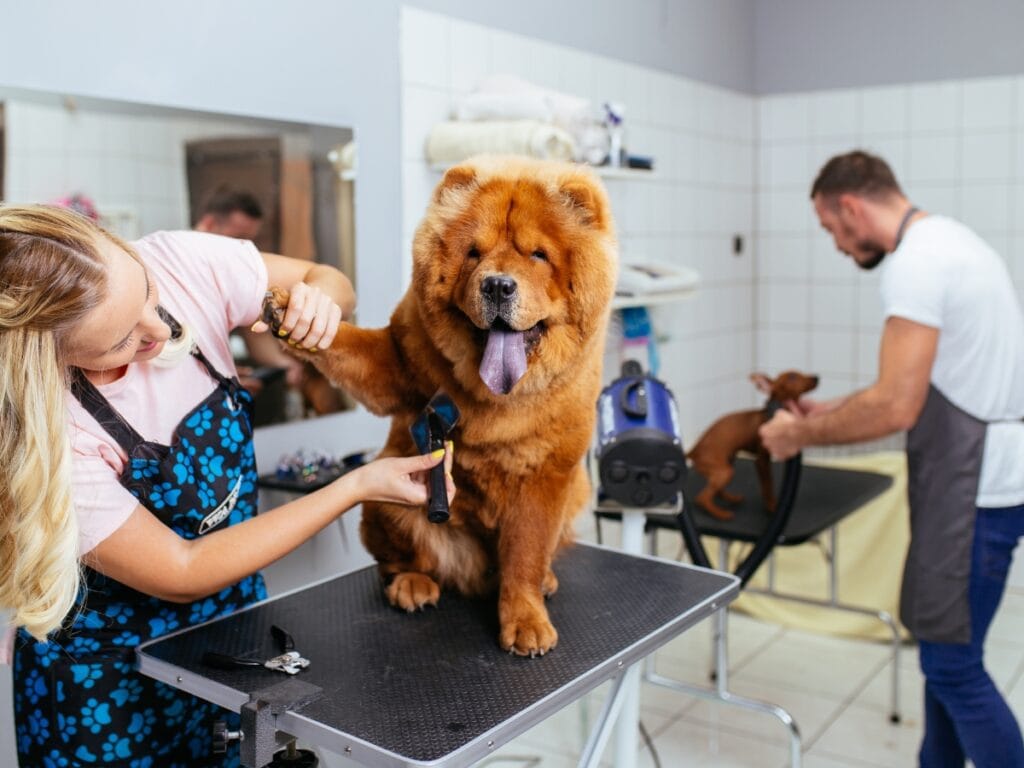
Safe handling is the foundation of grooming safety protocols because it reduces panic and limits sudden movement. A calm approach starts before the pet is even on the table. Move slowly, speak in a steady tone, and give the animal a moment to orient. Once grooming begins, use gentle restraint that supports safety without creating fear. A properly fitted grooming loop or harness can prevent falls and sudden jumps, but it should never be used as a substitute for active supervision.
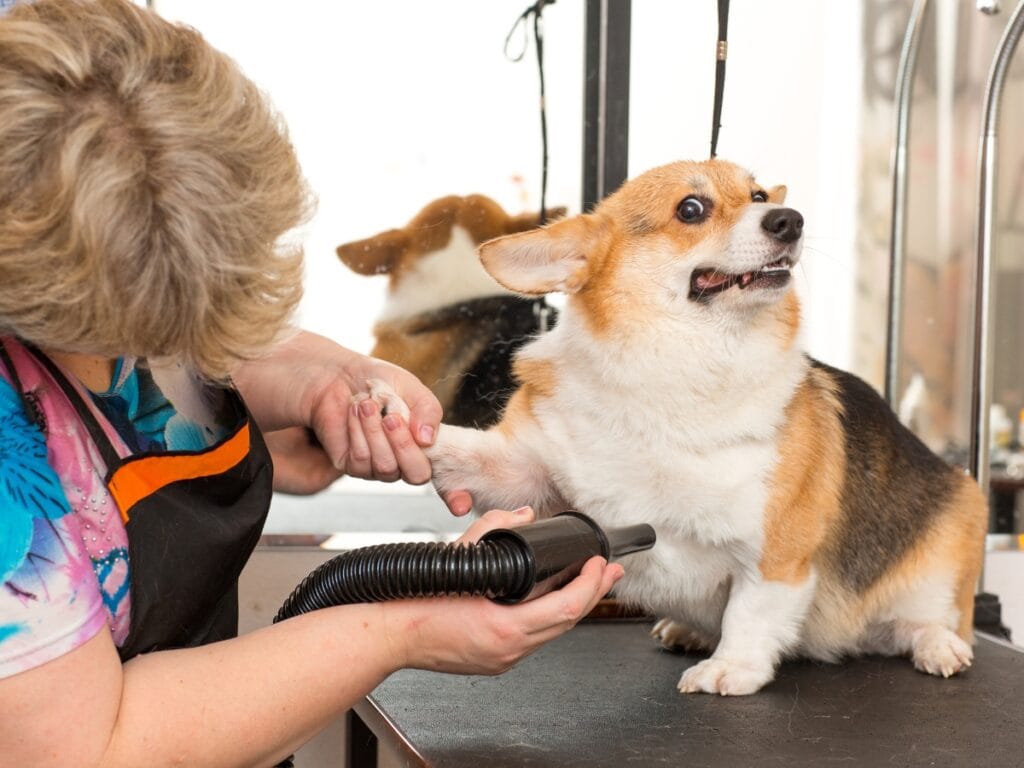
Reading body language is also part of safe handling. Stress signals like stiff posture, lip licking, whale eye, trembling, tucked tail, or sudden stillness often show up before a snap or escape attempt. When you notice those cues, pause and reassess. Sometimes slowing down, switching techniques, or taking a short break is enough to reset the moment. For pets that are fearful or reactive, it may be safer to groom in shorter sessions, use additional support from a second staff member, or adjust the service to avoid pushing the animal past its limits.
Safe handling also protects groomers. Keeping hands positioned thoughtfully, avoiding face-to-face pressure, and using controlled movements during sensitive steps like nail trimming or mat removal can reduce the chances of defensive bites and scratches. These habits are simple, but they are the difference between a smooth appointment and an incident.
What Are The Best Practices For Grooming Tool Safety And Maintenance?
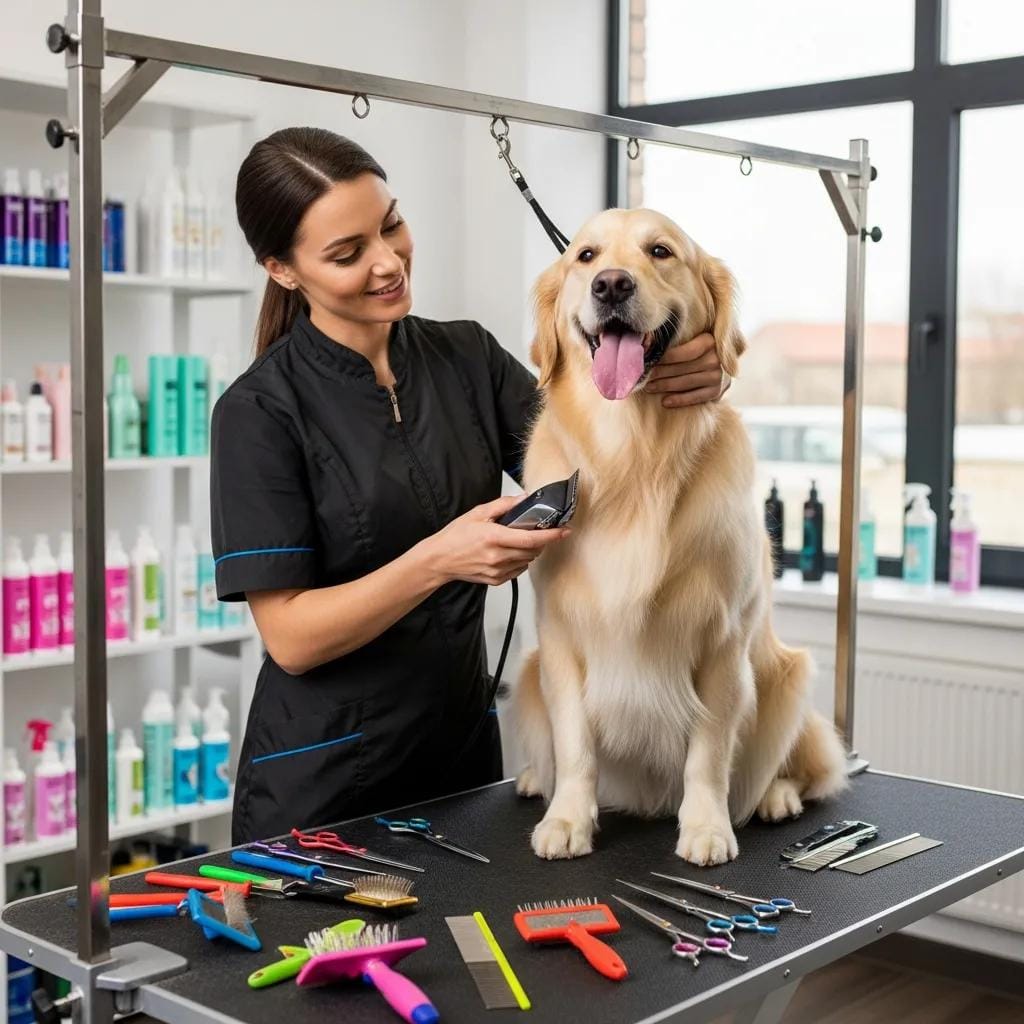
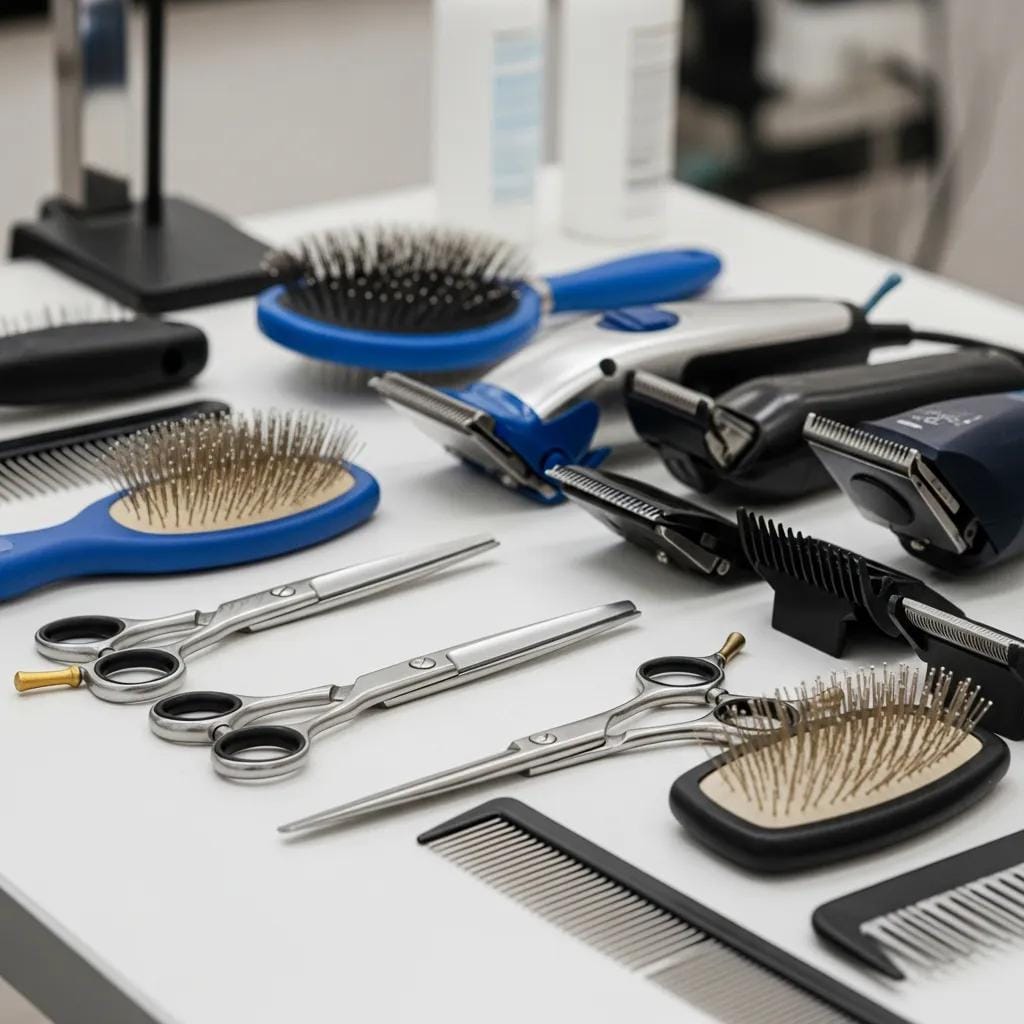
Tool safety is another core part of grooming safety protocols because dull, damaged, or overheated tools increase injury risk. Clippers should be checked regularly for blade heat, proper oiling, and smooth operation. A blade that is too hot can burn skin quickly, especially on thin-coated areas. Scissors should be sharp, clean, and used with controlled, deliberate movements. When tools are dull, groomers tend to apply more pressure, which increases the risk of snagging skin or slipping.
Daily inspection should be routine. Look for loose parts, cracked comb attachments, frayed cords, or anything that could fail mid-groom. Electrical safety matters too. Keep cords out of walkways, avoid overloading outlets, and store tools in a dry, secure area where pets cannot reach them. Clean and disinfect tools between pets to reduce cross-contamination, and follow clear cleaning routines for tubs, tables, and high-touch surfaces.
Training ties all of this together. Even great tools become unsafe if they are used incorrectly. Every team member should know proper clipper angles, safe scissoring techniques, and how to handle a pet that suddenly shifts or pulls away. When safety protocols are trained, practiced, and reinforced, the grooming environment becomes safer, more professional, and easier for pets to tolerate.
Essential Safety Protocols Every Pet Groomer Should Master
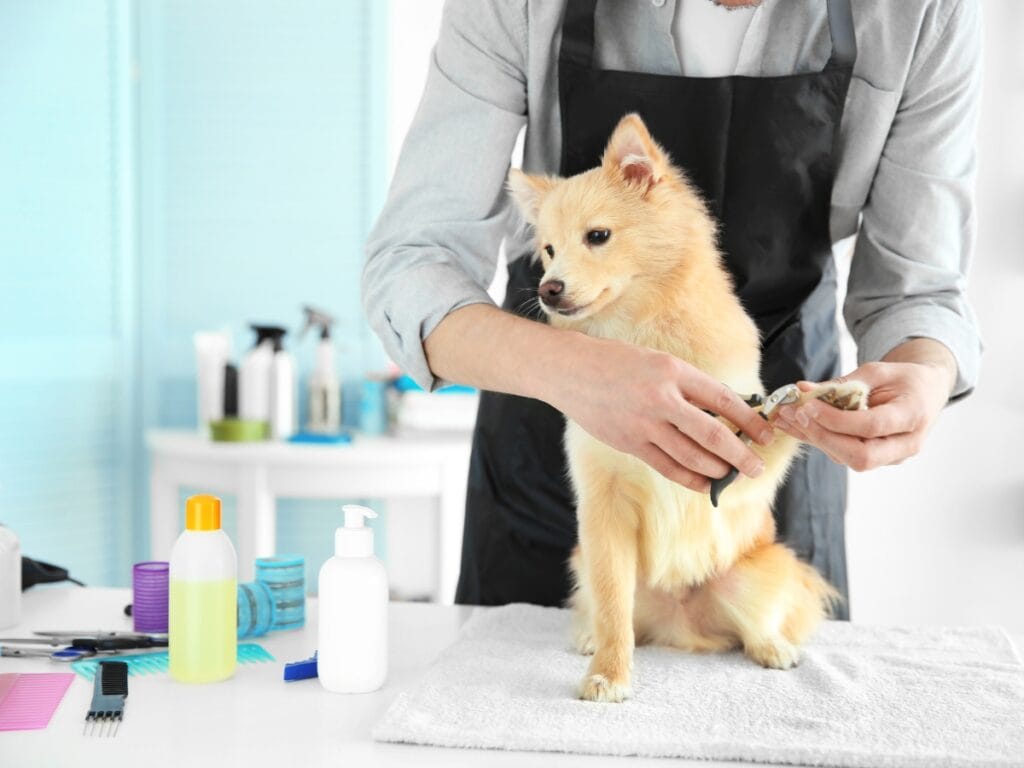
Strong salon hygiene is not just about keeping things looking clean. It is a core part of safety protocols because it helps prevent infections, reduces odors, and makes the salon feel trustworthy to clients. In a grooming environment, tools and surfaces come into contact with skin, fur, saliva, and sometimes small amounts of blood from nail trims. If cleaning is inconsistent, pathogens can move from one pet to the next through shared equipment or contaminated work areas.
Effective sanitation standards come from consistency, not complexity. Disinfecting between pets, laundering towels regularly, and sticking to a routine that covers daily, weekly, and monthly tasks helps prevent missed steps. It also creates a safer workflow for staff because the work area stays predictable and easy to manage. When selecting products, many salons choose EPA-registered disinfectants and follow label instructions closely, especially for dilution and contact time, since a disinfectant that is wiped off too quickly may not work as intended.
Which Disinfection Protocols Reduce The Risk Of Zoonotic Diseases?
Disinfection is most effective when it happens in the right order. Start by cleaning away visible dirt, hair, and product residue, because disinfectants work best on clean surfaces. After that, apply the disinfectant and allow it to sit for the full contact time listed on the label. This matters in grooming settings because equipment and surfaces are used frequently, and quick wipe-downs can create a false sense of security if the product does not have time to do its job.
Tools that touch skin need extra attention. Clippers, combs, brushes, and nail tools should be cleaned and disinfected between animals to reduce cross-contamination. It also helps to separate “clean” and “used” tools during the day so staff do not accidentally reuse something that has not been sanitized. Hand hygiene is part of this too. Washing hands between pets or using a sanitizer when appropriate helps reduce spread, especially when handling ears, mouths, or any area with broken skin.
Strict disinfection routines are a key part of safety protocols because they lower the chances of pathogens moving through shared grooming equipment. Over time, consistent cleaning protects pets, protects staff, and reduces the likelihood of outbreaks that can damage a salon’s reputation.
How Should Grooming Workspaces Be Organized For Maximum Safety?
Organization supports sanitation and reduces accidents, which is why it belongs in any set of safety protocols. A clean workspace is harder to maintain when supplies are scattered, cords are tangled, and tools are left on open surfaces. Keeping the layout consistent helps staff move efficiently without rushing, and rushing is when mistakes happen.
Start with tool placement. Frequently used items should be within reach, but stored in a way that prevents pets from knocking them off the table. Sharp tools should have a designated storage spot, and cords should be managed so they do not create tripping hazards or snag on pets. Floors should stay clear of hair piles and water, especially near tubs and grooming stations, since slips are a common source of injury for both pets and staff. Non-slip mats can help, but they still need regular cleaning so they do not become a buildup point.
Chemical safety matters just as much as tool safety. Clearly labeled storage for disinfectants and cleaners helps prevent mix-ups, and keeping chemicals away from pet areas reduces risk of exposure. A tidy setup also makes it easier to follow cleaning routines because staff can see what needs attention at a glance.
When salon hygiene, disinfection, and organization work together, safety protocols become easier to follow. The salon stays cleaner, pets are safer, and staff can focus on quality grooming instead of managing avoidable mess and risk.
What Techniques Help Recognize and Manage Pet Stress and Aggression Safely?
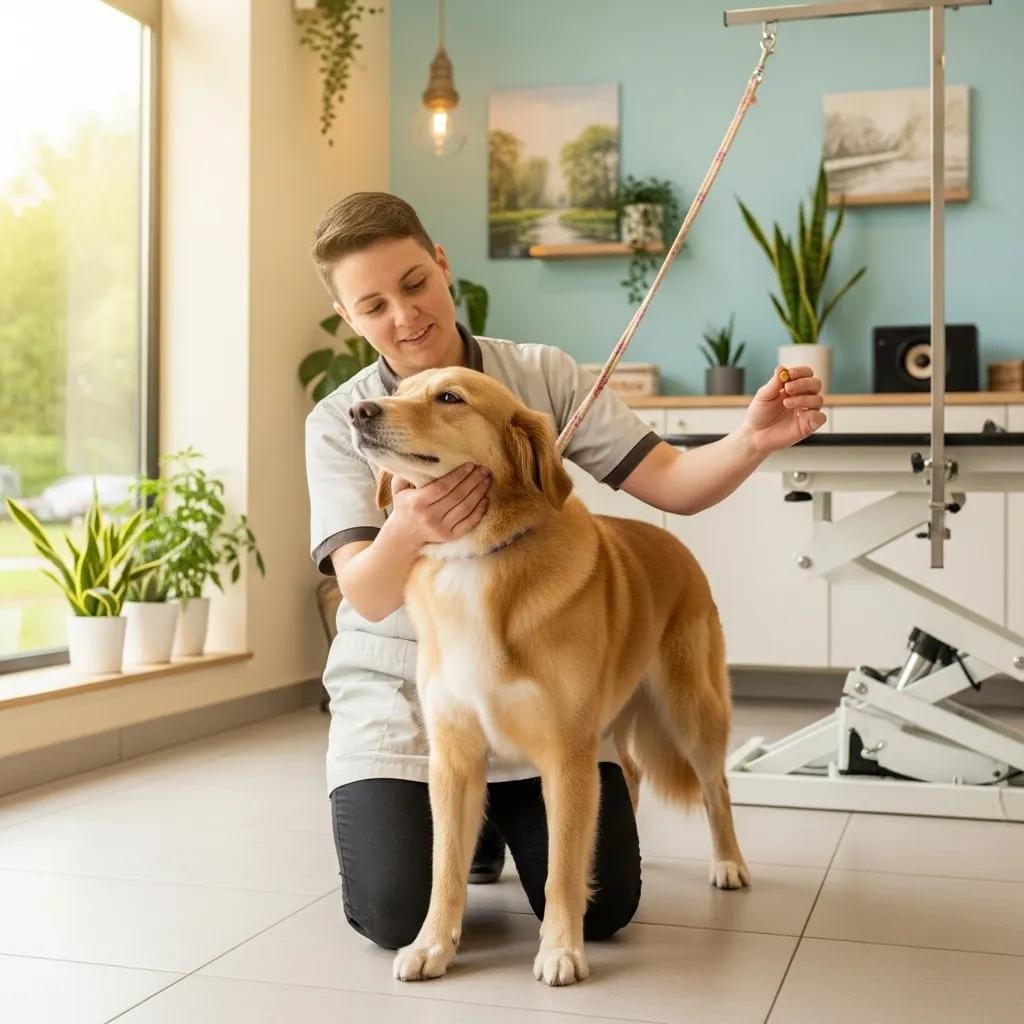
Recognizing stress early is one of the most important safety protocols in any grooming environment. Many incidents happen when a pet is pushed past its comfort level and the groom continues as if nothing is wrong. When groomers learn to spot small changes in body language and adjust their approach, sessions tend to run smoother, pets stay safer, and staff are less likely to get hurt.
Managing stress is not about forcing a pet to “get used to it.” It is about reducing triggers, working at a pace the animal can handle, and using predictable routines. Simple choices like lowering noise, using slower movements, and offering short breaks can change the entire tone of an appointment. In some cases, a shorter session is the safest option. In others, switching tools or changing how the pet is positioned may be enough to prevent escalation. These adjustments are part of strong safety protocols because they address the cause of the behavior instead of reacting after the situation becomes unsafe.
How To Identify Canine Body Language Indicating Stress Or Aggression?
Stress signals often appear before aggression, but they can be easy to miss if you are focused only on the grooming task. Common stress cues include panting when the room is not hot, pacing, shaking off repeatedly, yawning, lip licking, turning the head away, and avoiding eye contact. A tucked tail, lowered posture, pinned ears, or a dog that suddenly freezes can also signal discomfort. The key is to read the whole body, not one isolated cue, because pets show stress differently depending on temperament and past experiences.
Aggression cues are typically more intense and more direct. A stiff stance, hard staring, growling, baring teeth, snapping, or lunging are clear warnings that the pet is no longer coping. Some dogs also show “quiet” aggression, where they become rigid and still, then react suddenly when touched in a sensitive area. That is why safety protocols emphasize prevention. If you respond to early stress signs, you reduce the chance of reaching that point.
When you notice stress building, slow down and create space. Soften your posture, avoid leaning over the dog’s face, and give the pet a moment to settle. Many pets respond well when the groomer pauses and resets the environment instead of continuing through the tension.
What Are Safe Restraint And Calming Methods For Nervous Pets?
Restraint should support safety without increasing fear. A properly fitted grooming loop or harness can prevent falls and sudden jumps, but it must be used thoughtfully and never as a substitute for supervision. The goal is stability, not force. If a dog is pulling, thrashing, or panicking, tightening restraint usually makes the situation worse. In those moments, the safest move is often to pause, reposition, or take a short break.
Calming techniques work best when they are built into the routine. Using a quieter tool when possible, reducing dryer intensity, and grooming in a low-distraction space can help sensitive pets stay regulated. Reward-based handling is also useful, especially for steps that dogs commonly dislike, like nail trims or face work. Small treats, when appropriate and safe for the pet, can create positive associations and help the dog tolerate brief discomfort. Some salons also use calming aids like pheromone products or soft background noise, but these should support, not replace, good handling.
Above all, the pet’s comfort level should guide the pace of the groom. Safety protocols are not just rules for emergencies. They are daily habits that keep stress from turning into aggression, protect the animal’s welfare, and keep groomers safe while doing their job well.
What Are The Essential First Aid And Emergency Protocols In Pet Grooming Salons?
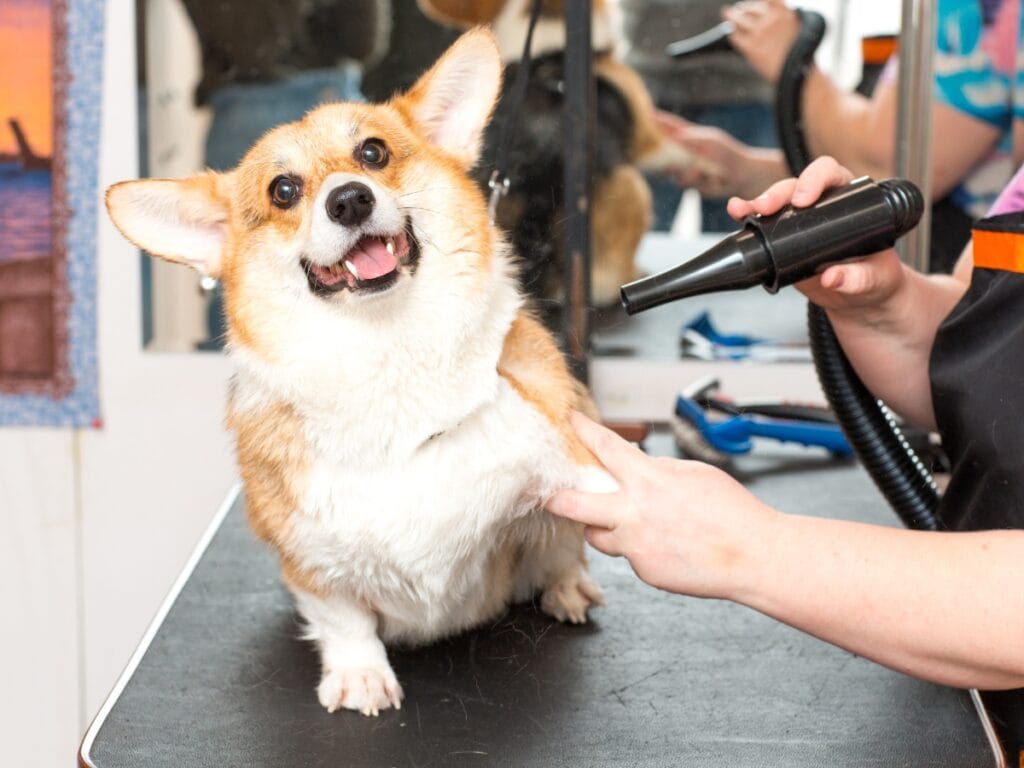
Emergencies in a grooming salon are rare, but when they happen, there is no time to improvise. Clear safety protocols protect pets, staff, and the business by making sure everyone knows what to do in the first few minutes of an incident. The goal is not to turn groomers into veterinarians. It is to respond calmly, provide basic first aid when appropriate, and know when to escalate to a veterinarian.
Strong emergency safety protocols start with preparation. That means having a stocked first aid kit, keeping emergency contact information visible, and training staff on how to handle common situations like minor cuts, quick bleeding, overheating, or stress-related reactions. It also means having simple reporting steps so incidents are documented and communicated clearly. When staff know the plan, they move with purpose instead of panic, and that can make a real difference for an injured or frightened animal.
Which First Aid Supplies Should Every Grooming Salon Have?
A grooming salon first aid kit should cover basic wound care, minor bleeding control, and safe handling during an incident. Antiseptic wipes are useful for cleaning small cuts and helping lower infection risk. Gauze and bandages matter for dressing wounds and applying pressure when bleeding needs to be controlled. Tweezers can help remove small debris from fur or skin, especially when something is caught in a paw or coat.
Many salons also keep hydrogen peroxide on hand, but it should be used cautiously and with veterinary guidance, since it is not appropriate for every situation and can irritate tissue if used incorrectly. A digital thermometer is often useful as well, since temperature concerns can be part of overheating or stress situations. Disposable gloves, a clean towel, and a muzzle or soft restraint option can also help staff manage a stressful moment more safely, especially if a pet is frightened and reactive.
Just as important as supplies is information. Emergency contact lists should be easy to find and include a local veterinary clinic, a nearby emergency animal hospital, and a backup option in case the first choice is unavailable. Safety protocols work best when these details are posted where staff can see them, not buried in a binder.
How To Respond To Common Grooming Accidents And Emergencies?
When an incident happens, the first step is to stay calm and assess what you are seeing. A quick check helps you decide whether this is a minor issue that can be handled with basic first aid or a serious situation that needs immediate veterinary care. For a small cut, the usual approach is to stop the bleeding, clean the area, and apply a bandage if appropriate. Even when the injury seems minor, it is still important to notify the pet owner and document what happened.
If bleeding is heavy, if the cut will not stop bleeding with pressure, or if there is any concern about a deeper injury, escalate quickly. The same is true for suspected fractures, collapse, breathing difficulties, choking, or signs of a severe allergic reaction. In those cases, safety protocols should be clear that veterinary support is the priority, not finishing the groom or waiting to see if symptoms improve.
During any emergency, reduce stimulation. Move the pet away from loud dryers, other animals, and busy traffic areas. Keep handling gentle and controlled, and avoid unnecessary movement that could worsen an injury. Once the immediate situation is addressed, complete an incident report that includes what occurred, what first aid was provided, when the owner was notified, and whether veterinary care was recommended or arranged.
The most effective safety protocols are simple enough to follow under pressure. When a salon trains staff on first aid basics, posts emergency contacts, and reinforces a calm response plan, the team is better prepared to protect pets and respond responsibly when something goes wrong.
How Do Ergonomics and Personal Protective Equipment Enhance Groomer Safety?
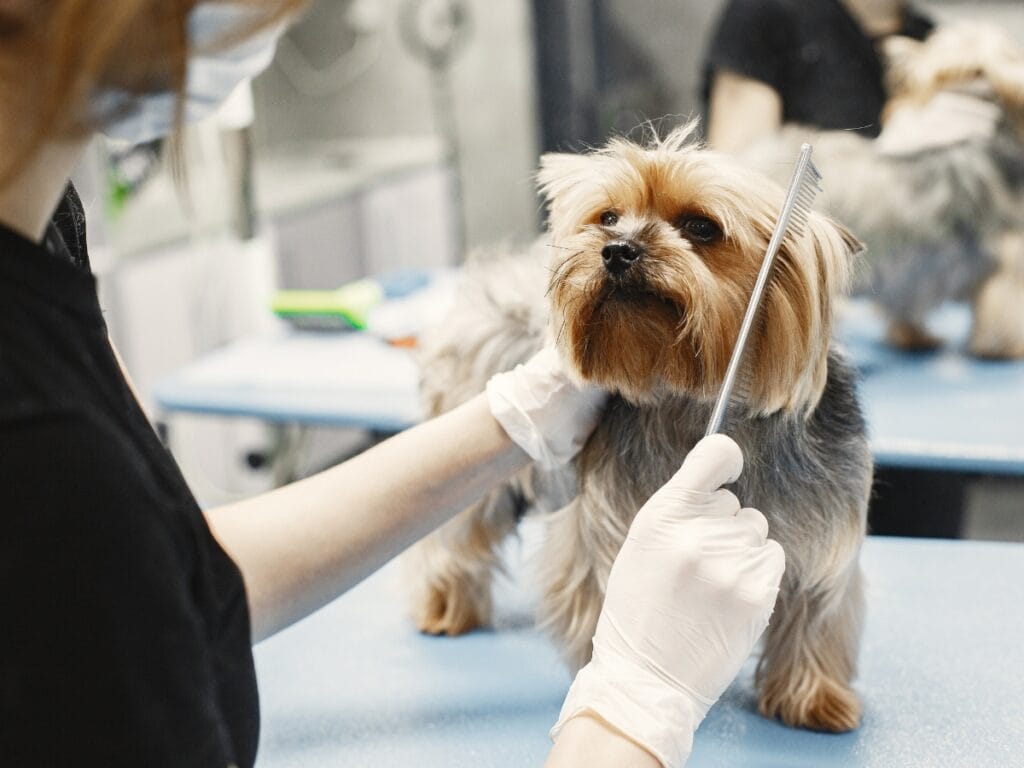
Ergonomics and personal protective equipment are often overlooked safety protocols in grooming salons, but they make a huge difference over time. Grooming is physical work. It involves repetitive motions, awkward angles, wet floors, and close contact with animals that may move suddenly. Without the right setup, even experienced groomers can end up dealing with back pain, wrist strain, slips, and frequent minor injuries that add up. Good ergonomics helps you work smarter, while PPE adds a layer of protection against everyday risks like scratches, allergens, and chemical exposure.
When salons treat ergonomics and PPE as part of their daily safety protocols, staff tend to stay healthier, recover faster, and work more consistently. It also supports quality grooming, because fatigue and discomfort can lead to rushed handling, poor tool control, and more mistakes.
What Ergonomic Practices Prevent Groomer Injuries And Fatigue?
Ergonomics starts with positioning. Adjustable grooming tables are one of the most effective tools for preventing strain because they allow you to match the table height to the task. When the table is too low, groomers hunch over and overload the lower back. When it is too high, shoulders and wrists take the hit. Adjusting the table so you can keep your elbows close to your body and your spine neutral reduces that constant strain that many groomers feel by the end of the day.
Lifting technique matters as well, especially with larger dogs. Whenever possible, use ramps or lifting supports, and lift with your legs instead of pulling with your back. Even if a lift feels quick, repeating it over and over is what leads to injuries. Grip and wrist position are another common problem area. Grooming requires fine motor control, so it helps to keep wrists as neutral as possible and avoid tight, prolonged gripping. Switching hands when appropriate, taking brief pauses, and using tools that fit comfortably in your hand can reduce fatigue.
Regular breaks are part of smart safety protocols, not a luxury. Short stretch breaks between appointments can help reset posture and reduce tension in the neck, shoulders, and lower back. These breaks do not need to be long to be useful. The goal is to interrupt repetitive motion and give the body a chance to recover before strain turns into injury. Supportive footwear also plays a big role, since standing on hard floors all day can worsen fatigue and contribute to poor posture.
Which PPE Items Are Recommended For Professional Groomers?
PPE protects groomers from the risks that come with close contact and constant exposure. Gloves are a common starting point because they help protect hands from nicks, minor bites, and irritation from shampoos or disinfectants. They can also reduce exposure to allergens for groomers who are sensitive to dander. The right glove choice depends on the task, but the goal is dexterity without sacrificing protection.
Masks can be helpful in situations where hair, dander, or aerosolized products are present, especially during blow drying or when using sprays. Even groomers who do not have allergies often notice less throat and nasal irritation when masks are used strategically. Aprons are another practical layer, protecting clothing and skin from water, loose hair, and grooming products. They also help keep you drier, which can prevent chilling and discomfort during long days.
Non-slip shoes are essential in a grooming environment because wet floors are part of the job. Slips are one of the most preventable injuries, and proper footwear is a simple safety protocol that reduces risk immediately. When you combine good ergonomics with consistent PPE use, groomer safety becomes more sustainable. These safety protocols protect the body, reduce everyday hazards, and help groomers stay in the work long term without burning out or breaking down.
Why Is Professional Certification Important For Mastering Pet Grooming Safety?
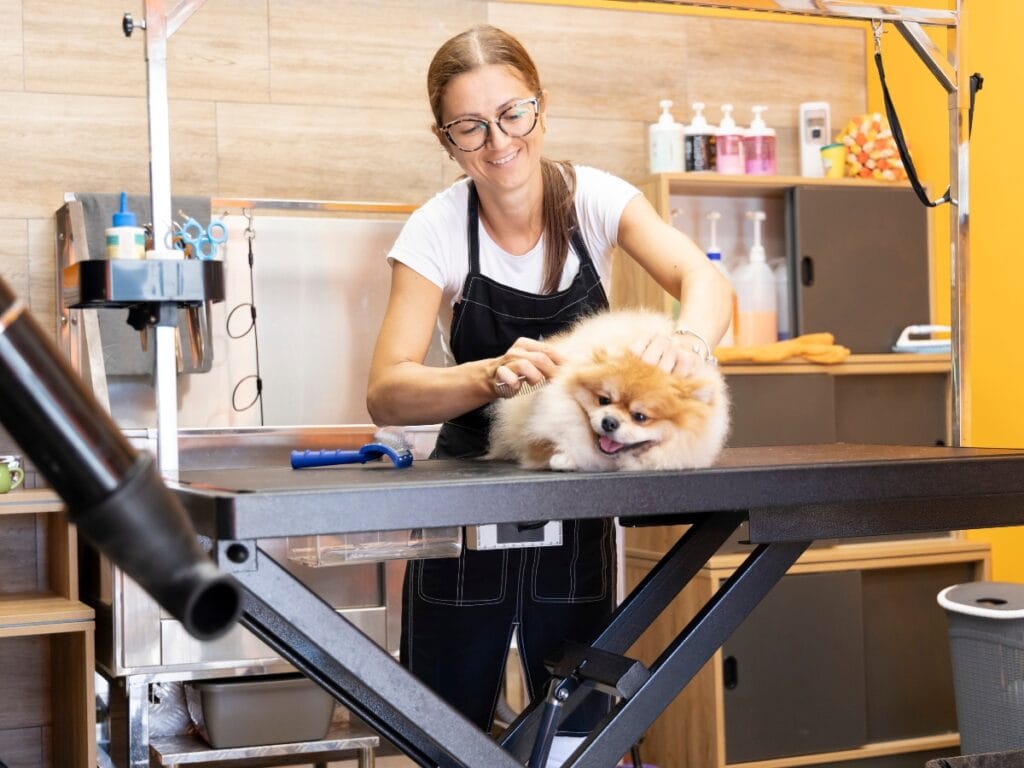
Certification matters because grooming safety is not something you learn only through trial and error. A groomer can be great with styling and still miss key safety protocols that prevent falls, bites, clipper burns, and sanitation issues. Professional certification creates structure. It teaches consistent handling, reinforces animal behavior basics, and builds the kind of routine decision-making that keeps pets and staff safe in a fast-paced salon.
It also helps groomers understand the “why” behind safety protocols. Instead of memorizing rules, students learn how stress builds, how tools can cause injuries when used incorrectly, and how hygiene practices reduce cross-contamination. That foundation makes it easier to spot problems early and respond appropriately, especially when a dog is anxious, wiggly, or reactive. Over time, strong safety habits reduce mistakes, lower injury risk, and improve the experience for pets and owners alike.
How Does OTC K9 Grooming School Integrate Safety Protocols Into Training?
OTC K9 Grooming School positions safety protocols as part of everyday grooming, not a separate lesson that gets covered once. Their training is designed to be hands-on, with students working with live dogs in real grooming scenarios. That matters because safety decisions are often situational. A dog that stands calmly for brushing may panic at nail trimming. A puppy might be friendly but unpredictable. Practicing in controlled settings helps students build confidence while learning how to adjust their approach without rushing or escalating stress.
The program is described as a focused dog groomer certification that runs for thirty days. The format emphasizes practical work and small class sizes, which supports one-on-one coaching and immediate feedback. In a skill-based trade like grooming, feedback is where safety becomes real. It is one thing to hear “watch for stress signals,” and another to have an instructor point out subtle signs in the moment and show you how to respond safely. When safety protocols are woven into every module, students learn to treat them as non-negotiable habits, not optional extras.
What Career Benefits Come From Certified Safety Knowledge In Grooming?
Certified safety knowledge helps groomers stand out because it signals readiness. Employers want groomers who can work efficiently while keeping pets safe, and clients want reassurance that their dog will be handled responsibly. Certification gives people a clearer reason to trust you, especially when they are choosing between multiple groomers. Safety protocols are also closely tied to client retention. When owners see that a groomer is calm, careful, and attentive, they are more likely to come back and recommend the salon to others.
Certification can also support career growth because it builds confidence in more complex work. Groomers who have strong safety fundamentals are often better prepared for higher-volume environments, larger breeds, senior dogs, and pets with anxiety. Over time, that can lead to better job opportunities, more consistent income, and the ability to take on specialized services without increasing risk.
How To Keep Safety Protocols Consistent In A Real Salon
Even well-trained groomers can drift when the salon is busy, which is why safety protocols need reinforcement. A simple routine, like checking tools before each groom, keeping the workspace organized, and following a clear sanitation process, helps safety stay consistent under pressure. Ongoing education also matters. Continuing training keeps skills sharp and helps groomers stay aligned with best practices as products, tools, and expectations evolve.
Following strong safety protocols protects pets, staff, and your reputation. When safe handling, tool care, thorough cleaning, stress-aware techniques, and basic first aid are treated as daily standards, grooming runs smoother and animals leave calmer. Certification helps lock those skills in, giving groomers a professional foundation that supports both safer work and long-term career success.
Frequently Asked Questions
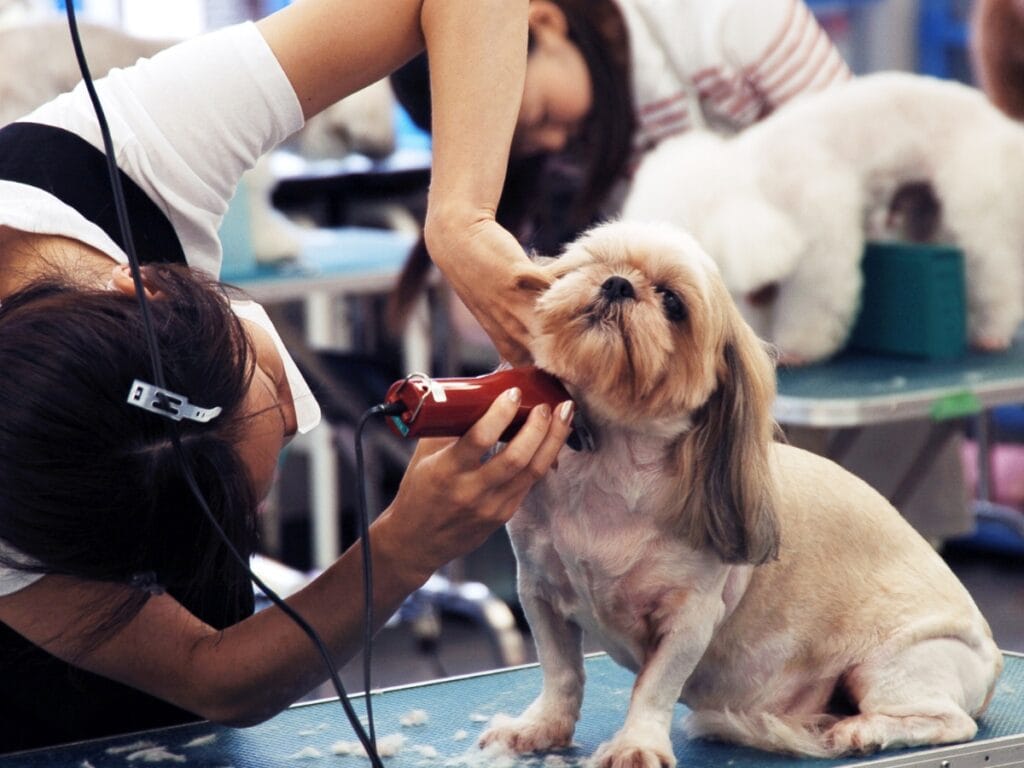
What should I do if a pet becomes aggressive during grooming?
Stay calm, slow your movements, and give the animal space. Read its body language and pause the session if needed. Use gentle restraint if it’s safe, or stop and call the owner for instructions. If the behavior continues or the dog is a danger, end the appointment and recommend a veterinary behavior consult.
How can I ensure the safety of pets with special needs during grooming?
Talk with the owner about medical conditions and triggers before the appointment. Allow extra time, use gentler handling, and apply calming aids like pheromones or soft music. Remove hazards from the area and consider breaking the grooming into shorter sessions to keep the pet comfortable.
What are the signs that a pet is stressed during grooming?
Look for panting, whining, excessive licking, attempts to escape, a tucked tail, flattened ears, or a tense body. When you spot these signs, slow down, offer breaks, and use calming techniques to prevent escalation.
How often should grooming tools be disinfected?
Disinfect tools after each use and perform a deeper cleaning at the end of the day. Follow manufacturer instructions and use appropriate, labeled disinfectants to ensure effectiveness against bacteria and fungi.
What should I include in a grooming salon’s first aid kit?
Include antiseptic wipes, bandages, gauze, tweezers, and one bottle of hydrogen peroxide (used cautiously). Keep an up-to-date emergency contact list for local veterinarians and clinics, and check supplies regularly so nothing runs out.
How can I improve my ergonomic practices while grooming?
Use adjustable tables, set them to a comfortable height, and lift with your legs. Take short, frequent breaks to stretch and rotate tasks to reduce repetitive strain. Supportive footwear and good posture make long days easier on your body.
What are the benefits of ongoing education in pet grooming safety?
Ongoing education updates your skills, introduces safer techniques, and keeps you aligned with industry standards. It builds confidence, improves pet outcomes, and strengthens your reputation with clients and employers.
Conclusion
Adhering to essential safety protocols is the foundation of a responsible and successful pet grooming career. By prioritizing proper restraint, gentle handling, and continuous observation of the animal’s stress signals, you protect both the pet in your care and yourself.
To master these critical practices and all aspects of professional grooming in a hands-on, supportive environment, enroll at OTCK9 Grooming School. Call 770-847-7947 or fill out our online form for a free quote today to start your journey. Let us equip you with the expertise to build a safe, thriving grooming business.