Enrolling in a dog grooming certification program is the first step toward building a skilled, reputable, and successful career in the pet care industry. These comprehensive programs go beyond basic bathing and trimming, providing hands-on training in breed-specific styling, skin and coat health, safe handling techniques, and essential business practices.
As you move through your training, you begin to understand the real benefits of becoming a dog groomer: from career flexibility to long-term earning potential and the satisfaction of helping pets look and feel their best. In this guide, we’ll walk you through what to expect in a dog grooming certification program, from curriculum structure and practical requirements to licensing and career support, so you can confidently invest in the education needed to thrive as a professional groomer.
What to Expect in OTCK9’s Dog Grooming Certification Program
What to Expect in a Professional Dog Grooming Certification Program
A Mix of Classroom and Hands-On Learning
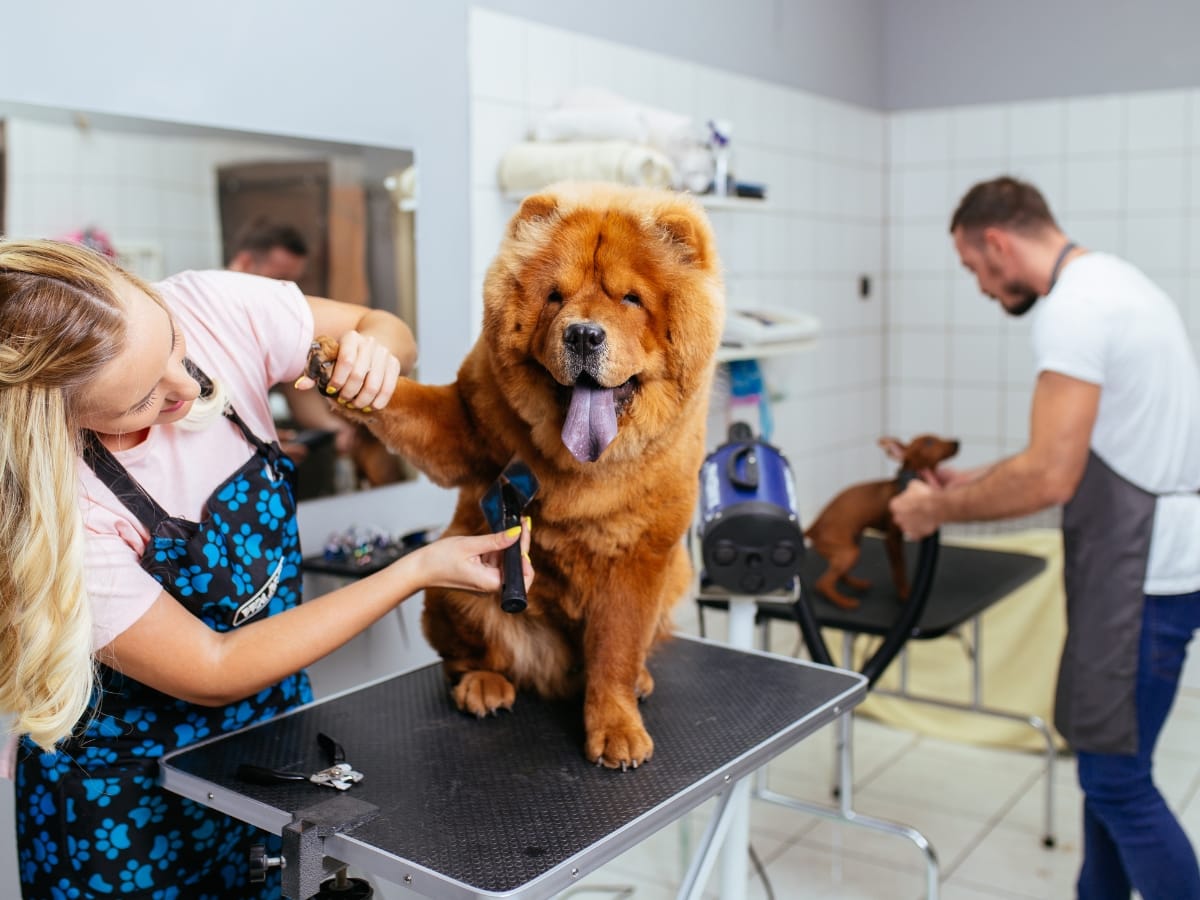
When you are trying to picture what to expect in a dog grooming certification program, it helps to know it is not all books or all baths. A professional program is usually a mix of basic theory, live demonstrations, and hands-on practice with real dogs. The goal is to take you from curious beginner to someone who can safely and confidently complete full grooms. Most days, you can expect a rhythm of learning a concept, watching it done, then trying it yourself with an instructor nearby.
Learning Breeds, Coat Types, and Basic Anatomy
Most programs start with the foundations. Early on, you learn about different dog breeds, coat types, and basic anatomy. This might feel a bit like going back to school, but it gives you the “why” behind everything you do with your tools. You talk about double coats, curly coats, wiry coats, and short smooth coats, and how each one reacts to water, shampoo, brushing, and clippers.
You also learn where joints, muscles, and sensitive areas are so you can work around them safely. Understanding the shape of the dog under the hair helps you create cleaner lines, avoid nicks, and keep the dog more comfortable during the groom. This foundation is a key part of what to expect in a dog grooming certification program, because it shapes every grooming decision you make later.
Building Core Grooming Skills Step by Step
Once you have the basics down, the program usually moves into core grooming skills. You start with bathing, drying, brushing, nail trimming, and ear cleaning before you jump into full haircuts. Instructors will show you each step, then have you repeat it until your movements become smoother and more natural.
On a typical training day, you might watch a demo in the morning, then spend the rest of the day practicing on different dogs while your instructor checks your technique. Over time, you learn how to hold clippers, control scissors, and use combs in a way that feels steady instead of awkward. This repetition is where your confidence starts to grow.
Safety, Handling, and Dog Behavior
A big part of any solid program is safety. Dogs in a grooming setting can be nervous, excited, or unsure of what is happening. You learn how to read body language, spot early signs of stress, and adjust your approach so dogs stay as calm as possible. Instructors teach you safe ways to lift dogs, secure them on the table, and protect both you and the dog from injury.
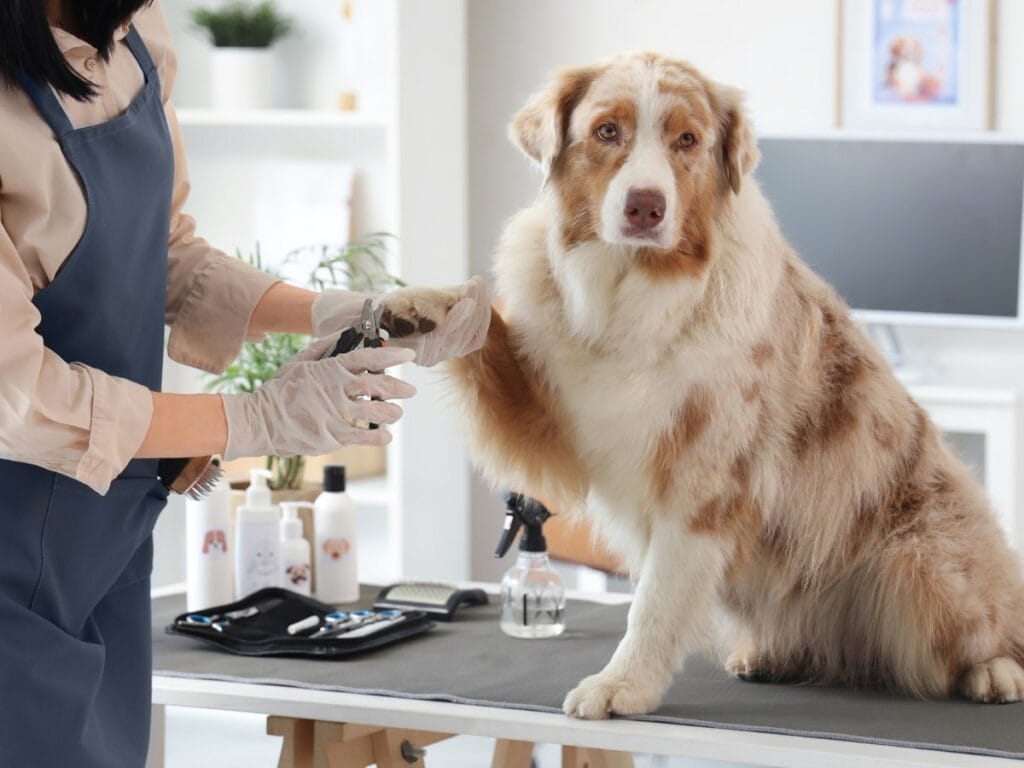
You also learn dog grooming safety tips and practical handling skills, like how to hold a paw for nail trimming, how to keep a dog steady in the tub, and how to work around the face without spooking them. This side of training is just as important as learning how to make a neat haircut. It is what keeps grooming humane and safe once you are working with paying clients.
Real-World Client Interaction and Expectations
Good grooming programs do not ignore the human side of the job. In many courses, you will see or even join in on client check-ins. Owners explain what they want, and instructors help turn that into a realistic grooming plan based on the dog’s coat, age, and condition.
You learn how to ask clear questions, set expectations, and explain what is possible. For example, if a dog is matted, you practice having honest but kind conversations about why a shorter cut might be necessary. This is where you start to see that grooming is not just about dogs. It is also about communicating with the people who bring them in.
Assessments, Feedback, and Next Steps
Throughout the program, you can expect structured feedback. Many schools use skill checklists, practice tests, or final practical exams where you complete full grooms under supervision. Instructors point out what you are doing well and where you need more practice. Sometimes that feedback can feel tough, especially when you are tired or still figuring things out, but it is what turns raw interest into reliable skill.
By the time you finish, you should have a clear idea of what to expect in a dog grooming certification program from start to finish. You have practiced full grooms, built a basic portfolio, and gained a realistic picture of day-to-day grooming work. You leave with practical skills you can bring into a salon, mobile service, or future business of your own, instead of just theory on paper.
Learning the Fundamentals of Dog Grooming
Anatomy: Understanding the Dog Under the Coat
Before you ever pick up clippers, a good program will teach you what is going on underneath all that fur. You learn basic canine anatomy so you know where the bones, joints, muscles, and sensitive areas are. This helps you understand how a dog moves and why you cannot treat every part of the body the same way. For example, you learn how to work around hips and shoulders without putting pressure on sore joints, and how to support a dog that struggles to stand for long.
This anatomy piece is a big part of what to expect in a dog grooming certification program, because it affects both safety and style. Knowing where the skull ends and the soft tissue begins helps you trim faces more confidently. Knowing where the toes and nails sit in the paw helps you avoid cutting too short. Over time, you start to “see” the structure of the dog even when the coat is long, which makes your grooms more even, balanced, and comfortable for the dog.
You also learn about common problem areas, like skin folds, armpits, and around the tail. Instructors talk about where irritation, matting, or injury are more likely to happen, and how to check those spots as you work. This turns every groom into a light health check. You are not a vet, but you are trained to notice when something looks off so you can tell the owner.
Coat Types: Why One Approach Does Not Fit All
After anatomy, coat types are one of the first fundamentals you dive into. You quickly learn that a curly-coated poodle and a double-coated husky need very different care. In class, you talk about straight, curly, wiry, double, and smooth coats, and how each reacts to brushing, shampoo, drying, and cutting. This is where you learn why some dogs should not be shaved down, even if it seems like the quickest fix for thick fur.
A good instructor will walk you through real examples. You might compare how water sits on a Labrador’s short coat versus a Golden Retriever’s longer, feathered coat. You see how mats form behind the ears of long-haired breeds, and how undercoat builds up in double-coated dogs if it is not brushed out. Understanding coat types helps you choose the right tools and products, and it also helps you explain your decisions to owners in a clear, confident way.
When you understand coat types, “What to Expect in a Dog Grooming Certification Program” stops feeling vague and starts feeling very practical. You realize you are not just learning to give “a haircut.” You are learning to care for many different kinds of coats in a way that supports the dog’s comfort, skin health, and long-term coat condition.
Grooming Techniques: From Basic Tasks to Full Grooms
Once you know what is under the coat and what kind of coat you are working with, you move into the techniques themselves. In the early days, that usually means breaking grooming into pieces. You practice bathing, rinsing, and drying. You work on brushing correctly so you reach the skin without scratching it. You learn how to trim nails safely and clean ears without going too deep. Each of these skills is taught step by step until they feel more natural in your hands.
After that, you start working with clippers and scissors. Instructors show you how to choose blades, how to move with the grain or against it, and how to keep your hand steady so you avoid clipper lines. You also learn how to blend different lengths, shape legs and faces, and tidy feet and tails. At first, this can feel slow and awkward, but with repetition, you see your speed and accuracy improve.
A strong program ties all of these techniques together by having you complete full grooms under supervision. You go from “I can bathe and brush” to “I can take a dog from check-in to finished groom.” By this point, you have a real sense of what to expect in a dog grooming certification program: lots of hands-on practice, detailed feedback, and many chances to repeat the basics until they become solid habits. These fundamentals are the base you will use in every grooming job, whether you work in a salon, mobile van, or your own future business.
Hands-On Grooming Practice With Real Dogs
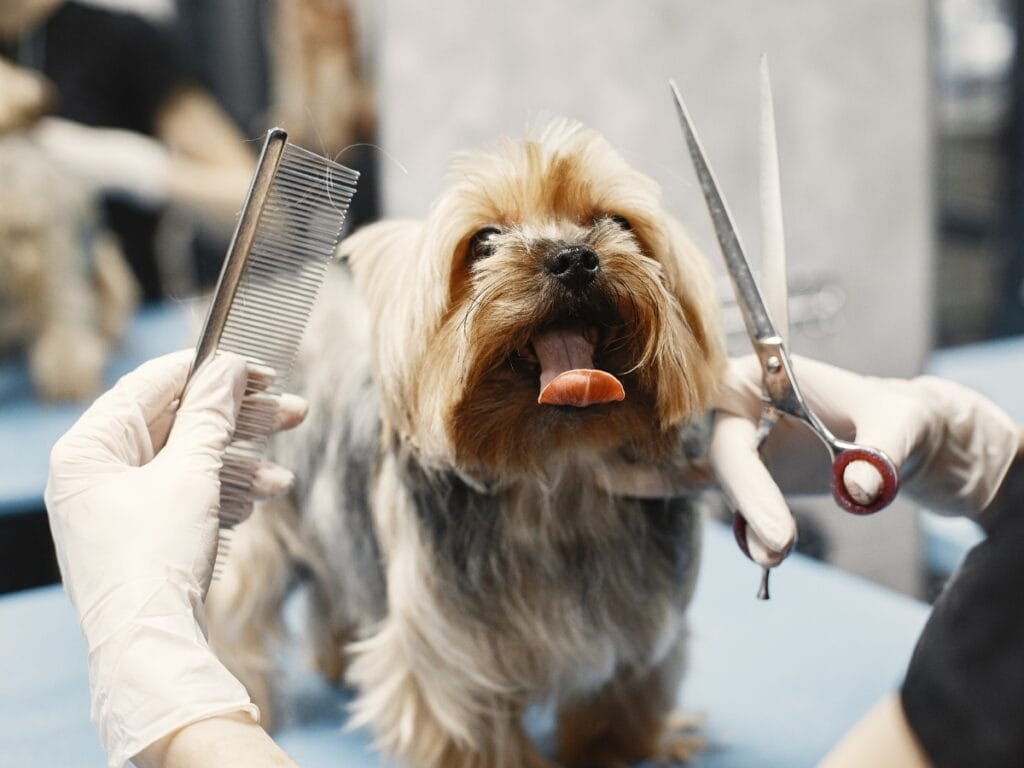
Supervised Sessions That Build Real Confidence
Reading, videos, and lectures help, but the real learning starts when you put your hands on a dog. A big part of what to expect in a dog grooming certification program is supervised practice with real dogs, not just theory on a screen. In most programs, you start by watching your instructor groom while they explain each step, then you switch roles and they watch you do the same thing.
These supervised sessions are where you make mistakes, fix them, and learn what “right” actually looks and feels like. Your instructor might adjust the way you hold the clippers, show you a better angle for trimming nails, or point out spots you missed while brushing. Instead of guessing, you get immediate feedback. Over time, that guidance turns into habits, and you stop overthinking every move.
You also learn how to manage your time with a real dog on the table. It is one thing to practice on a mannequin. It is another to work with a dog that wiggles, gets distracted, or needs a break. Under supervision, you learn how to keep the groom moving while still being patient and kind.
Bathing and Drying as the Foundation of Every Groom
Most new groomers are surprised by how much of their day is spent on bathing and drying. If you are wondering what to expect in a dog grooming certification program on a typical day, plan on getting very familiar with tubs, shampoos, and high-velocity dryers. In training, you learn that a good bath and a thorough dry are the base for every great haircut.
Instructors show you how to get a dog fully wet, choose the right shampoo, and rinse until the water runs clear. You practice working around the face and ears gently so you do not scare the dog or get soap in their eyes. Then comes drying, which is its own skill. You learn how to use a dryer to straighten curly coats, fluff out thick coats, and separate hair so you can see what you are doing when you start clipping or scissoring.
A lot of coat problems show up at this stage. Mats, skin issues, and hidden tangles become more obvious when the coat is clean and dry. Under supervision, you learn how to deal with those issues safely instead of just trimming over them. It is repetitive work, but it is also where you start to see big before-and-after changes in how the dog looks and feels.
Clipping and Scissoring Under a Watchful Eye
Once you have a clean, dry dog in front of you, you move into clipping and scissoring. At first, this can feel intimidating. You are working with sharp tools on a moving animal, and you want everything to come out even. The advantage of working in a supervised setting is that you are not doing it alone.
Instructors usually start you with simpler patterns or easy “all over” trims so you can focus on learning how to hold the clippers, follow the direction of the coat, and keep your pressure steady. They might guide your hand at first, then slowly step back as you get more comfortable. You learn how to choose the right blade length, how to avoid clipper burn, and how to get a smooth finish without lines.
Scissoring is where your eye for detail really develops. You practice shaping legs, rounding feet, evening out skirts, and cleaning up faces and tails. Instructors point out small corrections, like keeping your scissors parallel to the coat, or using combs to lift hair before trimming. It is slow at first, but with repetition you start to see your own style and precision improve.
By the time you have done multiple full grooms under supervision, you have a much clearer sense of what to expect in a dog grooming certification program in terms of hands-on practice. You are not just watching others groom. You are doing the work yourself, with an experienced groomer backing you up, correcting you when needed, and showing you how to turn each dog into a finished, comfortable, and safe groom from start to finish.
Understanding Grooming Tools and Equipment
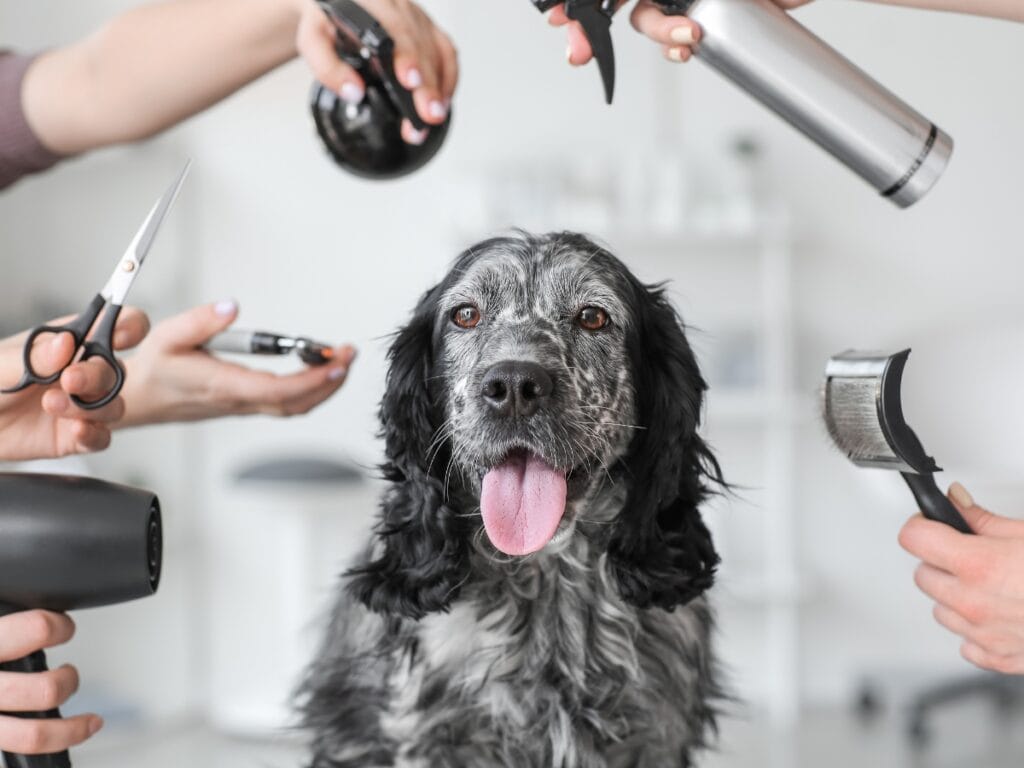
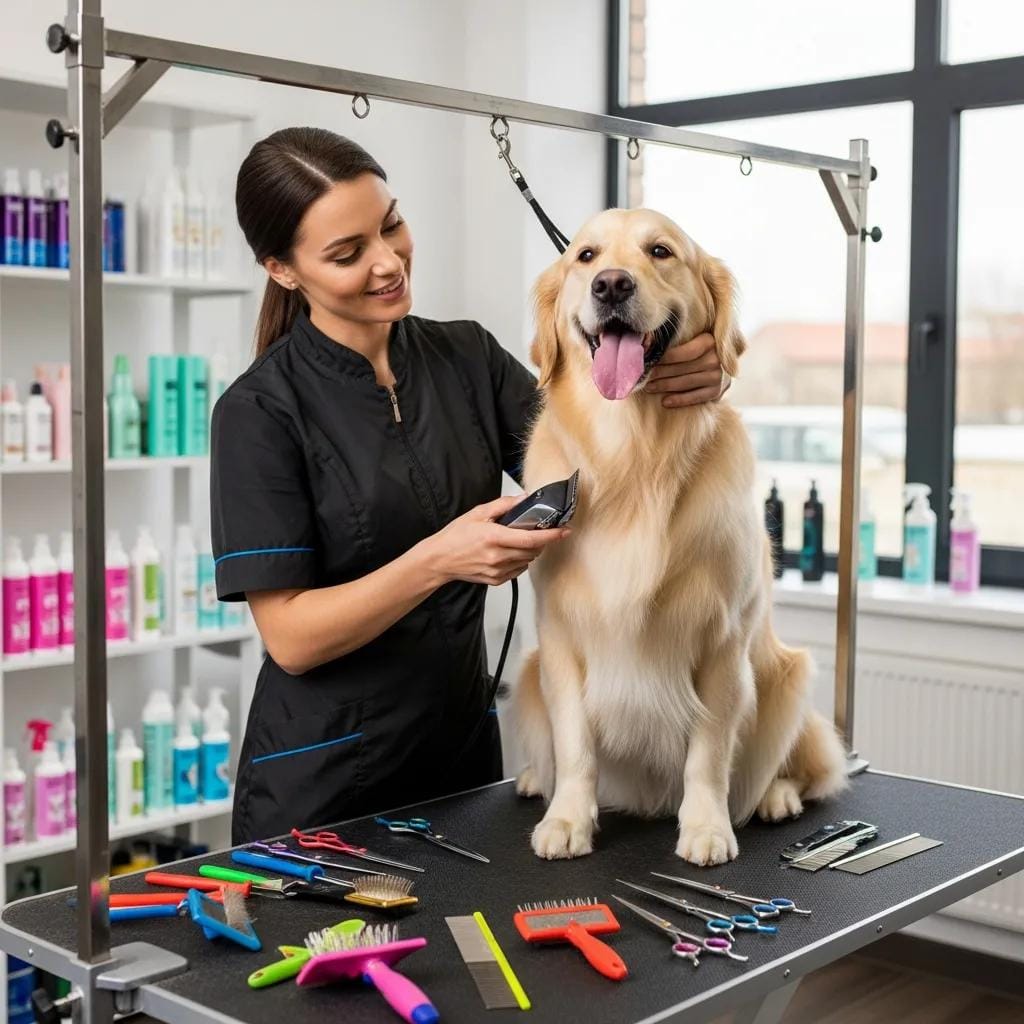
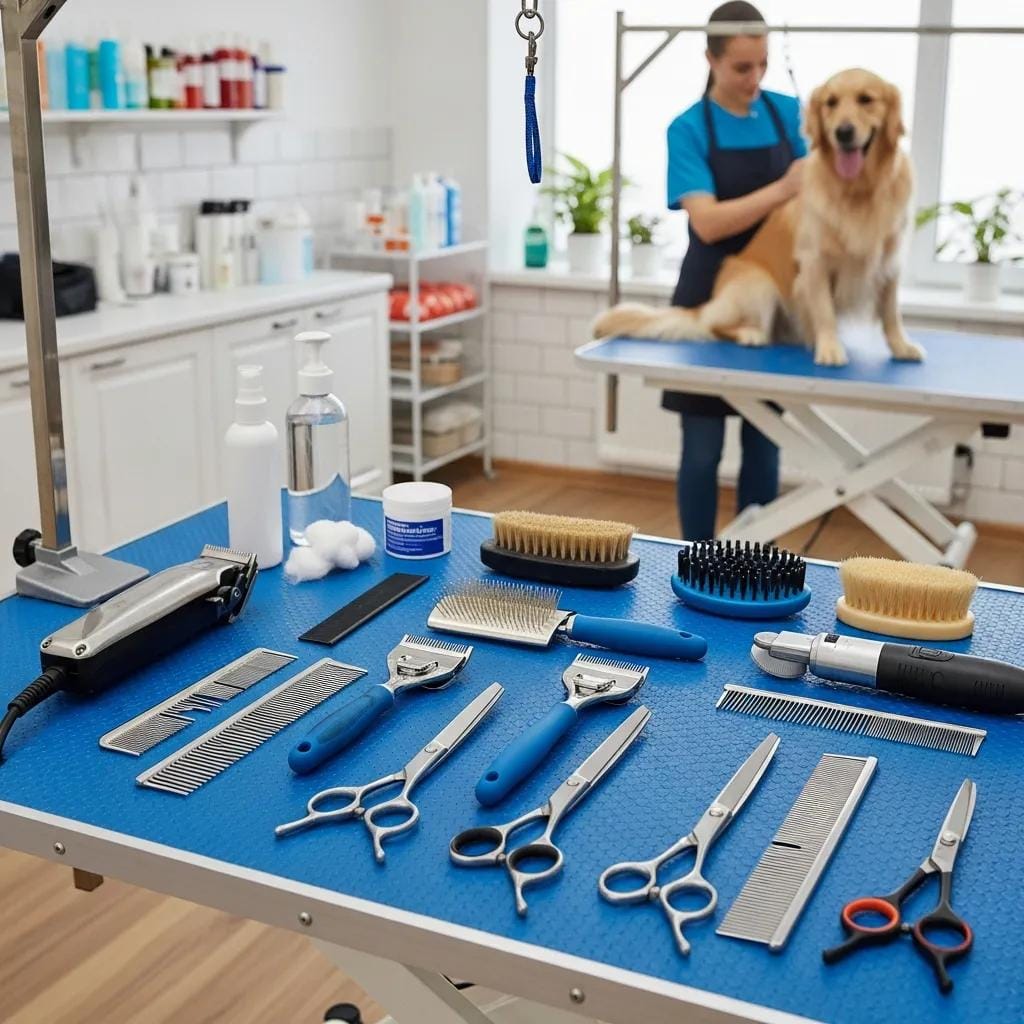
Clippers: The Workhorse of the Grooming Table
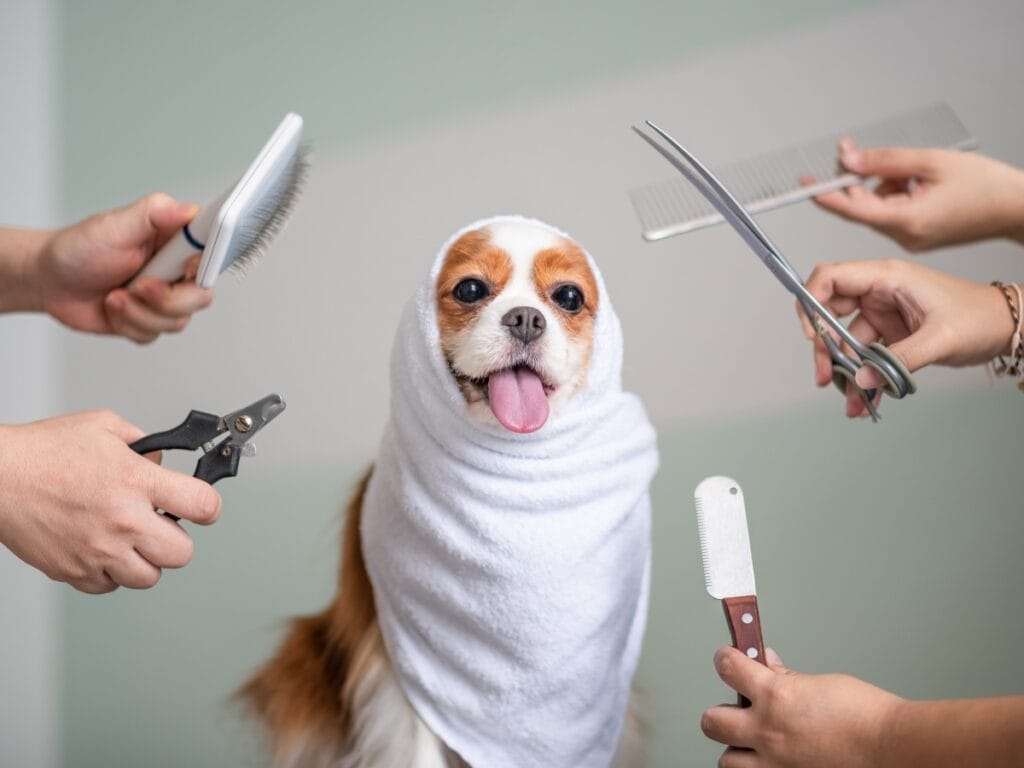
One of the first things you will get familiar with in training is the clipper. If you are wondering what to expect in a dog grooming certification program on the tools side, expect to spend a lot of time learning how to use clippers safely and effectively. You learn how to hold them so your hand does not tire out, how to move with the direction of the coat, and how to choose different blades for different lengths and coat types.
Instructors will show you how to keep clippers clean, oiled, and cool so they run smoothly. You practice working around sensitive areas like the face, feet, and sanitary areas without nicking the skin. At first, it might feel noisy and awkward, but with repetition you start to get a feel for the right pressure and speed. Clippers quickly become a tool you rely on for most full-body trims.
Shears: Shaping and Finishing Details
Shears, or grooming scissors, are where a lot of the detail work happens. In a professional setting, you do not just use one pair. You may be introduced to straight shears, curved shears, and thinner or chunker shears that help you blend and soften lines. Learning what to expect in a dog grooming certification program definitely includes learning how to handle these different tools safely.
You will practice how to hold shears correctly so you have control without straining your hand. Instructors teach you how to move your fingers rather than your whole arm, and how to keep your scissors parallel to the coat. You work on rounding feet, evening up legs, shaping faces, and cleaning up any uneven spots left after clipping. It takes time to build confidence, but as your skills grow, shears start to feel less intimidating and more like an extension of your hand.
Brushes and Combs: The Unsung Heroes
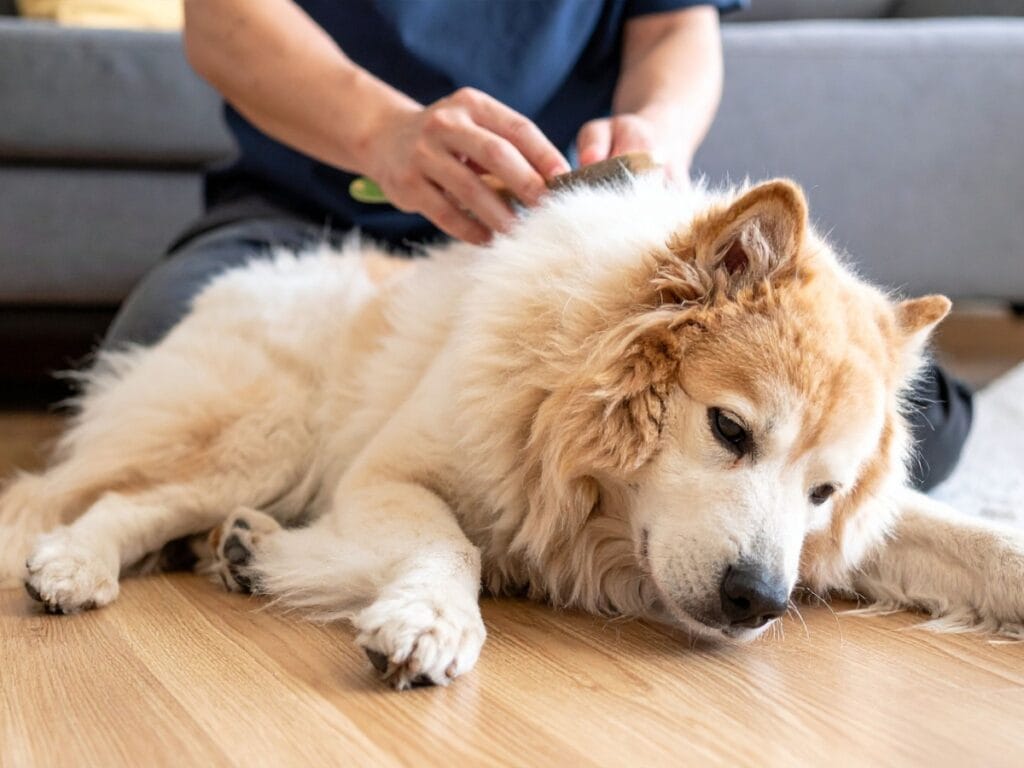
Brushes and combs might seem simple compared to clippers and shears, but you will quickly learn how important they are. A good part of your training is spent learning which brush to use on which coat type, and how to brush in a way that reaches the skin without scratching it. You will probably work with slicker brushes, pin brushes, bristle brushes, and different combs, each one suited to certain textures and lengths.
Instructors show you how to brush and comb thoroughly so you find mats and tangles before you start clipping. You learn techniques for working out knots patiently instead of just cutting everything short. This step protects the dog’s skin, keeps the coat healthier in the long run, and makes your finished groom look smoother. You also learn that brushing is not just “prep work.” It is part of keeping dogs comfortable, especially long-haired and double-coated breeds.
Safety Tools: Keeping Dogs and Groomers Protected
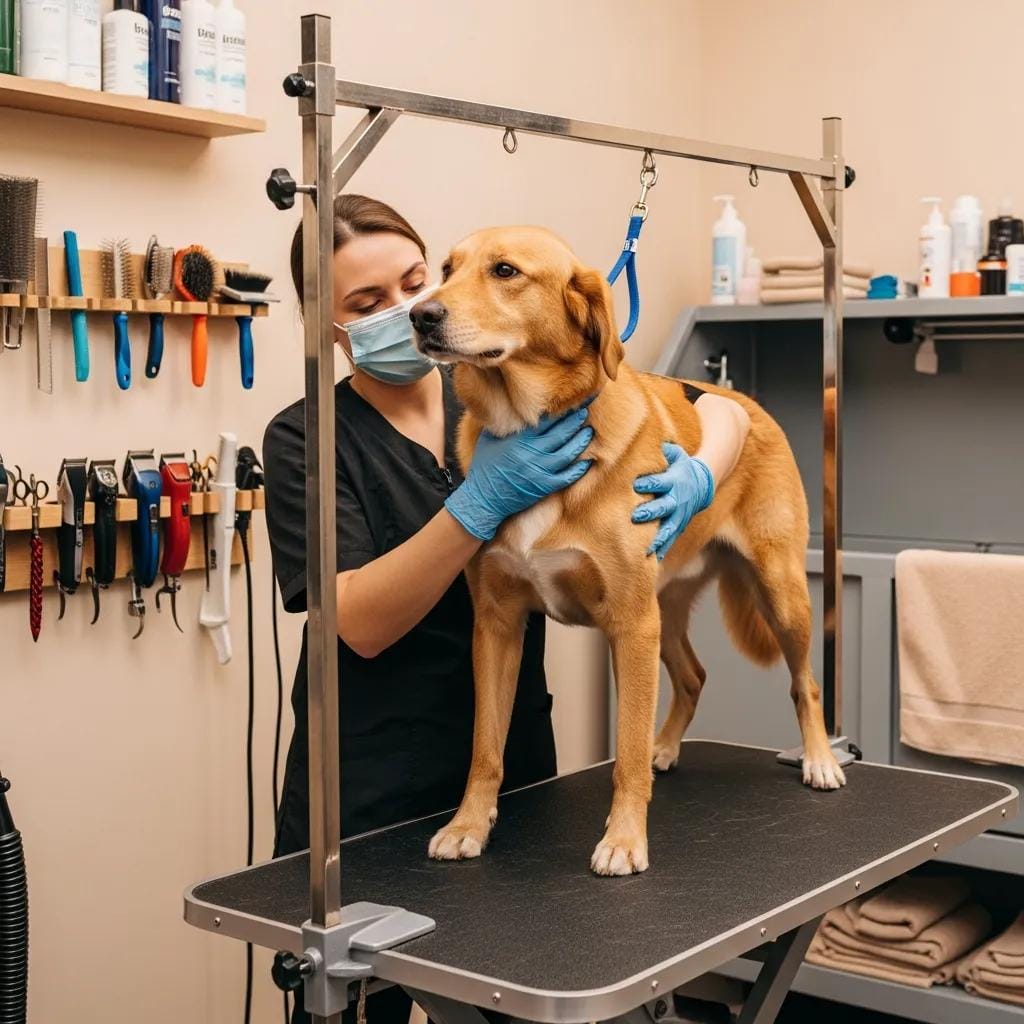
Alongside the tools that cut and trim, you will also work with tools designed for safety. This is a key part of what to expect in a dog grooming certification program, because safety is built into almost every step. You will see grooming tables with adjustable height and safety arms, grooming loops to keep dogs from jumping off, and non-slip mats in tubs and on tables. You learn how to use these correctly so they support the dog without causing stress.
You may also work with things like nail grinders, muzzles, and ear protection for dogs that are sensitive to noise. Instructors will explain when it is appropriate to use each tool, and how to introduce it in a calm, respectful way. You also talk about your own safety, such as using grooming smocks, closed-toe shoes, and sometimes even eye or ear protection when using high-velocity dryers.
By the time you finish this part of your training, grooming tools and equipment feel less like a random pile of gear and more like a set of familiar, purposeful instruments. You know what each one does, how to care for it, and when to reach for it. That understanding is a big part of stepping out of school and into a real grooming job with confidence.
Safety, Handling, and Canine Behavior
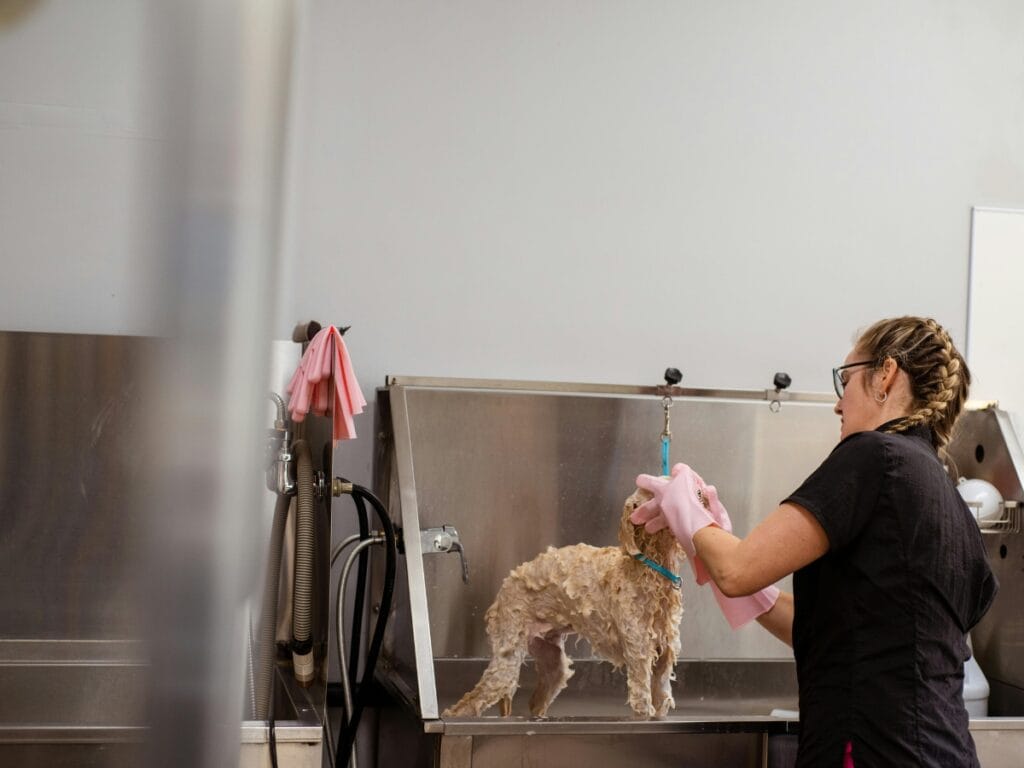
Safe Restraint During Grooming
One of the first things you learn in a good grooming program is that safety comes before style. When you picture what to expect in a dog grooming certification program, safe restraint is a major piece. You are working with live animals that can be scared, wiggly, or defensive, so you need clear methods for keeping both the dog and yourself safe without being rough or forceful.
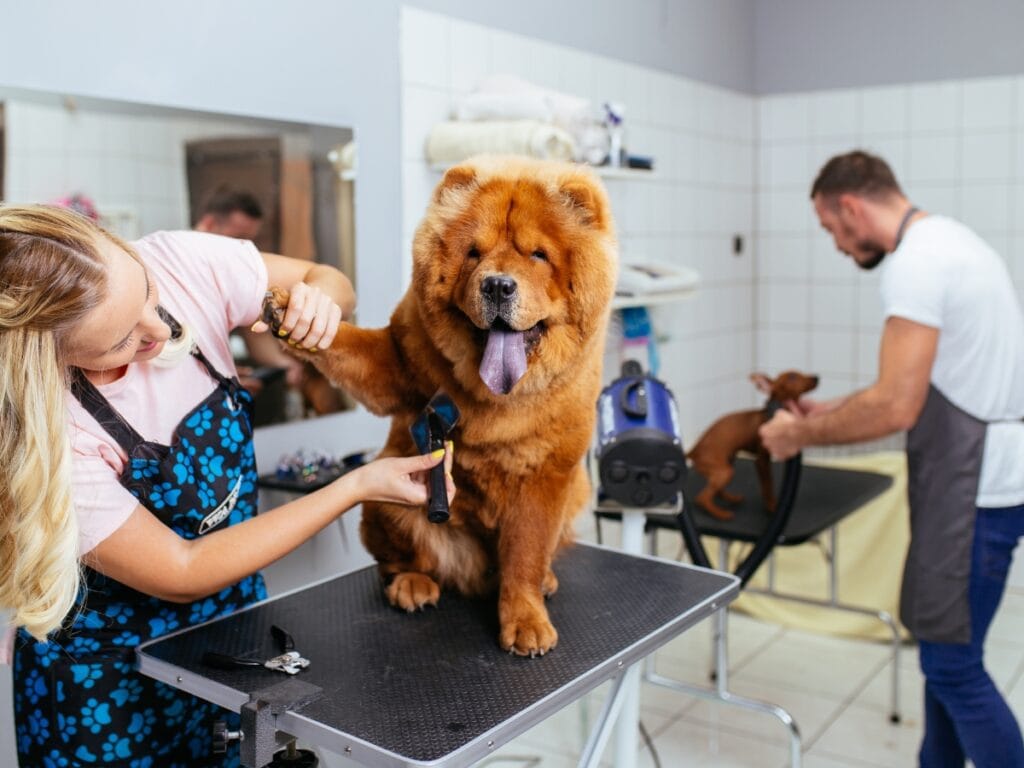
In class, you learn how to use grooming loops, table arms, and non-slip surfaces properly. Instructors show you how to adjust a loop so it is secure but not choking, how high to set the table, and how to position the dog so they are supported and less likely to slip or jump. You practice lifting small and medium dogs onto the table with good body mechanics, and you learn when you need a second person to help with larger or less stable dogs.
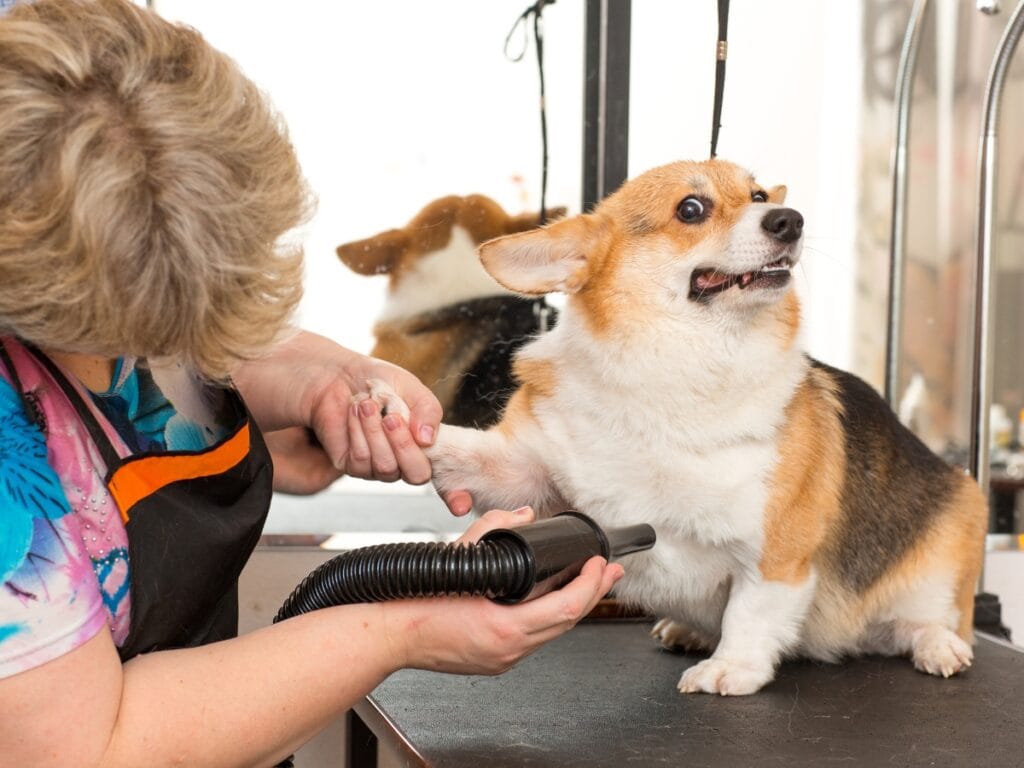
A big focus is on restraint that is firm but kind. You practice how to hold a paw during nail trims, how to gently steady a head for face work, and how to guide a dog in and out of the tub. You also learn what not to do, like pulling a leg too high, twisting joints, or relying on strength instead of technique. Instructors will correct your hand positions and remind you that if a dog is fighting hard, you need to pause, reset, and look at why, not just push through.
You also talk about limits. Safe restraint includes knowing when to stop. If a dog is so stressed or reactive that grooming is becoming unsafe, you learn to recognize that and communicate it. Part of being a professional is understanding that some grooms need to be broken into shorter sessions, done with a vet’s help, or rescheduled with a different plan. Your certification training gives you the judgment to make those calls.
Understanding Dog Body Language
Safe handling is not only about equipment and grip. It is also about reading the dog in front of you. A key part of what to expect in a dog grooming certification program is learning canine body language so you can spot stress, fear, or discomfort before it turns into a bite or meltdown.
Instructors teach you to look at the whole dog, not just one signal. You go over classic signs like tucked tails, pinned ears, lip licking, yawning, trembling, and whites of the eyes showing. You watch videos and live demos, pausing to point out early stress signals that many people miss. You also learn the difference between a dog who is simply unsure and one who is close to reacting aggressively.
During hands-on practice, you are encouraged to slow down and notice these cues in real time. Maybe a dog stiffens when you touch their back legs, or they start panting heavily when you turn on the dryer. Instead of pushing through, you learn to adjust. That might mean changing your handling, giving a short break, switching tools, or asking an instructor for help. Over time, you build a habit of checking in with the dog’s body language at every stage of the groom.
You also learn about “green light” signals that show a dog is coping well, like relaxed muscles, soft eyes, and loose tails. Not every dog is thrilled to be groomed, but many can stay within a manageable level of stress if you handle them thoughtfully. Your ability to read and respond to behavior is what turns grooming from a rough experience into something dogs can gradually accept and even tolerate quite well.
By the time you finish this part of your training, safety, handling, and canine behavior are no longer an afterthought. They are built into every decision you make at the table and in the tub. That is a big part of what to expect in a dog grooming certification program: not just learning how to cut hair, but learning how to care for dogs in a way that is humane, observant, and as low stress as possible.
Working With Different Breeds
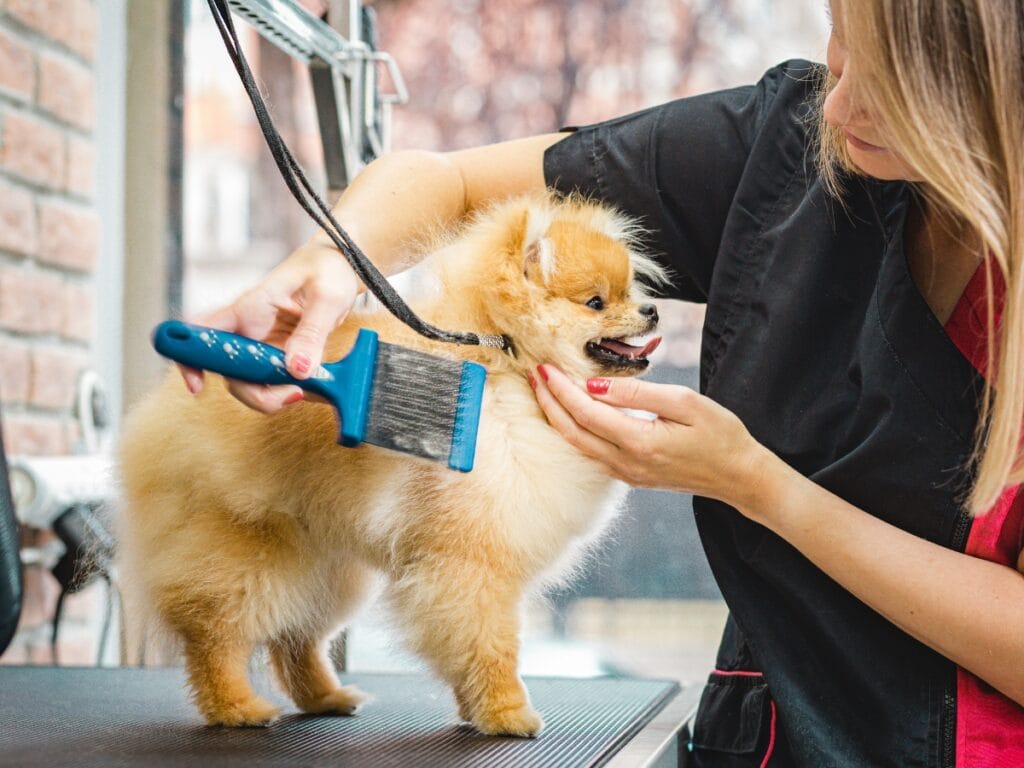
Breed-Specific Cuts and Styles
One big part of learning to groom is understanding that not every dog should walk out with the same “teddy bear” trim. When you think about what to expect in a dog grooming certification program, you can count on spending time on breed-specific cuts and traditional styles. Programs often start by introducing you to common breeds you will see in a salon, like poodles, schnauzers, shih tzus, yorkies, and various doodles, then showing you the patterns and outlines that go with each one.
You learn what makes a schnauzer look like a schnauzer, not just a short dog with a beard. You study where the skirt should fall, how long the eyebrows should be, and how to shape the legs so they look balanced. With poodles, you learn about the different patterns, how to shape the topknot, and where to set lines on the body. Even if a client wants a more “pet style” version, understanding the traditional pattern helps you create a cut that still fits the dog’s structure.
In practice, you start with diagrams and demonstrations, then move to live dogs. Instructors might walk you through a full breed-specific cut the first few times, then gradually ask you to place lines and shape sections on your own. You will make small mistakes, like setting a line too high or leaving one leg fuller than the other, and your instructor will show you how to correct them. Over time, your eye for proportion and balance improves, and you get more comfortable tailoring cuts to each individual dog.
You also learn how to adapt breed styles for real life. Not every owner wants or can maintain a full show-style groom. In training, you practice “pet trims” that respect the breed’s look but are easier to care for. That might mean shorter skirts, simplified legs, or softer faces, all while keeping the dog’s personality and comfort in mind.
Working With Different Coat Types Across Breeds
Breed work is not only about patterns. It also means understanding how different coat types behave. Another important part of what to expect in a dog grooming certification program is learning how coat and breed interact. A doodle’s curly, sometimes unpredictable coat needs different handling than a silky yorkie or a double-coated husky, even if both dogs are on your table the same day.
You spend time going over straight, curly, wiry, double, and smooth coats and how they show up in different breeds. Instructors explain which coats respond well to clipping and which are better off with more brushing and deshedding. You learn why shaving certain double-coated breeds can actually harm their coat and comfort over time, and what to do instead to help them stay cooler and cleaner.
Hands-on practice makes this click. You might brush out a heavy undercoat on a shepherd one day, then work through tight curls on a poodle mix the next. You see how shampoo, conditioner, and drying methods need to change from dog to dog. You also learn where certain coats tend to mat, like behind ears, under collars, and in armpits, and how to check those areas before deciding on a grooming plan.
As you work with more breeds and coat types, you start connecting the dots. You realize you are not just following a pattern or copying a picture. You are looking at the dog’s breed, coat, lifestyle, and the owner’s preferences, then choosing tools and techniques that fit all of that. By the end of this part of your training, “working with different breeds” feels less overwhelming and more like a puzzle you know how to solve, using everything you have learned about structure, coat, and style.
Building Professional Skills

Customer Communication That Builds Trust
Technical skills are only half the story. When you think about what to expect in a dog grooming certification program, you should also expect to spend time on customer communication. Owners are trusting you with a family member, so how you talk to them matters. In training, you learn how to ask clear questions at check-in, listen for what the customer really wants, and explain what is realistic for their dog’s coat and condition.
You practice conversations around common situations, like explaining why a severely matted dog needs a shorter cut, or how long it might take to grow out a new style. Instructors often model the language they use in real salons so you can hear how to be honest without sounding harsh or defensive. Over time, you learn how to guide the conversation so the owner feels heard, the dog’s needs are respected, and everyone understands what to expect when they come back to pick up their pet.
Scheduling and Time Management
Grooming is hands-on, but it is also time based. You only have so many hours in a day and each dog needs a certain amount of attention. A good certification program prepares you for that reality by helping you understand scheduling and time management. You learn how long basic services usually take and how to estimate the time for different breeds and coat conditions.
Instructors may walk you through sample schedules, showing you how to stagger baths, haircuts, and quick services like nail trims so your day flows smoothly. You also learn what happens when things do not go exactly as planned. Maybe a dog arrives more matted than expected, or a nervous puppy needs extra breaks. Training helps you practice adjusting on the fly, communicating delays to owners, and still keeping the day moving without rushing the dogs.
These early lessons make a huge difference once you start working in a real salon. You are not guessing how many dogs you can handle or how to space appointments. You already have a basic sense of what your pace is and how to protect your time so you avoid burnout.
Understanding Salon Workflow and Teamwork
Another part of building professional skills is learning how a grooming salon actually runs. When you look at what to expect in a dog grooming certification program, it often includes an introduction to salon workflow. You see how dogs move from check-in, to bathing, to drying, to grooming, then back to their owners. You learn how bathers, groomers, and front-desk staff coordinate with each other so dogs are never left unattended or forgotten.
During training, you may rotate through different roles or at least watch how each role fits into the bigger picture. You learn simple systems, like labeling kennels correctly, tracking which dogs have had which services, and noting special instructions for each pet. You also see how a clean, organized workspace affects safety and speed. Instructors will remind you to put tools back where they belong, sanitize between dogs, and manage your station so it stays workable, even on busy days.
Teamwork is a big part of this. You learn how and when to ask for help, how to support co-workers during rushes, and how to communicate clearly if you are running behind on a difficult dog. These habits make you someone other groomers actually like working with, not just someone who can do a nice haircut.
By the time you complete this part of your training, you are not only more skilled with your hands. You are also more prepared for the real-world side of grooming work. Customer communication, scheduling, and salon workflow turn grooming from a personal craft into a professional service, and that combination is what sets you up for a long, sustainable career.
How Long Does the Program Take?
Typical Duration of a Grooming Certification
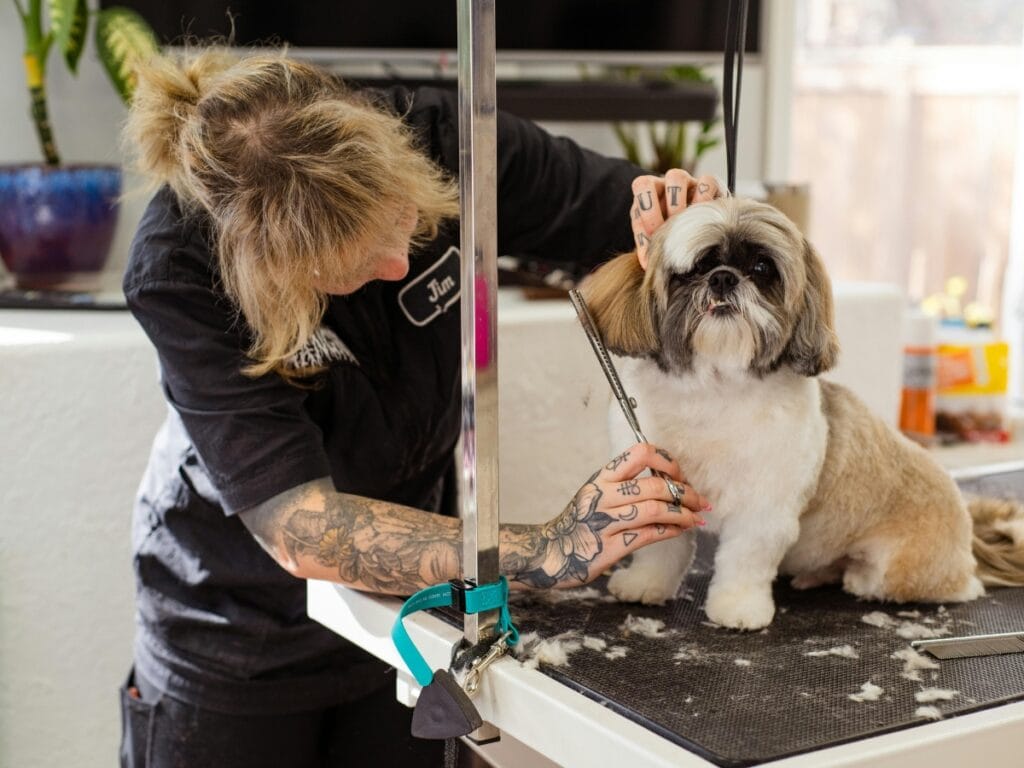
When you are trying to picture what to expect in a dog grooming certification program, one of the first questions is usually, “How long will this take?” The honest answer is that it depends on the school and the format, but most professional programs fall somewhere between a few weeks and a few months. Full-time, intensive programs might run for 4 to 8 weeks, while part-time or evening options can stretch over several months so you can keep working or managing other responsibilities.
Shorter programs tend to be more intense. You might be in the classroom or grooming area multiple days a week for several hours at a time. Longer programs usually spread the same material out, giving you more time to absorb information and practice skills at a slower pace. Neither is automatically better. The right choice depends on how fast you want to move into the field and what your schedule can realistically handle.
Most schools will share a sample calendar so you can see how the weeks are structured. You might notice that the early days focus more on theory and basic handling, then shift into more hands-on grooms as you go. Knowing that there is a clear start and finish date can make the commitment feel more manageable, especially if you are changing careers or juggling other parts of life.
Expectations for Training Hours
Beyond the number of weeks, it helps to look at total training hours. A solid grooming certification program often includes 80, 100, or even 150 or more hours of combined classroom instruction and hands-on practice. Some programs talk about this in terms of “clock hours,” which is just a way of counting all the time you spend learning, whether you are in a lecture, watching a demo, or grooming dogs yourself.
In a full-time program, those hours stack up quickly. You might be on site 4 or 5 days a week, for 5 or 6 hours a day. In a part-time version, you might attend 2 or 3 days a week or focus on evenings and weekends. Either way, you can expect to be tired at first. Grooming is physical, and learning new skills takes a lot of mental focus. Good programs are upfront about this so you can plan for days that leave you worn out in a satisfying way.
You will also have expectations around attendance and participation. Most programs require you to be present for a certain percentage of total hours to earn your certificate. That is because so much of grooming education depends on repetition. It is not just about hearing information once. It is about brushing, bathing, clipping, and scissoring enough times that your hands start to remember what to do even when you are nervous or busy.
Balancing Training With the Rest of Your Life
Another realistic part of what to expect in a dog grooming certification program is the need to balance training with everything else in your life. Schools understand that students may be working, caring for kids, or dealing with long commutes. That is why some offer flexible schedules, but even with flexibility, the program will still ask for a real commitment of time and energy.
It can help to think of the program like a short, focused season. During that time, you might need to cut back on social plans, adjust your work hours, or ask for extra support from family or friends. Planning ahead makes it easier to show up consistently, which is what makes the hours you are paying for truly count.
By the end of the program, the time investment usually feels different than it did at the start. Instead of staring at a long list of required hours, you can look back and see everything you have practiced: dozens of baths and dries, multiple full grooms, and many chances to learn from mistakes in a safe environment. Understanding how long the program takes, and what those hours are really used for, helps you go in with realistic expectations and come out prepared for real-world grooming work.
How OTCK9 Prepares Students for Real Employment
Working With Real Clients, Not Just Practice Dogs
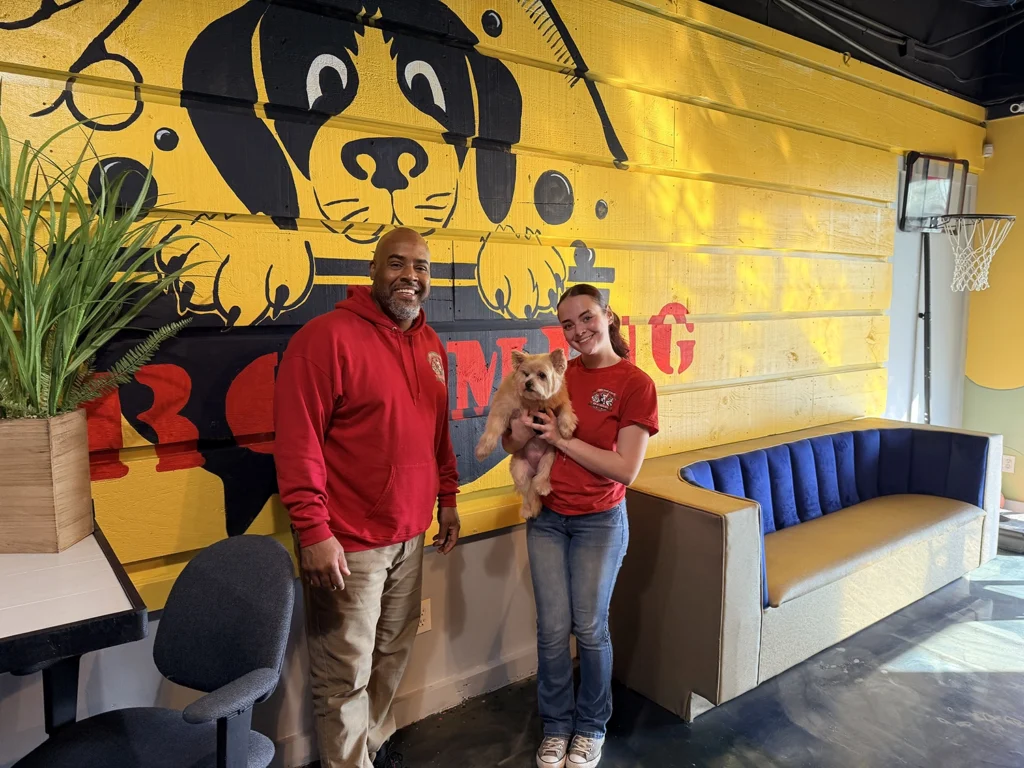
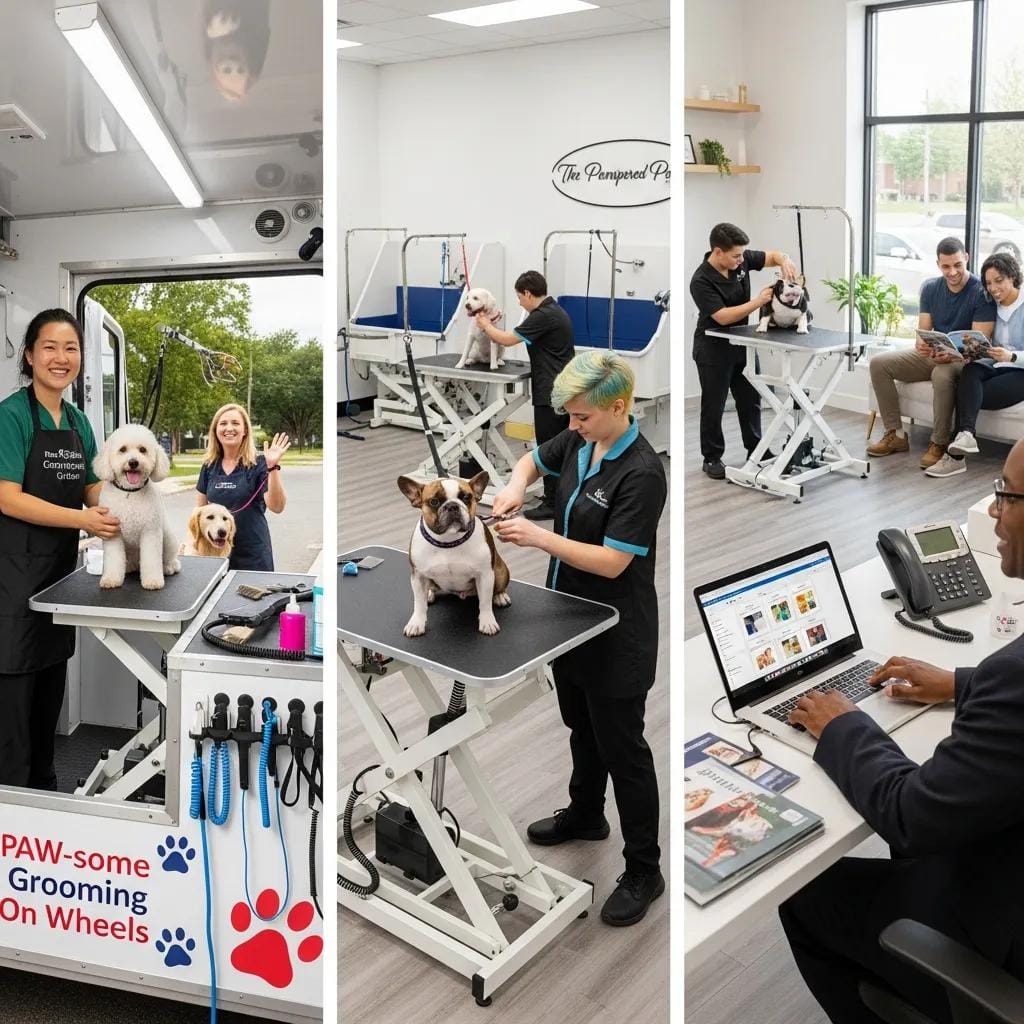
One of the biggest differences at OTCK9 is that students do not spend all their time grooming only “school dogs.” As you move through the program, you work on real client dogs that come in for actual appointments. That means you are dealing with real-life conditions, like overgrown nails, matted coats, nervous rescues, and owners who have specific requests.
You see the full appointment cycle from start to finish. You watch or participate in check-in, hear what the owner wants, help set expectations, and then groom the dog under instructor supervision. When the owner returns, you see their reaction, hear their feedback, and learn what landed well or needs improvement. For anyone wondering what to expect in a dog grooming certification program, this kind of real client flow is a key sign that you are being prepared for actual salon work, not just passing tests.
By the time you finish, you will have already handled many of the situations you will face in your first job. You are not shocked by dogs that come in dirty or tangled, and you are more comfortable working within time limits while still keeping the dog safe and as relaxed as possible.
Career Training Beyond the Grooming Table
OTCK9 also puts focus on the “employment” side of grooming, not just the technical skills. Throughout the program, you get a clearer picture of what different entry-level roles look like, from bather and grooming assistant to junior groomer. You talk about what employers are actually looking for, like reliability, teamwork, and safe handling, along with clean, consistent grooms.
You may get guidance on building a simple portfolio, even if it is just clear before-and-after photos and a list of the services you have practiced. Instructors can help you describe your skills in a way that makes sense on a resume or job application, instead of just listing “I like dogs.” There is often discussion around pay structures, such as hourly versus commission, so you are not surprised when you start interviewing.
You also get a sense of different career paths. Some students aim to work in busy salons, others want to move into mobile grooming or eventually open their own businesses. Talking about these options while you are still in school helps you make better choices about your first jobs, instead of just taking the first position you see.
Instructor Guidance, Feedback, and Mentorship
At OTCK9, instructors are not just teaching from a script. They are groomers who have been in the industry and know what entry-level employees struggle with in their first year. That shows up in the kind of feedback you get. Instead of only saying “this needs to be shorter,” they explain why a trim would be easier for the owner to maintain or safer for the dog’s coat and skin.
During hands-on work, instructors walk by your table, watch how you handle a dog, and point out small changes that make a big difference, like adjusting your grip, switching tools, or changing your body position. They help you find a pace that is realistic for a real salon, where you cannot spend all day on one groom. Over time, you learn not just how to make a dog look good, but how to do it in a way that fits into a normal workday.
Many students also find that the relationship with instructors feels more like mentorship by the end of the program. You can ask about tricky client situations, talk through mistakes, and get honest advice about which jobs might be a good fit for your personality and skill level. For someone trying to understand what to expect in a dog grooming certification program that truly leads to employment, this kind of ongoing guidance is a major advantage.
Bridging the Gap Between School and Your First Job
All of this adds up to a smoother transition from the classroom to your first grooming job. You leave OTCK9 with more than a certificate. You have experience working on real client dogs, practice talking with owners, an understanding of how a salon day flows, and feedback from instructors who know what employers expect.
That means your first day on the job feels less like a complete unknown and more like a familiar environment with new faces. You have already handled busy days, nervous dogs, and honest client feedback while still in training. OTCK9’s focus on real clients, career training, and instructor guidance helps close the gap between “student” and “working groomer,” so you can step into the industry with clearer expectations and stronger confidence.
Frequently Asked Questions
What prerequisites are needed before enrolling in a dog grooming certification program?
Most programs have a few basic prerequisites. Typically, you must be at least 18 years old and hold a high school diploma or equivalent. Some schools recommend prior animal experience or a basic understanding of canine behavior, though it’s not always required. More important is a clear interest in animal care and a willingness to learn hands-on grooming techniques and safety practices.
Are there any specific tools or equipment required for dog grooming training?
Yes. Essential tools usually include clippers, scissors, brushes, combs, and nail trimmers. Some programs supply a starter kit, while others expect students to buy their own. Check the program’s supply list before you enroll so you arrive ready for hands-on practice.
What types of job placements can graduates expect after completing their certification?
Graduates can find roles in pet salons, mobile grooming services, and some veterinary clinics. Common positions include salon groomer, mobile groomer, and specialty groomer (for services like de-shedding or creative trims). Some graduates move into management or start their own grooming business. The demand for skilled groomers remains strong in many markets.
How can certification impact earning potential in the grooming industry?
Certification helps demonstrate consistent skill and professionalism, which can lead to higher rates and better job opportunities. Certified groomers often attract more clients and can pursue higher-end or specialty work. Over time, experience plus certification typically results in stronger earning potential compared with uncertified peers.
What continuing education opportunities are available for certified groomers?
Certified groomers can take workshops, advanced courses, and seminars on specialized techniques and new tools. Professional organizations and grooming schools often offer continuing education, and trade shows or competitions are good places to learn and network. Ongoing training keeps your skills fresh and helps you offer new services.
What are the common challenges faced by new dog groomers?
New groomers often face physical fatigue from long days standing and handling animals, and they may find building a client base slow at first. Dealing with anxious or difficult pets is another common challenge. Patience, mentorship, and steady practice help you overcome these early hurdles and develop the skill and confidence clients expect.
How does hands-on training differ from theoretical learning in dog grooming programs?
Theory gives you important background on techniques, anatomy, and safety, but hands-on training is where those lessons become practical skills. Practicing on live animals under supervision teaches you tool control, timing, animal handling, and client interaction in ways classroom learning can’t. Hands-on experience is essential to becoming a confident, job-ready groomer.
Sign Up For OTCK9 Grooming School Today!
Enrolling in a dog grooming certification program is the first, crucial step toward mastering a skilled and compassionate trade. You can expect comprehensive training in everything from breed-specific styling and safe handling to essential business practices—all guided by experienced professionals. At OTCK9 Grooming School, our hands-on curriculum is designed to build your confidence and expertise, ensuring you graduate fully prepared to launch a successful career. Ready to start your journey? Call 470-600-1073 or fill out our online form with any questions. Explore our Grooming Certification Program to start your journey!