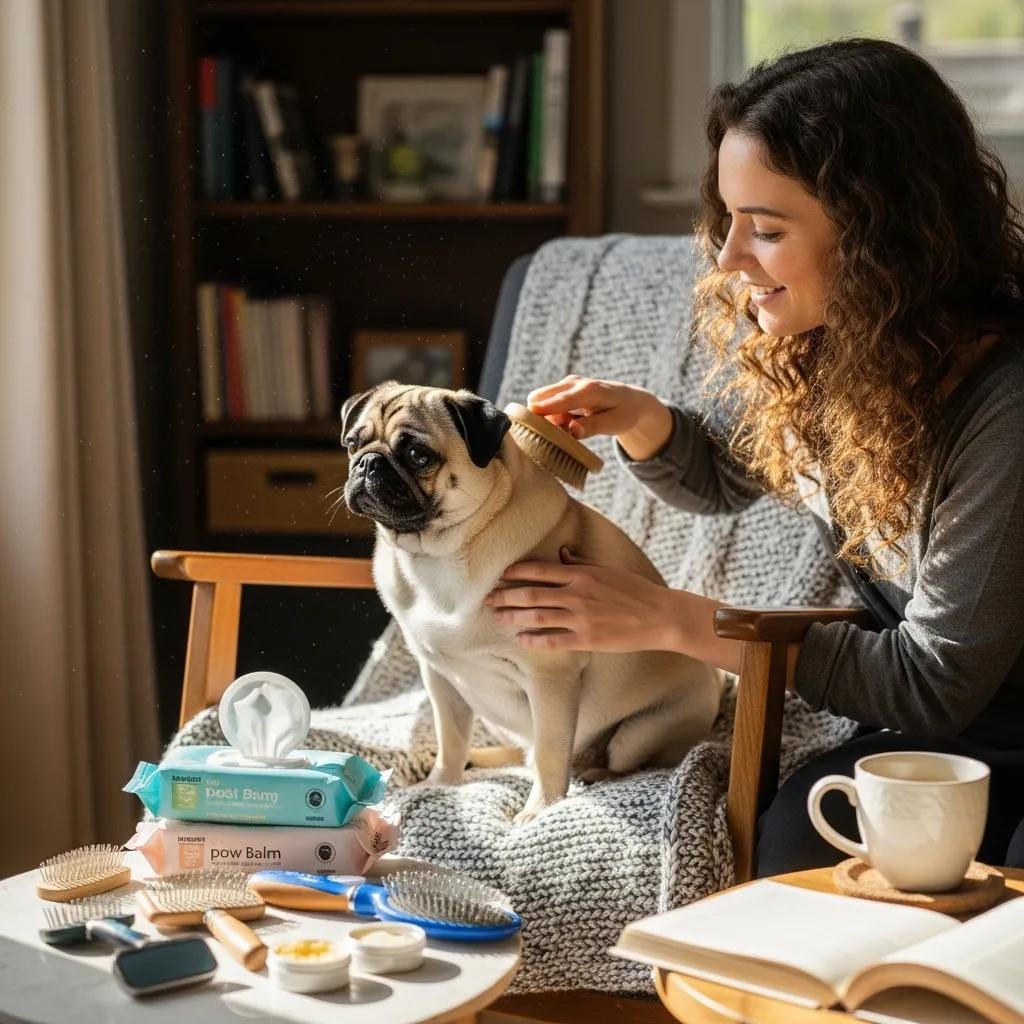
Pugs may be small, but their grooming needs can surprise many owners. Their short coats, deep facial wrinkles, and compact body shape require specific care to keep them comfortable and healthy. Following breed grooming tips for pugs that actually help can prevent common issues like skin irritation, odor buildup, and excessive shedding.
While pugs don’t require complex haircuts, their wrinkles, ears, nails, and coat still need regular attention. Moisture and debris can collect in facial folds, and their dense double coat tends to shed more than many people expect. Consistent grooming routines help keep their skin clean, reduce loose fur around the home, and support overall hygiene.
With the right techniques and a little routine maintenance, pug grooming becomes much easier and far more effective.
Breed Grooming Advice for Keeping Pugs Comfortable
How Often Should You Groom Your Pug for Optimal Coat Care?

Pugs have short coats, but that does not mean grooming can be overlooked. Regular grooming keeps their coat clean, reduces loose hair, and allows owners to monitor the condition of the dog’s skin.
Because pugs are known for shedding, a consistent breed grooming routine helps maintain both the dog’s comfort and the cleanliness of the home.
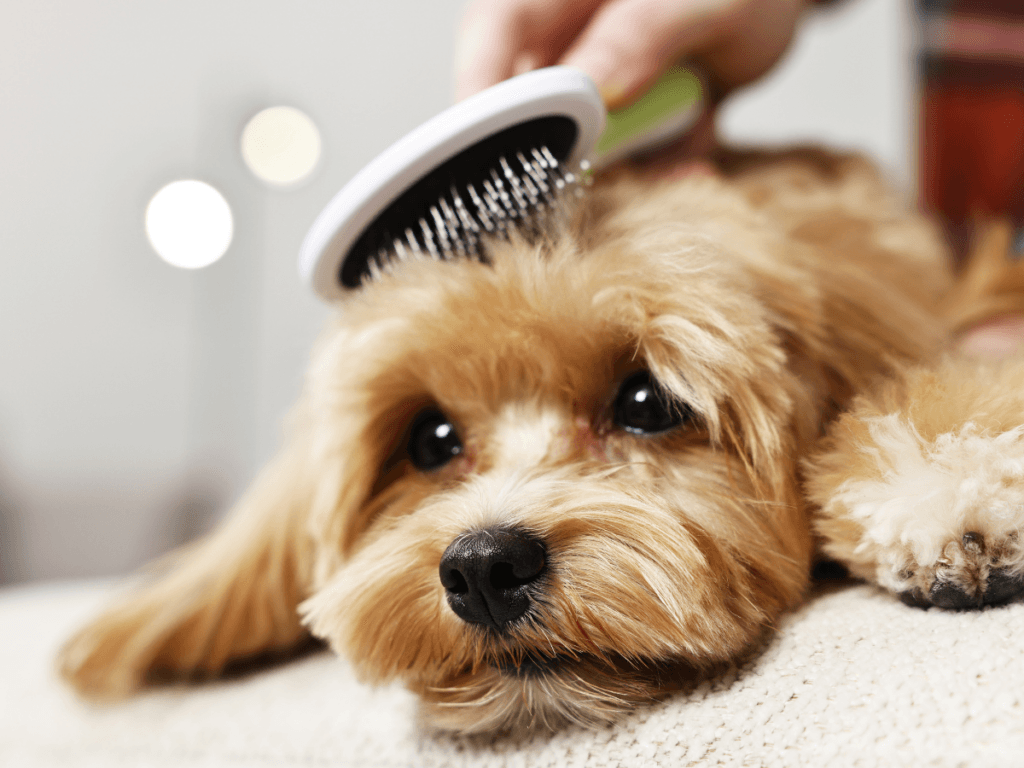
Most pugs benefit from brushing several times each week. Their short fur sheds steadily, and brushing helps remove loose hair before it spreads around furniture and clothing. Grooming sessions also provide an opportunity to check for irritation, dryness, or other skin issues that might otherwise go unnoticed.
A typical breed grooming schedule for a pug includes brushing two to three times per week. During seasonal shedding periods, grooming may need to be done more frequently to manage the extra hair that the dog naturally releases. With a steady routine, coat care becomes simple and comfortable for both the owner and the dog.
Best Practices For Managing Pug Shedding
Pugs are well known for shedding throughout the year, with heavier shedding during certain seasons. Managing this shedding is mostly about consistency. Regular brushing and proper bathing routines help remove loose fur and keep the coat in good condition.
Several simple practices help support effective breed grooming for pugs:
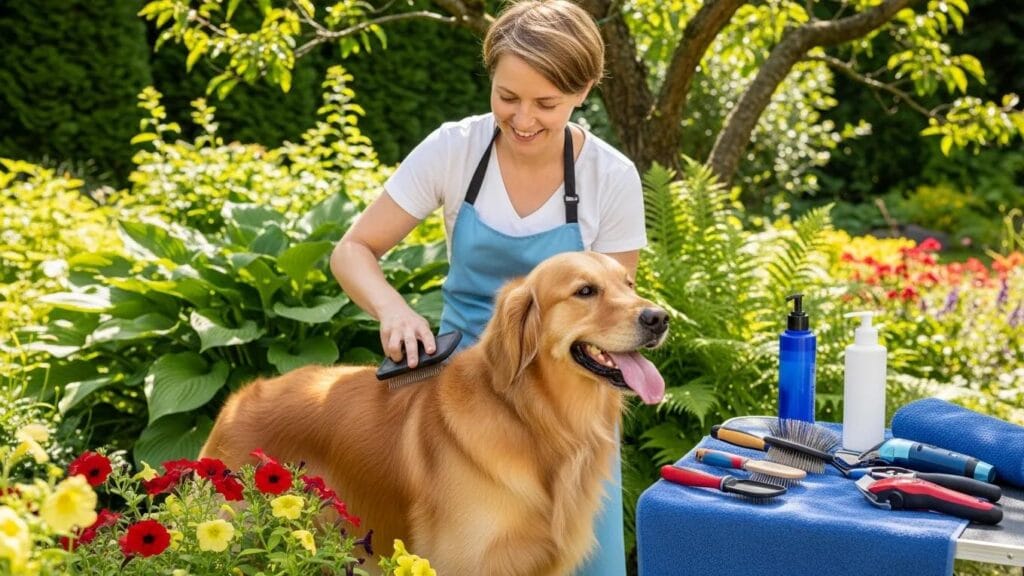
- Brush the coat several times each week using tools designed for short-haired breeds
- Bathe the dog every four to six weeks with a gentle shampoo suitable for dogs
- Provide a balanced diet that supports healthy skin and coat condition
Brushing is one of the most effective ways to control shedding. When loose hair is removed regularly, it prevents excess fur from collecting on floors and furniture. Brushing also spreads the natural oils produced by the dog’s skin, which helps maintain a healthy coat.
Bathing also plays a role in breed grooming. Occasional baths remove dirt and oils that may accumulate in the coat. Using a mild dog shampoo helps keep the skin clean without stripping away natural moisture. After bathing, the coat should be dried thoroughly to prevent irritation.
Diet can also influence coat condition. Nutrients such as omega fatty acids help support healthy skin and can improve the overall appearance of the coat.
Choosing The Right Grooming Tools
Selecting appropriate grooming tools makes routine care easier and more comfortable for the dog. Pugs have short coats, so they usually do not require complex grooming equipment. Simple tools designed for short-haired breeds are typically the most effective.
Several tools are commonly used in breed grooming for pugs:
- Bristle brushes that remove loose fur while spreading natural oils
- Rubber grooming mitts that gently collect hair while massaging the skin
- De-shedding tools that help remove excess undercoat during heavy shedding periods
Bristle brushes are often used for routine grooming sessions. The brush lifts loose hair while smoothing the coat and distributing oils that maintain a natural shine.
Rubber grooming mitts are also popular because they are gentle and easy to use. The flexible surface helps collect loose fur while providing a light massage that many dogs enjoy.
During heavier shedding periods, de-shedding tools may be helpful. These tools are designed to remove excess undercoat without damaging the top layer of the coat. Used properly, they can significantly reduce the amount of loose hair during seasonal shedding.
Creating A Consistent Grooming Routine
Consistency is the most important factor in successful breed grooming. Short grooming sessions performed regularly are often more effective than occasional long sessions. When grooming becomes part of the dog’s routine, the process is usually easier for both the owner and the pet.
Regular grooming also strengthens the bond between the dog and the owner. Many dogs become comfortable with brushing when it is introduced early and performed gently.
Monitoring the dog’s coat and skin during grooming sessions can also help identify potential concerns. Changes in coat texture, irritation, or unusual shedding patterns may indicate that the dog’s grooming routine needs adjustment.
With a steady approach and the right tools, breed grooming for pugs can be simple and manageable. Regular brushing, occasional bathing, and proper care help maintain a clean coat and support the dog’s overall comfort and well-being.
What Are The Step By Step Procedures For Pug Wrinkle Cleaning And Care?
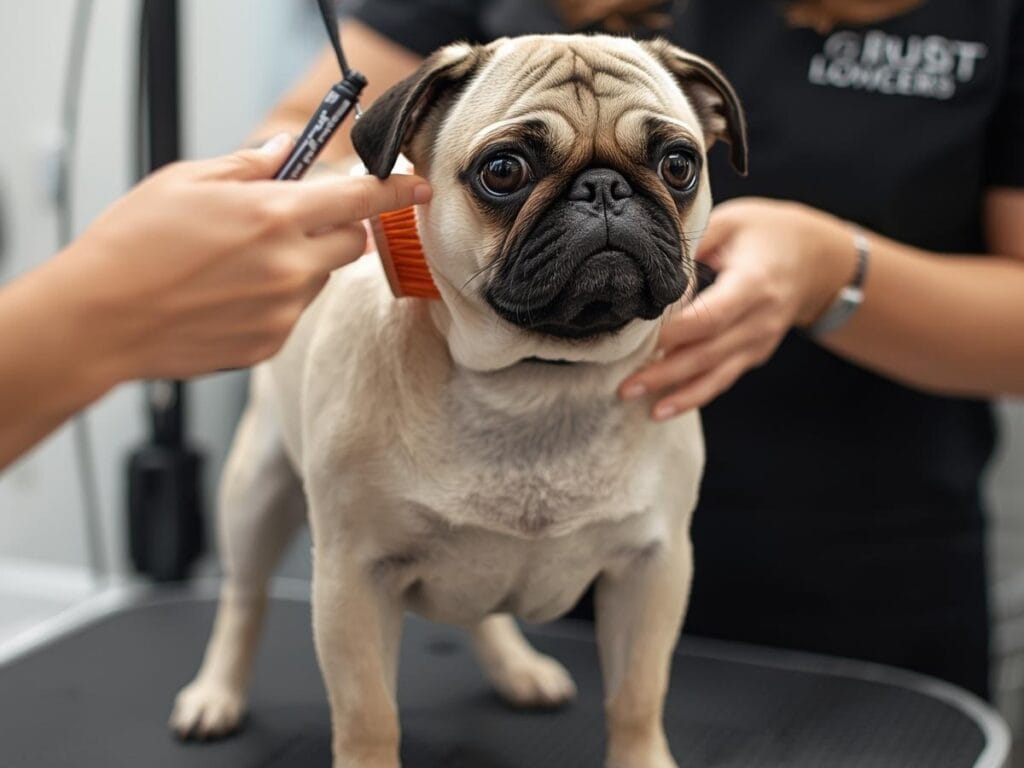
Pugs are known for their distinctive facial folds, but those wrinkles require regular care to stay healthy. Dirt, moisture, and debris can easily collect inside the folds of the skin. Without routine cleaning, this buildup may lead to irritation or infection. For this reason, wrinkle care is an important part of breed grooming for pugs.
A consistent routine helps keep the skin clean while preventing discomfort. Facial folds should be checked regularly so that any signs of redness, odor, or moisture can be addressed early. Proper wrinkle care is not complicated, but it does require gentle handling and attention to detail.
Because pugs have sensitive skin, the cleaning process should always be done carefully. Using mild products and soft materials helps prevent irritation while still removing dirt that collects in the folds.
Why Wrinkle Care Is Important For Pugs
Wrinkles are a defining feature of the pug breed, but the same folds that give them their unique appearance can also trap moisture and debris. Food particles, dust, and natural oils can accumulate in these creases throughout the day. When the folds stay damp for long periods, bacteria or yeast may develop.
Regular breed grooming routines help prevent these issues. By cleaning and drying the folds consistently, owners can reduce the chance of skin irritation. Grooming sessions also make it easier to notice early warning signs such as redness or unusual odor.
Veterinary guidance often emphasizes wrinkle care for flat-faced breeds because their skin folds require more attention than smoother-coated dogs. A simple cleaning routine performed regularly helps maintain comfort and healthy skin.
Preparing For Wrinkle Cleaning
Before beginning the cleaning process, it helps to gather the necessary supplies. Having everything ready ensures the process goes smoothly and reduces stress for the dog.
Common items used in wrinkle cleaning include:
- Soft cloths or cotton pads
- Dog safe wipes designed for facial cleaning
- A mild pet cleanser or warm water
These items allow the folds to be cleaned gently without exposing the skin to harsh chemicals. When performing breed grooming tasks like wrinkle cleaning, using pet-safe products is always recommended.
Calm surroundings also help the dog remain comfortable. Many pugs become accustomed to the routine over time, especially if grooming is introduced early and done regularly.
Step-by-Step Wrinkle Cleaning Process
Cleaning facial folds involves several simple steps that remove dirt while protecting the sensitive skin. Each step should be done slowly to avoid discomfort.
First, a soft cloth or wipe can be slightly moistened with warm water or a gentle pet cleanser. Excess liquid should be squeezed out so the cloth is damp rather than dripping. Too much moisture can remain trapped in the folds.
Next, each wrinkle should be gently opened and wiped. The cloth should move slowly through the creases to remove dirt or debris that may have collected during the day. Careful wiping helps avoid rubbing the skin too harshly.
Once the folds are cleaned, drying the area becomes extremely important. Moisture left inside the folds can lead to irritation if it remains trapped. A dry cloth can be used to pat the area until the skin is completely dry.
This simple routine helps maintain healthy skin and keeps the folds comfortable.
Creating A Consistent Wrinkle Care Routine
Consistency is essential for effective breed grooming when it comes to wrinkle care. Many owners find that cleaning the folds a few times each week works well for maintaining healthy skin. In some cases, daily checks may be helpful, especially after meals or outdoor activity.
Regular wrinkle cleaning also becomes easier when it is incorporated into the dog’s normal grooming routine. Combining wrinkle care with brushing or general coat grooming helps create a predictable routine that the dog becomes comfortable with.
Over time, pugs often learn to tolerate wrinkle cleaning without difficulty. Gentle handling, patience, and positive reinforcement can help make the process easier for both the dog and the owner.
Supporting Overall Skin Health
Wrinkle care is only one part of maintaining healthy skin in pugs. Balanced nutrition, proper hydration, and regular grooming all contribute to skin condition. When these factors are combined with routine wrinkle cleaning, the dog is less likely to develop irritation within the folds.
Breed grooming routines for pugs often include brushing, bathing, nail trimming, and facial cleaning. Each of these steps supports the dog’s overall health and comfort.
By maintaining a steady wrinkle cleaning routine, owners can help ensure that their pug’s skin remains clean and irritation-free. Consistent care allows the folds to remain a charming feature of the breed rather than a source of discomfort.
How Do You Prevent Skin Infections In Pug Wrinkles?
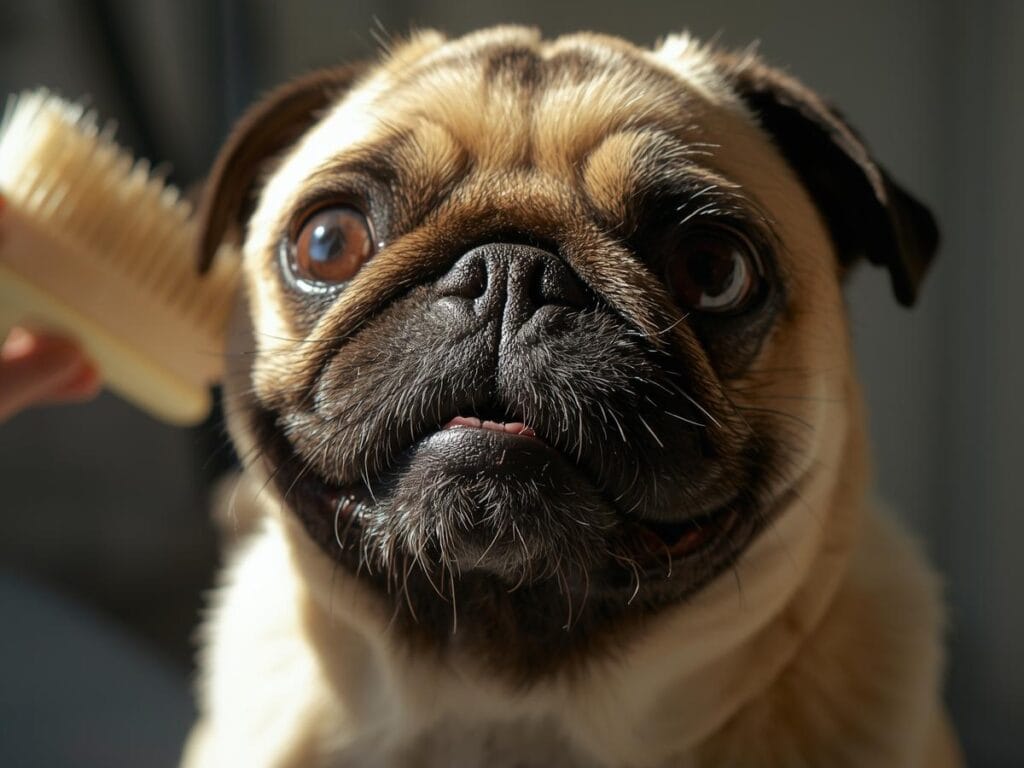
Pugs are known for their expressive faces and deep skin folds, but those wrinkles can also create conditions where irritation develops easily. Moisture, dirt, and natural oils often collect in the folds of the skin throughout the day.
If these areas remain damp or uncleaned, bacteria and yeast may grow, which can lead to skin infections. Preventing these problems is an important part of responsible breed grooming.
Routine cleaning plays a major role in keeping wrinkles healthy. When folds are wiped regularly and dried carefully, it becomes much harder for bacteria to develop.
Regular checks of the skin also help identify early warning signs such as redness or unusual odor. Addressing these small changes quickly can prevent more serious irritation later.
Veterinary research has shown that dogs with deep skin folds face a higher risk of skin fold dermatitis, sometimes referred to as intertrigo.
Studies examining veterinary records have found that pugs are among the breeds more likely to experience this condition. Preventive care through consistent breed grooming practices can significantly reduce the likelihood of irritation developing in the folds.
Daily Habits That Reduce Wrinkle-Related Irritation
Preventing infections in facial folds does not require complicated routines, but it does require consistency. Many owners find that checking their pug’s wrinkles each day helps maintain healthy skin.
Several habits can help reduce the chance of irritation:
- Clean facial folds regularly to remove moisture and debris
- Monitor the skin for redness, swelling, or unusual discharge
- Keep folds dry after cleaning, bathing, or outdoor activity
Regular cleaning removes the particles that often collect in the wrinkles. Even small amounts of dirt or leftover food can irritate the skin when trapped in these folds. Gentle cleaning followed by careful drying helps prevent moisture from lingering in the creases.
Monitoring the skin also plays an important role in breed grooming. When owners regularly inspect the folds, they can notice early signs of irritation. Catching these changes early often makes them easier to manage.
Understanding Skin Fold Dermatitis
Skin fold dermatitis occurs when two areas of skin rest closely together, creating a warm and moist environment. This environment allows bacteria and yeast to grow more easily. In dogs with deep wrinkles, such as pugs, this condition can develop if the folds remain damp or uncleaned.
Research examining canine health records has shown that some breeds are significantly more likely to develop this type of irritation.
One large study of veterinary data found that pugs have a notably higher risk compared with many other breeds. This increased risk highlights the importance of careful wrinkle maintenance as part of regular breed grooming.
Although the condition can sound concerning, it is often preventable. Consistent cleaning, drying, and monitoring of the folds can greatly reduce the chances of irritation developing.
Products And Techniques For Safe Wrinkle Care
Choosing appropriate grooming products helps protect the sensitive skin around a pug’s face. Harsh cleaners or heavily scented products may irritate the skin and should generally be avoided. Mild and gentle options tend to work best.
Several commonly recommended items support safe wrinkle care:
- Pet safe cleansers that are mild and designed for sensitive skin
- Light moisturizers formulated for dogs when dryness becomes a concern
- Routine veterinary examinations to monitor overall skin health
Pet safe cleansers are often the most useful tool for wrinkle care. These gentle formulas help remove oils and debris without stripping the skin’s natural moisture barrier. Using a soft cloth or wiping with a small amount of cleanser can make cleaning quick and comfortable.
Moisturizing products may also be helpful if the skin becomes dry or cracked. However, only products designed specifically for dogs should be used. This helps ensure that ingredients remain safe for sensitive facial areas.
Regular veterinary visits also support effective breed grooming. Professional exams can identify skin conditions early and provide guidance on maintaining healthy folds.
How Should You Perform Nail Trimming for Pugs Safely and Effectively?

Nail trimming is an important part of breed grooming for pugs, but it can also be one of the tasks owners feel most uncertain about. Many dogs become anxious when their paws are handled, especially if they are not used to the process. With the right approach, nail trimming can become a manageable and routine part of grooming.
Pugs have small nails that grow steadily, and if they are not trimmed regularly, they may become too long. Overgrown nails can affect how a dog walks and may even lead to discomfort over time. Nails that touch the ground constantly can place pressure on the toes and joints, which may cause long-term issues.
For these reasons, consistent nail care is essential within any breed grooming routine. Taking a slow and patient approach helps keep the dog comfortable and reduces the chance of injury during the trimming process.
Preparing Your Pug For Nail Trimming
Preparation plays a large role in making nail trimming easier. Many pugs are more relaxed when they have time to get used to the tools and the handling involved. Allowing the dog to inspect the clippers or grinder before trimming begins can help reduce anxiety.
Calm surroundings also make the process smoother. Trimming nails in a quiet environment where the dog feels safe often leads to better cooperation. Many owners find that short grooming sessions work better than long ones, especially when the dog is still learning the routine.
A steady breed grooming schedule also helps dogs become familiar with the process. When nail trimming is performed regularly rather than only occasionally, many pugs become more comfortable with the routine.
Step-by-Step Approach To Safe Nail Trimming
Trimming a pug’s nails requires careful attention and a gentle approach. The goal is to remove small portions of the nail without cutting the quick, which is the sensitive area inside the nail that contains blood vessels.
A careful trimming routine generally includes the following steps:
- Allow the dog to settle and hold the paw gently but securely
- Trim a small portion of the nail at a time rather than removing too much at once
- Pause frequently so the dog remains calm during the grooming session
Trimming gradually is one of the most important parts of safe nail care. Removing only a small section at a time lowers the risk of cutting the quick. If the dog has light colored nails, the quick may be visible as a pink area within the nail. Dark nails require extra caution because the quick cannot be seen easily.
Short sessions with praise or small rewards can also help create a positive experience. Over time, these routines make nail trimming less stressful for both the dog and the owner.
Choosing The Right Nail Trimming Tools
Using the proper tools makes nail trimming safer and more precise. Because pugs have small nails, tools designed for smaller breeds usually provide better control.
Several tools are commonly used in breed grooming routines for nail care:
- Scissor-style nail clippers designed for small dogs
- Guillotine-style clippers that allow controlled cuts
- Nail grinders that smooth the nail gradually
Scissor-style clippers are popular because they offer good visibility and control when trimming small nails. Guillotine clippers are another option that some owners prefer for their quick cutting motion.
Nail grinders are also widely used, especially for dogs that dislike clippers. Instead of cutting the nail, the grinder gradually files it down. This method can reduce sharp edges and may lower the risk of trimming too much at once.
Avoiding Common Nail Trimming Mistakes
Many nail-trimming problems occur when the process is rushed. Moving too quickly increases the chance of cutting the quick, which can cause bleeding and discomfort. Patience is one of the most important aspects of safe breed grooming.
A calm and steady approach helps prevent common mistakes. Working slowly and trimming small amounts at a time gives the owner greater control. If the dog becomes restless, taking a short break can make the process easier.
Positive reinforcement also helps build trust. Offering a small treat or praise after each paw is trimmed can create a more relaxed experience for the dog. Over time, these rewards encourage cooperation during grooming sessions.
Building A Comfortable Nail Care Routine
Consistent nail care keeps the dog comfortable and supports overall paw health. Many pugs benefit from having their nails checked every few weeks. When trimming is done regularly, the nails remain short, and the process becomes easier.
Incorporating nail trimming into a full breed grooming routine helps maintain the dog’s overall hygiene. Grooming sessions that include brushing, wrinkle cleaning, and nail care allow owners to monitor the dog’s health while keeping them comfortable.
With patience, proper tools, and consistent routines, nail trimming can become a simple part of regular care. Maintaining healthy nail length supports mobility and helps ensure that pugs remain comfortable during daily activities.
Essential Steps for Cleaning and Caring for Pug Wrinkles
Pugs have distinctive features that make them lovable companions, but their skin requires careful attention.
Their folds, short coats, and sensitive skin mean that proper care plays an important role in preventing irritation and infection. A consistent breed grooming routine helps keep the skin clean, supports coat health, and allows owners to monitor for early warning signs of problems.
Maintaining healthy skin often comes down to a few simple habits practiced regularly. Clean skin is less likely to develop irritation, and a well-maintained coat protects the body from environmental stress.
Grooming also creates opportunities to check areas that are easy to overlook, such as wrinkles, paws, and the base of the tail.
Several daily care habits support healthy skin in pugs:
- Regular grooming helps remove dirt and buildup that can irritate the skin
- A balanced diet provides nutrients that strengthen the skin and coat
- Proper hydration supports overall skin condition and elasticity
When these habits become part of a regular routine, they can greatly reduce the chances of skin issues developing. For pugs in particular, breed grooming routines that include brushing and wrinkle care are especially helpful in maintaining skin comfort.
Signs That May Indicate Skin Problems
Early detection is one of the most effective ways to prevent small skin problems from becoming more serious. Because pugs have sensitive skin, changes can appear quickly if irritation begins to develop. Regular observation during grooming sessions helps owners notice these changes early.
Common signs of skin irritation or infection include:
- Redness or inflammation around folds or on the body
- Frequent scratching, licking, or biting at the skin
- Unusual odor coming from the skin or wrinkles
Redness often appears first when the skin becomes irritated. In pugs, this can develop within facial folds or areas where moisture collects. If redness persists, it may indicate that bacteria or yeast are beginning to develop.
Excessive scratching is another common sign. Dogs sometimes scratch for minor reasons, but persistent scratching may signal allergies, parasites, or skin irritation. Observing these behaviors during breed grooming sessions can help identify issues that require attention.
Odor is another sign that should not be ignored. A strong or unusual smell often indicates that bacteria or yeast have developed on the skin. Regular cleaning and drying of skin folds usually helps prevent this problem.
How Regular Grooming Supports Healthy Skin
Routine grooming does much more than keep a dog looking neat. It also plays a direct role in maintaining healthy skin. Through brushing and cleaning, owners remove particles that may irritate the skin and contribute to infection.
Regular breed grooming sessions support skin health in several ways:
- Removing dead skin cells that may accumulate in the coat
- Distributing natural oils that keep the skin moisturized
- Allowing early identification of skin changes or irritation
Brushing helps remove loose hair and debris that may otherwise remain trapped close to the skin. Even though pugs have short coats, they still benefit from brushing several times each week.
Another benefit of brushing is the distribution of natural oils. These oils protect the skin and maintain the coat’s natural shine. When oils are spread evenly through grooming, the coat remains healthier and less prone to dryness.
Perhaps the most important benefit of breed grooming is early detection. Regular grooming allows owners to observe the dog’s skin closely. Small changes, such as dryness, redness, or bumps, can be noticed sooner when grooming is done consistently.
Creating A Routine That Protects Skin Health
Maintaining healthy skin in pugs requires consistency rather than complicated techniques. A simple grooming routine that includes brushing, wrinkle cleaning, and regular observation often provides the best protection against irritation.
Many owners find that incorporating grooming into weekly routines makes the process easier. Short sessions performed regularly help maintain skin health while keeping the dog comfortable with the process.
Breed grooming routines that focus on cleanliness, nutrition, and observation can significantly reduce the likelihood of infections. With steady care and attention, pug owners can help ensure their dog’s skin remains healthy, comfortable, and free from common irritations.
Frequently Asked Questions About Pug Grooming And Care

Pug owners often have questions about maintaining their dog’s skin, coat, and overall comfort. Because pugs have unique physical traits such as facial folds and short coats, their grooming needs differ slightly from those of many other breeds. A thoughtful breed grooming routine can help prevent common issues while keeping the dog comfortable and healthy.
The following answers address several questions that owners frequently ask about caring for pugs and maintaining their grooming routine.
What Should I Do If My Pug Has A Skin Infection?
Skin infections in pugs should always be taken seriously. Their wrinkles and sensitive skin can make them more prone to irritation, which may develop into an infection if left untreated. If you notice redness, swelling, unusual odor, or discharge in the skin folds or other areas, it is important to have the dog evaluated by a veterinarian.
Treatment may include medicated shampoos, topical ointments, or oral medications, depending on the severity and cause of the infection. In many cases, the veterinarian will also recommend adjustments to the dog’s breed grooming routine to help prevent future problems. Regular wrinkle cleaning and coat care can help reduce the risk of infections developing again.
Early attention to these symptoms often leads to faster recovery and prevents the issue from becoming more severe.
How Can I Help My Pug Feel Comfortable During Grooming Sessions?
Some pugs enjoy grooming, while others may feel nervous when tools are introduced. Helping the dog feel comfortable during grooming is an important part of building a long-term breed grooming routine.
Creating a calm environment is a good starting point. Quiet surroundings and a relaxed pace can help the dog remain at ease. Many owners find that short grooming sessions are more effective than longer ones, especially when the dog is still becoming familiar with the process.
Allowing the pug to inspect grooming tools before they are used can also reduce anxiety. When dogs become familiar with the tools, they often feel less threatened by them. Offering praise or small rewards during the session helps reinforce positive behavior and gradually builds trust.
With consistency, grooming sessions often become easier and more comfortable for both the owner and the dog.
Are There Dietary Recommendations That Support Coat Health?
Diet plays an important role in maintaining healthy skin and coat condition. A balanced diet that includes essential fatty acids helps support skin hydration and coat strength. Nutrients such as omega fatty acids are commonly associated with improved coat appearance and reduced dryness.
These nutrients are often found in fish oil supplements or specially formulated dog foods. However, any dietary adjustments should be discussed with a veterinarian before being introduced. This ensures the dog receives appropriate nutrition without unnecessary changes.
When good nutrition is combined with regular breed grooming practices such as brushing and skin checks, the coat often appears healthier and more manageable.
How Can I Tell If My Pug’s Nails Are Too Long?
Nail length is another important part of routine grooming. Pug nails that become too long can affect how the dog walks and may cause discomfort over time. One of the most noticeable signs of overgrown nails is a clicking sound when the dog walks on hard surfaces such as tile or wood flooring.
Another sign appears when the dog is standing normally. If the nails touch the ground while the dog is standing still, they are likely due for trimming. Keeping nails at an appropriate length supports proper posture and reduces pressure on the toes.
Regular nail checks during breed grooming sessions help prevent nails from becoming overgrown.
What Are The Signs Of Allergies In Pugs?
Pugs can experience allergies that affect their skin and coat. Allergies may appear as frequent scratching, licking, or biting at certain areas of the body. Redness within facial folds or recurring ear irritation can also signal an allergic reaction.
Because allergies can have different causes, including environmental triggers or food sensitivities, proper diagnosis is important. A veterinarian can evaluate symptoms and determine the best approach for treatment.
Regular breed grooming routines help owners notice these changes sooner, which allows problems to be addressed before they worsen.
How Often Should Pugs Receive Veterinary Skin Checkups?
Routine veterinary visits play a valuable role in maintaining skin health. Most dogs benefit from a full veterinary examination at least once each year. These visits allow veterinarians to evaluate the dog’s skin, coat, and overall health.
Older dogs or those that experience recurring skin issues may benefit from more frequent visits. In some cases, veterinarians recommend checkups every 6 months to monitor ongoing conditions.
Combining veterinary care with a consistent breed grooming routine provides a strong foundation for maintaining healthy skin, coat condition, and overall comfort for pugs. Regular observation, proper grooming habits, and professional guidance help ensure that potential problems are addressed early and managed effectively.
Conclusion
Grooming a Pug requires specialized knowledge to properly care for their unique wrinkles, sensitive skin, and dense coat while keeping them comfortable throughout the process.
Understanding breed-specific needs transforms grooming from a challenge into a rewarding experience for both you and your furry friend. For comprehensive training that covers all aspects of breed-specific grooming, including the special considerations for brachycephalic breeds like Pugs, choose OTCK9 Grooming School.
Ready to master the art of grooming every breed with confidence? Call 770-874-1803 or fill out our online form. Let us help you develop the skills to provide exceptional care for every dog that comes to your table.