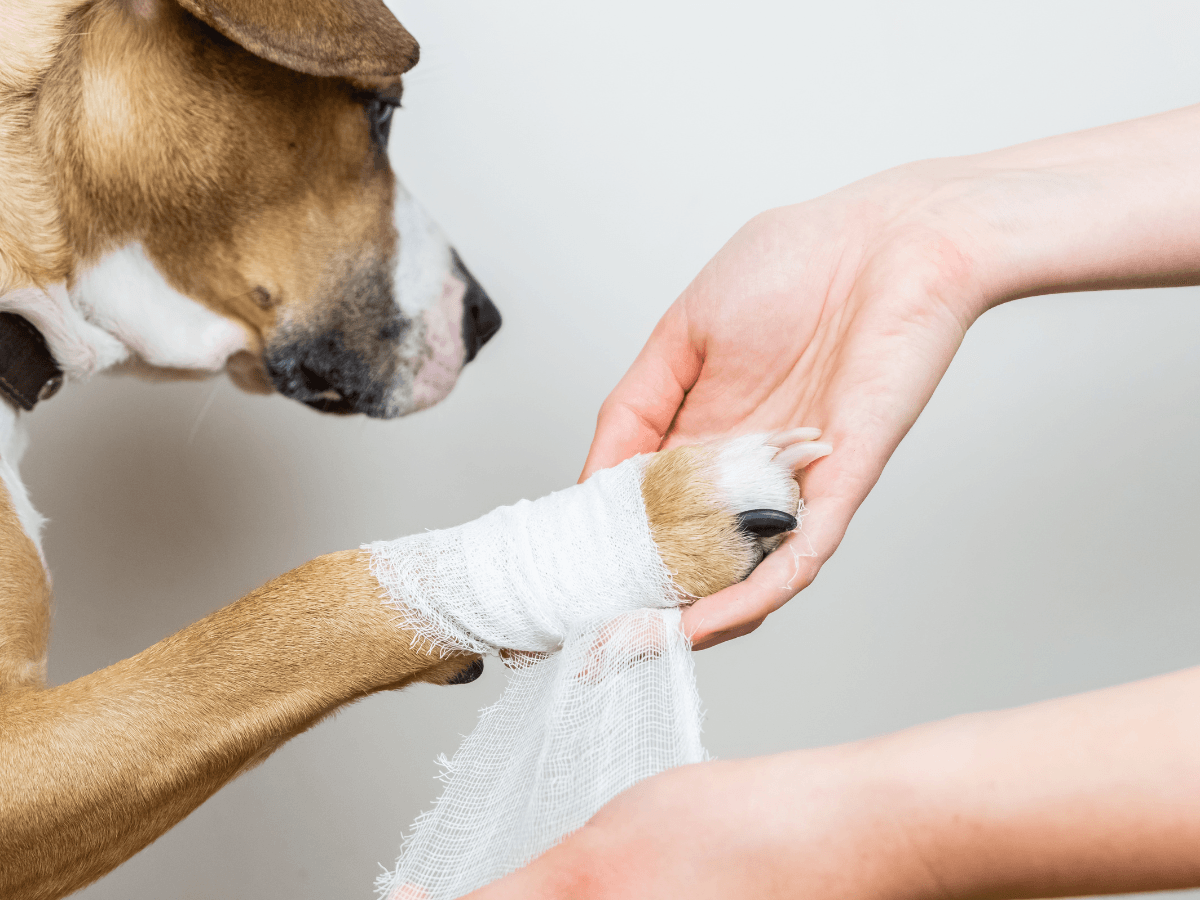
Every walk, backyard sprint, staircase, and enthusiastic zoomies puts your dog’s paws to work. Yet paws are easy to overlook until you notice licking, limping, cracked pads, an overgrown nail, or sudden hesitation on surfaces your dog normally handles without a problem.
Good paw care starts before discomfort appears. Regular nail trims, quick checks between the toes, clean paw pads, seasonal protection, and attention to cuts or irritation can help keep everyday movement comfortable.
Hot pavement, winter conditions, rough terrain, allergens, and debris can also create different challenges throughout the year.
Making paw checks part of your dog’s normal grooming routine gives you a chance to catch small changes early. After all, healthy paws don’t just look well cared for. They help your dog comfortably get wherever those four feet want to go.
Essential Paw Care Tips Every Dog Owner Should Know
Why Paw Pad Health Matters
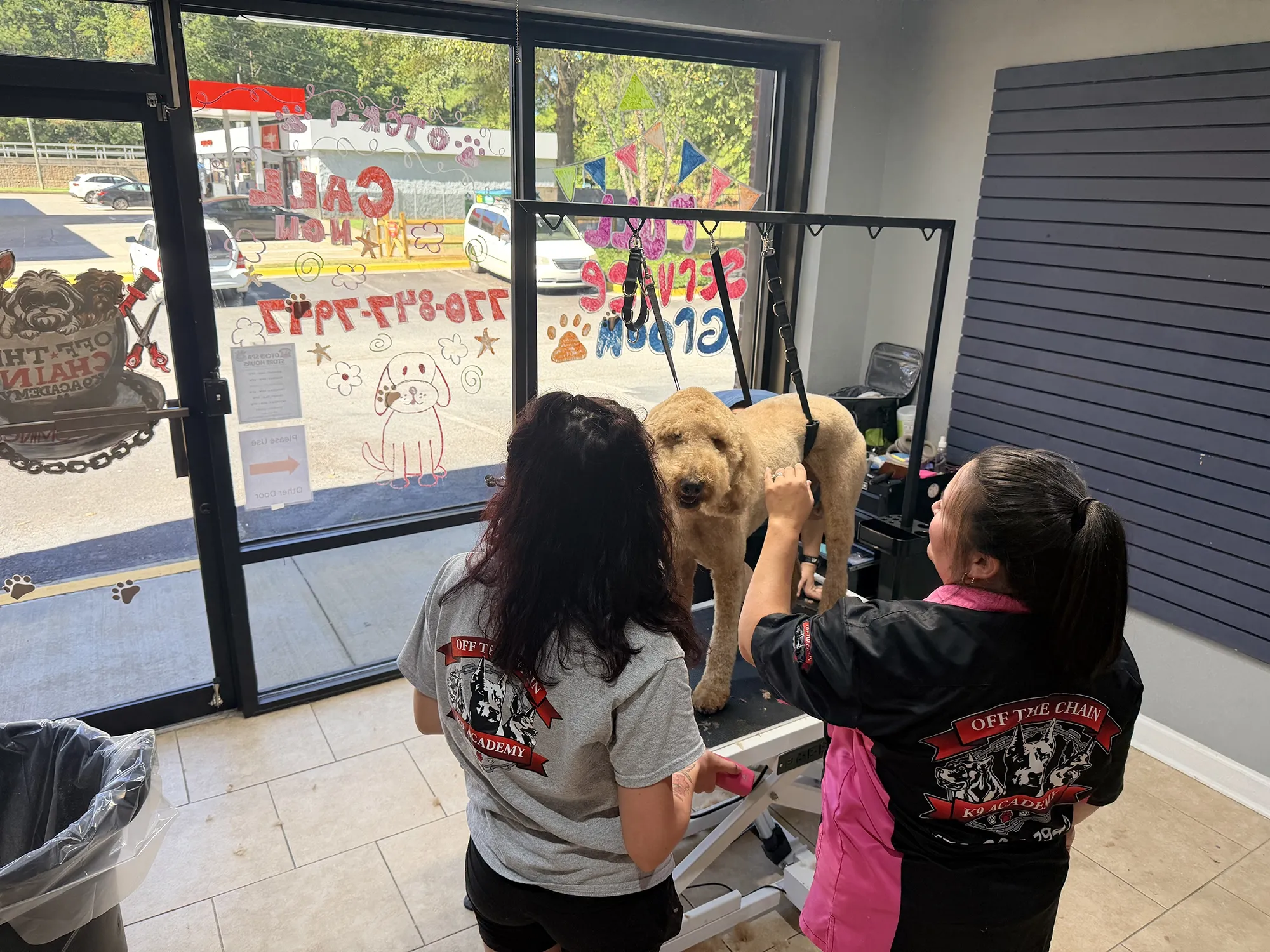
A dog’s paws handle pavement, grass, gravel, dirt, moisture, heat, cold, and debris every day, making routine paw care an important part of keeping a dog comfortable and mobile.
Healthy paw pads are naturally tough, but cuts, burns, cracking, foreign objects, overgrown nails, and matted hair between the toes can still cause discomfort. Persistent licking or limping may also signal that something needs attention.
What Do a Dog’s Paw Pads Actually Do?
Paw pads provide cushioning and traction while helping protect the feet from repeated impact and rough ground. They still remain vulnerable to extreme temperatures, chemicals, and sharp objects.
A thorough paw check should include the pads, spaces between the toes, nails, and surrounding hair rather than focusing only on the main pad.
What Does a Healthy Paw Pad Look Like?
Normal paw pads are not necessarily soft or perfectly smooth. Texture varies with age, activity, environment, and the individual dog.
Changes from your dog’s normal condition matter more. New cracks, bleeding, swelling, redness, tenderness, discoloration, excessive dryness, licking, or limping deserve closer attention.
Debris such as stones, plant material, road salt, dried mud, and matted hair can also hide between the toes and cause irritation.
What Happens If Cracked Paw Pads Are Ignored?
Minor surface dryness differs from a deep split or injury. Once the skin breaks, normal walking can repeatedly stress the area and make healing more difficult.
Bleeding, swelling, discharge, significant pain, persistent licking, or limping may require veterinary evaluation. Damaged pads can have several causes, so recurring problems should not automatically be treated as ordinary dryness.
How Do Nails and Paw Hair Affect Foot Comfort?
Overgrown nails can affect how the foot meets the ground, while excess or matted hair can trap moisture and debris. Maintenance needs vary with coat type, activity, growth rate, and lifestyle. Regular handling also makes it easier to notice when a dog suddenly becomes sensitive about having a paw touched.
Where Does Professional Grooming Fit Into Paw Health?
A trained groomer can maintain nails and excess paw hair while noticing visible changes such as matting, damaged nails, debris, or abnormal-looking pads.
Grooming does not replace veterinary care. Cuts, deep cracks, burns, persistent swelling, bleeding, or signs of infection fall outside routine grooming.
OTCK9’s professional grooming curriculum includes nail trimming, paw pad care, and canine safety, along with supervised work on real dogs so students can develop practical handling and observation skills.
That distinction protects both the dog and the groomer. Routine paw care can help keep feet clean, manageable, and easier to inspect, while cuts, deep cracks, burns, persistent swelling, bleeding, or signs of infection belong with a veterinarian rather than being treated as ordinary grooming problems.
How to Check Your Dog’s Paws for Problems
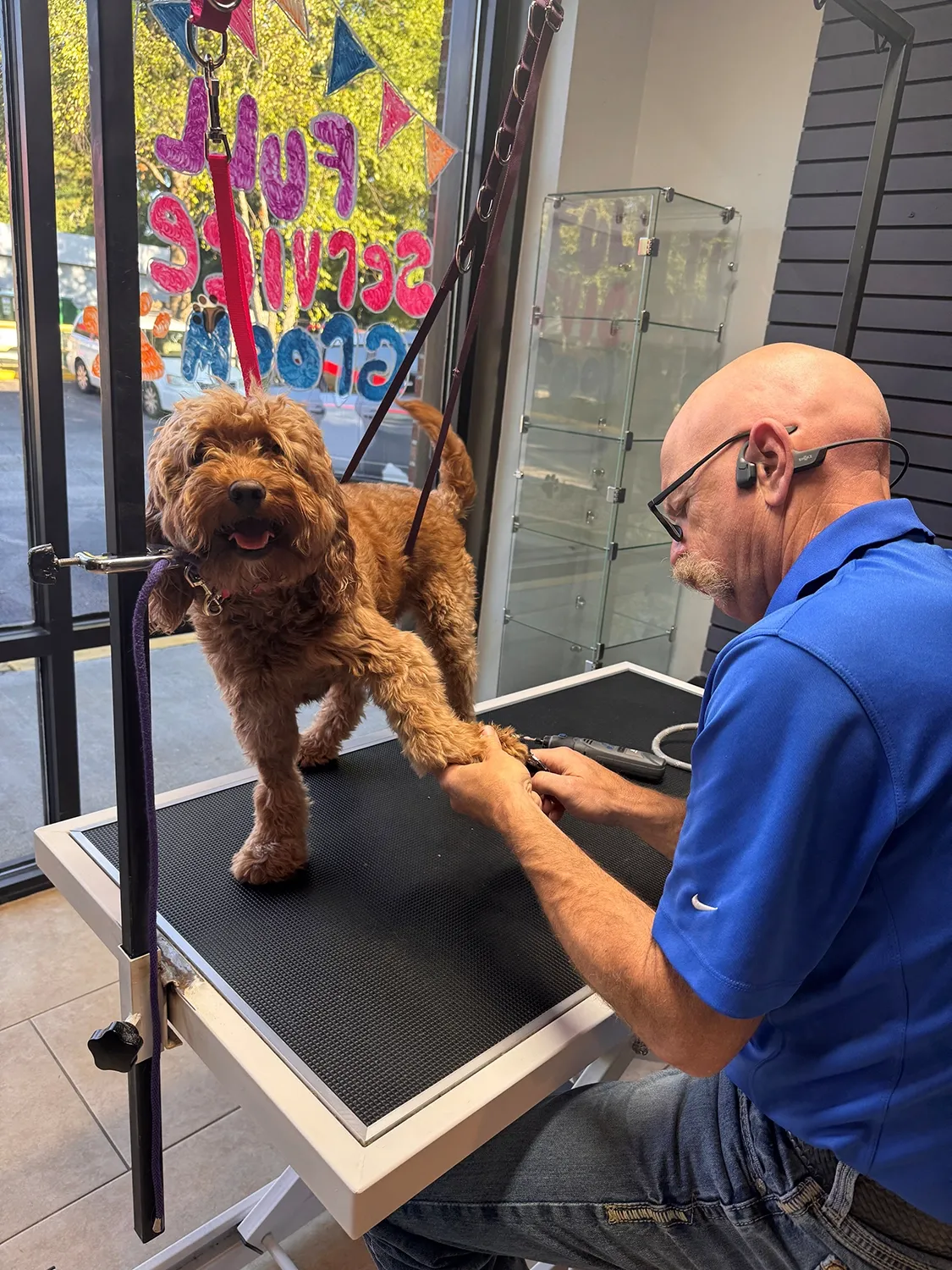
Regular paw checks make it easier to notice changes before they interfere with comfort or movement. Checks are especially useful after rough terrain, hot pavement, salted sidewalks, trails, or other higher-risk surfaces.
More thorough inspections can be incorporated into grooming, bathing, or nail care rather than following a rigid schedule.
What Should You Look for During a Paw Check?
Inspect the pads, spaces between the toes, nails, and surrounding hair for:
- Cracks, cuts, punctures, or torn areas
- Redness or swelling
- Broken, split, or overgrown nails
- Splinters, plant debris, stones, or other foreign material
- Unusual odor or discharge
- Matted or damp hair
- Thickened, discolored, or irritated areas
Behavior matters too. Persistent licking, limping, reluctance to bear weight, or sensitivity when a particular area is touched can indicate discomfort even when the cause is not immediately visible.
How Should You Examine Between the Toes and Pads?
Choose a calm moment and lift one paw at a time. Gently separate the toes and inspect the skin and fur without forcing the leg into an unnatural position.
Run your fingers lightly around the pads and nails while watching your dog’s reaction. Stop if an area causes obvious pain or the dog becomes distressed rather than repeatedly testing it.
Learning safe paw handling and restraint techniques helps groomers work around feet and nails without pulling limbs into uncomfortable positions or pushing through obvious resistance.
How Often Should You Inspect Your Dog’s Paws?
Use activity and exposure as your guide. Dogs that hike, run on rough ground, or encounter extreme weather may need more frequent checks than dogs spending most of their time indoors.
Hot pavement can burn pads, while ice, road salt, chemicals, and debris can cause other injuries. Check the paws after exposures that increase those risks.
When Does a Paw Problem Need Veterinary Attention?
Deep cuts, burns, persistent bleeding, significant swelling, discharge, embedded objects, or signs of infection should be evaluated by a veterinarian.
Persistent licking, redness, or inflammation can also have causes beyond routine grooming, including allergies, infection, foreign material, or other medical conditions.
The purpose of home inspection is not to diagnose every change. It is to recognize what is unusual and know when veterinary care is appropriate.
What Causes Cracked Paw Pads?
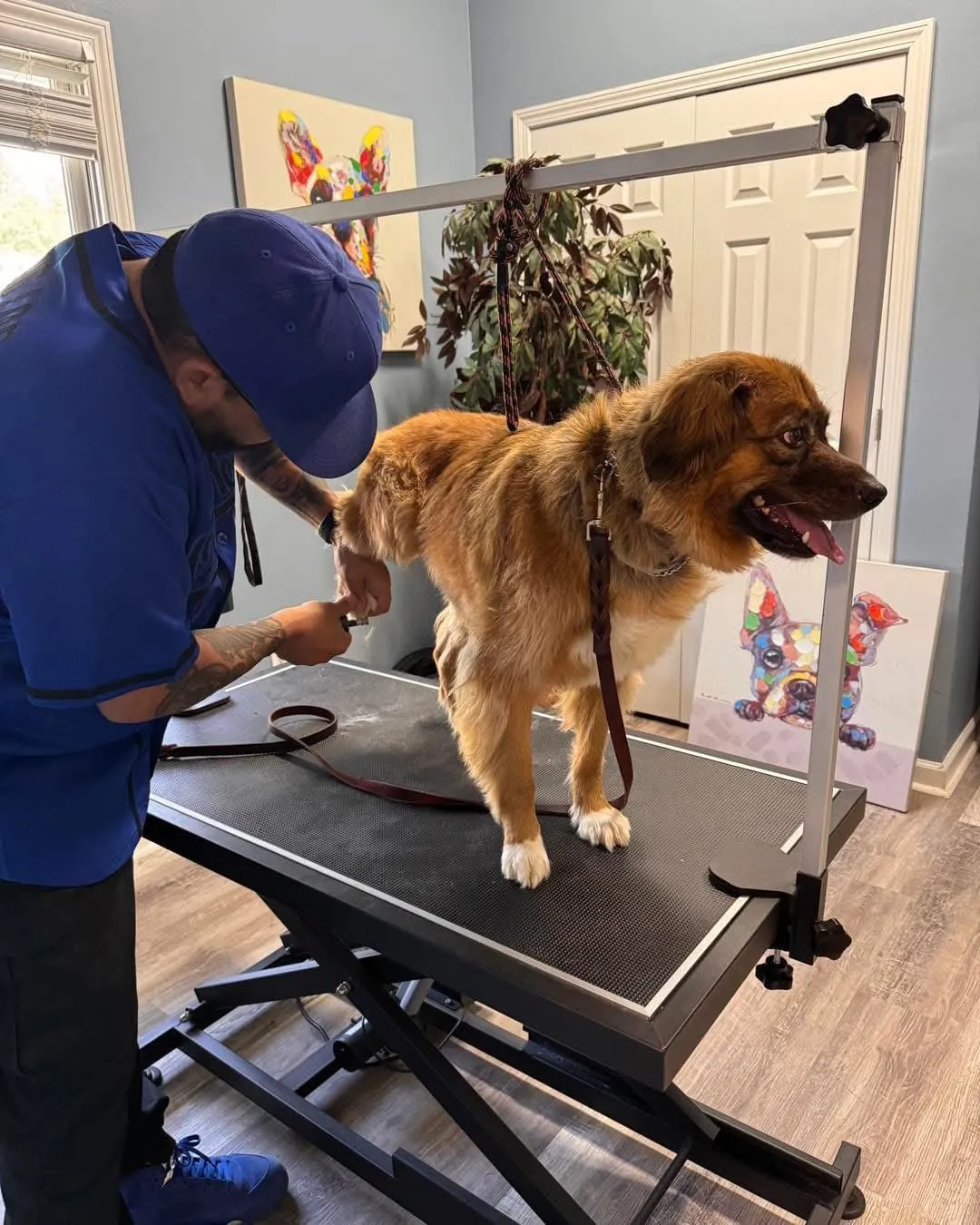
Cracked paw pads can result from rough surfaces, heat, cold, chemical irritants, repeated friction, skin conditions, and other health problems. Some surface roughness is normal, particularly in active dogs. Deeper cracks, bleeding, persistent licking, limping, or changes affecting several paws deserve closer attention.
How Do Rough Surfaces and Repeated Friction Affect Paw Pads?
Concrete, rocky trails, coarse ground, and other abrasive surfaces can gradually wear the outer layer of the pads. Dogs suddenly exposed to more activity or unfamiliar terrain may be particularly prone to irritation.
Repeated stress can also cause thickened areas. This should not automatically be confused with hyperkeratosis, which involves excessive keratin production and may require veterinary evaluation.
Can Hot Pavement Burn Dog Paws?
Yes. Paw pads can burn on hot pavement, asphalt, concrete, and other heat-absorbing surfaces. Redness, blistering, raw or peeling tissue, licking, limping, or reluctance to bear weight can indicate a burn. Significant burns require veterinary care.
How Does Winter Weather Affect Paw Health?
Ice, cold surfaces, road salt, and chemical deicers can irritate or injure paw pads. Moisture can also remain trapped in the hair around the feet after a winter walk. Dogs with dense or longer coats may hold that moisture longer, so drying between the toes and around the pads is an important part of cold-weather paw care.
Use a soft towel and blot or pat the feet instead of rubbing aggressively, then check between the toes for remaining moisture or debris. The same principles used in safe dog drying techniques apply here: control heat, avoid rough handling, and adjust the method to the dog’s coat and tolerance.
Can Household and Outdoor Chemicals Irritate Paw Pads?
Yes. Ice melt, certain cleaning products, yard chemicals, and other irritants can inflame paw skin. Rinse or wipe paws after potential exposure. If a dog contacts a corrosive substance or develops pain, swelling, redness, or visible tissue damage, contact a veterinarian.
Are Cracked Paw Pads Always Caused by the Environment?
No. Recurring or widespread cracking can be associated with allergies, hyperkeratosis, infections, endocrine disease, autoimmune conditions, and other health issues.
Several affected paws, recurring symptoms, or inflammation between the toes are reasons to consider veterinary evaluation rather than repeatedly treating the surface.
Why Do Some Cracks Become Painful?
Deeper fissures can penetrate the protective surface and hurt when a dog stands or walks. Normal movement may repeatedly reopen the area, while licking and chewing can add irritation. Persistent limping, bleeding, swelling, discharge, or refusal to bear weight indicates that the problem has moved beyond routine paw care.
How to Treat and Prevent Cracked Paw Pads
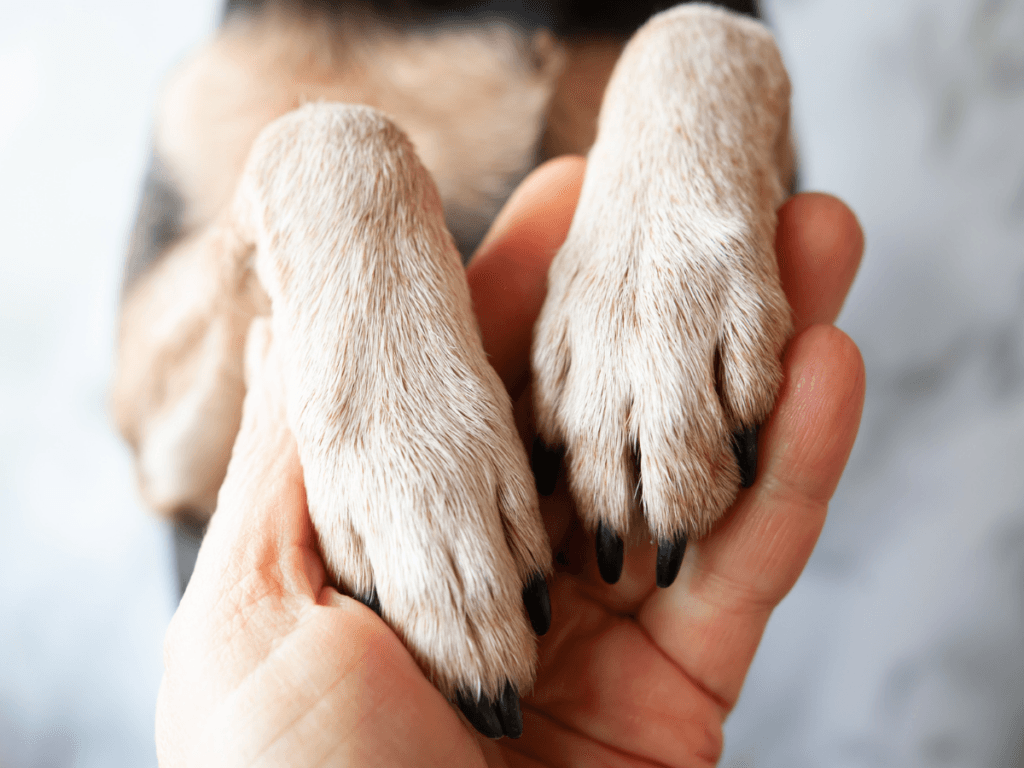
Treatment depends on the severity and cause. Mild surface dryness may improve with gentle cleaning and protection, while bleeding cracks, burns, swelling, limping, or recurring problems should be evaluated by a veterinarian. For minor, non-bleeding cracks, focus on keeping the pads clean and preventing further irritation.
What Can You Do at Home for Mildly Cracked Paw Pads?
Gently clean paws after exposure to rough ground, salted sidewalks, or dirty surfaces, then dry them thoroughly.
A dog-safe moisturizing balm or wax may be appropriate for superficial, non-bleeding cracks. Avoid human skin products or topical medications unless a veterinarian confirms they are safe.
Monitor licking and chewing because repeated self-trauma can further irritate damaged skin.
How Can You Prevent Cracked Pads From Getting Worse?
Reduce exposure to whatever caused the irritation in the first place. That may mean shortening walks on rough terrain, avoiding hot pavement, rinsing off deicing chemicals, or using properly fitted dog booties when the paws need extra protection.
Protective paw wax or balm can also provide a barrier against salt, dirt, ice, and rugged ground for some dogs. It should be viewed as one part of paw care rather than a shield that makes unsafe surfaces acceptable, particularly when pavement is hot enough to burn or the terrain is already causing pain.
Exercise may need to be reduced while a pad is healing. Paw-pad injuries are difficult to rest because every step places pressure on the affected area, and repeated walking can reopen damaged tissue or prolong recovery.
What At-Home Paw Care Habits Help Most?
A useful routine is simple: inspect, clean, dry, and protect. Check the pads and spaces between the toes after higher-risk outings, remove visible debris, rinse away irritants, and make sure the feet are dry before the dog settles back indoors.
Nails and excess hair around the feet matter too. Keeping nails at an appropriate length and preventing mats between the pads makes the feet easier to inspect and can reduce the amount of moisture, dirt, and debris trapped around the skin.
Drying technique deserves particular attention after baths or wet walks. Gentle towel drying is usually more appropriate than aggressive rubbing, while dogs with dense coats may need more thorough drying between the toes and around the pads to prevent prolonged dampness.
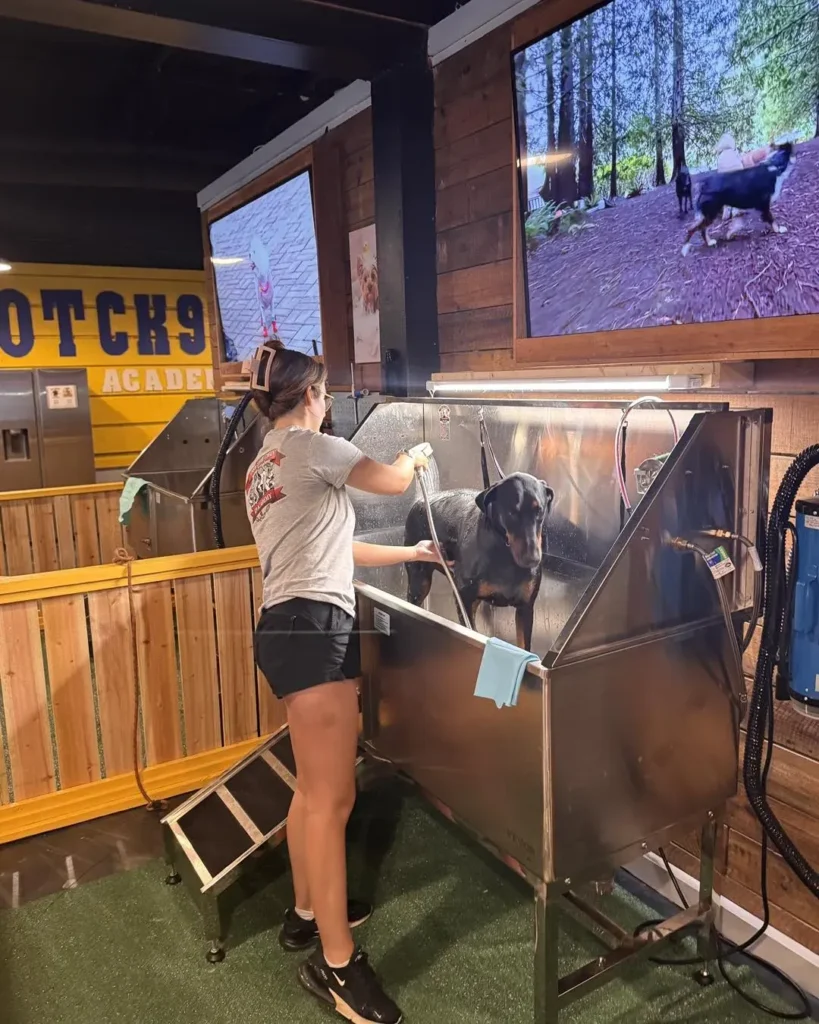
If a full wash is needed after muddy or dirty outings, a self-service dog wash can provide a practical place to rinse and dry the coat and feet. The value here is simply access to an appropriate washing setup, not treatment of the cracked pads themselves.
When Should Cracked Paw Pads Be Seen by a Veterinarian?
Bleeding cracks, swelling, significant pain, limping, excessive licking, behavior changes, deep wounds, burns, or signs of infection should prompt veterinary attention.
Recurrent cracking also deserves evaluation because allergies, hyperkeratosis, endocrine disease, nutritional problems, autoimmune conditions, and other medical issues can affect the paw pads.
Embedded objects and more serious wounds should not be dug out or treated aggressively at home. VCA recommends veterinary care for deep punctures, burns, deeply embedded foreign bodies, uncontrolled bleeding, and signs such as redness, swelling, pus, or ongoing pain.
The most effective prevention strategy is not applying more product. It is matching paw care to the dog’s environment, limiting repeat exposure to damaging surfaces, keeping the feet clean and dry, and recognizing when a cracked pad is no longer a simple grooming concern.
When Should You Turn to a Professional Groomer?
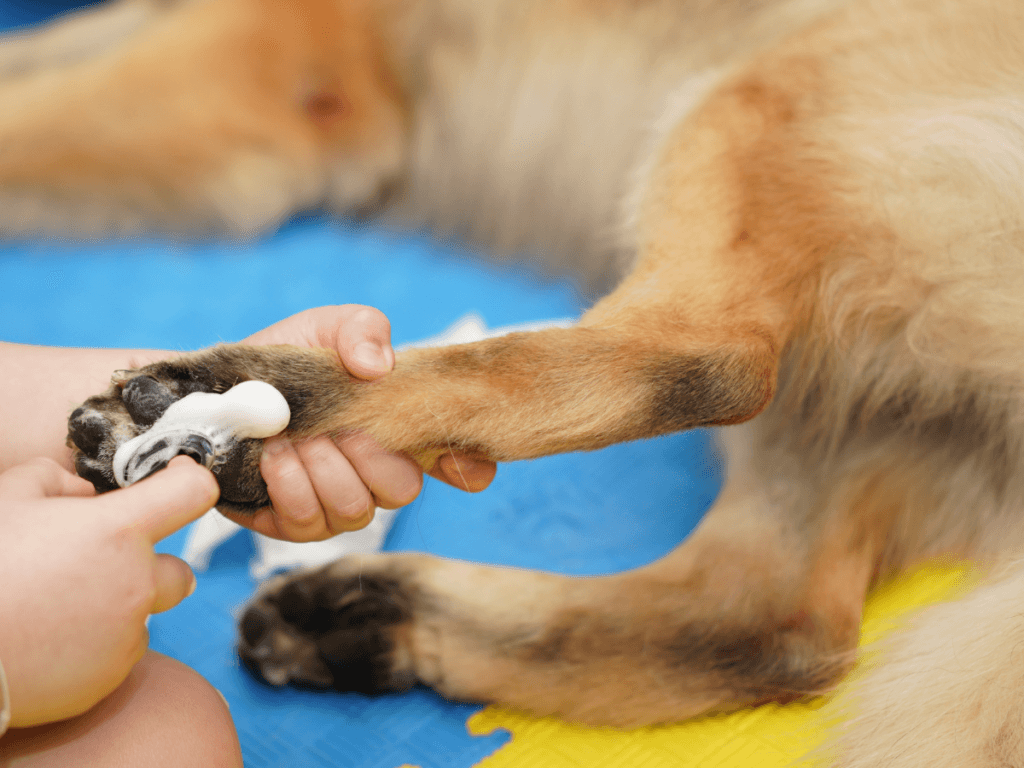
A professional groomer can be helpful when paw care involves routine maintenance such as nail trimming, excess hair between the pads, matting around the feet, or cleaning that has become difficult to manage safely at home.
Groomers also handle paws regularly enough that they may notice visible changes an owner has missed, but their role is different from diagnosing or treating a medical condition.
Deep cracks, bleeding, swelling, discharge, burns, persistent limping, or obvious pain should be evaluated by a veterinarian rather than booked as a grooming problem.
The same applies when a dog repeatedly licks or chews the feet, several paws are affected at once, or the problem keeps returning without a clear environmental cause.
What Paw Problems Can a Groomer Help With?
Routine grooming can address several issues that affect how easy the paws are to inspect and maintain. Overgrown nails, long hair between the pads, and mats around the toes can all make foot care more difficult, particularly in dogs with dense or fast-growing coats.
A groomer can trim nails to an appropriate length, remove excess or matted hair around the feet, and clean the paw area as part of a normal grooming appointment. These services support general paw care, but they do not replace veterinary treatment for wounds, skin disease, infection, or unexplained inflammation.
Professional grooming can also be useful for dogs whose owners struggle with safe positioning or nail trimming at home. Some dogs become anxious when their feet are handled, and forcing the process can increase stress or create a greater risk of accidental injury.
What Can a Groomer Notice During a Paw Check?
Because groomers routinely handle the feet, they may spot visible concerns such as redness, swelling, damaged nails, matted fur, debris between the toes, unusual tenderness, or changes in the appearance of the pads.
Noticing a problem is different from diagnosing it, however, and a responsible groomer should recommend veterinary follow-up when something appears outside the scope of routine grooming.
That distinction is especially important when a dog reacts differently than usual during foot handling. Pulling a paw away once may simply reflect sensitivity or nervousness, but sudden pain, repeated resistance, or an inability to bear weight can indicate that the session should stop until the cause is understood.
Safe handling is part of that professional judgment. Groomers learning dog grooming safety techniques are taught to watch stress signals, use tools carefully, and avoid pushing through strong resistance when handling sensitive areas such as the paws.
When Should You Call a Veterinarian Instead?
A veterinarian should be the first call when a paw problem looks painful, infected, or more serious than routine dryness. Bleeding cracks, deep cuts, burns, puncture wounds, pus, significant swelling, embedded objects, persistent limping, or a dog refusing to place weight on the foot all fall outside normal grooming care.
Recurring paw problems also deserve medical attention. Allergies, infections, parasites, hyperkeratosis, immune-related conditions, and other health problems can affect the paws, so repeatedly treating the surface without understanding the cause may allow the underlying issue to continue.
If you are unsure which professional to contact, consider what the dog actually needs. Groomers maintain healthy feet and may identify visible concerns, while veterinarians diagnose injuries, infections, skin disorders, and other medical causes of discomfort.
How Do You Choose a Groomer for Routine Paw Care?
Look for someone who handles dogs calmly, communicates clearly about what they observe, and is willing to stop when grooming becomes painful or unsafe.
A good groomer should also be comfortable telling an owner when something needs veterinary attention rather than attempting to treat a condition outside the grooming role.
Ask how the groomer approaches nail trimming, paw handling, anxious dogs, and unexpected skin or foot problems during an appointment. Clear boundaries are a positive sign because safe paw care depends as much on knowing when not to continue as it does on performing the grooming technique correctly.
Regular grooming and veterinary care work best as complementary parts of the same routine. Groomers can help maintain nails, coat, and paw cleanliness while owners monitor changes at home, and veterinarians step in when pain, injury, infection, or recurring abnormalities suggest something more than ordinary maintenance.
Conclusion
Healthy paws make everyday activities like walking, running, and playing more comfortable for your dog.
Regular nail trims, paw inspections, gentle cleaning, and attention to changes in the pads or surrounding fur can help owners catch potential problems before they begin interfering with normal activity. Groomers who understand proper paw care can also help owners maintain these routines safely and consistently.
For professional grooming education, hands-on training, and professional grooming services, choose OTCK9 Grooming School. To learn more about grooming services and training options, call 770-874-1803 or fill out the online form to request your free quote today.