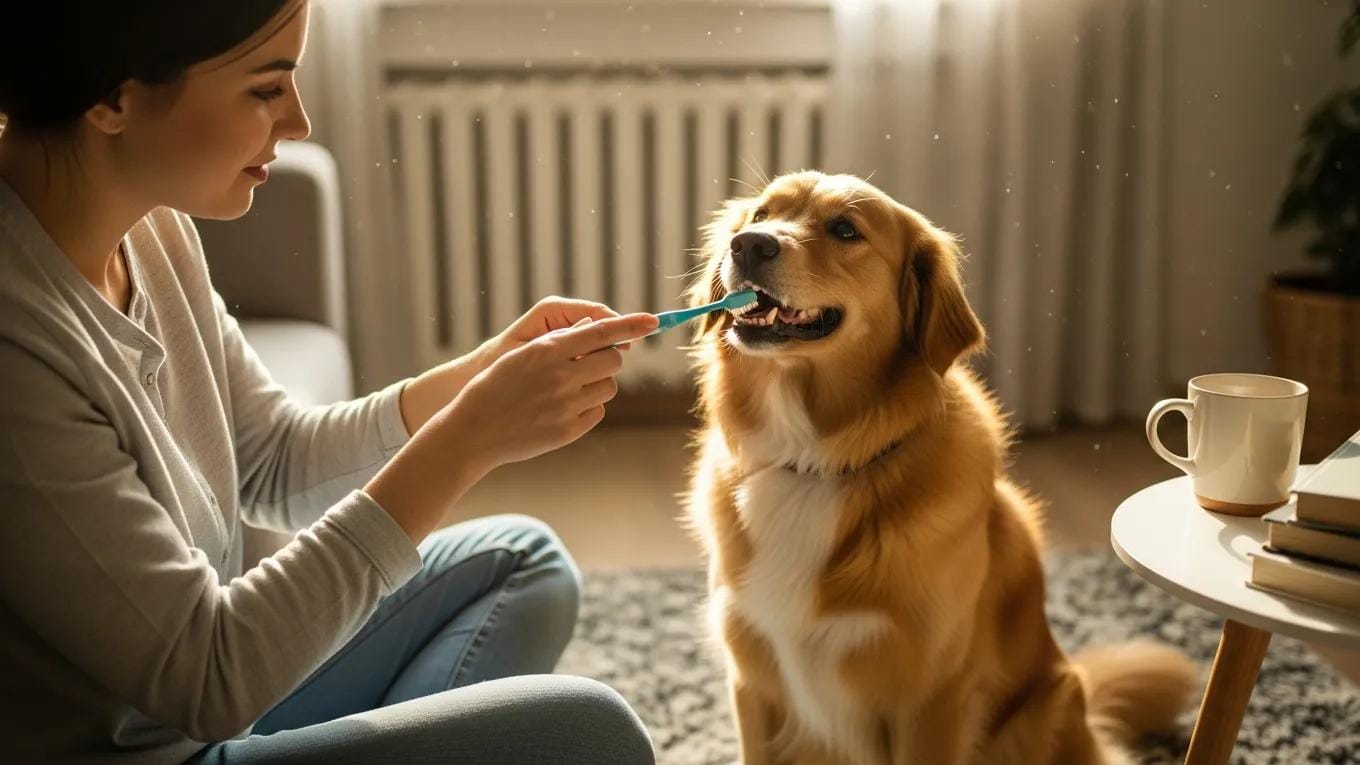
Healthy teeth are an important part of your dog’s overall well-being, yet dental care is often overlooked until problems become noticeable.
Plaque and tartar can build up over time, leading to bad breath, gum disease, and painful dental issues that may affect eating and long-term health. The good news is that regular home care can make a significant difference.
This simple dog teeth cleaning at home guide explains practical techniques that help keep your dog’s teeth and gums in better condition without adding unnecessary stress to your routine.
With the right tools, gentle methods, and consistent habits, you can reduce plaque buildup and support better oral health between professional cleanings.
A few minutes of regular dental care can help your dog stay healthier, happier, and more comfortable for years to come.
Dog Teeth Cleaning Habits That Help Prevent Dental Problems
Why Dog Oral Health Is Essential for Your Pet’s Overall Wellbeing
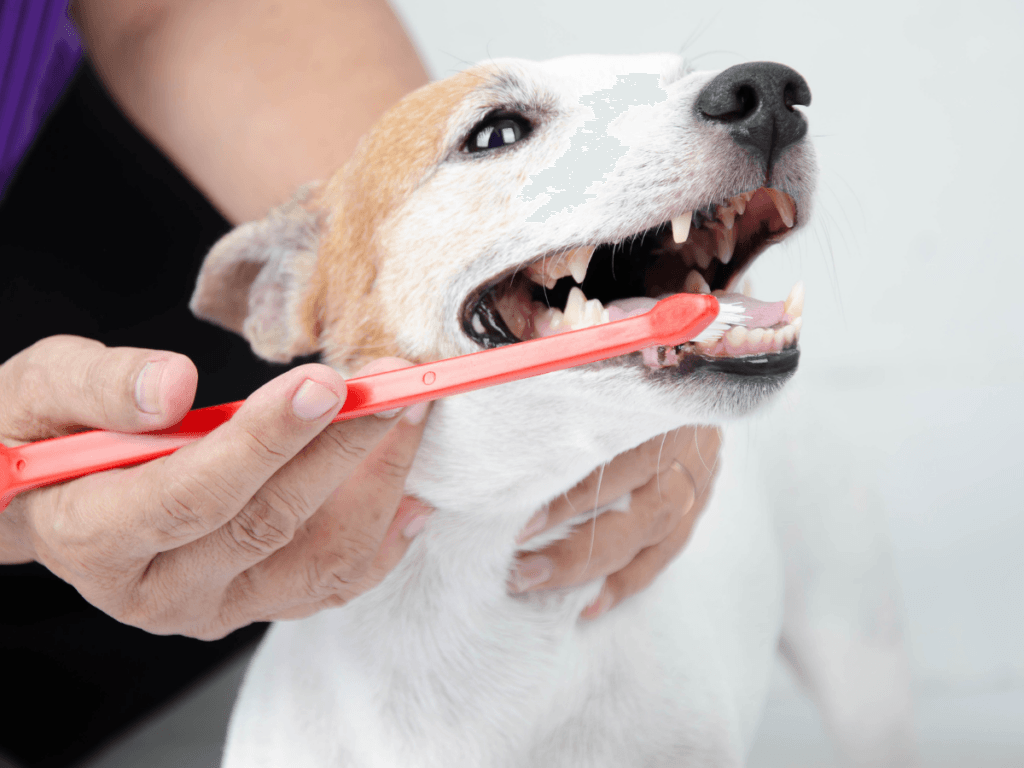
Good oral hygiene is about much more than keeping your dog’s breath fresh. Healthy teeth and gums play an important role in your pet’s overall health, comfort, and quality of life.
Without regular dog teeth cleaning, plaque and bacteria can build up below the gumline, leading to painful dental disease that may eventually affect other parts of the body.
In fact, veterinary professionals estimate that most dogs develop some degree of periodontal disease by the age of three. Because the condition often progresses silently, many owners don’t realize there’s a problem until their dog shows signs of pain, difficulty eating, or loose teeth.
Establishing a consistent dental care routine early, combined with regular veterinary checkups, is one of the best ways to prevent these issues before they become serious.
How Plaque and Tartar Lead to Dental Disease
Dental disease typically begins with plaque, a soft film made up of bacteria, saliva, and food particles that forms on the teeth every day. If plaque isn’t removed through regular dog teeth cleaning, it hardens into tartar, also known as calculus, within a matter of days.
Unlike plaque, tartar cannot be brushed away at home. It creates a rough surface that attracts even more bacteria, allowing them to collect around the gumline. As bacteria multiply, they irritate the gums, causing inflammation known as gingivitis.
Left untreated, this inflammation can progress into periodontal disease, where the tissues and bone supporting the teeth begin to deteriorate.
Over time, advanced periodontal disease may result in:
- Persistent bad breath
- Red, swollen, or bleeding gums
- Loose or missing teeth
- Pain while chewing
- Difficulty eating hard food
- Oral infections and abscesses
Since many dogs naturally hide discomfort, these warning signs often appear only after the disease has progressed significantly.
How Does Regular Brushing Help Prevent Periodontal Disease?
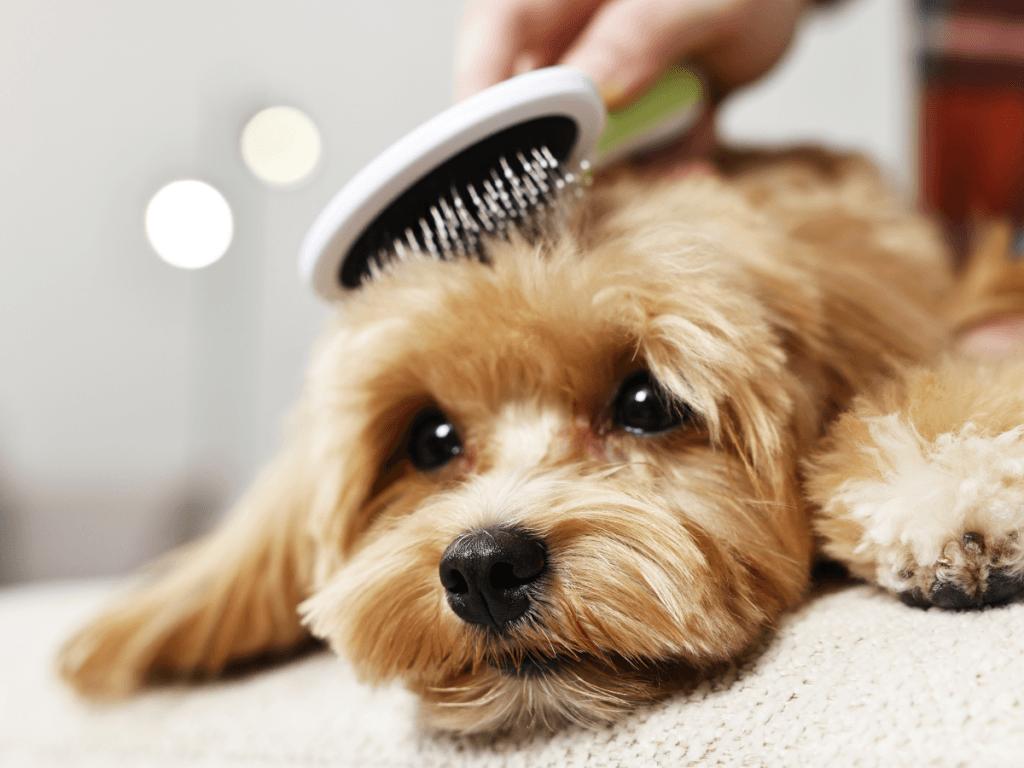
Brushing your dog’s teeth remains the most effective way to control plaque before it turns into hardened tartar. The mechanical action of brushing removes bacteria along the tooth surface and just beneath the gumline, interrupting the cycle that leads to inflammation and infection.
Veterinarians generally recommend brushing at least two to three times per week, although daily brushing offers the greatest protection. Consistent dog teeth cleaning at home helps:
- Reduce plaque buildup before it hardens.
- Lower the risk of gingivitis and periodontal disease.
- Minimize bad breath caused by bacteria.
- Preserve healthy teeth and gums.
- Reduce the need for more extensive dental treatments later.
Regular brushing also gives owners an opportunity to inspect their dog’s mouth for early warning signs, such as broken teeth, swelling, unusual growths, or bleeding gums. Catching these issues early often makes treatment simpler and less invasive.
How Healthy Gums Support Your Dog’s Overall Health
The effects of dental disease aren’t limited to the mouth. When gums become inflamed, bacteria can enter the bloodstream through damaged tissue. Over time, these bacteria may contribute to inflammation in other organs, particularly the heart, liver, and kidneys.
While not every dog with dental disease develops systemic illness, maintaining healthy gums reduces one potential source of chronic bacterial exposure and supports long-term wellness.
Good oral health also improves your dog’s everyday comfort. Dogs with healthy teeth are more likely to:
- Chew food comfortably.
- Maintain a healthy appetite.
- Play with toys without discomfort.
- Avoid chronic mouth pain.
- Stay active and engaged throughout the day.
Behavioral changes can sometimes be an overlooked sign of dental discomfort. A dog that suddenly avoids chew toys, eats more slowly, drops food, or seems less interested in play may be experiencing oral pain rather than simply “getting older.”
A Preventive Approach Is the Best Long-Term Strategy
The most effective dental care combines routine dog teeth cleaning at home with professional veterinary examinations and cleanings when needed.
Brushing helps control daily plaque accumulation, while professional dental care removes hardened tartar below the gumline that cannot be addressed with home care alone.
Think of dental care as preventive maintenance rather than a response to visible problems. By investing a few minutes each week in dog teeth cleaning, you can help protect your pet from painful dental disease, preserve their teeth for years to come, and support their overall health and wellbeing as they age.
Choosing the Best Tools for Dog Teeth Cleaning at Home
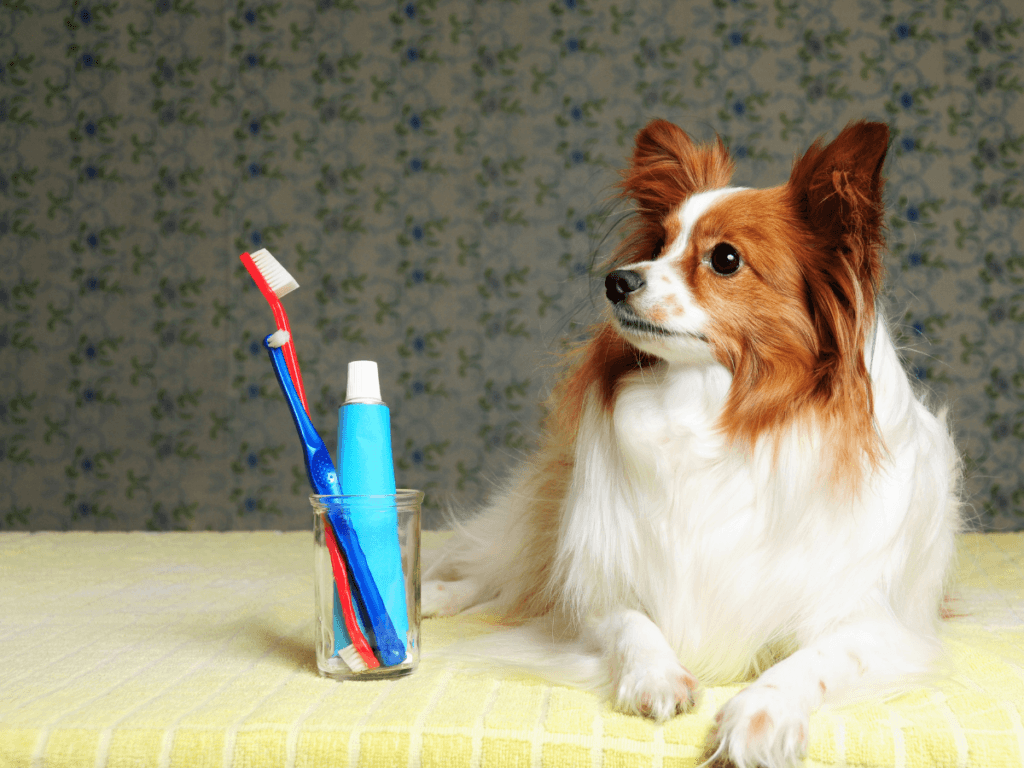
Successful dog teeth cleaning starts with using the right tools. While technique matters, having equipment designed specifically for dogs makes the process easier, safer, and more effective.
At a minimum, you’ll need a dog-safe toothbrush and an enzymatic toothpaste, but other accessories can help create a more positive experience for both you and your pet.
The goal isn’t simply to freshen your dog’s breath. The right tools help remove plaque before it hardens into tartar, reduce the risk of gum disease, and make regular brushing something your dog is more likely to tolerate over the long term.
If you’re introducing brushing for the first time, keep sessions short and reward your dog afterward. Building a positive routine is far more effective than trying to complete a thorough cleaning in one sitting.
How to Choose the Right Toothbrush for Your Dog
Not every toothbrush works equally well for every dog. The best choice depends on your dog’s size, temperament, and how comfortable you are brushing their teeth.
Here are the most common options:
| Toothbrush Type | Best For | Benefits |
|---|---|---|
| Finger Brush | Puppies, small dogs, and dogs new to brushing | Gentle, easy to control, helps dogs adjust to the sensation |
| Standard Dog Toothbrush | Most adult dogs | Long handle provides better reach to back teeth |
| Dual-Head Toothbrush | Dogs of varying sizes | Two brush sizes clean different tooth surfaces more efficiently |
| Electric Dog Toothbrush | Dogs comfortable with brushing | Can improve plaque removal with minimal scrubbing |
Regardless of the style you choose, look for soft bristles that clean effectively without irritating sensitive gums.
Brush size is equally important. A brush that’s too large can make it difficult to reach the molars, while one that’s too small may make brushing unnecessarily slow. Small breeds generally benefit from compact brush heads, while medium and large dogs often require slightly larger brushes for efficient cleaning.
Research has also shown that toothbrush design affects usability. Features such as angled or flexible necks can improve access to the back teeth while making brushing more comfortable for the owner.
Better ergonomics encourage proper brushing technique and help ensure all areas of the mouth receive adequate attention.
Why Enzymatic Toothpaste Is Essential for Dog Teeth Cleaning
Choosing the right toothpaste is just as important as selecting the right toothbrush.
Dogs should never use human toothpaste. Many formulas contain ingredients such as xylitol, fluoride, or high levels of foaming agents that are unsafe if swallowed. Because dogs cannot rinse and spit like people, they need toothpaste specifically formulated for canine use.
Enzymatic toothpaste offers several advantages because it continues working even after brushing has finished. Special enzymes help break down bacteria and plaque while slowing the formation of tartar between brushing sessions.
Benefits of enzymatic toothpaste include:
- Safe for dogs to swallow.
- Helps reduce plaque buildup.
- Slows tartar formation.
- Freshens breath.
- Supports healthier gums with regular use.
Many products are also available in pet-friendly flavors like poultry, beef, or peanut butter, making brushing a much more enjoyable experience than mint-flavored human toothpaste.
Helpful Accessories That Make Brushing Easier
Beyond the basics, a few simple accessories can make dog teeth cleaning more comfortable and consistent.
Consider keeping these items nearby:
- A non-slip mat or towel to help your dog feel secure during brushing.
- Small training treats to reward calm behavior afterward.
- Dental chews or veterinarian-approved dental treats that complement, but do not replace, brushing.
- Gauze pads or dental wipes for dogs that are still learning to accept a toothbrush.
For nervous dogs, focus on gradual progress rather than perfection. Even allowing your dog to lick the toothpaste from the brush before introducing gentle brushing can help build positive associations over time.
Choosing the Right Tools Makes Dental Care Easier
The best dog teeth cleaning routine is one you’ll actually maintain. Selecting a toothbrush that fits your dog’s mouth, pairing it with an enzymatic toothpaste, and using positive reinforcement can turn brushing into a manageable part of your weekly routine instead of a stressful chore.
While home care cannot replace professional veterinary dental cleanings when they’re needed, it dramatically reduces plaque buildup between visits and supports better oral health throughout your dog’s life. Consistent brushing with the right tools helps protect not only your dog’s teeth and gums but also their overall health and comfort for years to come.
How to Brush Your Dog’s Teeth: Step-by-Step Home Brushing Guide
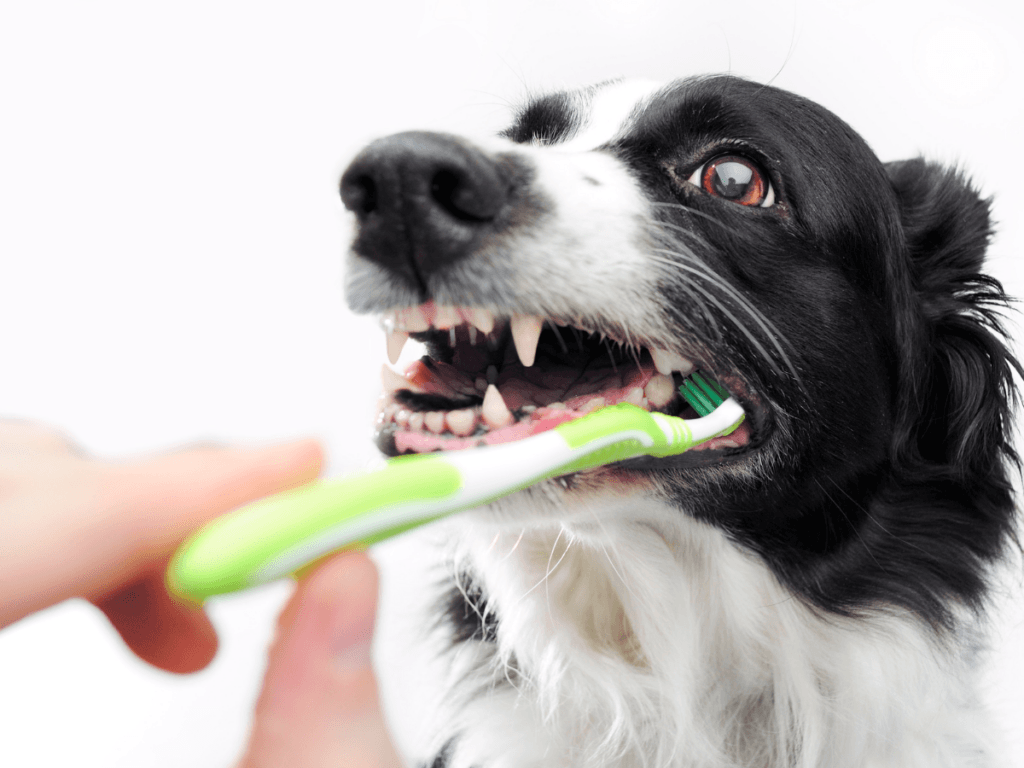
With patience and practice, brushing becomes a quick, stress-free part of your dog’s routine. Follow these steps to get started and build a habit both you and your dog tolerate well.
Below is a progressive plan you can use over several days to a few weeks, depending on your dog’s comfort level. Move to the next step only when your dog is relaxed and comfortable with the current step.
What Is the Proper Brushing Technique to Effectively Remove Plaque?
Start slowly: let your dog sniff and taste the toothpaste, then introduce the brush. Hold the brush at about a 45-degree angle to the gum line and use gentle, circular motions along the outer surfaces — that’s where plaque usually collects. Aim for roughly two minutes total, and be sure to reach the molars and canines. Keep sessions calm and stop if your dog becomes uncomfortable.
- Phase 1: Familiarization: Offer a dab of enzymatic toothpaste on your finger and let the dog lick it. Do several short sessions per day until the dog shows no hesitation.
- Phase 2: Touching the gums: Gently lift the lips and rub your finger (or a finger brush) along the outer tooth surfaces for 10–20 seconds per side. Reward the dog afterward.
- Phase 3: Short brush sessions: Introduce the toothbrush with a small amount of toothpaste. Focus on front teeth and one side at a time. Keep these sessions to 30–60 seconds initially.
- Phase 4: Full routine: Gradually work toward two minutes of brushing, covering both sides and all visible teeth. Use circular or back-and-forth motions with gentle pressure; avoid aggressive scrubbing.
Key technique notes: you generally need to focus on the outer (cheek-facing) tooth surfaces, because dogs typically swallow toothpaste and resist inspection of the tongue-side surfaces.
Still, try to gently reach the premolars and molars when your dog is relaxed; those are the teeth that most commonly hold tartar and require thorough cleaning.
Which Common Mistakes Should You Avoid When Brushing Your Dog’s Teeth?
Avoid using human toothpaste, scrubbing too hard, or skipping rewards after brushing. Human pastes can be toxic; aggressive brushing can injure gums. Use dog-formulated toothpaste, keep movements gentle, and reinforce good behavior with praise or a small treat to build a positive routine.
Other pitfalls to avoid:
- Expecting perfection immediately: short, consistent sessions win over forceful single attempts.
- Neglecting the back teeth: owners often clean only the front incisors, leaving molars at risk.
- Using stiff or overly large brushes that scrape and irritate delicate gum tissue.
- Forcing the dog into a position that triggers stress; instead, work from a comfortable angle and reward frequently.
When Does Your Dog Need Professional Dental Care?
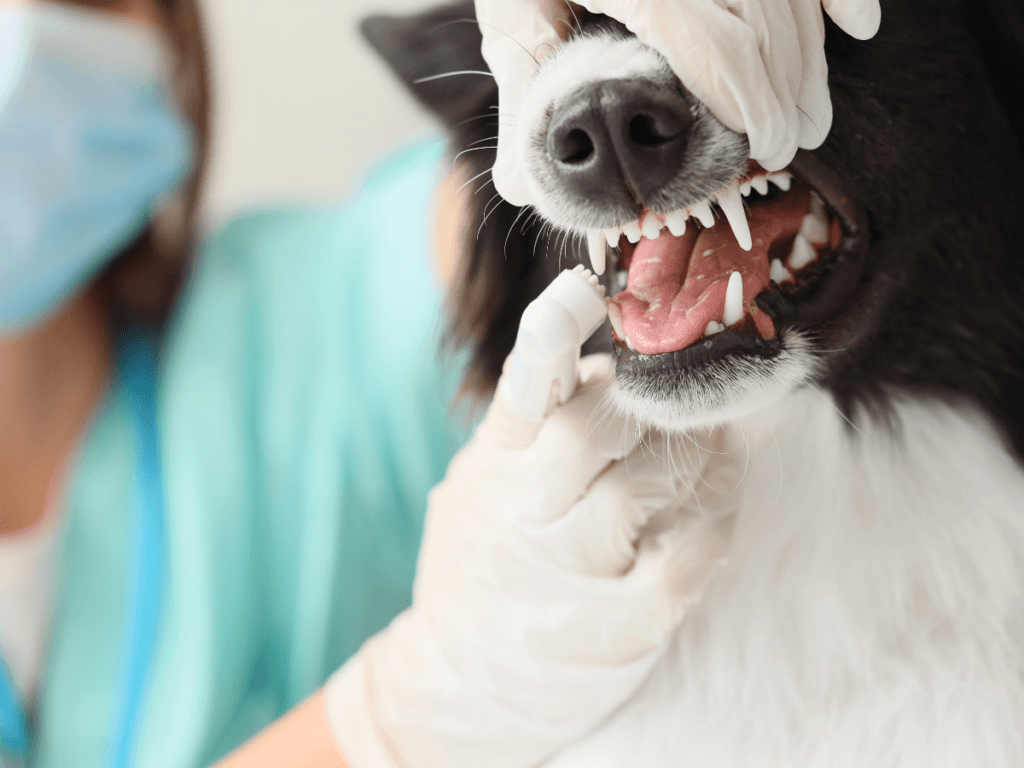
Regular dog teeth cleaning at home is one of the best ways to prevent dental disease, but it can’t solve every oral health problem. Once tartar has hardened below the gumline or an infection develops, professional veterinary care is often necessary to restore your dog’s oral health.
Many dental conditions develop gradually, and dogs are remarkably good at hiding pain. By the time obvious symptoms appear, periodontal disease may already be affecting the gums, tooth roots, or supporting bone.
Recognizing the early warning signs allows your veterinarian to treat problems before they become more painful and expensive.
Signs Your Dog May Need a Veterinary Dental Exam
Occasional bad breath after a meal isn’t unusual, but persistent foul breath is often one of the earliest signs of dental disease. It’s frequently caused by bacteria accumulating beneath the gumline, where brushing alone cannot reach.
Other symptoms that warrant a veterinary examination include:
- Red, swollen, or bleeding gums.
- Yellow or brown tartar buildup along the gumline.
- Difficulty chewing or dropping food.
- Excessive drooling.
- Loose, broken, or missing teeth.
- Pawing at the mouth or rubbing the face.
- Facial swelling.
- Reduced interest in chew toys or hard treats.
- Changes in appetite or behavior that may indicate oral pain.
Any combination of these signs suggests it’s time to schedule a professional dental evaluation rather than relying solely on home dog teeth cleaning.
How to Recognize Tooth Decay and Gum Disease Early
Dental disease often begins with mild gingivitis before progressing into more serious periodontal disease. Catching problems during these early stages greatly improves the chances of preserving your dog’s teeth.
Watch for subtle changes such as:
| Early Warning Sign | What It May Indicate |
|---|---|
| Persistent bad breath | Bacterial plaque buildup or gum disease |
| Red or puffy gums | Gingivitis or early inflammation |
| Bleeding during brushing | Gum irritation or infection |
| Yellow or brown tartar | Hardened plaque requiring professional removal |
| Sensitivity while eating | Tooth pain or gum disease |
| Loose teeth | Advanced periodontal disease |
As periodontal disease progresses, bacteria begin damaging the tissues and bone that hold the teeth in place. At this stage, treatment may require deep cleaning, extractions, or additional dental procedures performed under anesthesia.
What Happens During a Professional Dental Examination?
If your veterinarian suspects dental disease, they’ll begin with a complete oral examination to assess your dog’s teeth, gums, and overall oral health.
Depending on the findings, your veterinarian may recommend:
- A comprehensive dental examination under anesthesia.
- Dental X-rays to evaluate tooth roots and bone below the gumline.
- Professional scaling to remove plaque and tartar above and below the gums.
- Polishing to smooth tooth surfaces and slow future plaque accumulation.
- Treatment for damaged, infected, or loose teeth if necessary.
Dental radiographs are particularly valuable because many dental problems occur below the visible surface. A tooth may appear healthy above the gumline while significant damage exists beneath it.
How Often Should Dogs Have Professional Dental Checkups?
Most dogs benefit from a veterinary dental examination at least once a year. However, the ideal schedule depends on factors such as age, breed, genetics, and previous dental history.
Some dogs require more frequent monitoring, including:
- Small and toy breeds that are prone to periodontal disease.
- Senior dogs.
- Dogs with crowded teeth.
- Breeds predisposed to dental problems.
- Dogs with previous tooth extractions or chronic gum disease.
Puppies also benefit from early dental assessments. These visits allow veterinarians to monitor normal tooth development, identify retained baby teeth, and help owners establish an effective dog teeth cleaning routine before plaque becomes a problem.
Home Care and Professional Care Work Together
Daily or frequent dog teeth cleaning is the foundation of good oral hygiene, but it should be viewed as part of a complete dental care plan rather than a replacement for veterinary treatment.
Brushing removes fresh plaque before it hardens into tartar, while professional cleanings address buildup below the gumline and identify hidden problems that can’t be seen during routine home care.
Together, these approaches help prevent painful dental disease, protect your dog’s overall health, and preserve healthy teeth for as long as possible.
The sooner dental problems are identified, the easier they are to treat. Staying alert to changes in your dog’s mouth and scheduling regular veterinary checkups can make a significant difference in their long-term comfort and well-being.
What Alternative Dental Care Methods Can Support Dog Teeth Cleaning?
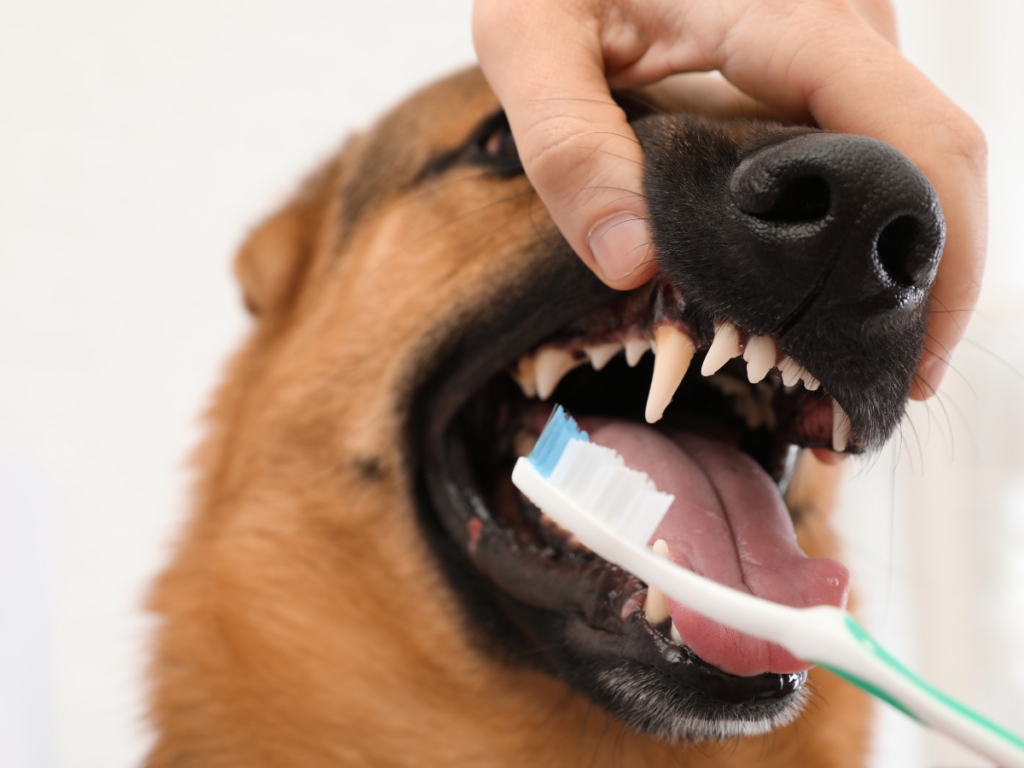
Brushing remains the gold standard for maintaining your dog’s oral health, but it’s not the only tool available. If your dog resists brushing or you want to strengthen your existing routine, several products can help reduce plaque, freshen breath, and support healthier teeth and gums.
The key is to view these alternatives as supplements rather than substitutes. No chew, toy, or water additive removes plaque as effectively as regular dog teeth cleaning with a toothbrush and dog-safe toothpaste.
However, when combined with brushing and routine veterinary care, these products can make a meaningful difference in your dog’s long-term dental health.
How Dental Chews and Toys Help Reduce Plaque
Dental chews are one of the most popular additions to a home dental care routine because they encourage prolonged chewing, which creates friction against the tooth surface. This mechanical action helps reduce soft plaque before it hardens into tartar.
Many dental chews also contain ingredients that help freshen breath or slow bacterial growth, providing additional oral health benefits.
When choosing dental chews, consider:
- Your dog’s size and age.
- Their chewing strength.
- Any existing dental problems.
- Calorie content if your dog is overweight.
Look for products carrying the Veterinary Oral Health Council (VOHC) Seal of Acceptance whenever possible. VOHC-approved products have demonstrated effectiveness in reducing plaque or tartar through independent evaluation, making them a more reliable choice than products with unsupported marketing claims.
Dental toys offer similar benefits. Textured rubber toys and specially designed dental toys can gently massage the gums while helping remove plaque during play. They’re particularly useful for dogs that naturally enjoy chewing throughout the day.
Keep in mind that very hard chews, bones, antlers, or objects that cannot be slightly indented with a fingernail may increase the risk of fractured teeth. Choose products appropriate for your dog’s chewing habits and always supervise chewing sessions.
Which Dental Products Can Complement Brushing?
Several veterinarian-recommended products can support dog teeth cleaning between brushing sessions.
Common options include:
| Dental Aid | How It Helps |
|---|---|
| Dental chews | Reduce plaque through chewing action |
| VOHC-approved toys | Help clean teeth while encouraging play |
| Water additives | Reduce bacteria and improve breath |
| Dental wipes | Remove surface plaque when brushing isn’t possible |
| Oral gels | Help control bacteria along the gumline |
| Dental diets | Special kibble texture helps reduce plaque accumulation |
These products work best when used consistently as part of an overall dental care routine rather than as standalone treatments.
Are Natural Remedies Safe for Your Dog’s Teeth?
Many pet owners are interested in natural approaches to dental care, but it’s important to separate helpful options from common misconceptions.
For example, coconut oil is sometimes used because of its mild antibacterial properties. While some owners report fresher breath after use, current evidence doesn’t support coconut oil as a replacement for brushing or professional dental care.
Similarly, baking soda is occasionally suggested as a natural tooth cleaner. However, dogs should not routinely ingest baking soda, and it should never be used without veterinary guidance.
Before introducing any natural product, consult your veterinarian to ensure it’s safe for your dog’s age, medical history, and dietary needs.
Rather than relying on home remedies, most veterinarians recommend using products specifically formulated for pets, including:
- Enzymatic oral gels.
- Dog-safe dental wipes.
- Veterinary-approved water additives.
- VOHC-approved dental treats and chews.
These products have been developed with canine oral health in mind and are generally safer than homemade alternatives.
Building a Complete Home Dental Care Routine
The most effective approach combines multiple strategies rather than depending on a single product.
A balanced routine might include:
- Regular dog teeth cleaning with an enzymatic toothpaste several times each week.
- Daily access to appropriate dental chews or dental toys.
- Water additives or oral gels if recommended by your veterinarian.
- Annual or more frequent professional dental examinations and cleanings when needed.
Using several complementary methods helps reduce plaque accumulation between brushings while supporting healthier gums and fresher breath.
Alternative Products Work Best Alongside Regular Brushing
While dental chews, toys, wipes, and water additives all have a place in canine oral care, none can fully replace the benefits of consistent dog teeth cleaning with a toothbrush. Brushing remains the most effective way to remove plaque before it develops into tartar and periodontal disease.
Think of alternative dental products as valuable additions to your routine rather than shortcuts. Combined with regular brushing and veterinary care, they can help protect your dog’s teeth, reduce the risk of dental disease, and support better overall health throughout every stage of life.
How Often Should You Brush Your Dog’s Teeth?
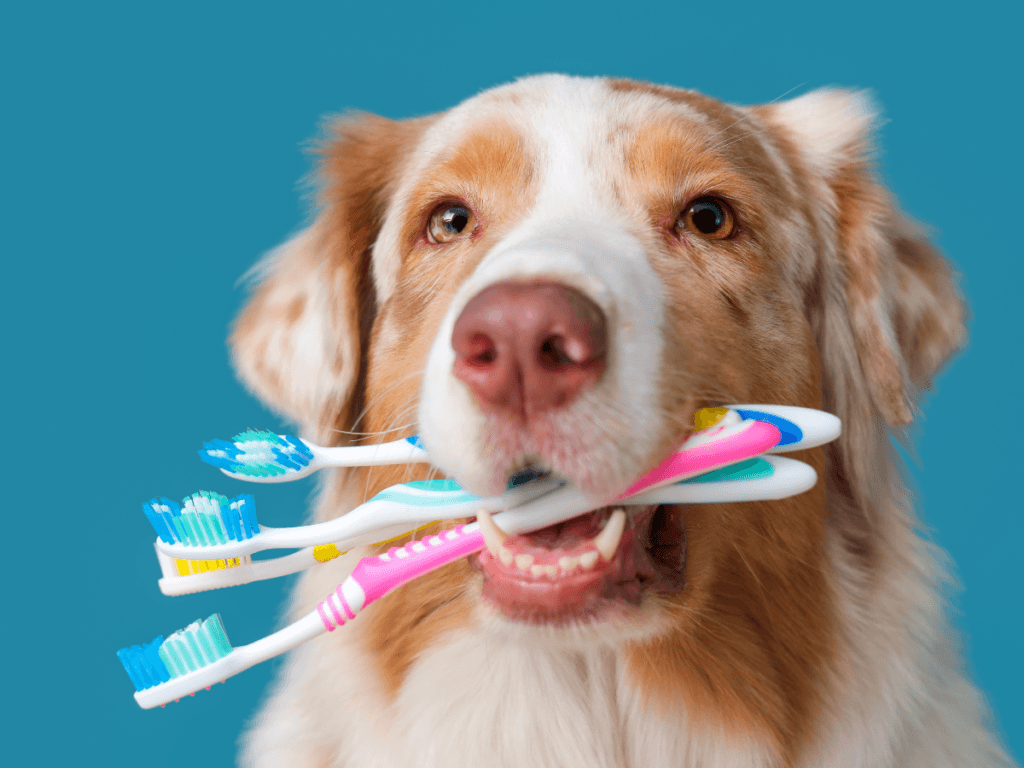
When it comes to dog teeth cleaning, consistency is more important than perfection. Brushing your dog’s teeth regularly helps remove plaque before it hardens into tartar, reducing the risk of gingivitis, periodontal disease, and tooth loss.
Even a simple routine performed several times a week can have a significant impact on your dog’s long-term oral health.
While every dog has different dental needs based on age, breed, diet, and existing oral health, veterinary professionals generally agree that more frequent brushing provides better protection. The challenge is finding a routine that fits your schedule and that your dog will accept without stress.
What Is the Ideal Brushing Schedule?
Daily brushing is considered the gold standard for preventing plaque buildup. Plaque begins forming within hours after brushing, and if it remains on the teeth for several days, it starts to mineralize into tartar.
Once tartar develops, it can no longer be removed with a toothbrush and typically requires professional veterinary cleaning.
If brushing every day isn’t realistic, aim for at least two to three sessions each week. This frequency still provides meaningful protection against plaque accumulation and helps reduce the progression of dental disease.
A simple guideline looks like this:
| Brushing Frequency | Expected Benefit |
|---|---|
| Daily | Best protection against plaque and tartar buildup |
| 2 to 3 times per week | Helps reduce plaque and lowers the risk of periodontal disease |
| Once a week or less | Limited benefit, with plaque more likely to harden into tartar |
The most effective dog teeth cleaning routine is one you can maintain consistently over time.
Why Consistency Matters More Than Long Brushing Sessions
Many owners assume brushing needs to be lengthy to be effective, but that’s rarely the case. A calm, one to two-minute brushing session performed regularly is far more beneficial than an occasional deep cleaning attempt that causes stress for both you and your dog.
Frequent brushing also helps your dog become familiar with the process. Over time, most dogs learn to tolerate, and sometimes even enjoy, the routine because they know it will be followed by praise or a reward.
Keeping plaque under control every few days is much easier than trying to reverse months of buildup.
How to Build a Dog Teeth Cleaning Routine That Sticks
The easiest way to stay consistent is to attach brushing to an existing daily habit. Linking dog teeth cleaning to another routine makes it less likely to be forgotten.
For example, you might brush your dog’s teeth:
- After the evening walk.
- Before bedtime.
- After dinner.
- During your regular grooming routine.
Choose a time when your dog is relaxed rather than overly excited. Calm environments make brushing easier and help create positive associations.
Tips for Making Brushing Easier
If your dog is new to brushing, don’t expect perfect cooperation right away. Start slowly and build confidence over several short sessions.
A few simple strategies can help:
- Keep your toothbrush, toothpaste, and rewards together in one convenient location.
- Begin with brief sessions lasting only 20 to 30 seconds.
- Gradually increase brushing time as your dog becomes more comfortable.
- Reward every successful session with praise, affection, or a favorite treat.
- Focus on consistency rather than trying to clean every tooth perfectly during the first few weeks.
Some owners also find it helpful to keep a simple calendar or phone reminder until brushing becomes a habit.
Supporting Your Routine Between Brushing Sessions
Although brushing remains the foundation of good dental care, other products can help maintain oral health on days when you aren’t brushing.
Depending on your veterinarian’s recommendations, you might also include:
- VOHC-approved dental chews.
- Enzymatic dental wipes.
- Water additives designed for dogs.
- Dental diets formulated to reduce plaque accumulation.
These products can complement regular dog teeth cleaning but shouldn’t replace brushing altogether.
A Consistent Routine Delivers the Best Long-Term Results
The healthiest mouths aren’t achieved through occasional intensive cleanings but through steady, ongoing care. Whether you brush every day or several times a week, establishing a routine that fits your lifestyle is the most important step you can take.
Combined with regular veterinary dental examinations and professional cleanings when needed, consistent dog teeth cleaning helps prevent painful dental disease, protects your dog’s teeth and gums, and supports better overall health throughout every stage of life.
What Are the Latest Advances in Dog Dental Care Products?
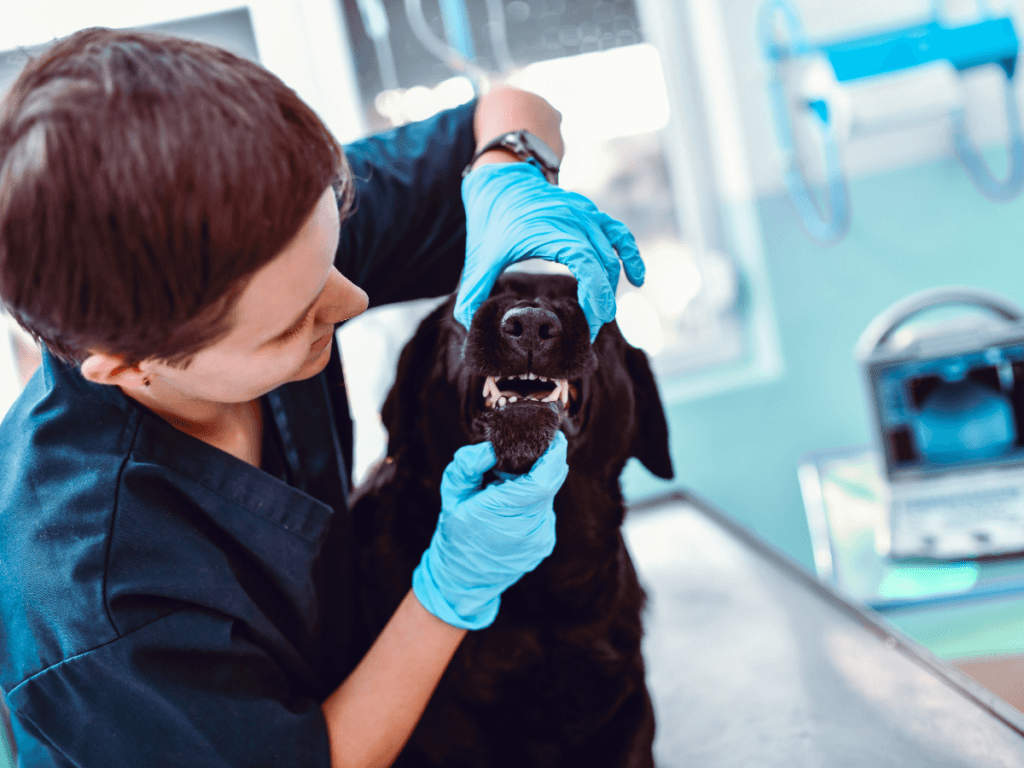
Keeping up with new products can make dog teeth cleaning easier, more effective, and less stressful for both you and your pet.
While daily brushing remains the foundation of good oral hygiene, manufacturers continue to improve dental care products by focusing on plaque removal, comfort, and ease of use. These innovations can help owners establish a routine that dogs are more willing to accept.
Not every new product offers meaningful benefits, however. When shopping for dental care supplies, prioritize items developed specifically for dogs and look for products backed by veterinary research or recognized organizations such as the Veterinary Oral Health Council (VOHC).
Choosing evidence-based products helps ensure you’re investing in tools that genuinely support your dog’s oral health.
How Do Modern Enzymatic Toothpastes Improve Dog Teeth Cleaning?
Enzymatic toothpaste has become one of the most significant advancements in at-home dog teeth cleaning. Unlike traditional toothpaste, enzymatic formulas contain ingredients that continue working after brushing by breaking down plaque-forming bacteria and helping slow the buildup of tartar.
Because dogs naturally swallow toothpaste, these products are formulated to be safe if ingested. Many also come in pet-friendly flavors such as poultry, beef, or peanut butter, making brushing a more positive experience.
When comparing enzymatic toothpastes, look for products that offer:
- Ingredients specifically formulated for dogs.
- Gentle enzymes that help reduce plaque and bacteria.
- Flavors your dog enjoys to encourage cooperation.
- Formulas intended for frequent or daily use.
Although enzymatic toothpaste provides additional protection, it should complement regular brushing rather than replace it. The physical action of brushing is still what removes the majority of plaque from the tooth surface.
Which Toothbrush Designs Make Brushing Easier?
Toothbrush design has also evolved considerably in recent years. Today’s brushes are designed to improve access to hard-to-reach teeth while making brushing more comfortable for both dogs and owners.
Some of the most popular options include:
| Toothbrush Type | Best For | Primary Benefit |
|---|---|---|
| Finger toothbrush | Puppies and dogs new to brushing | Better control and gentle introduction |
| Dual-headed toothbrush | Most adult dogs | Cleans large and small teeth with one brush |
| Angled toothbrush | Reaching back molars | Improved access to difficult areas |
| Soft-bristle toothbrush | Dogs with sensitive gums | Gentle yet effective plaque removal |
| Electric pet toothbrush | Dogs comfortable with vibration | Faster plaque removal with less manual effort |
Research has shown that ergonomic designs, including angled brush heads and flexible necks, can improve cleaning efficiency while making brushing more comfortable for the person performing it.
Since every dog has a different mouth shape and temperament, the best toothbrush is the one that allows you to clean thoroughly without causing discomfort.
Are Electric Toothbrushes Worth Considering?
Electric toothbrushes designed for pets are becoming more widely available and can be an excellent option for some households. Their gentle oscillating or vibrating heads may remove plaque more efficiently in less time, especially for dogs that already tolerate brushing well.
That said, electric brushes are not essential for effective dog teeth cleaning. Many dogs dislike the vibration or sound initially, requiring a gradual introduction. For most owners, a high-quality manual toothbrush used consistently delivers excellent results.
If you decide to try an electric model, introduce it slowly by allowing your dog to investigate the brush before turning it on. Reward calm behavior and keep the first few sessions short until your dog becomes comfortable.
What Other Dental Products Are Worth Adding?
While brushing remains the priority, newer dental care products can strengthen your overall routine.
Useful additions include:
- VOHC-approved dental chews that help reduce plaque through chewing.
- Enzymatic dental gels for dogs that resist brushing.
- Dental wipes for quick cleaning between brushing sessions.
- Water additives formulated to help reduce oral bacteria.
- Dental diets designed to mechanically clean teeth during chewing.
These products should be viewed as complementary tools rather than substitutes for brushing. Used together, they can make maintaining your dog’s oral health more manageable.
Choosing Products That Deliver Real Results
With so many products on the market, it’s easy to be drawn to marketing claims. Instead, focus on products with proven effectiveness, veterinary recommendations, and a design that fits your dog’s size, age, and temperament.
Ultimately, the best tools are the ones you’ll use consistently. A quality toothbrush, dog-safe enzymatic toothpaste, and a routine your dog accepts will contribute far more to long-term oral health than the latest gadget alone.
Combined with regular veterinary dental checkups, these advancements make dog teeth cleaning more accessible and effective than ever before.
Where to Find Trusted Information and Professional Guidance on Dog Dental Care
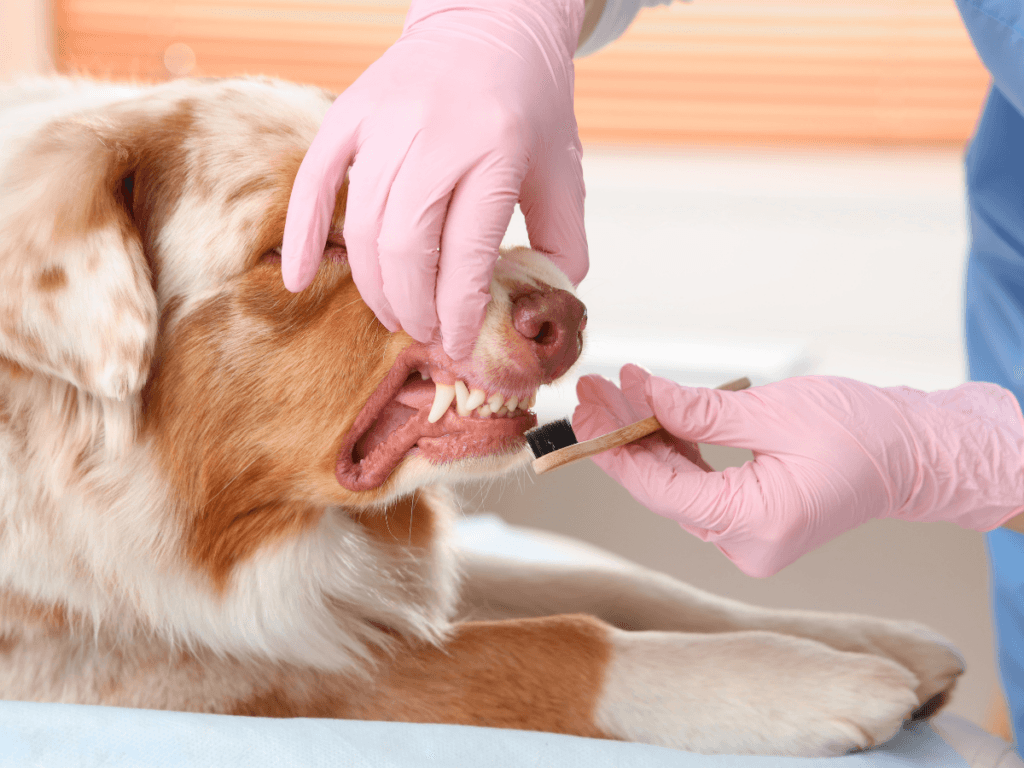
Learning proper dog teeth cleaning techniques is much easier when you rely on credible, evidence-based resources. The internet is full of conflicting advice, but not every recommendation is safe or supported by veterinary research.
Choosing trusted educational sources helps you develop effective home-care habits, recognize potential dental problems early, and make informed decisions about products and professional care.
The most reliable information typically comes from licensed veterinarians, veterinary dentists, accredited grooming schools, and respected animal health organizations. These sources base their recommendations on current research and clinical experience rather than trends or anecdotal advice.
Whenever you’re unsure about a product, brushing technique, or changes in your dog’s oral health, consult a veterinary professional instead of relying solely on online discussions or social media advice.
How Does OTC K9 Grooming School Help Owners Learn Dog Teeth Cleaning?
Professional grooming education can be an excellent supplement to veterinary guidance, especially for owners who want to become more confident handling their dog’s mouth.
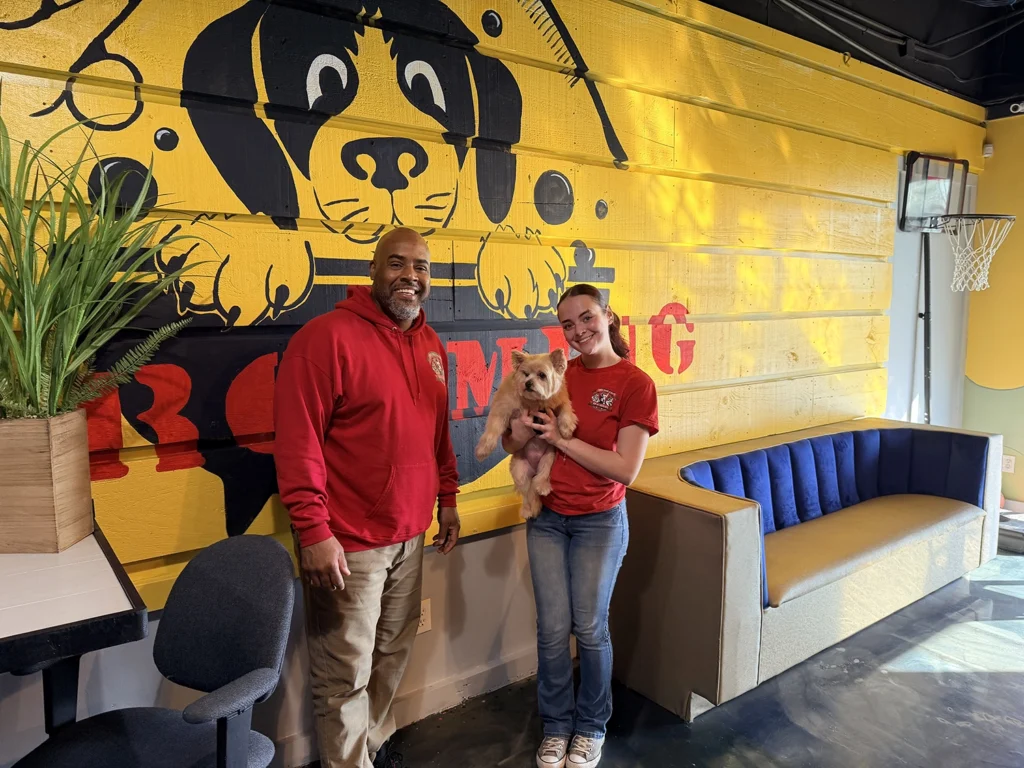
OTC K9 Grooming School provides practical instruction that helps students understand proper oral hygiene techniques while emphasizing safe handling and preventive care.
Training programs often cover topics such as:
- Proper brushing techniques for dogs of different sizes and temperaments.
- Choosing the right toothbrushes, toothpaste, and dental care products.
- Recognizing early signs of plaque buildup, gingivitis, and periodontal disease.
- Safe restraint methods that reduce stress for both the dog and handler.
- Developing consistent home-care routines that fit everyday schedules.
One of the biggest advantages of hands-on instruction is the opportunity to practice under professional supervision. Small adjustments in brushing angle, positioning, or handling can make dog teeth cleaning more effective while helping your dog stay calm throughout the process.
Whether you’re an aspiring groomer or a dedicated pet owner, learning these techniques in person can make regular dental care feel much more manageable.
Which Veterinary Resources Offer Reliable Dental Advice?
Your veterinarian should always be your primary source of information for maintaining your dog’s oral health. During wellness exams, they can evaluate your dog’s teeth and gums, recommend an appropriate home-care routine, and identify problems before they become more serious.
Many veterinary clinics also provide educational materials covering topics such as:
- How often to brush your dog’s teeth.
- Selecting safe dental products.
- Recognizing symptoms that require professional treatment.
- Understanding professional dental cleanings and anesthesia.
- Preventing periodontal disease through routine care.
If your dog has advanced dental disease, chronic bad breath, broken teeth, or recurring oral infections, your veterinarian may recommend consulting a board-certified veterinary dentist. These specialists have additional training in diagnosing and treating complex dental conditions that require more advanced care.
What Should You Look for in Online Dental Care Resources?
Online resources can be helpful, but it’s important to evaluate their credibility before following their recommendations. High-quality educational content should be written or reviewed by veterinary professionals and supported by current scientific knowledge.
When researching dog teeth cleaning, prioritize websites that:
- Are operated by veterinary organizations or accredited educational institutions.
- Reference current veterinary recommendations rather than personal opinions.
- Clearly distinguish preventive home care from conditions requiring medical treatment.
- Recommend products specifically formulated for dogs.
- Avoid miracle cures or unrealistic promises.
Be cautious of websites promoting homemade dental remedies or products that claim to replace brushing entirely. While dental chews, water additives, and oral gels can support oral hygiene, none eliminate the need for routine brushing and professional veterinary care.
Why Professional Demonstrations Make a Difference
Reading about brushing techniques is helpful, but watching an experienced professional perform them can build confidence much faster. Many veterinary clinics and professional groomers are happy to demonstrate how to brush your dog’s teeth during an appointment.
A live demonstration allows you to learn:
- How to gently lift your dog’s lips.
- The best angle for brushing along the gum line.
- How much pressure to use.
- How long a brushing session should last.
- Ways to keep your dog relaxed throughout the process.
These practical tips often solve common challenges that written instructions alone cannot fully explain.
Building a Reliable Long-Term Dental Care Routine
The most effective dog teeth cleaning routine combines trustworthy education with consistent daily habits. Regular brushing at home, routine veterinary checkups, and guidance from qualified professionals work together to prevent plaque buildup and reduce the risk of periodontal disease.
As you continue learning, focus on evidence-based advice rather than shortcuts or quick fixes.
Building a relationship with your veterinarian and using reputable educational resources will help you make confident decisions throughout your dog’s life, supporting healthier teeth, fresher breath, and better overall well-being for years to come.
Frequently Asked Questions About Dog Teeth Cleaning
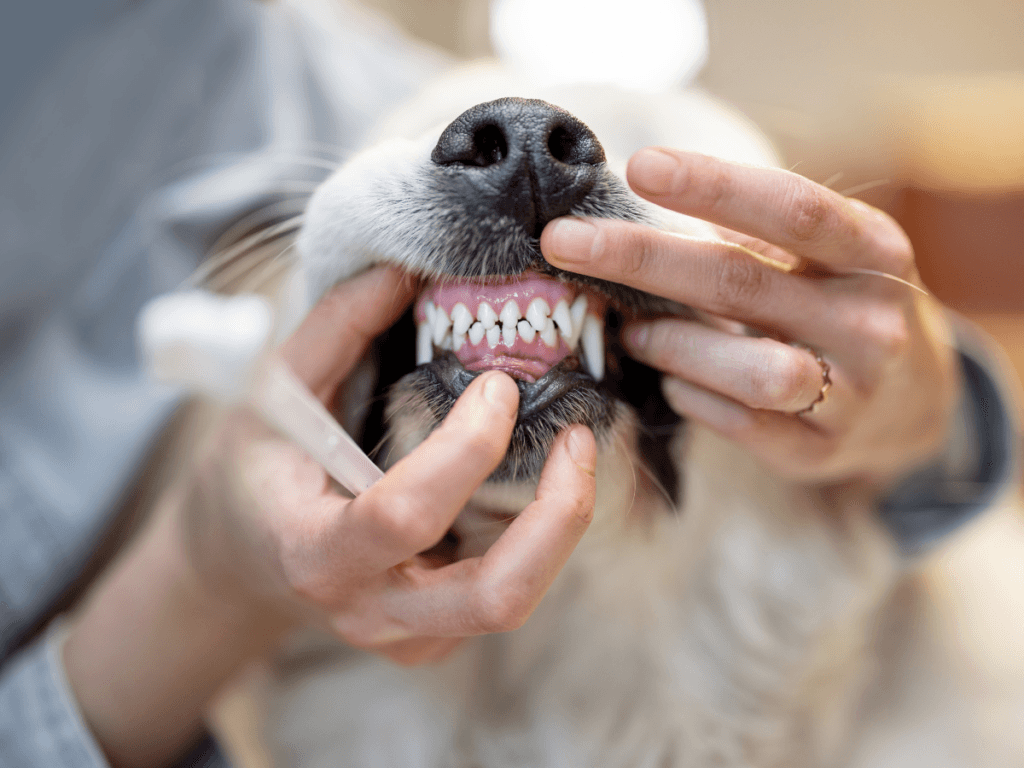
What Are the Early Signs of Dental Disease in Dogs?
The first signs of dental disease are often subtle, which is why regular observation is so important. Persistent bad breath is usually one of the earliest indicators, but it’s not the only one. You may also notice red or swollen gums, bleeding during chewing, excessive drooling, or visible yellow or brown tartar along the gum line.
Behavioral changes can also point to oral discomfort. Dogs with dental pain may chew on only one side of their mouth, drop food while eating, avoid hard treats, paw at their face, or lose interest in toys they previously enjoyed.
Because dental disease tends to worsen gradually, scheduling a veterinary exam at the first sign of a problem can help prevent more serious complications.
Can I Use Human Toothpaste or Dental Products for My Dog?
No. Human toothpaste should never be used for dog teeth cleaning. Many formulas contain ingredients such as xylitol, fluoride, or foaming agents that can be harmful or toxic to dogs if swallowed.
Instead, choose a toothpaste specifically formulated for canine use. Dog toothpaste is safe to ingest and often comes in flavors like poultry, beef, or peanut butter, making brushing a more enjoyable experience. Pair it with a dog-sized toothbrush or finger brush for the safest and most effective cleaning routine.
If your dog accidentally ingests human toothpaste, contact your veterinarian promptly for guidance, especially if the product contains xylitol.
How Can I Make Dog Teeth Cleaning Easier?
Introducing brushing gradually is the best way to build a successful routine. Start by letting your dog taste the toothpaste before attempting to brush. Once they’re comfortable, gently touch the outside of their teeth and gums before progressing to short brushing sessions.
These tips can help make brushing more successful:
- Keep sessions under a minute when starting.
- Reward calm behavior with praise or a favorite treat.
- Brush at the same time each day to build consistency.
- Stop before your dog becomes stressed and gradually increase brushing time.
Many dogs learn to accept brushing when the experience remains positive and predictable.
What Should I Do If My Dog Refuses Tooth Brushing?
Some dogs need extra patience before they accept brushing. Rather than forcing the process, identify what’s causing the resistance. Your dog may dislike the brush, the toothpaste flavor, or simply be unfamiliar with having their mouth handled.
If brushing remains difficult, try:
- Switching to a softer toothbrush or finger brush.
- Testing different enzymatic toothpaste flavors.
- Using dental wipes while your dog becomes accustomed to brushing.
- Breaking training into several short sessions throughout the week.
If your dog suddenly resists brushing after previously tolerating it well, schedule a veterinary exam. Pain from periodontal disease, a broken tooth, or another oral condition may be the underlying cause.
Can Diet Help Support Better Dental Health?
Yes. Nutrition can play a supportive role in maintaining oral health, although it should never replace regular dog teeth cleaning. Some veterinary dental diets and specially formulated dry foods are designed to reduce plaque accumulation by encouraging chewing and providing a texture that gently cleans tooth surfaces.
When selecting dental products or diets, look for those carrying the Veterinary Oral Health Council (VOHC) Seal of Acceptance whenever possible. These products have demonstrated effectiveness in reducing plaque or tartar under established testing standards.
Your veterinarian can help determine whether a dental diet is appropriate based on your dog’s age, breed, and overall health.
How Can I Tell If My Dog Teeth Cleaning Routine Is Working?
A successful oral care routine produces gradual improvements over time. Healthy teeth should have minimal plaque buildup, while the gums should appear firm and pink rather than swollen or red. Bad breath should also become less noticeable when plaque and bacteria are kept under control.
Other positive signs include:
- Comfortable eating and chewing.
- No bleeding during brushing.
- Reduced tartar accumulation between veterinary visits.
- Normal interest in toys and treats.
Taking occasional photos of your dog’s teeth can make it easier to monitor changes over several months. Regular veterinary examinations remain the best way to confirm that your home routine is effectively preventing dental disease.
Why Are Professional Dental Cleanings Still Important?
Even with excellent home care, professional cleanings remain an essential part of long-term oral health. Brushing removes plaque from visible tooth surfaces, but it cannot fully clean below the gum line, where periodontal disease often develops.
During a professional dental cleaning, your veterinarian can:
- Remove hardened tartar above and below the gums.
- Examine every tooth for fractures or decay.
- Take dental radiographs to evaluate roots and bone.
- Treat infections or remove damaged teeth when necessary.
Professional cleanings complement consistent dog teeth cleaning at home rather than replacing it. Together, these preventive measures help reduce the risk of painful dental disease while supporting your dog’s overall health, comfort, and quality of life throughout every stage of life.
Conclusion
Regular teeth cleaning is an important part of keeping your dog healthy and comfortable. With the right techniques, consistent care, and pet-safe dental products, you can help reduce plaque buildup, support healthy gums, and improve your dog’s overall well-being.
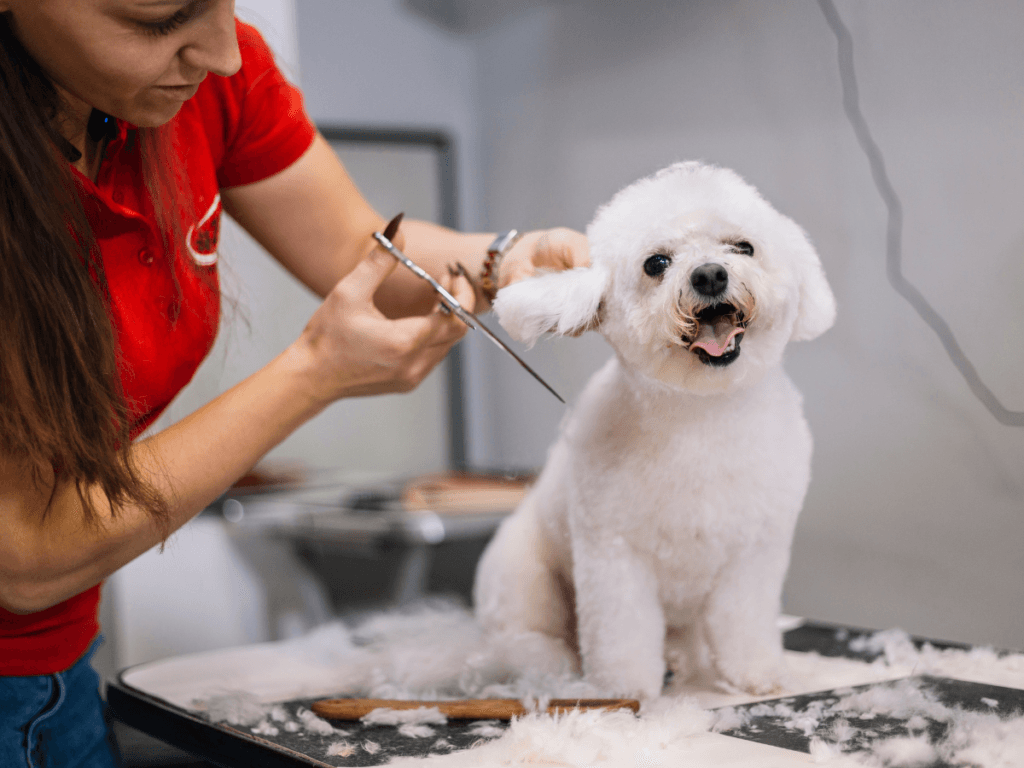
While at-home dental care is essential, professional grooming services can complement your routine by helping keep your pet looking and feeling their best. For trusted grooming expertise and professional pet care education, choose OTCK9 Grooming School.
If you’re looking for professional grooming services or want to learn more about proper pet care, call 770-874-1803 to speak with the team at OTCK9 Grooming School or fill out the online form to request your free quote today.