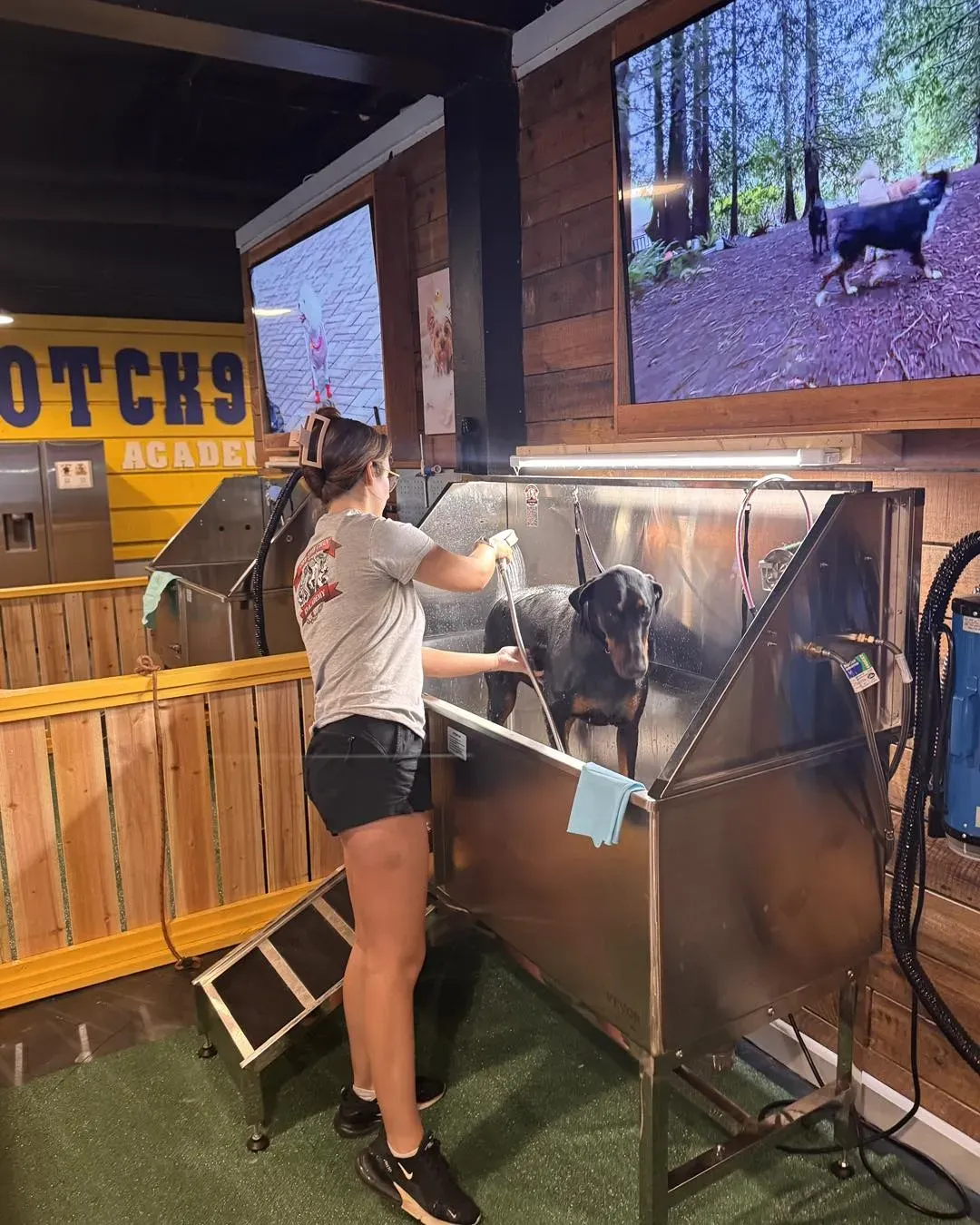
A clean grooming salon does more than create a good first impression. It helps protect pets, supports staff safety, and builds trust with every client who walks through the door.
In an environment where animals, equipment, and high-touch surfaces are constantly interacting, sanitation plays a critical role in daily operations.
Salon sanitation tips for a cleaner grooming business focus on preventing the spread of bacteria, reducing odors, and maintaining a healthier environment for both pets and employees.
Consistent cleaning routines, proper tool disinfection, and attention to frequently used areas can help minimize risks while improving the overall customer experience.
By making sanitation a priority, grooming businesses can create a safer, more professional space that promotes confidence, cleanliness, and long-term success.
Salon Sanitation Practices for a Safer Grooming Environment
Core Hygiene Practices And Salon Sanitation
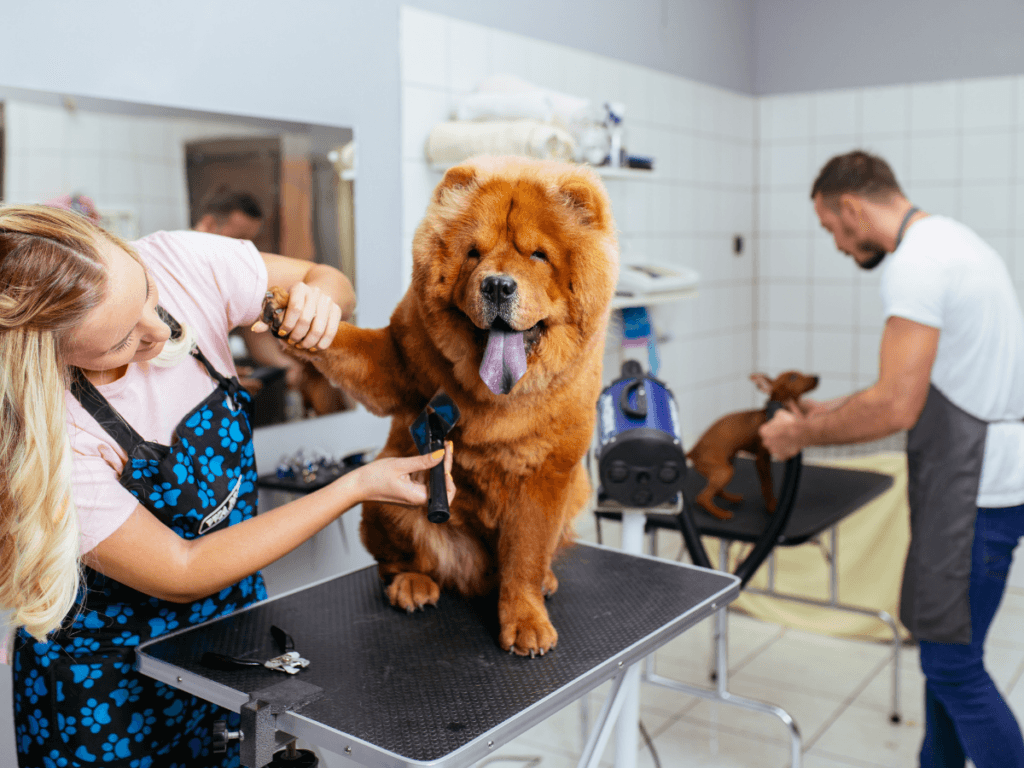
Maintaining high standards of cleanliness is one of the most important responsibilities in any grooming business.
Effective salon sanitation protects pets from illness, reduces the risk of cross-contamination, and reassures owners that their animals are being cared for in a safe environment.
While equipment and grooming skills are important, a consistent hygiene program is what supports the overall health and reputation of a salon.
Hygiene Practices
Successful salon sanitation starts with everyday habits that are followed consistently by every member of the team. Grooming tools should be cleaned and disinfected between appointments, workstations should be wiped down regularly, and shared surfaces should receive routine attention throughout the day.
These practices may seem simple, but they play a critical role in preventing the spread of bacteria, fungi, and other contaminants. When hygiene becomes part of the daily workflow rather than an occasional task, it creates a safer environment for pets, employees, and clients alike.
Regular Laundering Of Fabrics
Fabrics are among the most frequently used items in a grooming salon, making proper laundering essential. Towels, grooming capes, bedding, and other washable materials can quickly accumulate hair, dirt, moisture, and microorganisms if they are not cleaned regularly.
To maintain a sanitary environment, fabrics should be washed in hot water using an effective detergent and replaced frequently throughout the day. Many salons choose to launder towels and similar items after every use to minimize the risk of transferring contaminants between animals.
A structured laundering routine also improves the overall client experience. Fresh, clean linens not only support salon sanitation efforts but also help create a professional atmosphere that pet owners notice and appreciate.
Hand Hygiene Practices
Hand hygiene remains one of the most effective ways to prevent the spread of germs in a grooming setting. Groomers and staff members regularly interact with multiple animals throughout the day, making proper handwashing an essential part of infection prevention.
Hands should be washed thoroughly with soap and water before and after handling each pet, after cleaning tasks, and after contact with potentially contaminated surfaces.
When handwashing facilities are not immediately available, an alcohol-based hand sanitizer containing at least 60 percent alcohol can provide an effective alternative.
Making hand hygiene highly visible within the salon reinforces its importance and encourages consistent compliance among staff members. Small habits performed repeatedly often have the greatest impact on maintaining a clean workplace.
What Are The Essential Salon Sanitation Procedures For Grooming Salons?
Beyond daily hygiene habits, grooming businesses should establish formal sanitation procedures that guide cleaning and disinfection efforts across the entire facility. Well-documented procedures help ensure consistency, regardless of which staff member is performing the task.
Cleaning protocols should outline how grooming stations, bathing areas, kennels, floors, and high-touch surfaces are maintained throughout the day. Clear instructions reduce confusion and help ensure that no areas are overlooked during busy periods.
Disinfection is equally important. Tools such as brushes, combs, clippers, and grooming tables should be cleaned and disinfected according to manufacturer recommendations and product guidelines.
Using disinfectants designed for animal-care environments and following the required dilution ratios and contact times helps maximize effectiveness.
Compliance with local health and safety regulations should also be part of every salon sanitation program. Staying informed about applicable requirements and conducting periodic internal inspections can help identify potential issues before they become larger concerns.
Building A Consistent Sanitation Culture
The most successful sanitation programs are built on consistency rather than occasional deep cleaning efforts. When staff members understand expectations and follow established procedures every day, maintaining cleanliness becomes part of the salon’s culture.
Regular training, documented protocols, and routine evaluations all contribute to stronger salon sanitation standards. Over time, these efforts help protect animal health, support employee safety, and create a professional environment that inspires confidence among clients.
A commitment to cleanliness is not just about meeting standards; it is an investment in the long-term success and reputation of the grooming salon.
Cleaning, Disinfection, And Product Selection
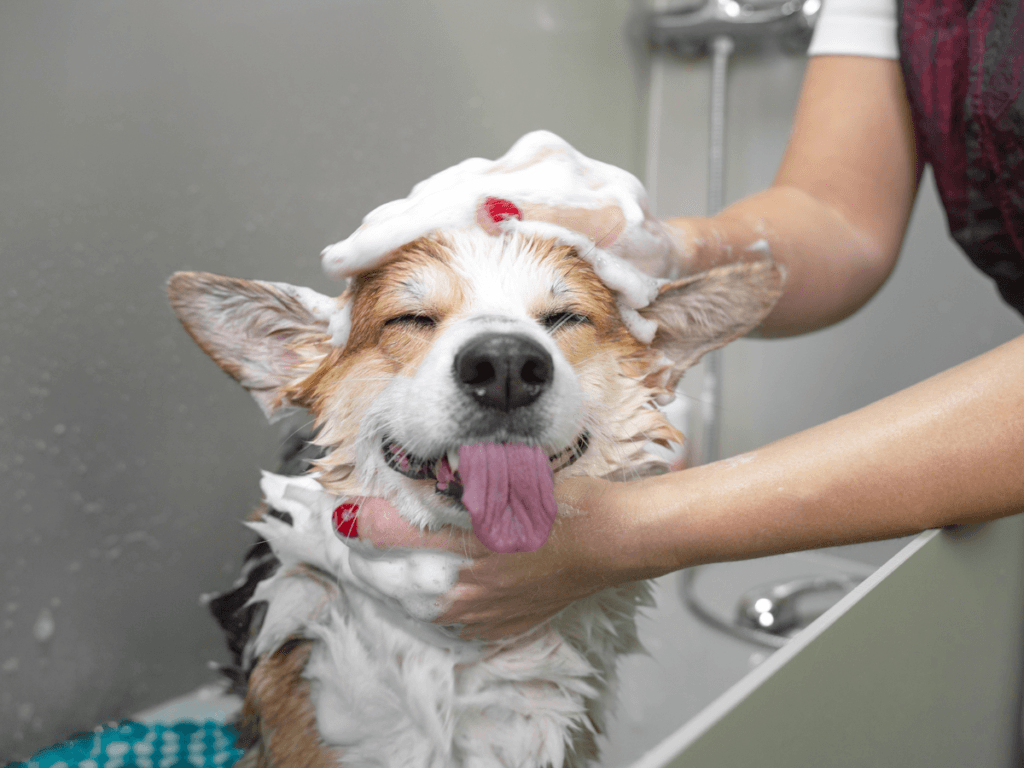
Maintaining a clean grooming environment requires more than occasional tidying. Effective salon sanitation depends on a structured approach that combines routine cleaning, proper disinfection, and careful product selection.
When these elements work together, salons can reduce contamination risks, create a healthier environment for pets and staff, and maintain a professional appearance throughout the day.
Effective Cleaning Techniques
The foundation of good salon sanitation is consistent cleaning. Every surface, tool, and workspace should be cleaned regularly to remove hair, dirt, oils, and other debris that naturally accumulate during grooming appointments.
Organization also plays an important role. Keeping workstations uncluttered makes it easier to clean thoroughly and helps prevent contaminants from spreading between grooming areas.
When cleaning becomes part of the daily workflow rather than an end-of-day task, maintaining hygiene standards becomes far more manageable.
Routine Cleaning Schedule
A cleaning schedule provides structure and ensures that important tasks are not overlooked. High-touch surfaces such as doorknobs, reception counters, grooming tables, payment terminals, and kennel latches should be cleaned multiple times throughout the day due to their frequent use.
In addition to daily maintenance, salons should schedule weekly deep-cleaning sessions that address less visible areas. Floors, air vents, storage spaces, and equipment housing can accumulate dust and debris over time, making periodic deep cleaning an important part of long-term salon sanitation.
A documented schedule also helps staff stay accountable and creates consistency across all shifts.
Order Of Disinfection
The sequence of cleaning and disinfecting is just as important as the products used. Disinfectants work best on surfaces that have already been cleaned of visible dirt and organic material.
A practical approach is to start with the least contaminated areas and gradually move toward higher-risk spaces. Grooming tools should first be cleared of hair and debris before being washed and disinfected. Similarly, work surfaces should be cleaned before disinfectants are applied.
Following a logical process minimizes the risk of recontamination and allows sanitation products to perform as intended.
How To Implement Effective Disinfection Protocols In Pet Salons
Strong disinfection protocols rely on consistency rather than occasional intensive cleaning. Every staff member should understand which products to use, where they should be applied, and how long they must remain on surfaces to be effective.
Training is an important part of maintaining salon sanitation standards. Staff should be familiar with application procedures, safety precautions, and product-specific requirements. Regular reviews and updates can help ensure that protocols remain effective as products, regulations, and salon needs evolve.
Cleaning Agents
Choosing the right cleaning products is essential for balancing effectiveness and safety. Grooming salons should use products specifically designed for animal-care environments whenever possible.
Products that remove dirt, oils, and organic matter efficiently help prepare surfaces for disinfection. At the same time, cleaners should be safe for routine use around pets and employees. Harsh chemicals that create unnecessary irritation or strong fumes may not be suitable for daily salon operations.
Selecting products with clear instructions and proven performance helps simplify compliance and improve results.
Disinfection Techniques
Proper technique has a major impact on the effectiveness of any disinfection program. Before applying disinfectants, surfaces should be thoroughly cleaned to remove debris that may interfere with the chemical action of the product.
Staff should pay close attention to dilution ratios, application methods, and required contact times. Disinfectants that are wiped away too quickly may not provide the intended level of protection.
Following manufacturer guidelines ensures that products perform as designed and supports overall salon sanitation efforts.
Frequency Of Cleaning
The ideal cleaning frequency depends on salon traffic and operational demands. Busy grooming areas often require attention multiple times throughout the day, particularly when several animals are scheduled back-to-back.
Lower-traffic areas may only require daily or weekly maintenance, but they should still be included in the overall sanitation plan. Regular monitoring can help salon managers identify areas that need more frequent cleaning and adjust schedules accordingly.
Which Cleaning Products Are Safe And Recommended For Grooming Salon Hygiene?
When evaluating sanitation products, effectiveness and safety should carry equal weight. EPA-registered disinfectants designed for animal-care facilities are often recommended because they are tested against a broad range of common pathogens.
Non-toxic cleaning agents formulated for use around pets can further support a safe working environment. Regardless of the product selected, staff should always follow label instructions regarding dilution, application methods, contact times, and personal protective equipment.
A thoughtful combination of quality products, proper procedures, and consistent execution helps create a salon sanitation program that protects pets, supports employees, and maintains client confidence.
Safety Protocols, Handling, And PPE
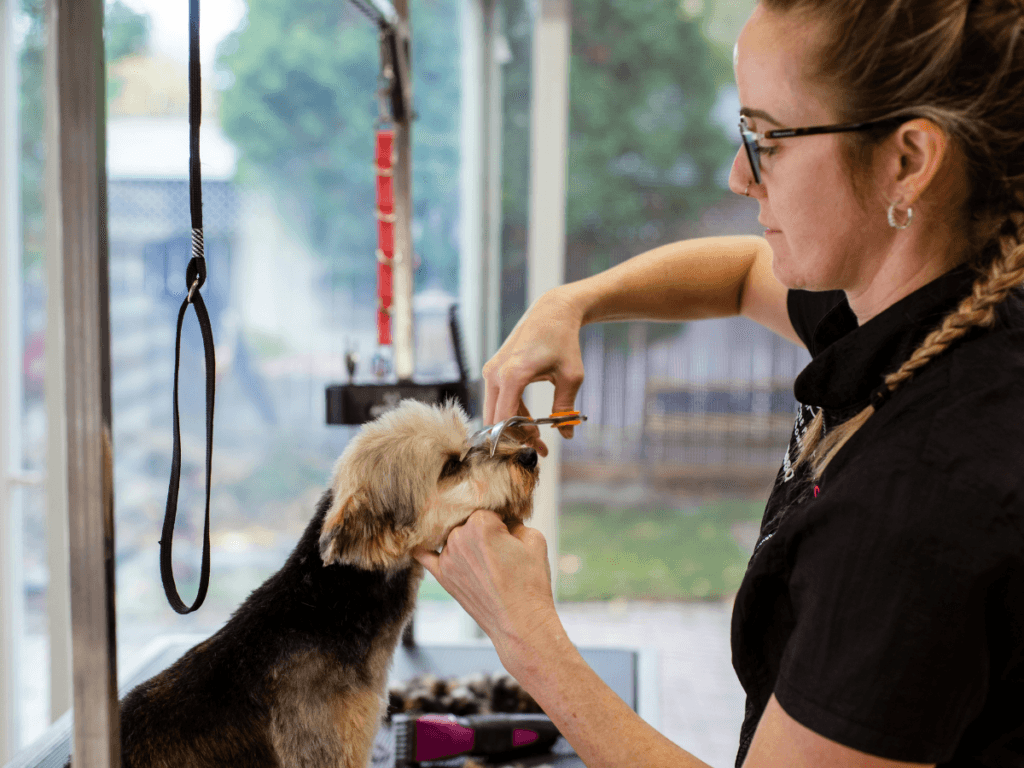
A clean grooming environment is only part of maintaining a safe salon. Effective safety procedures help protect pets, employees, and clients while supporting overall salon sanitation standards.
From proper animal handling to personal protective equipment, every aspect of the grooming process should be designed to minimize risk and promote a positive experience for everyone involved.
Safety Protocols
Strong safety practices begin with clear expectations and consistent training. Grooming staff should understand how to safely manage animals, operate equipment, and respond to unexpected situations. Well-documented procedures help reduce accidents and create a more organized working environment.
Safety protocols should be incorporated into daily operations rather than treated as occasional reminders. Regular equipment inspections, proper sanitation habits, and ongoing staff education all contribute to a safer and more efficient salon.
Safe Handling Techniques
Handling animals safely requires both technical skill and awareness of individual behavior. Every pet has a different temperament, and understanding how to approach, lift, and restrain animals appropriately can significantly reduce stress and injury risks.
Staff should be trained in proper lifting techniques to prevent strain and ensure animals feel secure during grooming. Safety restraints, non-slip surfaces, and appropriately sized grooming equipment can further improve protection for both pets and groomers.
Gentle handling methods are particularly important when working with nervous, elderly, or reactive animals. Taking time to recognize signs of discomfort can help prevent incidents before they occur.
Emergency Preparedness
Even in well-managed salons, emergencies can happen. Being prepared allows staff to respond quickly and confidently when unexpected situations arise.
A fully stocked first-aid kit should be readily available, and emergency contact information should be clearly displayed throughout the facility. Staff members should know how to respond to injuries, allergic reactions, medical concerns, or other urgent situations involving pets or people.
Regular emergency drills can strengthen preparedness and ensure employees are familiar with established response procedures. Preparation helps minimize confusion and supports a calmer response when time is critical.
What Safety Protocols Should Employees And Clients Follow In Grooming Salons?
Safety is a shared responsibility. Employees should follow established grooming procedures, maintain salon sanitation practices, and inspect equipment regularly for signs of wear or damage.
Clients also play an important role by providing accurate information about their pet’s health, behavior, and any special needs before appointments. Open communication allows grooming staff to prepare appropriately and reduce potential risks during the session.
When both staff and clients work together, the grooming process becomes safer and more predictable for everyone involved.
How Does Personal Protective Equipment Protect Grooming Staff And Clients?
Personal protective equipment, commonly known as PPE, serves as an additional layer of protection in grooming environments. PPE helps reduce exposure to allergens, hair particles, cleaning chemicals, and bodily fluids that staff may encounter during daily operations.
By supporting both workplace safety and salon sanitation efforts, PPE helps create a healthier environment for employees while also reducing opportunities for cross-contamination between appointments.
Types Of PPE
The specific PPE used in a grooming salon may vary depending on the task being performed. Common examples include gloves, masks, aprons, protective eyewear, and non-slip footwear.
Gloves help prevent direct contact with contaminants and cleaning chemicals. Masks can reduce exposure to airborne particles such as hair, dander, and dust. Aprons and protective clothing shield employees from moisture, debris, and grooming products throughout the day.
Benefits Of PPE
Using PPE consistently offers several important advantages. It can help reduce the spread of pathogens, limit skin irritation caused by grooming products, and decrease exposure to allergens commonly found in pet-care environments.
Beyond physical protection, PPE also contributes to a professional appearance and demonstrates a commitment to workplace safety. When clients observe staff following proper safety procedures, it can increase confidence in the salon’s standards.
Usage Guidelines
PPE is only effective when it is used correctly. Employees should receive training on when protective equipment is required, how to put it on properly, and how to remove it without causing contamination.
Reusable items should be cleaned according to manufacturer recommendations, while disposable products should be discarded appropriately after use. Regular training sessions help reinforce proper habits and ensure compliance with safety procedures.
What Are The Best Practices To Ensure Client Safety During Grooming Sessions?
Client safety begins with careful observation and communication. Groomers should monitor pets for signs of stress, discomfort, or anxiety throughout the appointment and adjust their approach when necessary.
Understanding animal body language can help staff recognize when a pet needs a break or a calmer handling technique. Gentle restraint methods, patient interactions, and clear emergency procedures all contribute to a safer grooming experience.
Combined with strong salon sanitation practices, these safety measures help create an environment where pets receive quality care, staff can work confidently, and clients feel comfortable entrusting their animals to the salon.
Hygiene Standards, Regulations, And Infection Control
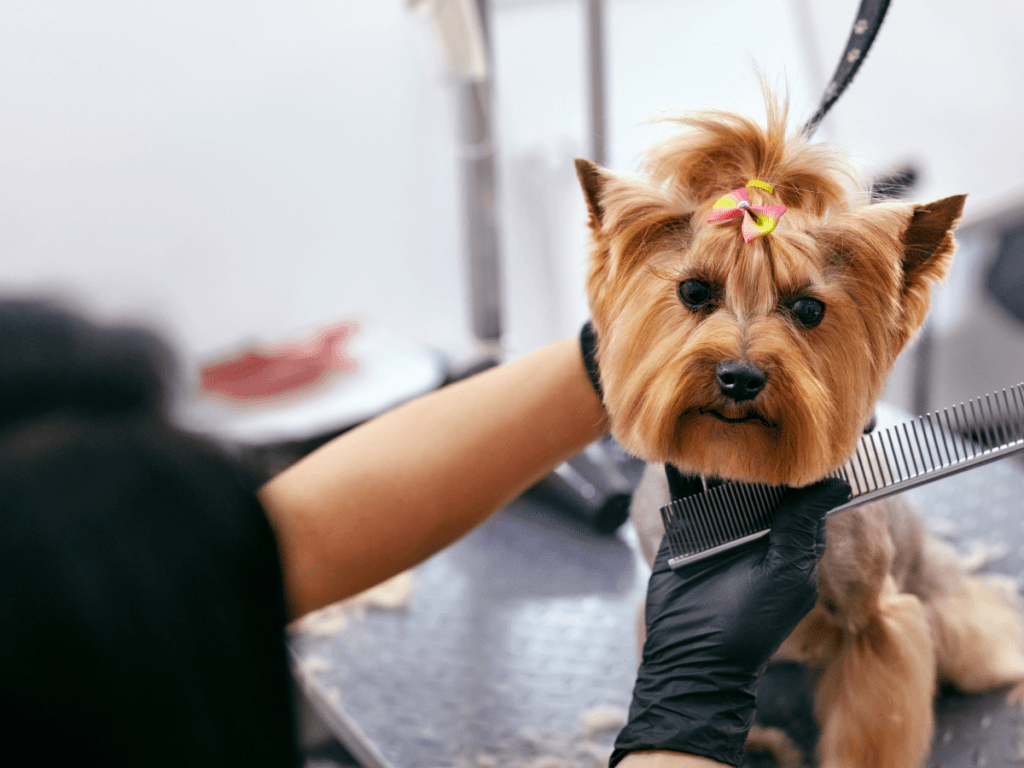
Maintaining a safe grooming environment requires more than routine cleaning. Successful salon sanitation programs are built on established hygiene standards, regulatory compliance, and consistent infection-control practices.
When these elements work together, salons can reduce health risks, improve operational consistency, and create a safer experience for pets, staff, and clients.
How Do Hygiene Standards And Regulatory Compliance Impact Grooming Salon Safety?
Hygiene standards provide a framework for maintaining cleanliness and reducing the spread of harmful microorganisms. Regulatory requirements reinforce these standards by outlining expectations for sanitation, facility maintenance, and employee practices.
Compliance is not simply about passing inspections. It helps create systems that protect animal health and improve workplace safety.
Grooming salons that consistently follow sanitation guidelines often experience fewer hygiene-related issues and build stronger trust with clients who value a clean and professional environment.
Regular staff training and internal reviews are essential for maintaining compliance and ensuring that standards are applied consistently throughout the salon.
Disinfection Protocols
Effective infection control starts with clear and repeatable disinfection procedures. Every workstation, grooming tool, and high-contact surface should be disinfected according to established guidelines.
Consistency is particularly important. Staff should follow the same procedures regardless of shift or workload so that sanitation standards remain uniform throughout the facility. Standardized protocols help eliminate guesswork and reduce the risk of important steps being overlooked.
As products and regulations evolve, salons should periodically review and update their procedures to ensure they remain aligned with current best practices.
Routine Cleaning
Routine cleaning supports both salon sanitation and regulatory compliance by preventing the buildup of dirt, hair, and contaminants. Daily cleaning tasks should focus on areas that receive frequent use, while weekly deep-cleaning efforts can address larger equipment, storage areas, floors, and ventilation systems.
A structured cleaning schedule also simplifies inspections and accountability. When tasks are documented and assigned consistently, it becomes easier to identify gaps and make improvements before problems develop.
Routine cleaning may seem straightforward, but it forms the foundation of every successful infection-control program.
Hand Hygiene
Hand hygiene remains one of the most effective ways to limit cross-contamination in a grooming environment. Employees frequently move between animals, equipment, and shared surfaces, making proper handwashing an essential practice.
Staff should wash their hands thoroughly before and after handling pets, after cleaning tasks, and whenever contamination may have occurred. Hand sanitizers can provide additional support when handwashing is not immediately possible, but they should not replace proper washing procedures.
Regular reminders and ongoing training help reinforce good habits and ensure hand hygiene remains a visible part of daily operations.
What Are The Latest Regulatory Requirements For Grooming Salon Sanitation?
Regulatory expectations continue to evolve as new information becomes available about infection prevention and workplace safety. Many current guidelines emphasize the use of validated disinfectants, documented cleaning procedures, and proper product application techniques.
EPA-registered disinfectants are widely recommended because they have been tested against a broad range of pathogens. Equally important is following manufacturer instructions regarding dilution ratios, application methods, and required contact times.
Staying informed about changing regulations allows grooming salons to adjust their procedures proactively and maintain compliance over time.
Compliance Measures
Strong compliance programs rely on documentation and verification. Maintaining records of cleaning schedules, staff training sessions, equipment inspections, and sanitation procedures can demonstrate a commitment to established standards.
Internal audits are also valuable tools for identifying areas that may need improvement. Regular evaluations allow salon managers to address concerns before they become larger issues and help ensure that salon sanitation practices remain consistent across the business.
Health Regulations
Health regulations vary by location, but most focus on maintaining sanitary conditions, protecting animal welfare, and ensuring employee safety.
Grooming salon operators should monitor updates from local authorities and industry organizations to stay informed about changing requirements.
Adapting procedures as regulations evolve helps maintain compliance and reduces the risk of violations during inspections.
How To Use Industry Standards To Improve Infection Control In Grooming Salons?
Industry standards provide practical guidance for building a stronger infection-control program. Consistent disinfection procedures, organized workspaces, and ongoing employee education all contribute to a cleaner and safer environment.
Keeping tools stored in designated clean areas, maintaining uncluttered workstations, and following standardized sanitation procedures can significantly reduce opportunities for cross-contamination. At the same time, regular training helps employees understand not only how protocols work but why they matter.
By combining regulatory compliance with proven industry practices, grooming businesses can strengthen salon sanitation efforts, improve operational consistency, and create a safer environment for everyone who enters the facility.
Grooming Tool Cleaning, Sterilization, And Equipment Safety
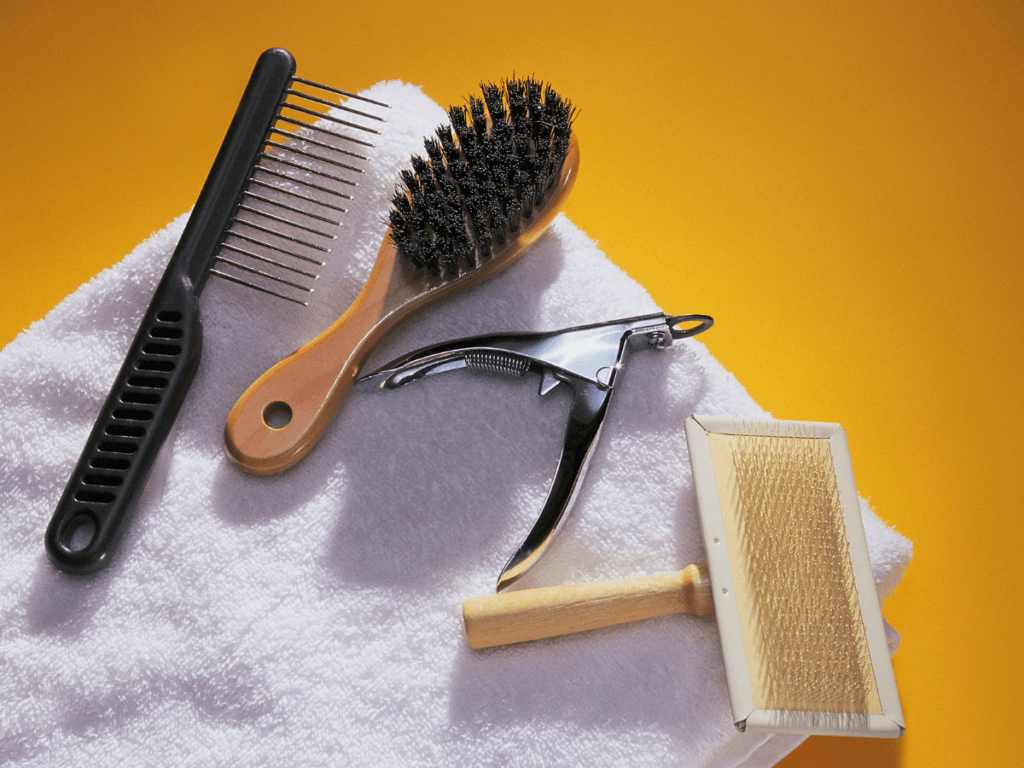
Grooming tools come into direct contact with multiple animals throughout the day, making proper cleaning and disinfection one of the most important aspects of salon sanitation.
Clippers, combs, brushes, scissors, and other equipment can quickly become sources of contamination if they are not maintained correctly. Establishing clear procedures for cleaning, disinfecting, and storing tools helps reduce health risks while extending the life of valuable equipment.
What Are The Best Practices For Equipment Cleaning And Sterilization In Grooming Salons?
Effective equipment maintenance starts with consistency. Every reusable tool should follow a defined cleaning process after use, and staff should understand exactly how each item is handled between appointments.
The most successful salon sanitation programs match cleaning methods to the type of equipment being used. Some tools require basic cleaning and disinfection, while others may benefit from advanced sterilization methods depending on their purpose and material.
Keeping written procedures and maintenance logs can help ensure standards are followed consistently throughout the salon.
Cleaning Agents
Selecting the right cleaning products is essential for protecting both equipment and animal health. EPA-registered disinfectants designed for grooming or animal-care environments are often recommended because they have been tested for effectiveness against a broad range of pathogens.
The chosen product should be compatible with the materials being treated. Certain chemicals may damage blades, handles, or plastic components if used incorrectly. Following manufacturer instructions helps maintain equipment performance while supporting overall salon sanitation efforts.
Sterilization Techniques
Some grooming tools may require more intensive treatment than standard disinfection. Depending on the equipment and salon procedures, sterilization methods can include heat-based systems, chemical sterilants, or other validated processes designed to eliminate microorganisms.
Not every tool requires sterilization, but understanding when it is appropriate can strengthen infection-control efforts. Matching the sterilization method to the tool’s material and intended use helps prevent damage while maintaining hygiene standards.
Frequency Of Cleaning
Cleaning frequency plays a major role in preventing cross-contamination. As a general rule, reusable grooming tools should be cleaned and disinfected after every appointment. This prevents contaminants from being transferred from one animal to another.
In busy salons, high-use equipment may require additional attention throughout the day. Establishing cleaning schedules based on appointment volume and equipment usage helps maintain consistency and reduces the likelihood of missed sanitation steps.
How To Properly Clean And Sterilize Grooming Tools To Prevent Cross-Contamination?
Preventing cross-contamination requires a structured process rather than occasional cleaning. Every staff member should follow the same sequence so that no important steps are skipped.
A thorough approach begins with removing visible debris, followed by cleaning, disinfection, and proper storage. Each stage contributes to reducing contamination risks and supporting salon sanitation goals.
Initial Cleaning Steps
Before any disinfectant is applied, tools should be cleared of hair, dirt, and product residue. Visible contaminants can interfere with the effectiveness of cleaning agents and disinfectants.
Washing equipment with soap and water helps remove oils and debris that may otherwise shield microorganisms from treatment. Taking the time to perform this initial cleaning step correctly improves the effectiveness of everything that follows.
Disinfection Process
Once tools are clean, an appropriate disinfectant should be applied according to the manufacturer’s instructions. Contact time is especially important. Many disinfectants require surfaces to remain wet for a specific period in order to achieve effective microbial control.
Staff should be trained on proper dilution ratios, application methods, and safety precautions. Consistent execution helps ensure that disinfectants deliver the intended level of protection.
Storage Of Tools
Even properly disinfected tools can become contaminated again if they are stored incorrectly. After cleaning and drying, equipment should be placed in designated storage areas that are protected from dust, moisture, and unnecessary handling.
Closed cabinets, sealed containers, or clearly separated storage stations help maintain cleanliness between uses. Organized storage also makes it easier for employees to identify which tools are ready for use and which require cleaning.
Which Disinfection Methods Are Most Effective For Grooming Equipment?
The effectiveness of any disinfection method depends on proper selection and application. Common options include quaternary ammonium compounds, hydrogen peroxide-based disinfectants, and properly diluted bleach solutions.
Each offers different advantages depending on the type of equipment and the pathogens being targeted. Regardless of the product chosen, success depends on consistent use.
Cleaning surfaces before disinfecting, following recommended contact times, and maintaining accurate records all contribute to stronger salon sanitation practices.
Regular inspections and occasional verification checks can further confirm that cleaning procedures remain effective and continue to protect both pets and staff.
Waste Management And Disposal
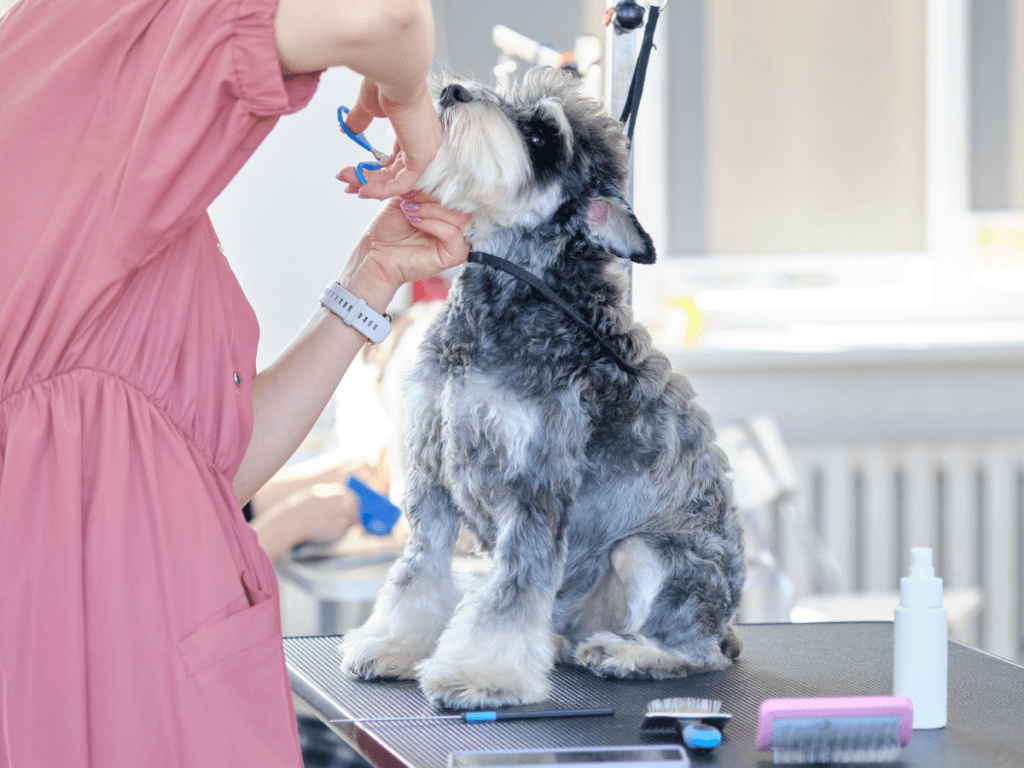
Waste management is often overlooked when discussing salon sanitation, but it plays a critical role in maintaining a clean, safe, and professional grooming environment.
Hair clippings, used towels, disposable protective equipment, packaging materials, and contaminated waste can quickly accumulate throughout the day. Without a clear disposal process, these materials can contribute to odors, pest problems, and potential contamination risks.
An organized waste management program helps support hygiene standards while creating a more pleasant experience for employees, pets, and clients.
How Should Waste Management And Disposal Be Handled In Grooming Salons?
Effective waste management begins with clear procedures and consistent execution. Grooming salons should establish designated disposal areas, provide properly labeled containers, and train staff on appropriate handling methods.
The goal is to prevent waste from becoming a source of contamination. By removing discarded materials promptly and maintaining clean collection areas, salons can strengthen overall salon sanitation efforts and reduce potential health risks.
Creating simple, repeatable procedures also makes it easier for staff to follow best practices during busy periods.
Separation Of Waste Types
Not all waste should be handled the same way. Separating materials into appropriate categories improves safety, supports environmental responsibility, and simplifies disposal.
General trash, recyclable materials, and potentially contaminated waste should be placed in clearly labeled containers. Items that may have been exposed to bodily fluids or other contaminants should be isolated from standard refuse whenever required by local regulations or salon policies.
Proper waste separation helps reduce accidental exposure, improves disposal efficiency, and contributes to a more organized workspace.
Regular Disposal Schedule
Allowing waste to accumulate can quickly undermine even the strongest salon sanitation program. Establishing a routine disposal schedule helps prevent overflowing bins, unpleasant odors, and conditions that may attract pests.
Most grooming salons benefit from emptying waste containers daily, though facilities with higher appointment volumes may require more frequent removal throughout the day. Waste collection schedules should be adjusted based on salon traffic, seasonal demand, and the type of waste being generated.
Consistency is key. A reliable schedule prevents small issues from becoming larger sanitation concerns.
Cleaning And Disinfecting Waste Areas
Waste containers and collection areas require regular cleaning to prevent the buildup of bacteria, odors, and residue. Even when liners are used, bins can become contaminated through routine use.
Containers should be emptied, cleaned, and disinfected on a regular basis, with particular attention given to lids, handles, and surrounding surfaces. Floors and walls near disposal areas should also be inspected and cleaned as needed.
Maintaining these spaces supports overall salon sanitation and helps ensure that waste management practices remain effective over time.
What Are The Recommended Procedures For Safe Disposal Of Grooming Waste?
Safe disposal starts with a structured process that employees can follow consistently. Waste should be sorted appropriately, placed in designated containers, and removed according to established schedules.
Where practical, salons may choose environmentally conscious options such as biodegradable waste bags for certain applications. While sustainability initiatives can be beneficial, hygiene and safety should always remain the primary consideration.
Staff training is equally important. Employees should understand how to handle potentially contaminated materials, replace liners correctly, and maintain disposal areas in accordance with salon procedures.
How Does Proper Waste Management Contribute To Overall Salon Hygiene?
Waste management directly influences the cleanliness and safety of the entire facility. Improperly handled waste can create opportunities for contamination, attract pests, and negatively affect the salon environment.
By removing waste promptly and maintaining sanitary disposal areas, salons can significantly reduce the spread of potentially harmful microorganisms. This proactive approach strengthens salon sanitation efforts and supports infection-control measures throughout the facility.
Prevention Of Pathogen Spread
Discarded materials can become sources of contamination if they are not managed properly. Prompt disposal removes potential hazards from work areas before they can affect employees, pets, or clients.
Combined with routine cleaning and disinfection, proper waste handling helps reduce the likelihood of cross-contamination and contributes to a healthier grooming environment.
Reduction Of Odors
One of the most noticeable benefits of effective waste management is odor control. Hair, damp materials, and organic debris can create unpleasant smells when left unattended.
Regular disposal and cleaning keep waste areas fresh and help maintain a professional atmosphere that reflects positively on the business.
Creating A Pleasant Environment
Clients often judge a grooming salon based on cleanliness and organization. Clean disposal areas, tidy workspaces, and effective salon sanitation practices demonstrate professionalism and attention to detail.
When waste is managed properly, the entire facility feels cleaner, safer, and more welcoming. This not only improves daily operations but also helps build trust and confidence among clients who expect a high standard of care for their pets.
Staff Training, Certification, And Client Trust
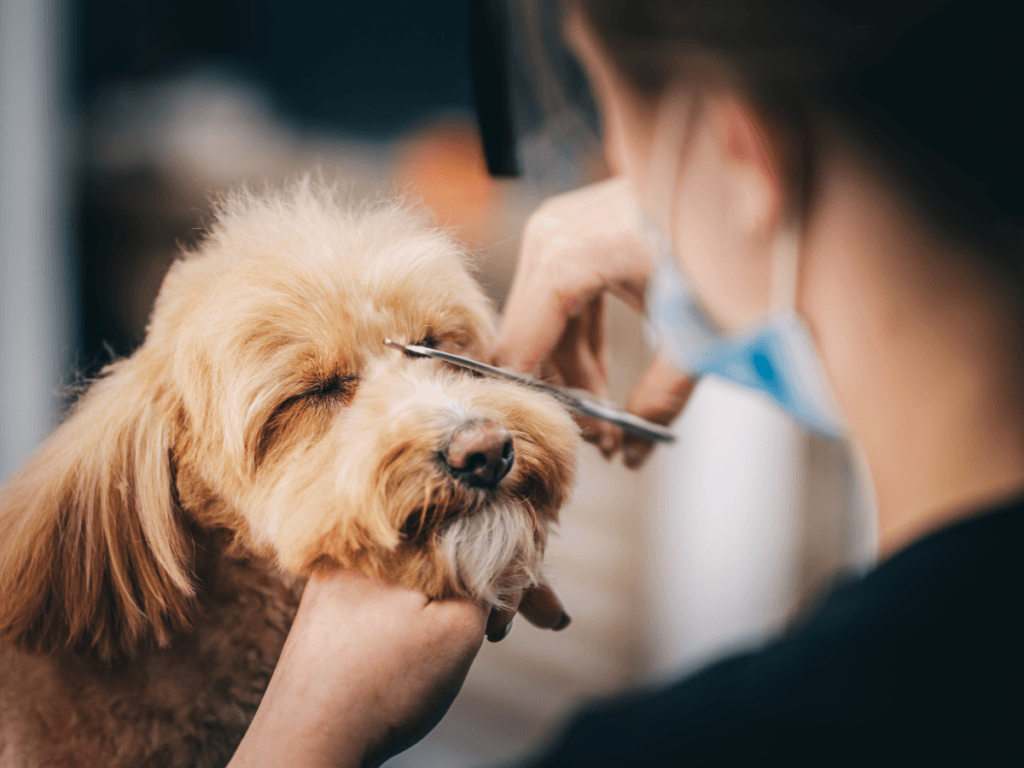
Even the best salon sanitation procedures are only effective when employees understand how to apply them consistently.
Training and certification help create a knowledgeable team that can maintain high standards of cleanliness, safety, and professionalism every day. Beyond improving operational performance, a well-trained staff also helps build trust with clients who want reassurance that their pets are receiving quality care.
Investing in employee education is one of the most effective ways to strengthen salon operations and support long-term success.
Why Is Training And Certification Important For Maintaining Grooming Salon Safety?
Training provides employees with the knowledge and skills needed to perform their responsibilities safely and effectively. From sanitation procedures and equipment handling to emergency preparedness and animal behavior, comprehensive education helps reduce mistakes and improve decision-making.
Certification takes this process a step further by validating that employees have met established standards. It demonstrates a commitment to professional development and provides an additional level of confidence for both management and clients.
When training is ongoing rather than a one-time event, staff members are better prepared to adapt to new regulations, products, and industry best practices.
Integration Of Safety Protocols
One of the primary goals of training is to make safety procedures part of everyday operations. Employees who regularly practice proper cleaning methods, handling techniques, and infection-control measures are more likely to follow them consistently.
Rather than relying on reminders or corrective action, effective training helps staff develop habits that support salon sanitation and workplace safety naturally. Over time, these habits become embedded in the salon’s culture and contribute to more consistent results across the entire team.
Benefits Of Certification
Certification offers advantages for both employees and salon owners. For staff members, earning credentials can increase confidence and demonstrate professional competence. For businesses, certification provides a visible indicator that employees have completed recognized training and understand industry standards.
Many pet owners actively seek grooming salons that prioritize education and professionalism. Certified staff can help differentiate a salon from competitors while reinforcing a commitment to quality service and safety.
Certification can also support compliance efforts by ensuring employees understand current standards and accepted practices within the industry.
Hands-On Training
Practical experience is an essential part of learning. While classroom instruction and online courses provide valuable information, hands-on training allows employees to apply that knowledge in real-world situations.
Scenario-based exercises can help staff practice salon sanitation procedures, proper animal handling, equipment operation, and emergency response techniques. This approach improves confidence and prepares employees to respond appropriately when unexpected situations arise.
Hands-on learning also allows trainers to identify knowledge gaps and provide immediate feedback, leading to stronger skill development over time.
What Training Programs Cover Essential Cleaning And Safety Protocols?
The most effective training programs combine technical knowledge with practical application. Courses should cover cleaning and disinfection procedures, infection-control strategies, equipment maintenance, personal protective equipment, and safe animal handling techniques.
Programs that address salon sanitation in detail are particularly valuable because they help employees understand how daily actions contribute to overall safety and compliance.
Emergency preparedness, workplace safety practices, and regulatory requirements should also be included to provide a well-rounded educational experience.
When selecting a training program, salons should look for options that align with recognized industry standards and include opportunities for both instruction and skills assessment.
How Does Certification Enhance Compliance And Client Trust In Grooming Salons?
Certification helps reinforce compliance by establishing clear expectations and encouraging adherence to proven procedures. Employees who complete formal training are often more familiar with sanitation requirements, safety protocols, and regulatory guidelines.
From a client perspective, certification signals professionalism and accountability. Pet owners want to know that the individuals caring for their animals are knowledgeable and prepared.
Visible credentials can provide reassurance that staff members have received appropriate education and understand the responsibilities that come with their role.
Understanding The “Why” Behind Procedures
One of the most important aspects of training is helping employees understand the purpose behind specific protocols. When staff members know why salon sanitation procedures, safety measures, and cleaning requirements exist, they are more likely to apply them consistently and thoughtfully.
This deeper understanding encourages better decision-making, stronger compliance, and greater accountability. Instead of simply following a checklist, employees become active participants in maintaining a safe and professional environment.
By combining ongoing education, hands-on practice, and recognized certification programs, grooming salons can strengthen safety standards, improve operational consistency, and build lasting trust with clients who expect the highest level of care for their pets.
Sanitation Frequency, Checklists, And Ongoing Improvement
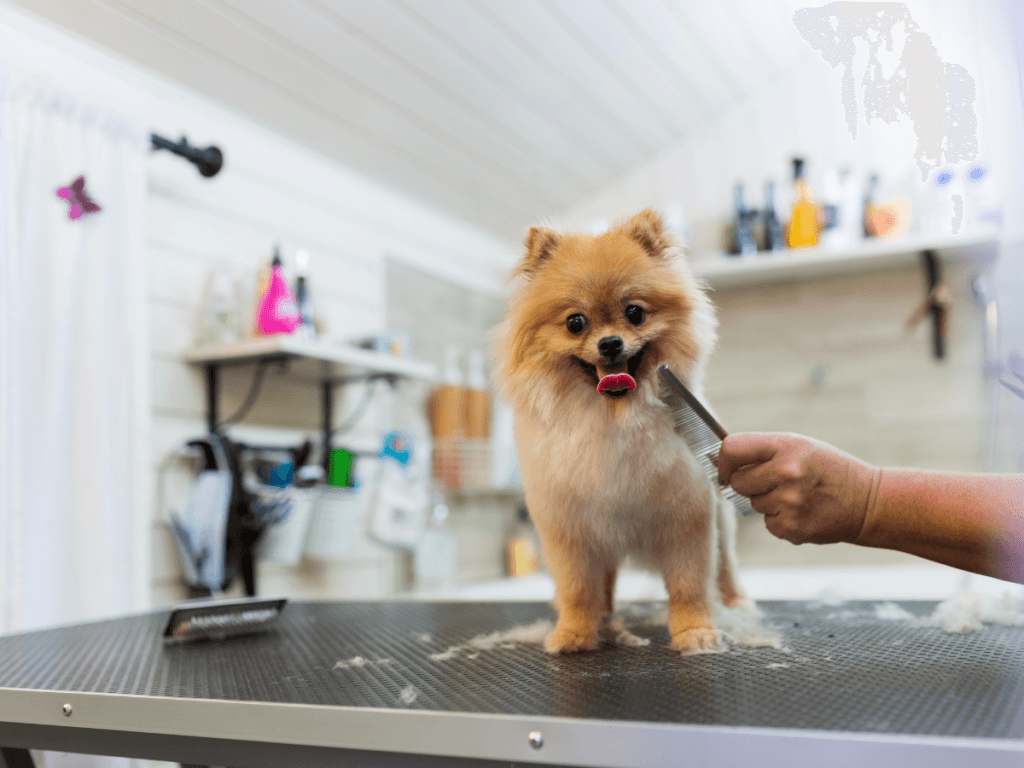
Maintaining a clean grooming environment is not a one-time task. Effective salon sanitation depends on consistent routines, clear expectations, and regular evaluation.
The most successful grooming salons treat cleanliness as an ongoing process, using schedules, checklists, and performance tracking to ensure standards remain high every day.
By creating repeatable systems, salon owners can reduce the risk of missed tasks, improve accountability, and provide a safer experience for both pets and staff.
What Are The Most Common Questions About Maintaining A Clean And Safe Grooming Salon?
Many salon owners have similar concerns when developing or refining their sanitation programs. Common questions include how often surfaces should be disinfected, which cleaning products are safest for animal-care environments, and how to ensure employees follow established procedures consistently.
These questions highlight an important reality: strong salon sanitation is not just about selecting the right products. It also requires clear policies, ongoing training, and regular monitoring to ensure those policies are being followed.
Understanding the answers to these common concerns helps transform sanitation from a reactive task into a proactive part of daily operations.
How Often Should Grooming Salons Be Sanitized To Ensure Safety?
The ideal cleaning frequency depends on salon traffic, the number of animals served, and the types of services provided. High-touch surfaces such as grooming tables, counters, door handles, and payment stations should be cleaned and disinfected multiple times throughout the day.
Tools that come into direct contact with pets should be cleaned after every use to reduce the risk of cross-contamination. In addition to daily cleaning tasks, salons should schedule weekly deep-cleaning sessions that address less frequently cleaned areas, including storage spaces, vents, floors, and equipment bases.
Regular cleaning schedules help maintain salon sanitation standards while reducing the likelihood of contamination-related issues.
What Are The Best Cleaning Checklists For Grooming Salons?
Checklists are one of the simplest and most effective tools for maintaining consistency. Rather than relying on memory, employees can follow documented procedures that clearly outline required tasks and responsibilities.
Daily checklists may include disinfecting workstations, sanitizing tools between appointments, replacing linens, and cleaning common areas. Weekly checklists can focus on larger tasks such as deep-cleaning floors, sanitizing waste containers, and inspecting storage areas.
Monthly reviews can be used to evaluate overall salon sanitation practices, update procedures, and verify compliance with local regulations or company policies. When properly implemented, checklists create accountability and make it easier to identify missed tasks before they become larger problems.
How Can Grooming Salons Monitor And Improve Their Sanitation And Safety Practices?
Even well-designed procedures require regular review. Monitoring systems help salon owners verify that sanitation protocols are being followed consistently and identify opportunities for improvement.
Routine inspections, cleaning logs, and periodic audits can reveal whether staff are completing tasks as scheduled. Reviewing incident reports, employee observations, and client feedback can also provide valuable insight into areas that may need attention.
Continuous improvement is an important part of maintaining salon sanitation because standards, products, and regulations can change over time. Salons that regularly evaluate their procedures are often better prepared to adapt and maintain high levels of safety.
What Key Performance Indicators Track Salon Hygiene Effectiveness?
Measuring performance helps determine whether sanitation efforts are achieving the desired results. One useful metric is disinfection compliance, which tracks how consistently tools, tables, and high-contact surfaces are cleaned according to schedule.
Tool-cleaning records can help verify that equipment is sanitized after each appointment. Client feedback is another valuable indicator, as pet owners often notice cleanliness, organization, and overall professionalism during their visits.
Tracking these metrics provides objective data that can guide improvements and reinforce accountability throughout the team.
How To Use Structured Data And Visual Aids To Enhance Safety Training And Compliance?
Training becomes more effective when employees have clear references available throughout the workday. Visual reminders such as posters, laminated procedure guides, and workstation checklists help reinforce expectations and reduce the chance of skipped steps.
Structured training materials also ensure that every employee receives the same information, regardless of experience level or shift schedule. By combining documented procedures with visual aids, salons can strengthen compliance and make salon sanitation practices easier to follow consistently.
When employees have access to clear instructions and reliable resources, maintaining a safe, clean environment becomes a natural part of the daily workflow rather than an occasional task.
Frequently Asked Questions
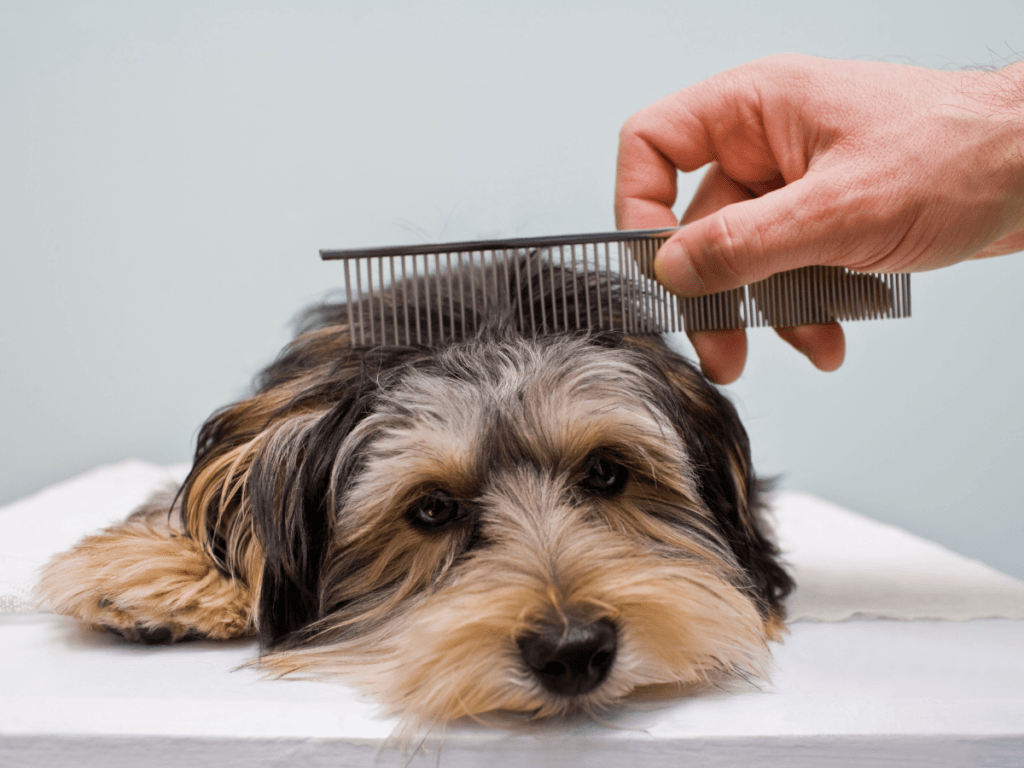
What Should I Look For In A Grooming Salon’s Hygiene Practices?
A reputable grooming salon should demonstrate strong hygiene habits throughout the facility. Look for clean floors, sanitized workstations, freshly laundered towels, and grooming tools that are cleaned between appointments.
Staff should regularly wash their hands and use appropriate protective equipment when needed.
Many professional salons also make their cleaning procedures visible to clients. Posted sanitation schedules, clearly labeled products, and staff who can confidently explain their cleaning routines are all signs that hygiene is taken seriously.
Strong salon sanitation practices not only protect pets but also help create a safer environment for employees and customers.
How Can I Ensure My Pet’s Safety During Grooming Sessions?
Pet safety starts with choosing a salon that prioritizes both cleanliness and proper animal handling. Groomers should be able to explain how they manage anxious pets, recognize signs of stress, and respond to emergencies if they occur.
When visiting a salon, pay attention to how staff interact with the animals in their care. Calm handling, patient communication, and a willingness to adjust the grooming process based on a pet’s needs are all positive indicators.
A salon that combines safe handling techniques with thorough salon sanitation procedures is more likely to provide a comfortable experience for your pet.
What Are The Signs Of A Well-Maintained Grooming Salon?
A well-maintained salon is typically organized, clean, and easy to navigate. Grooming tables should be free of debris, tools should be stored properly, and waste containers should be emptied regularly. Fresh-smelling facilities and clean waiting areas often indicate that routine cleaning protocols are being followed consistently.
You may also notice signs of ongoing staff education, certifications, or posted cleaning schedules. These details show a commitment to professionalism and demonstrate that salon sanitation is treated as an ongoing priority rather than an occasional task.
How Often Should Grooming Tools Be Cleaned And Disinfected?
Grooming tools should be cleaned and disinfected after every use. Hair, dirt, and other debris should first be removed before the tools are washed thoroughly. Once cleaned, an appropriate disinfectant should be applied according to the manufacturer’s instructions, including any required contact time.
This process helps prevent cross-contamination between pets and reduces the spread of bacteria, fungi, and other pathogens. Consistent tool care is one of the most important components of an effective salon sanitation program.
What Role Does Staff Training Play In Maintaining Salon Hygiene?
Even the best cleaning products and procedures are only effective when staff know how to use them correctly. Training ensures that employees understand proper sanitation techniques, safe handling practices, emergency procedures, and equipment care.
Regular refresher training helps teams stay current with industry standards and reinforces the importance of following established protocols. When employees understand both the “how” and the “why” behind salon sanitation procedures, they are more likely to perform them consistently and correctly.
How Can Clients Contribute To Maintaining Hygiene In Grooming Salons?
Clients play an important role in supporting a safe grooming environment. Providing accurate information about a pet’s health, skin conditions, or recent illnesses allows groomers to take appropriate precautions before services begin.
Pet owners can also follow any salon-specific guidelines regarding drop-off procedures, vaccination requirements, or hygiene requests. Open communication helps create a safer experience for everyone and supports the salon’s overall sanitation efforts.
What Should I Do If I Notice Unsanitary Conditions In A Grooming Salon?
If you observe conditions that appear unclean or unsafe, start by discussing your concerns with salon management. Many issues can be addressed quickly when staff are made aware of them. Ask about the salon’s cleaning procedures and how they plan to resolve the problem.
If management is unable or unwilling to address legitimate concerns, it may be best to seek services elsewhere.
In situations involving serious health or safety violations, contacting the appropriate local regulatory authority may also be appropriate. Protecting your pet’s well-being should always remain the top priority when selecting a grooming provider.
Conclusion
Maintaining high sanitation standards is essential for creating a safe, professional, and welcoming grooming environment for both pets and their owners.
Consistent cleaning routines, proper tool disinfection, and attention to hygiene best practices can help reduce health risks, build client trust, and support the long-term success of a grooming business.
Whether you’re an experienced groomer or looking to improve your operational standards, investing in proper sanitation practices can make a meaningful difference in the quality of care you provide. For professional grooming education and industry expertise, choose OTCK9 Grooming School.
If you’re interested in learning more about professional grooming services or training opportunities, call 770-874-1803 to speak with the team at OTCK9 Grooming School or fill out the online form to learn more about our services.