A dog’s eyes are sensitive, and even minor irritation can quickly lead to discomfort if it isn’t addressed properly. Tear stains, dust, pollen, and everyday debris can accumulate around the eyes, making regular care an important part of your dog’s grooming and wellness routine.
The challenge is cleaning the area safely without causing irritation or injury. Dog eye care tips for safe and gentle cleaning focus on protecting delicate tissue while keeping the eye area clear and comfortable.
Using the right techniques and products can help remove buildup, reduce irritation, and make it easier to spot potential issues before they become more serious. With a consistent approach to eye care, you can help keep your dog comfortable, support healthy vision, and maintain overall eye health as part of their regular routine.
How Dog Eye Care Helps Prevent Irritation and Infection
What Causes Dog Eye Discharge and Tear Stains?
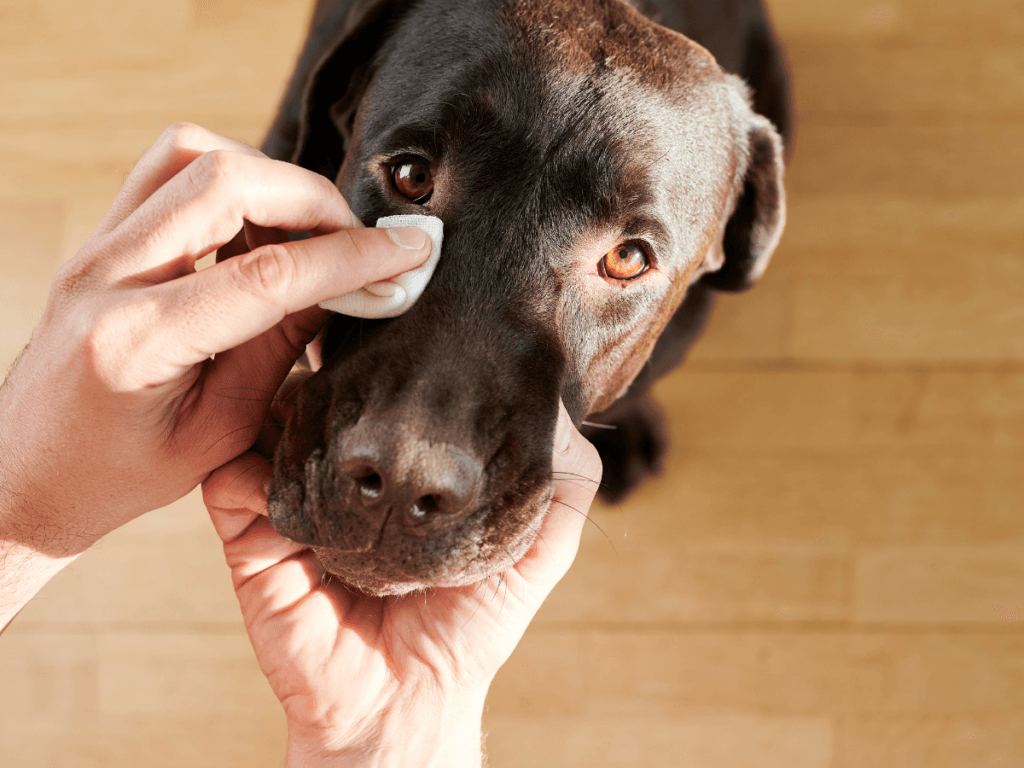
Eye discharge and tear stains are common concerns for dog owners, but they can develop for several different reasons. In some cases, a small amount of clear tearing is completely normal and helps keep the eyes clean and lubricated.
In others, excessive tearing, discoloration, or thick discharge may signal irritation, infection, or an underlying health issue that requires attention.
Understanding the causes behind these symptoms is an important part of good dog eye care. When you know what to look for, it’s easier to prevent minor issues from becoming more serious problems.
Which Medical And Environmental Factors Lead To Dog Eye Infections?
A variety of medical conditions and environmental triggers can contribute to eye irritation and infection. Allergies are among the most common causes. Dogs that react to pollen, dust, mold, or certain foods may experience redness, watery eyes, and increased tearing, particularly during seasonal changes.
Infections can also develop when bacteria or viruses affect the eye. Unlike normal tears, infection-related discharge is often thicker and may appear yellow, green, or cloudy. These cases typically require veterinary evaluation and treatment to prevent complications.
Breed-specific anatomy can play a role as well. Flat-faced breeds, such as Pugs, Bulldogs, and Shih Tzus, are more prone to eye problems because their facial structure can expose the eyes to irritation and affect how tears drain.
Dogs with eyelid abnormalities or blocked tear ducts may also experience chronic tearing and discomfort. Environmental factors should not be overlooked.
Wind, dust, smoke, and even household cleaning products can irritate sensitive eyes. If symptoms appear suddenly after a change in environment, it may be worth considering whether an external trigger is contributing to the problem.
As part of regular dog eye care, it can be helpful to keep track of when symptoms appear, what the discharge looks like, and whether there have been any recent environmental changes. These observations can provide useful information if a veterinary visit becomes necessary.
Why Routine Eye Hygiene Matters
Even when no medical condition is present, regular cleaning can help reduce irritation and keep the eye area healthy. Gently wiping away debris, dried discharge, and excess tears prevents buildup that can contribute to staining and discomfort.
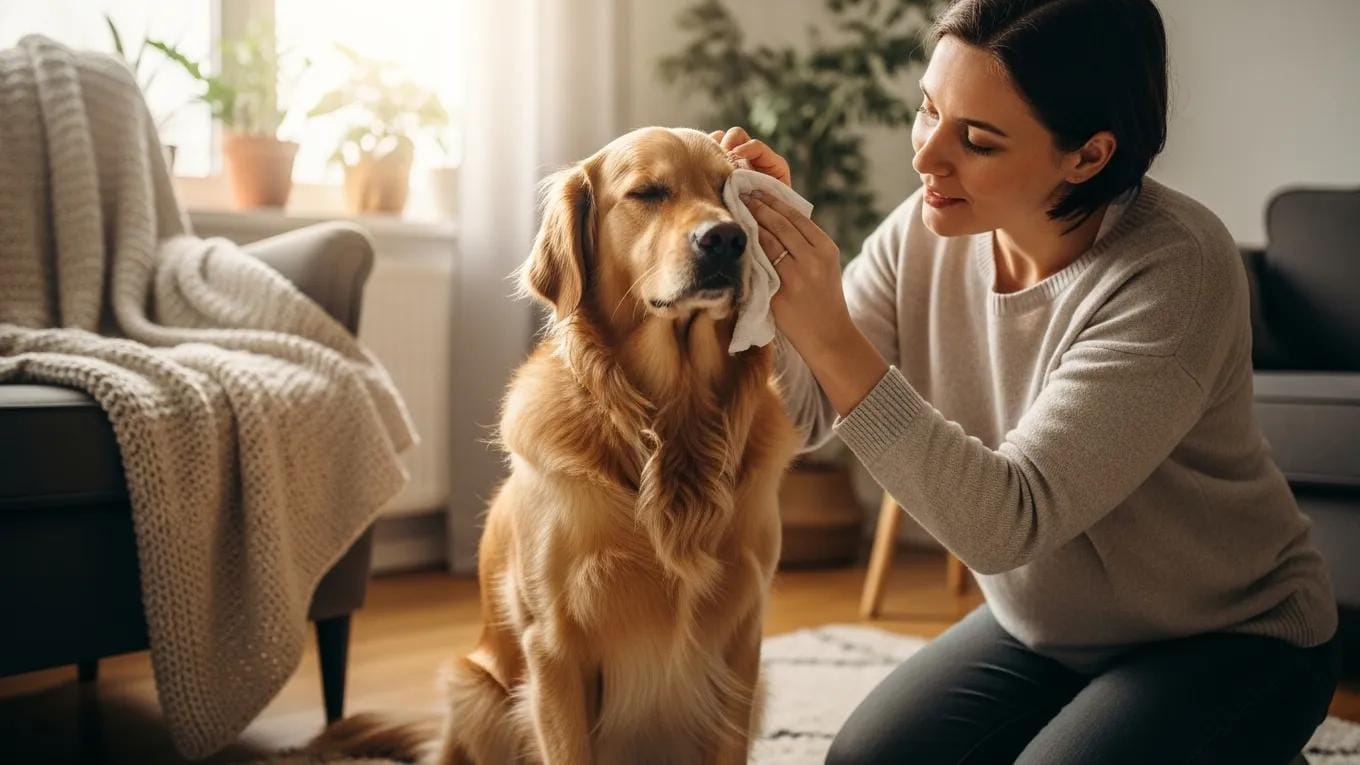
Before cleaning your dog’s eyes, wash your hands and use a soft, clean cloth dampened with warm water. Allowing a warm compress to rest against the area for a few minutes can help loosen crusted material, making it easier to remove without causing irritation.
Consistent grooming around the eyes is another important part of dog eye care. Long facial hair can trap moisture and direct debris toward the eyes, increasing the likelihood of tearing and staining.
How Do Tear Stains Develop, and What Are Their Common Triggers?
Tear stains develop when tears remain on the fur for extended periods. As moisture accumulates, pigments, bacteria, and yeast can contribute to the reddish-brown discoloration commonly seen beneath the eyes.
Excessive tearing is often the primary cause. Allergies, irritation, blocked tear ducts, and certain facial structures can all lead to tears overflowing onto the surrounding fur instead of draining normally.
Microbial growth is another contributing factor. The warm, moist environment created by constant tearing provides favorable conditions for bacteria and yeast. Over time, these microorganisms can intensify staining and make discoloration more noticeable.
Grooming habits also play a significant role. Fur that grows into the eyes or remains damp for long periods can worsen staining. Dogs with light-colored coats often show tear stains more prominently, although the underlying causes are the same regardless of coat color.
Managing Tear Stains And Promoting Healthy Eyes
Reducing tear stains usually requires addressing the underlying cause rather than focusing solely on the discoloration itself. Regular cleaning, proper grooming, and prompt attention to allergies or irritation can all help minimize staining over time.
For many dogs, simple adjustments such as trimming hair around the eyes, cleaning the area more frequently, and reducing exposure to known irritants can lead to noticeable improvement.
Combined with consistent dog eye care, these preventive measures help keep the eyes comfortable, healthy, and free from excessive discharge and staining.
How Often Should You Clean Your Dog’s Eyes For Optimal Hygiene?
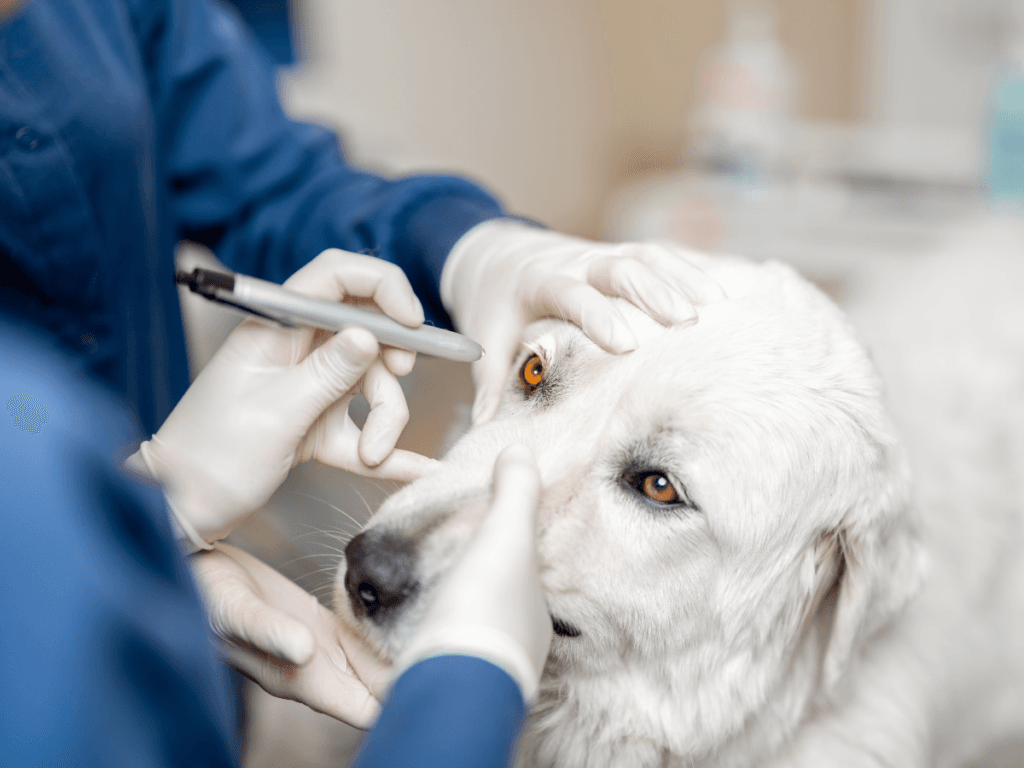
Creating a regular cleaning routine is one of the simplest ways to support your dog’s eye health. However, there is no universal schedule that works for every pet. The ideal frequency depends on factors such as breed, age, lifestyle, and whether your dog is prone to tearing or eye irritation.
For many healthy dogs, a quick inspection every day and gentle cleaning as needed is enough. Dogs that frequently develop tear stains or discharge may require more regular attention.
Consistent dog eye care not only keeps the area around the eyes clean but also helps owners spot potential problems before they become more serious.
A predictable routine can also make eye cleaning less stressful. When dogs become familiar with the process, they are generally more cooperative and comfortable. Using praise, treats, and calm handling can help turn eye cleaning into a positive experience.
What Are The Signs That Indicate The Need For Immediate Eye Cleaning?
While some dogs can follow a regular maintenance schedule, there are times when immediate cleaning may be necessary. One of the most common signs is excessive tearing. If the fur around the eyes suddenly becomes damp or stained, cleaning the area can help prevent irritation and buildup.
Redness is another warning sign. Eyes that appear inflamed or bloodshot may be reacting to dust, allergens, debris, or an emerging infection. While gentle cleaning can remove surface irritants, persistent redness should always be monitored closely.
Swelling around the eyelids or surrounding tissue may also indicate that attention is needed. Even mild puffiness can suggest irritation, injury, or an underlying condition that requires further evaluation.
Outdoor activities often create additional reasons for prompt cleaning. After hiking, playing in tall grass, or spending time in dusty environments, small particles can collect around the eyes. Removing debris quickly helps reduce the risk of discomfort and irritation.
When performing dog eye care, always work gently. Use a soft cloth dampened with warm water and avoid applying pressure directly to the eye itself. If your dog shows signs of pain, resists handling more than usual, or if symptoms worsen after cleaning, a veterinary examination is recommended.
How Does Breed And Age Affect Eye Cleaning Frequency?
Some dogs naturally require more eye care than others. Breed characteristics play a significant role in determining how often cleaning is necessary.
Flat-faced breeds, including Pugs, Bulldogs, Shih Tzus, and similar dogs, often experience increased tearing because of their facial structure. Their eyes tend to be more exposed, and tears may not drain as efficiently as they do in other breeds. As a result, these dogs frequently benefit from daily inspections and regular cleaning.
Long-haired breeds may also need more attention. Fur around the eyes can trap moisture, collect debris, and contribute to staining if not properly maintained. Keeping hair trimmed away from the eyes can make routine care easier and more effective.
Age is another important consideration. Older dogs are more likely to experience conditions such as dry eye, changes in tear production, or reduced tear drainage.
These issues can increase the need for ongoing monitoring and maintenance. Because senior dogs may not always show obvious signs of discomfort, regular dog eye care becomes even more valuable as they age.
Building A Routine That Works For Your Dog
Rather than following a rigid schedule, it is often best to adjust your routine based on your dog’s individual needs. A healthy adult dog with no history of eye problems may only need occasional cleaning, while a brachycephalic breed or senior dog could benefit from daily attention.
A practical approach is to perform a brief visual inspection every day. This takes only a minute and allows you to check for tearing, redness, discharge, or other changes. More thorough cleaning can then be performed as needed.
Consistent dog eye care helps maintain comfort, reduces tear stain buildup, and makes it easier to identify problems early. With a simple routine tailored to your dog’s breed, age, and lifestyle, you can help support healthy eyes and prevent minor issues from becoming larger concerns.
What Are The Safest Methods To Clean Your Dog’s Eyes?
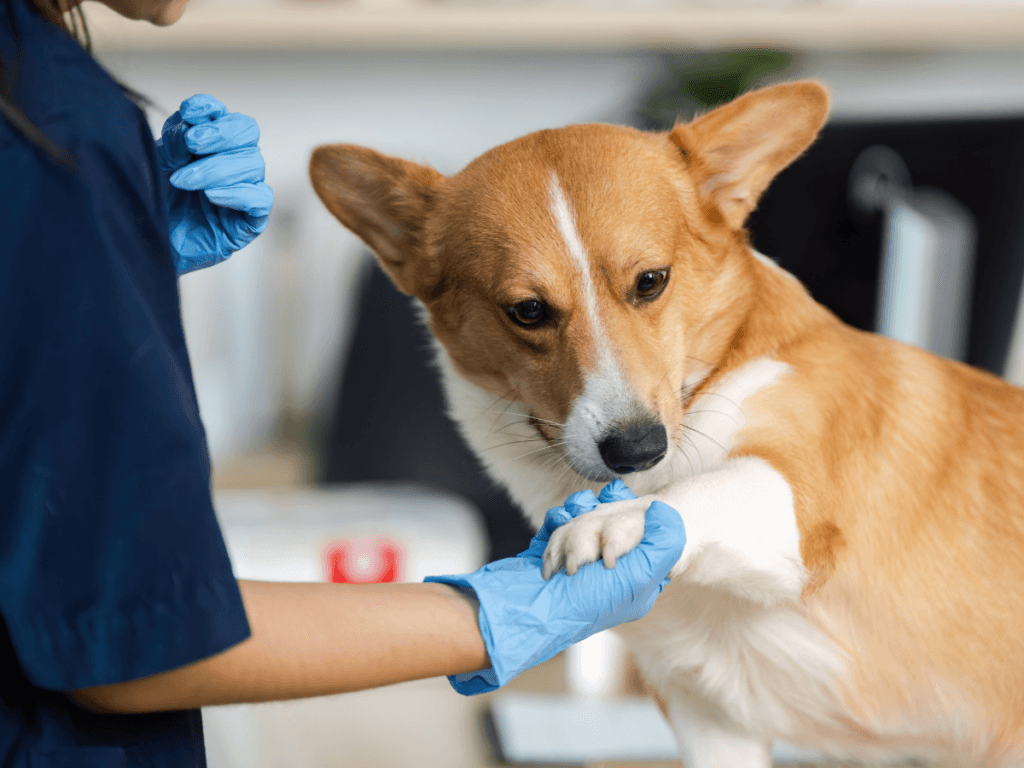
Safe and consistent cleaning is one of the most important parts of good dog eye care. The area around a dog’s eyes is delicate, so it’s important to use gentle techniques and products specifically designed for pets.
Proper cleaning can help remove debris, reduce tear stain buildup, and keep your dog comfortable without causing unnecessary irritation.
Before you begin, gather everything you need and choose a quiet, well-lit space where your dog feels relaxed. Having supplies ready ahead of time makes the process quicker and less stressful for both you and your pet.
How To Use Dog Eye Wipes And Cleaning Cloths Correctly?
Dog eye wipes and soft cleaning cloths are among the simplest tools for routine maintenance. However, technique matters just as much as the product itself.
Start by choosing wipes made specifically for dogs. Products containing alcohol, artificial fragrances, or harsh detergents can irritate sensitive skin and should be avoided. A soft cloth dampened with warm water can also work well for routine cleaning.
When cleaning, gently wipe along the fur surrounding the eye and the eyelid margins rather than directly on the eye itself. Use light pressure and move from the inner corner outward in a smooth motion. If you need multiple passes, use gentle strokes instead of scrubbing.
To prevent the spread of bacteria or debris, always use a clean section of cloth or a fresh wipe for each eye. If dried discharge or crust has formed, soften it with a warm compress before attempting to remove it.
Proper technique is a key part of dog eye care because it removes buildup effectively while minimizing the risk of irritation. If your dog becomes anxious or resistant, take a break and try again later rather than forcing the process.
Which Natural And Veterinary-Approved Cleaning Solutions Are Recommended?
The safest cleaning solutions are those recommended by veterinarians or specifically formulated for canine eye care. Sterile saline solution is a popular choice because it can help flush away debris while soothing mild irritation.
Some dogs may benefit from veterinarian-approved eye rinses or medicated drops when dealing with specific conditions such as dry eye, inflammation, or infections. These products should only be used according to veterinary guidance.
Natural remedies are sometimes suggested for eye care, but caution is important. While a mild chamomile compress may be soothing for some dogs, not every natural product is safe around the eyes. Always check with your veterinarian before introducing home remedies into your dog eye care routine.
How To Remove Dog Eye Crust And Manage Tear Stains Effectively?
Crusty buildup around the eyes can be uncomfortable and difficult to remove if it is allowed to accumulate. The safest approach is to loosen the material gradually rather than attempting to scrape or pull it away.
A warm, damp compress placed over the closed eye for a few minutes can soften dried discharge and make it easier to remove. Once loosened, gently wipe away the debris using a clean cloth or cotton pad. If crust remains, repeat the process rather than increasing pressure.
Regular maintenance is one of the most effective ways to prevent severe buildup. Consistent dog eye care reduces the need for aggressive cleaning and helps keep the eye area healthy.
Tear stains often require a longer-term approach. Cleaning alone may reduce discoloration, but addressing the underlying cause of excessive tearing is equally important. Grooming, allergy management, and proper eye hygiene all play a role in controlling staining over time.
What Are The Best Dog Eye Wipes And Cleaning Tools Available?
Choosing the right tools can make routine care easier and more effective. Look for eye wipes with simple ingredient lists and formulas designed specifically for use around a dog’s eyes. Hypoallergenic products are often a good choice for dogs with sensitive skin or chronic tearing.
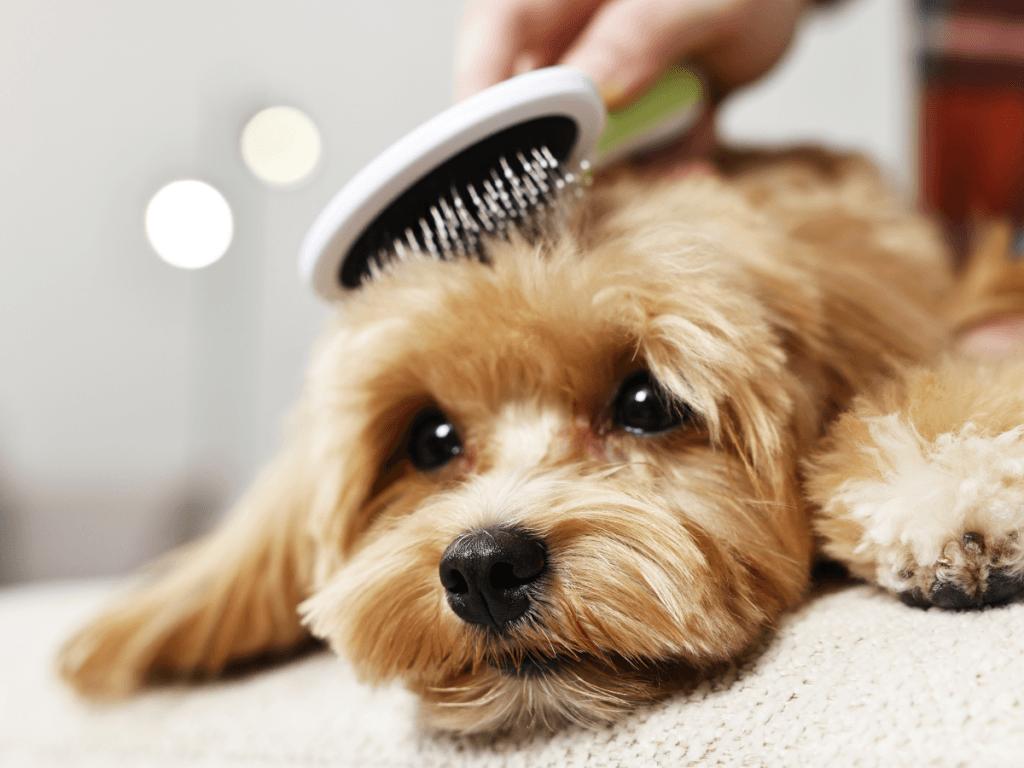
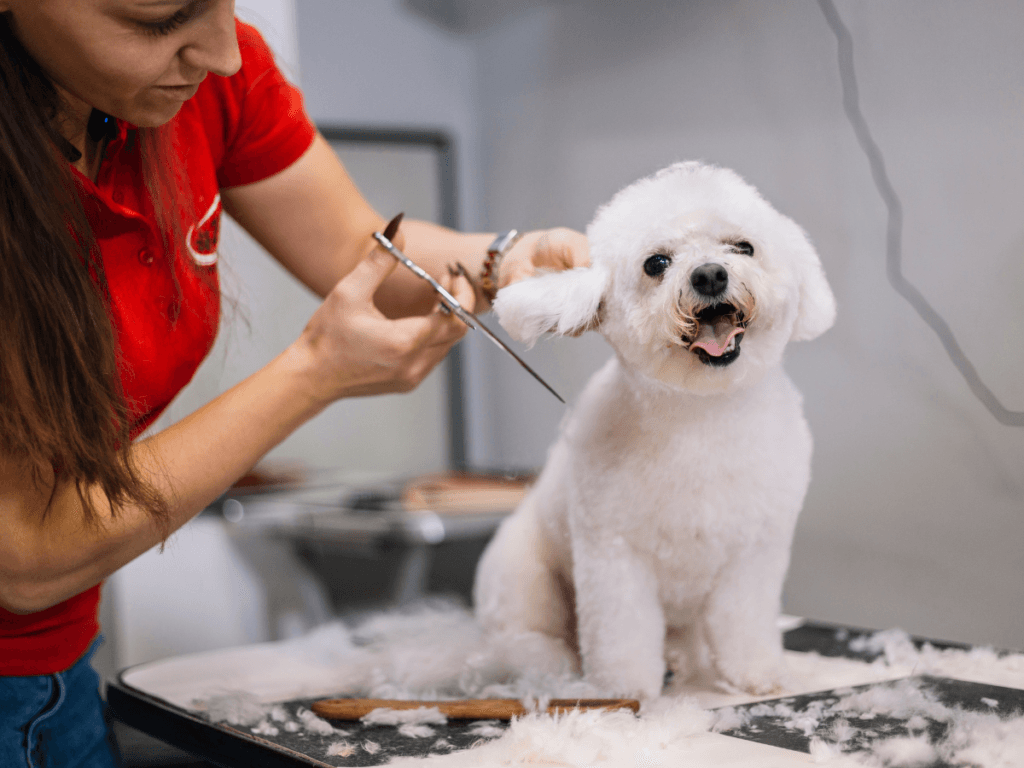
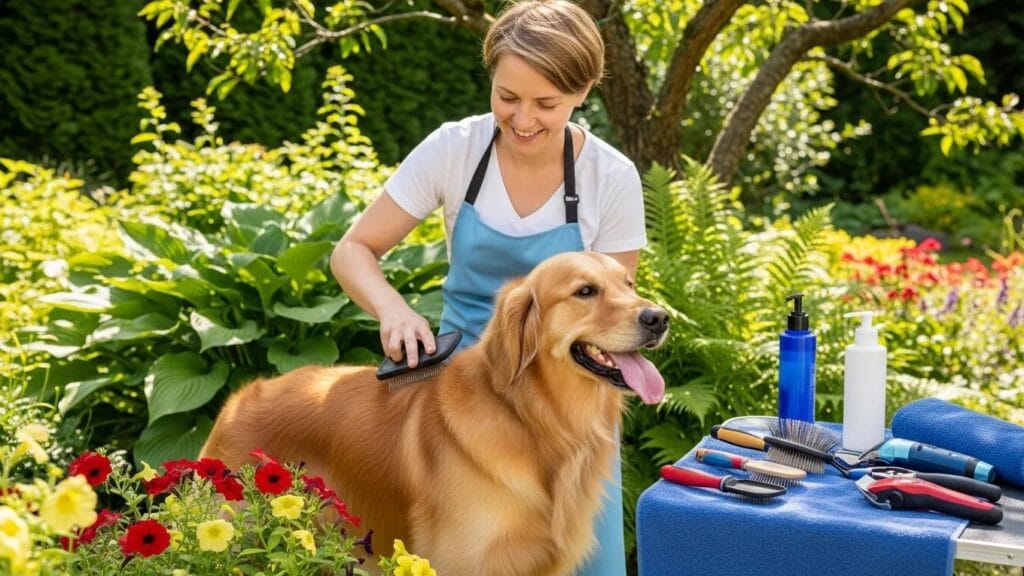
Beyond wipes, a few basic grooming tools can support long-term eye health. Soft-bristle brushes help remove dirt and loose hair around the face, while blunt-tipped grooming scissors can be used to carefully trim fur that may irritate the eyes or trap moisture.
Keeping facial hair tidy is often overlooked, but it can make a noticeable difference in reducing tear stains and preventing debris from collecting near the eyes. Combined with regular cleaning, these tools help create a complete dog eye care routine that supports both comfort and appearance.
By using gentle cleaning methods, appropriate products, and consistent maintenance, you can keep your dog’s eyes clean, comfortable, and healthy while reducing the risk of irritation, crusting, and tear stains.
When Should You Seek Veterinary Care For Dog Eye Infections?
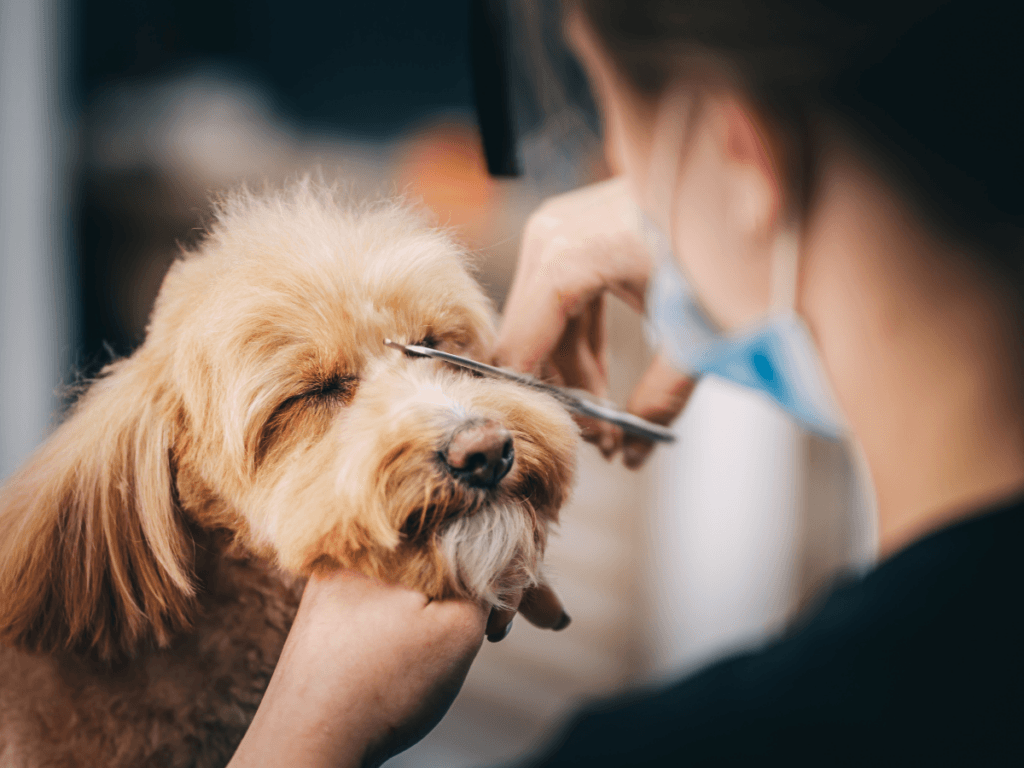
Regular cleaning and observation are important parts of dog eye care, but some eye problems require professional treatment. Because the eyes are delicate and infections can worsen quickly, knowing when to involve your veterinarian can help prevent discomfort, vision loss, and more serious complications.
While mild irritation may improve with routine hygiene, persistent or worsening symptoms should never be ignored. A prompt veterinary evaluation often leads to faster treatment and a better outcome for your dog.
What Are The Signs And Symptoms Of Serious Eye Infections?
Not every case of eye discharge indicates a serious problem, but certain symptoms suggest that something more significant may be happening.
One of the most common warning signs is persistent discharge that continues despite regular cleaning. Thick yellow, green, or cloudy discharge is especially concerning because it may indicate a bacterial infection or another underlying condition.
Redness and swelling around the eye are also important indicators. Mild irritation can occasionally occur after exposure to dust, pollen, or other environmental factors, but significant inflammation often requires veterinary attention.
If the eye appears noticeably swollen or the surrounding tissues become puffy, it is best to have the issue examined promptly.
Changes in your dog’s behavior can provide additional clues. Dogs experiencing eye pain may squint, blink excessively, rub their faces against furniture, or paw at the affected eye. Some may become less active, avoid bright light, or seem unusually uncomfortable.
There are also several symptoms that should be treated as urgent concerns. Sudden cloudiness of the eye, visible injuries to the eyelid or cornea, bleeding, or a noticeable decline in vision all warrant immediate veterinary care. These conditions can progress rapidly and may threaten long-term eye health if left untreated.
Paying attention to these warning signs is a critical part of responsible dog eye care. Early intervention often prevents minor issues from developing into more complex medical problems.
How Do Veterinarians Diagnose Eye Infections?
When you bring your dog to the veterinarian, the first step is usually a thorough examination of the eyes and surrounding tissues. Your veterinarian will assess the appearance of the eye, evaluate discharge, and look for signs of injury, irritation, or structural abnormalities.
Additional diagnostic testing may be recommended depending on the symptoms. Tear production tests can help identify dry eye conditions, while specialized stains may reveal scratches or ulcers on the cornea.
In some cases, samples of eye discharge may be collected to determine whether bacteria or other organisms are contributing to the infection.
These diagnostic tools help identify the root cause of the problem rather than simply treating the symptoms. This targeted approach often leads to more effective treatment and a faster recovery.
How Do Veterinarians Treat Dog Eye Infections And Complications?
Treatment varies based on the cause and severity of the condition. For bacterial infections, veterinarians commonly prescribe medicated eye drops or ointments that help eliminate infection while reducing inflammation.
These medications are often applied several times per day and should be used exactly as directed.
Some dogs may require oral medications in addition to topical treatment. Anti-inflammatory medications or antibiotics can help manage more extensive infections and support healing.
When structural issues contribute to recurring eye problems, more advanced treatment may be necessary. Conditions involving eyelid abnormalities, blocked tear ducts, or chronic irritation sometimes require surgical correction to provide long-term relief.
Follow-up visits are often part of the treatment process. Your veterinarian may monitor healing progress and adjust medications if needed. Even if symptoms improve quickly, it is important to complete the entire course of treatment to ensure the infection is fully resolved.
Why Early Treatment Matters
One of the most important aspects of dog eye care is recognizing that eye conditions rarely improve by ignoring them. What starts as mild irritation can sometimes develop into a painful infection or a more serious issue affecting vision.
If you notice ongoing discharge, redness, swelling, or signs of discomfort, scheduling a veterinary appointment sooner rather than later can make a significant difference.
With timely diagnosis and appropriate treatment, most eye infections can be managed successfully, helping your dog stay comfortable while protecting their long-term eye health.
How Can You Prevent Dog Eye Problems Through Grooming And Care?
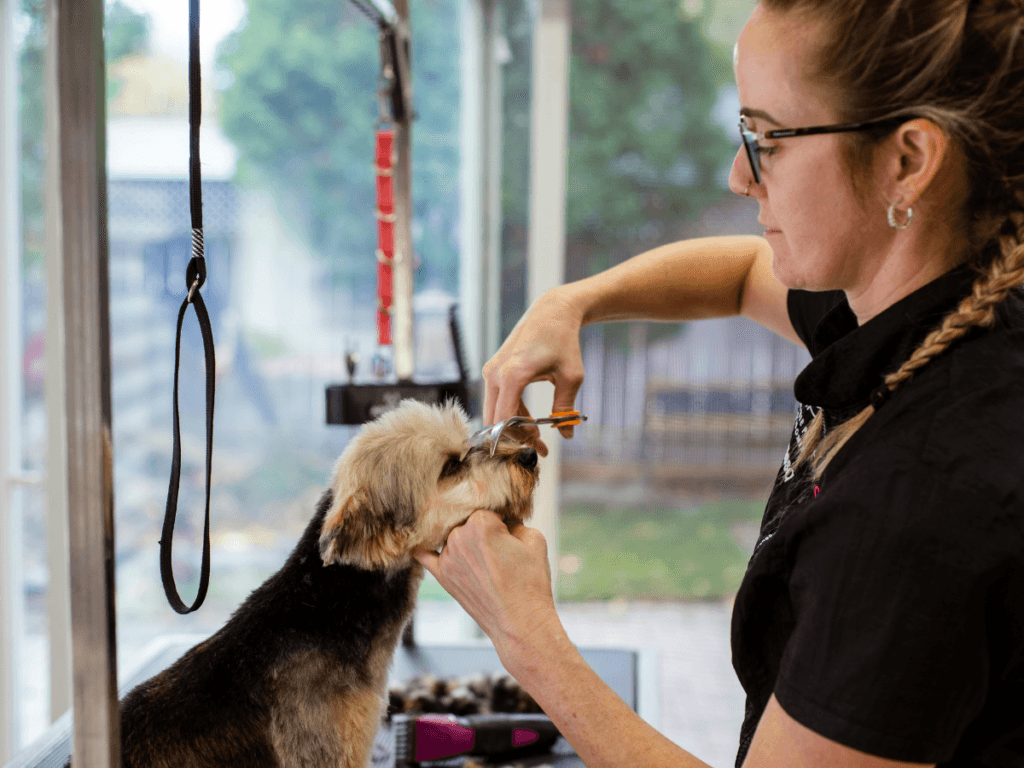
Good prevention starts with consistent daily habits. While some eye conditions are linked to genetics or underlying health issues, many common problems can be minimized through proper grooming, regular monitoring, and a clean living environment.
A proactive approach to dog eye care helps reduce irritation, prevent excessive tear buildup, and makes it easier to spot potential concerns before they become serious.
The goal is not just to keep your dog’s eyes clean, but to create conditions that support long-term eye health. Small routines performed consistently often have a greater impact than occasional intensive cleaning sessions.
What Daily Grooming Habits Support Healthy Dog Eyes?
One of the simplest ways to support dog eye care is by incorporating eye checks into your everyday routine. Spending a few moments examining your dog’s eyes allows you to notice subtle changes such as redness, swelling, excessive tearing, or unusual discharge before they develop into larger problems.
Regular brushing also plays an important role. Facial hair can collect dirt, pollen, and other debris that may eventually find its way into the eyes.
Keeping the fur around the face clean reduces irritation and helps prevent buildup near the tear ducts. For long-haired breeds, trimming hair around the eyes can further reduce the risk of discomfort and excessive tearing.
Consistent cleaning is another valuable habit. Some dogs rarely need more than occasional maintenance, while others are prone to tear stains or mild discharge that requires more frequent attention. Using a soft cloth or veterinarian-approved wipe to gently remove debris helps keep the eye area clean without causing irritation.
Many owners find it easiest to incorporate dog eye care into routines they already follow, such as grooming sessions, walks, or bedtime check-ins. These brief daily observations often provide the earliest warning signs of developing issues and allow for quicker intervention when needed.
Which Dietary And Environmental Factors Help Reduce Tear Stains?
While grooming is important, your dog’s environment and overall health can also affect eye appearance and comfort. Excessive tearing is sometimes linked to environmental irritants that trigger mild inflammation around the eyes.
Dust, pollen, smoke, and strong chemical odors can all contribute to irritation in sensitive dogs. Keeping your home clean, washing pet bedding regularly, and minimizing exposure to airborne irritants can help reduce eye discomfort.
During allergy seasons, wiping your dog’s face after spending time outdoors may remove pollen and other particles before they cause problems.
Hydration is another often-overlooked factor. Fresh, clean water supports overall health and helps maintain normal tear production. Dogs that are well-hydrated may be less likely to experience certain eye-related discomforts associated with dryness or irritation.
Nutrition can also play a role in maintaining healthy eyes. A balanced diet provides essential vitamins, minerals, and nutrients that support the body’s natural functions, including eye health.
If you notice persistent tear stains, chronic discharge, or recurring irritation, it may be worth discussing your dog’s diet with your veterinarian. In some cases, food sensitivities can contribute to inflammation that affects the eyes and surrounding tissues.
How Can Preventive Care Reduce Long-Term Eye Problems?
Preventive care is one of the most effective ways to avoid more serious eye issues. Dogs often show subtle symptoms before a condition becomes severe, and routine observation allows owners to identify those changes early.
Pay attention to recurring tear stains, increased discharge, frequent squinting, or excessive rubbing of the face. While these signs do not always indicate a medical problem, they can signal irritation that deserves closer attention.
Addressing minor concerns promptly often prevents them from developing into infections or more complicated conditions.
Regular veterinary checkups also support effective dog eye care. During routine examinations, your veterinarian can identify early signs of eye disease, evaluate tear production, and recommend preventive measures tailored to your dog’s breed and individual needs.
By combining consistent grooming, a clean environment, proper nutrition, and routine monitoring, you can significantly reduce the risk of common eye problems.
These simple preventive measures help keep your dog’s eyes comfortable, healthy, and free from unnecessary irritation throughout every stage of life. strategies with your veterinarian rather than changing food based on assumptions.
What Are Common FAQs About Dog Eye Cleaning And Tear Stain Removal?
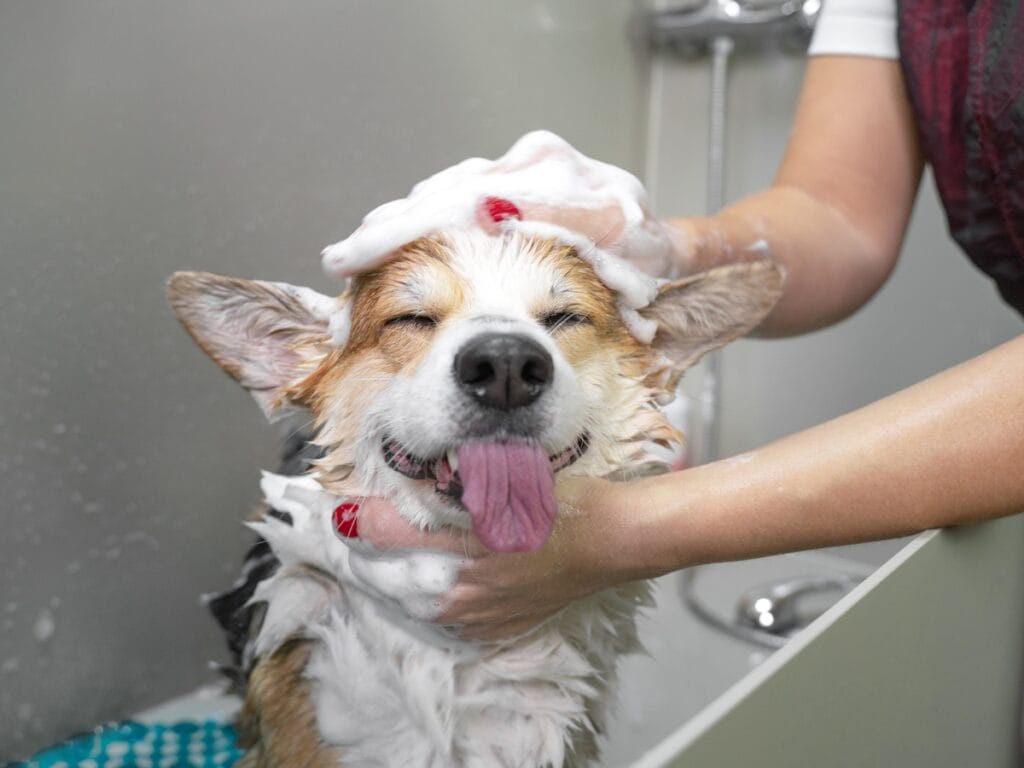
Many pet owners have questions about maintaining healthy eyes and managing tear stains. While every dog is different, understanding a few basic principles of dog eye care can help you make informed decisions and recognize when professional guidance may be needed.
Are Dog Eye Wipes Safe For All Breeds And Ages?
Dog-specific eye wipes are generally safe for most breeds and life stages when used as directed. The key is choosing products designed specifically for dogs and avoiding wipes that contain alcohol, artificial fragrances, or harsh chemicals that could irritate sensitive skin.
Before introducing a new product, it’s a good idea to test it on a small area and monitor for any signs of irritation. Puppies, senior dogs, and dogs with existing eye conditions may require extra care, so consulting your veterinarian before starting a new dog eye care product is always a sensible precaution.
Can Natural Remedies Replace Veterinary Treatments For Eye Infections?
Natural remedies can sometimes help soothe minor irritation, but they should never replace veterinary treatment when an infection is suspected. Symptoms such as yellow or green discharge, significant redness, swelling, squinting, or obvious discomfort often require professional evaluation and medication.
While some home remedies may provide temporary relief, they do not address the underlying cause of many eye infections. Proper diagnosis is essential because untreated infections can worsen and potentially affect your dog’s vision.
What Are The Best Practices For Preventing Tear Stains?
Preventing tear stains is often easier than trying to remove severe discoloration after it develops. Consistent dog eye care starts with keeping the area around the eyes clean and dry. Regularly wiping away tears, trimming excess facial hair, and maintaining a grooming routine can significantly reduce staining.
Diet and environment may also play a role. A balanced diet, access to fresh water, and minimizing exposure to allergens can help reduce excessive tearing in some dogs. Many owners find that small daily maintenance habits are more effective than occasional deep cleaning.
How Can I Tell If My Dog’s Eye Discharge Is Normal?
A small amount of clear discharge can be a normal part of eye function. Healthy eyes naturally produce tears to lubricate and protect the surface of the eye. However, changes in the amount, color, or consistency of discharge may signal a problem.
If discharge becomes thick, excessive, yellow, green, or accompanied by redness and swelling, it’s time to consult your veterinarian. Behavioral changes such as squinting, rubbing the eyes, or sensitivity to light can also indicate that something more serious is occurring.
Are Certain Breeds More Prone To Eye Problems?
Yes, some breeds require more frequent dog eye care due to their physical characteristics. Brachycephalic breeds such as Pugs, Bulldogs, and Shih Tzus often experience tear drainage issues because of their facial structure. Dogs with long facial hair, including Maltese and Lhasa Apsos, may also be more prone to irritation and tear staining.
Because these breeds face unique challenges, regular eye inspections and grooming are especially important. Early intervention can help prevent chronic irritation and reduce the risk of recurring eye issues.
What Should I Do If My Dog Resists Eye Cleaning?
Many dogs are initially uncomfortable with eye cleaning, especially if they are not accustomed to having their faces handled. The best approach is to introduce the process gradually and create positive associations through praise and rewards.
Start with brief sessions that involve simply touching the face and rewarding calm behavior. As your dog becomes more comfortable, slowly introduce wipes or cleaning cloths. Consistency and patience usually lead to better results than forcing the process.
If your dog remains highly resistant, a groomer or veterinarian can demonstrate handling techniques that make dog eye care easier and less stressful.
Can I Use Human Eye Drops On My Dog?
Human eye drops should never be used without veterinary approval. Many products formulated for people contain ingredients that may not be safe for dogs or may worsen certain eye conditions.
If your dog’s eyes need treatment, your veterinarian can recommend products specifically designed for canine use. When in doubt, avoid experimenting with over-the-counter human medications and seek professional guidance instead.
How Can I Tell If My Dog’s Eye Care Routine Is Working?
An effective dog eye care routine should result in cleaner eyes, less discharge, reduced tear staining, and fewer signs of irritation. Your dog should appear comfortable and show no signs of rubbing, squinting, or excessive tearing.
Tracking changes over time can be helpful. Some owners take periodic photos to monitor improvements and identify patterns. If symptoms persist despite regular care or begin to worsen, schedule a veterinary visit to determine whether an underlying condition needs attention.
By staying consistent with grooming, monitoring changes closely, and addressing concerns early, you can help keep your dog’s eyes healthy, comfortable, and free from unnecessary irritation.
Conclusion
Regular eye care is an important part of keeping your dog healthy, comfortable, and looking their best. Gently removing debris, monitoring for signs of irritation, and using safe cleaning techniques can help prevent discomfort and support your pet’s overall well-being.
While routine maintenance at home is beneficial, professional grooming services can provide additional care and attention to help keep your dog clean and healthy from head to tail.
For trusted grooming expertise and professional pet care education, choose OTCK9 Grooming School. If your dog could benefit from professional grooming services, call 770-874-1803 or fill out our site’s online form for any questions you might have.