Warm weather brings more opportunities for outdoor adventures, but it also increases the risk of overheating, skin irritation, and coat-related discomfort for pets.
While every dog and cat has different grooming needs, regular maintenance becomes especially important during the hottest months of the year. A well-groomed coat can help support your pet’s natural ability to stay comfortable while making it easier to spot potential skin issues early.
These essential hot weather grooming tips will help you keep your pet cool, healthy, and comfortable throughout the season. From brushing techniques and bathing routines to paw care and hydration, small adjustments can make a big difference in your pet’s overall well-being.
With the right approach, summer grooming can help your furry companion stay happier, healthier, and ready to enjoy every sunny day.
Hot Weather Grooming Tips Every Pet Owner Should Know
Best Hot Weather Grooming Techniques to Keep Pets Comfortable
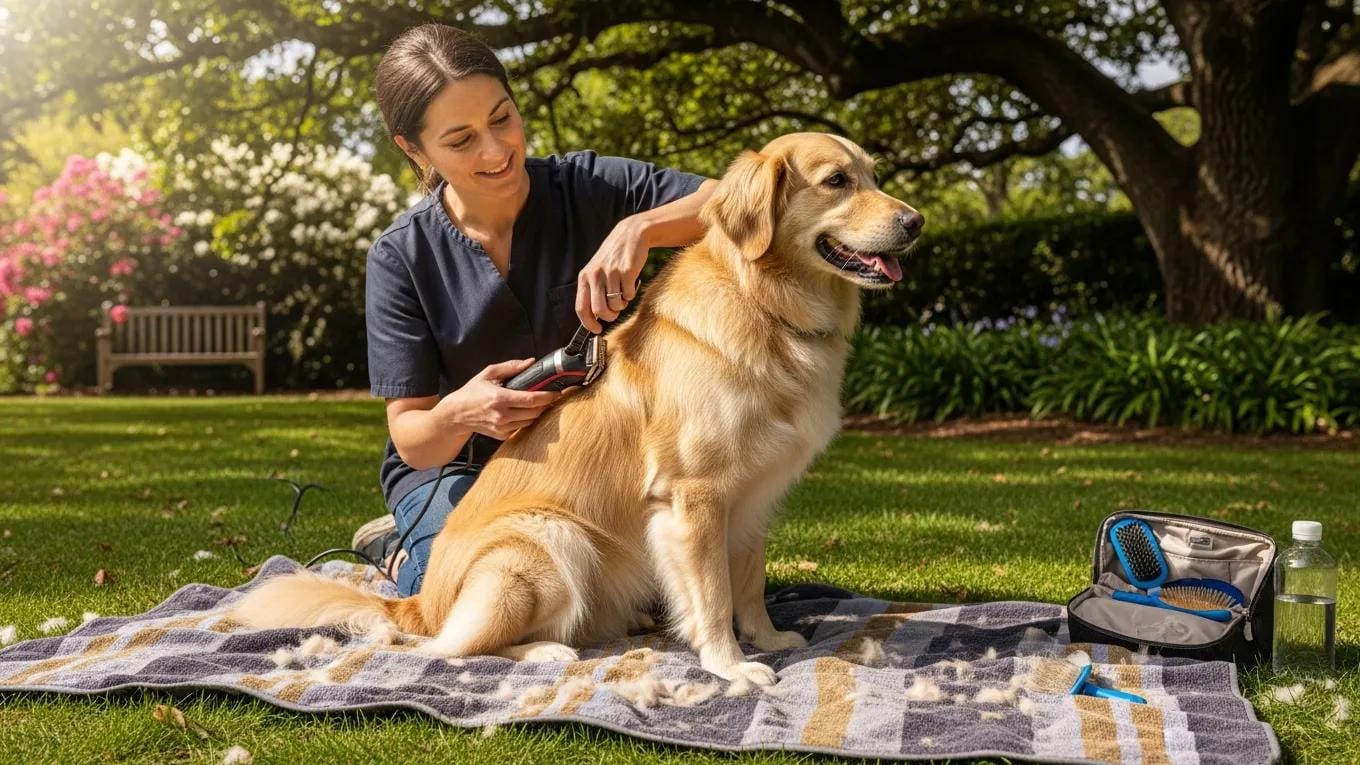
Hot weather grooming is about more than giving your pet a shorter haircut. The goal is to help them stay clean, comfortable, and better able to regulate their body temperature without compromising the natural protection their coat provides.
Every pet responds differently to grooming, especially during the summer. Some tolerate longer sessions well, while others become anxious or restless as temperatures rise.
Keeping sessions short, choosing the coolest part of the day, and paying attention to your pet’s body language can make grooming a much more positive experience.
Whether you’re grooming at home or between professional appointments, these practical techniques can make hot weather grooming safer and less stressful for both you and your pet.
Create a Comfortable Grooming Environment
The environment matters just as much as the grooming itself.
Whenever possible, groom your pet indoors where temperatures are cooler and more consistent. Choose a well-ventilated room with good airflow, and consider using a quiet fan positioned away from your pet rather than blowing directly on them.
If you need to groom outside, avoid the hottest part of the day. Early morning or late evening is typically more comfortable, and shaded areas reduce the risk of overheating.
Before setting up outdoors, check the ground temperature by placing the back of your hand on the surface for several seconds. If it’s too hot for your hand, it’s too hot for your pet’s paws.
Creating a calm environment with minimal distractions also helps nervous pets relax during grooming.
Trim the Coat Safely Without Shaving Too Close
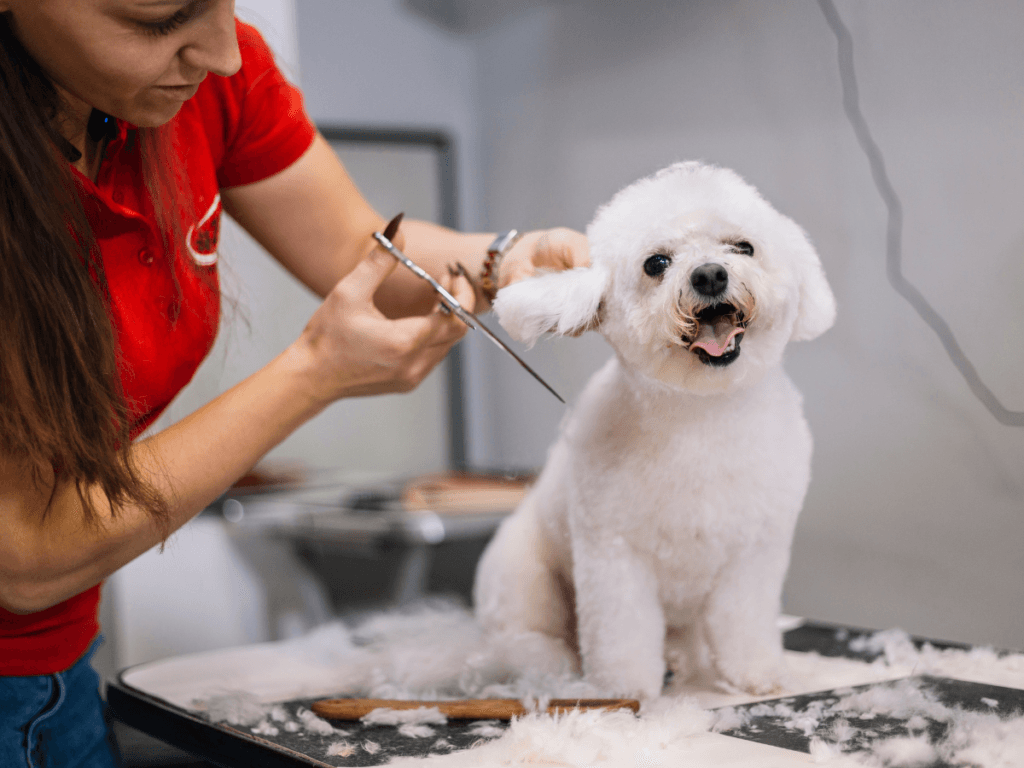
Many owners assume shaving a pet’s coat is the best way to help them stay cool, but that’s not always the case. For many double-coated breeds, the coat acts as insulation against both heat and sun exposure. Removing too much fur can interfere with temperature regulation and increase the risk of sunburn.
Instead, focus on trimming and thinning the coat where appropriate while preserving its natural protective function.
When trimming at home:
- Introduce clippers gradually so your pet becomes comfortable with the sound and vibration.
- Use quality pet-specific clippers with attachment guards.
- Check the clipper blades frequently, as overheated blades can burn the skin.
- Work slowly in small sections rather than rushing through the coat.
- Take breaks if your pet becomes anxious or starts panting excessively.
Regularly cleaning and lubricating clipper blades also improves cutting performance while helping the equipment stay cooler throughout the session.
Use Cooling Techniques During Grooming
An important part of hot weather grooming is preventing your pet from overheating while they’re standing still.
Simple cooling strategies can make grooming much more comfortable:
| Cooling Method | Why It Helps |
|---|---|
| Schedule grooming early or late in the day | Avoids peak outdoor temperatures. |
| Provide fresh drinking water | Keeps your pet hydrated throughout the session. |
| Use a cooling mat during breaks | Helps lower body temperature naturally. |
| Groom in an air-conditioned or well-ventilated space | Reduces heat buildup. |
| Take frequent breaks | Prevents stress and overheating during longer sessions. |
Some pets also appreciate a light mist of water or a pet-safe cooling spray, although these products should be used according to the manufacturer’s directions. Avoid soaking the coat, especially outdoors, since excessive moisture can reduce airflow through dense coats and leave some breeds feeling even warmer.
Watch for Signs Your Pet Needs a Break
Even a routine grooming session can become physically demanding in hot weather.
Pay close attention to your pet’s behavior throughout the session. Signs that it’s time to pause include:
- Heavy or rapid panting
- Excessive drooling
- Restlessness or repeated attempts to move away
- Bright red gums or tongue
- Lethargy or unusual fatigue
If you notice these signs, stop grooming immediately, move your pet to a cooler area, and offer fresh water. Resuming later is far better than pushing through an uncomfortable session.
Build Positive Grooming Habits Throughout the Summer
The best hot weather grooming routine is one your pet can comfortably tolerate week after week.
Rather than waiting until the coat becomes heavily matted or overgrown, schedule shorter, more frequent grooming sessions. This approach reduces stress, keeps shedding under control, and allows you to monitor your pet’s skin for hot spots, parasites, cuts, or other issues that are more common during warmer months.
With a calm environment, safe trimming techniques, and regular maintenance, hot weather grooming becomes an important part of keeping your pet healthy, comfortable, and better prepared to enjoy the summer safely.
How to Manage Pet Shedding During the Summer
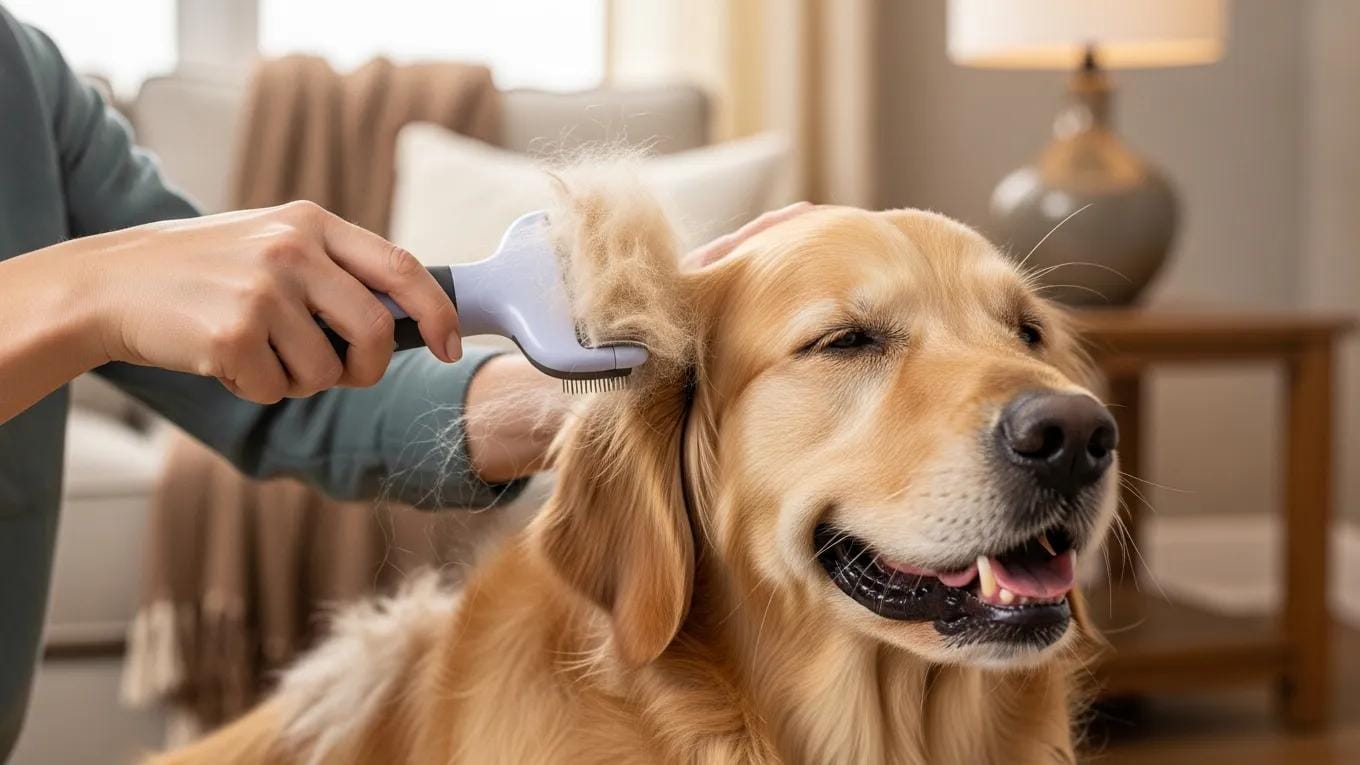
For many pets, shedding naturally increases as temperatures rise. While you can’t stop seasonal shedding, you can manage it with a consistent grooming routine that removes loose hair before it collects around your home or forms mats in your pet’s coat.
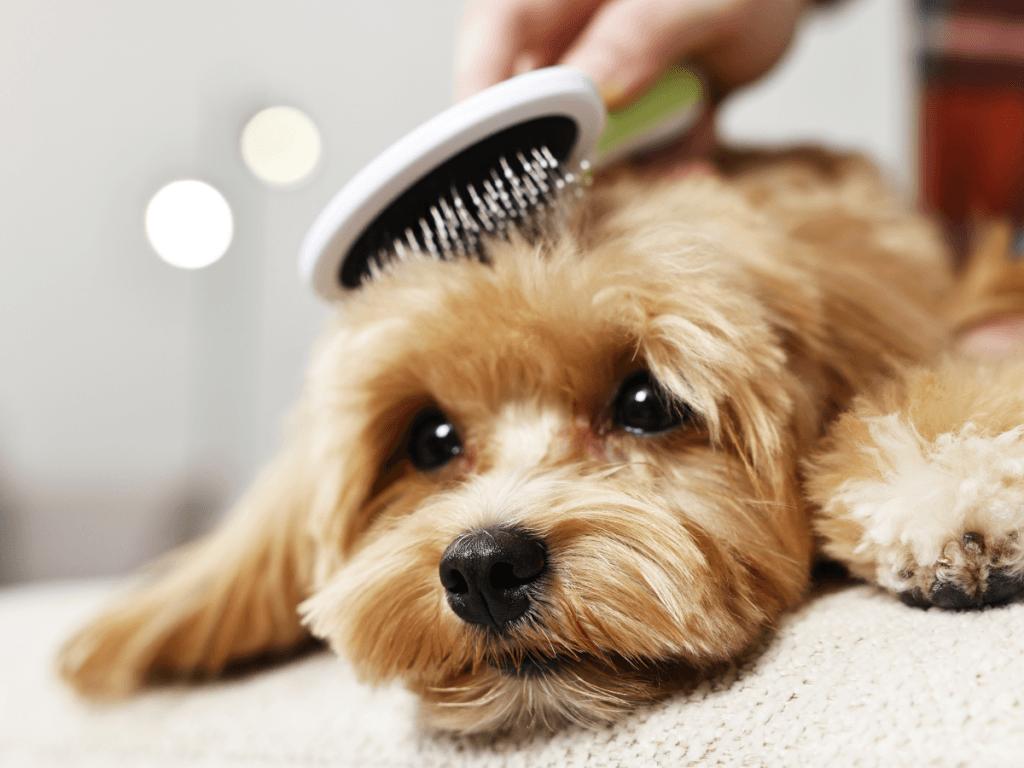
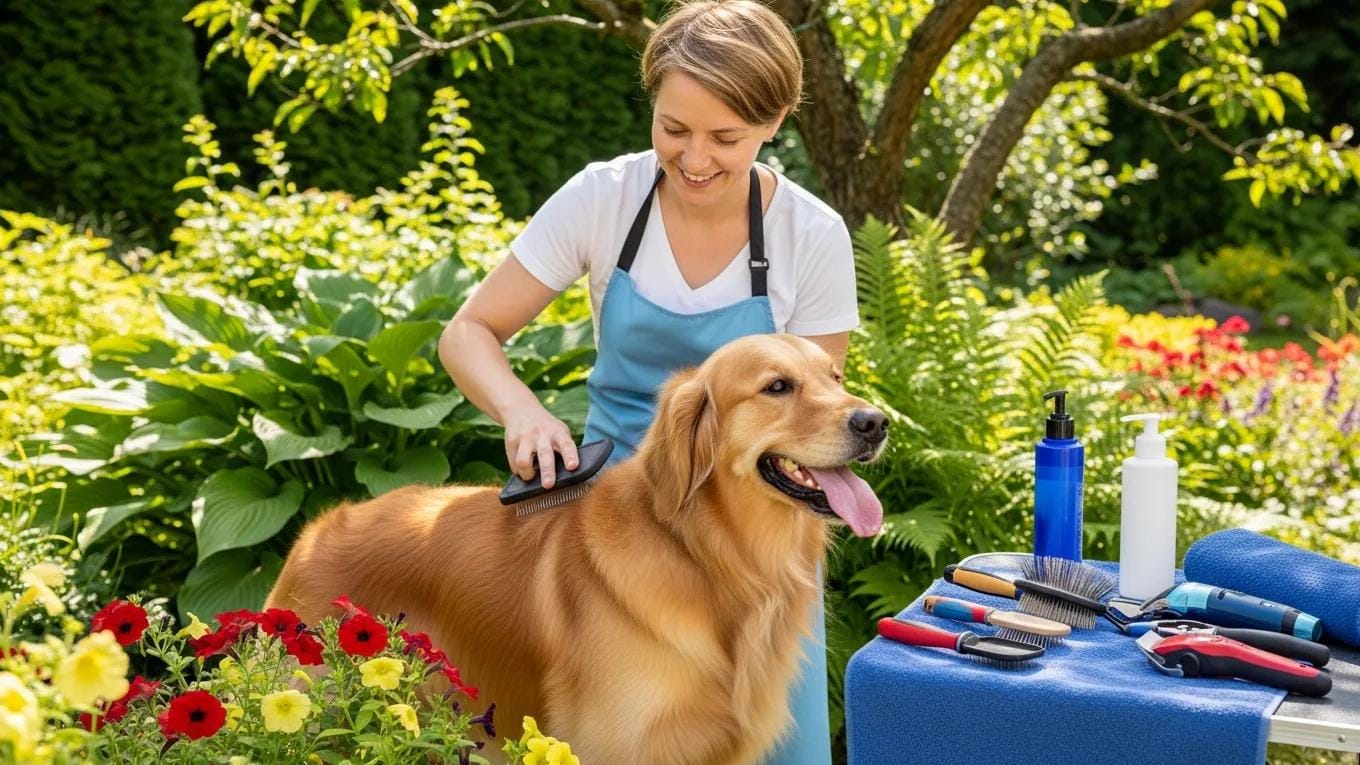
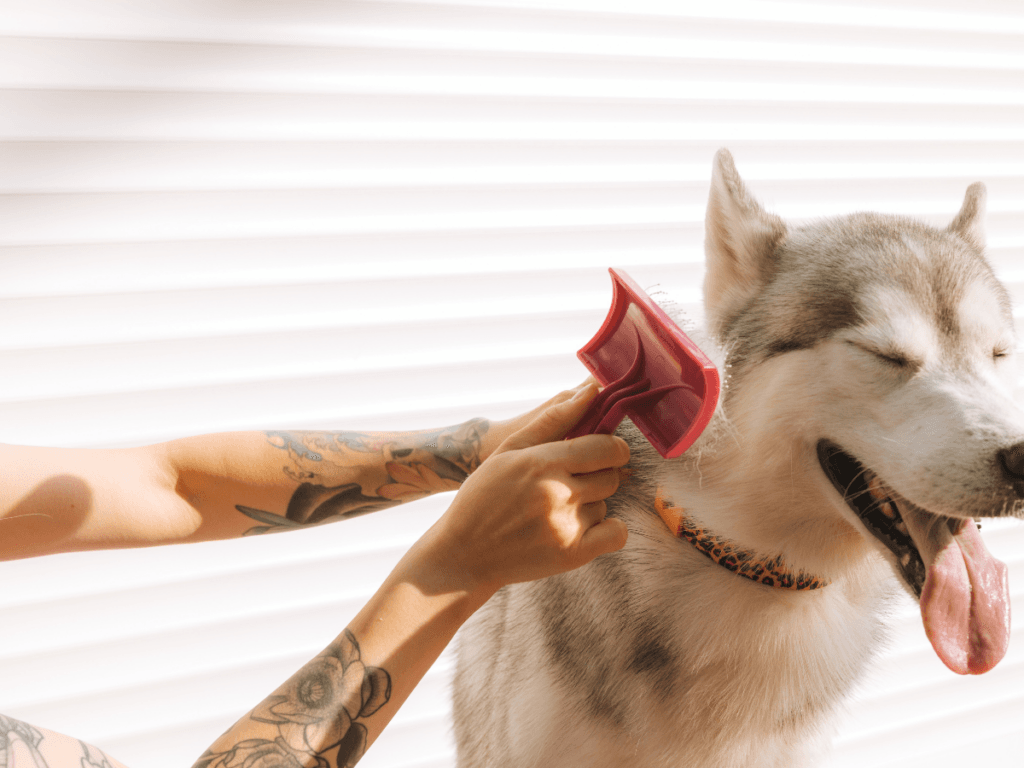
Regular brushing is one of the most effective parts of hot weather grooming. It improves air circulation through the coat, removes dead undercoat, distributes natural skin oils, and makes your pet more comfortable during warm weather.
Just as importantly, routine grooming gives you the opportunity to check for hot spots, parasites, skin irritation, or other issues that may be hidden beneath the fur.
The key isn’t brushing harder. It’s brushing with the right tools and on a schedule that matches your pet’s coat type.
Choose Grooming Tools That Match Your Pet’s Coat
Not every brush works for every breed. Using the wrong tool can make grooming less effective, pull healthy hair unnecessarily, or irritate your pet’s skin.
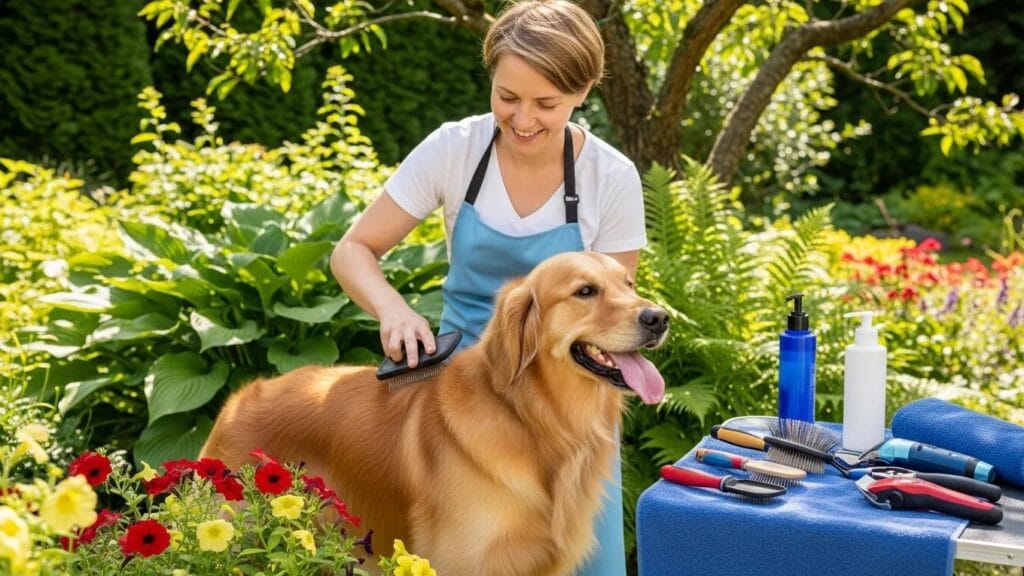
Here’s a quick guide to common grooming tools:
| Grooming Tool | Best For | Primary Benefit |
|---|---|---|
| Undercoat rake | Double-coated breeds | Removes loose undercoat before it mats. |
| Deshedding tool | Heavy seasonal shedders | Reduces loose hair without excessive trimming. |
| Slicker brush | Medium and long coats | Removes tangles and loose surface hair. |
| Bristle brush | Short-haired pets | Smooths the coat and distributes natural oils. |
| Metal comb | Finishing work and sensitive areas | Checks for hidden tangles after brushing. |
Using coat-specific tools makes grooming faster, more comfortable, and far more effective than relying on a single brush for every pet.
After each session, remove trapped hair from brushes and wash grooming tools regularly to prevent dirt, oils, and dander from building up.
Why the Right Equipment Matters
One of the most common grooming mistakes is using tools designed for people instead of pets or choosing brushes that don’t match the coat.
For example, trying to remove loose undercoat from a double-coated dog with a standard human hairbrush may accomplish very little while making the grooming session much longer. The pet becomes frustrated, the owner sees little improvement, and loose fur continues to accumulate throughout the home.
Using the proper grooming tools allows you to remove more loose hair with fewer strokes, making the experience calmer for your pet and easier for you.
Professional groomers also rely on specialized equipment, including high-velocity dryers, grooming combs, and coat-specific brushes, to safely remove loose undercoat without damaging healthy fur.
While most owners don’t need professional-grade equipment, investing in a few quality grooming tools can make home maintenance much more effective.
Build a Grooming Routine That Controls Shedding
Consistency is far more important than marathon grooming sessions every few weeks.
A simple schedule helps prevent loose hair from accumulating while keeping the coat healthier throughout the summer.
| Coat Type | Suggested Grooming Schedule |
|---|---|
| Long-haired breeds | Light brushing every day or every other day |
| Double-coated breeds | Two to three thorough deshedding sessions each week |
| Short-haired breeds | Weekly brushing to remove loose hair and stimulate the skin |
| Curly or continuously growing coats | Regular brushing between professional grooming appointments |
Short, positive grooming sessions are generally more successful than infrequent, lengthy sessions that leave pets feeling stressed.
Support Healthy Skin From the Inside Out
Brushing removes loose hair, but healthy skin and coat growth also depend on good overall nutrition.
A balanced diet that contains appropriate levels of protein, essential fatty acids, vitamins, and minerals supports normal coat replacement throughout the shedding season.
Many veterinarians also recommend omega-3 and omega-6 fatty acids for pets with dry skin or dull coats, although supplements should only be introduced with professional guidance.
Hydration also plays an important role, particularly during hot weather. Fresh water helps support healthy skin, which in turn contributes to a healthier coat.
Keep Your Home Cleaner During Shedding Season
Managing seasonal shedding doesn’t end when the brush is put away.
Vacuuming high-traffic areas, washing pet bedding regularly, and using lint rollers on furniture can dramatically reduce loose fur throughout your home. These simple habits also prevent hair from collecting on surfaces where it can cling back onto your pet after grooming.
Combined with regular brushing, household cleaning helps make hot weather grooming more effective and keeps both your pet and your living space more comfortable during the peak shedding season.
Keep Your Pet’s Coat Healthy Throughout the Summer
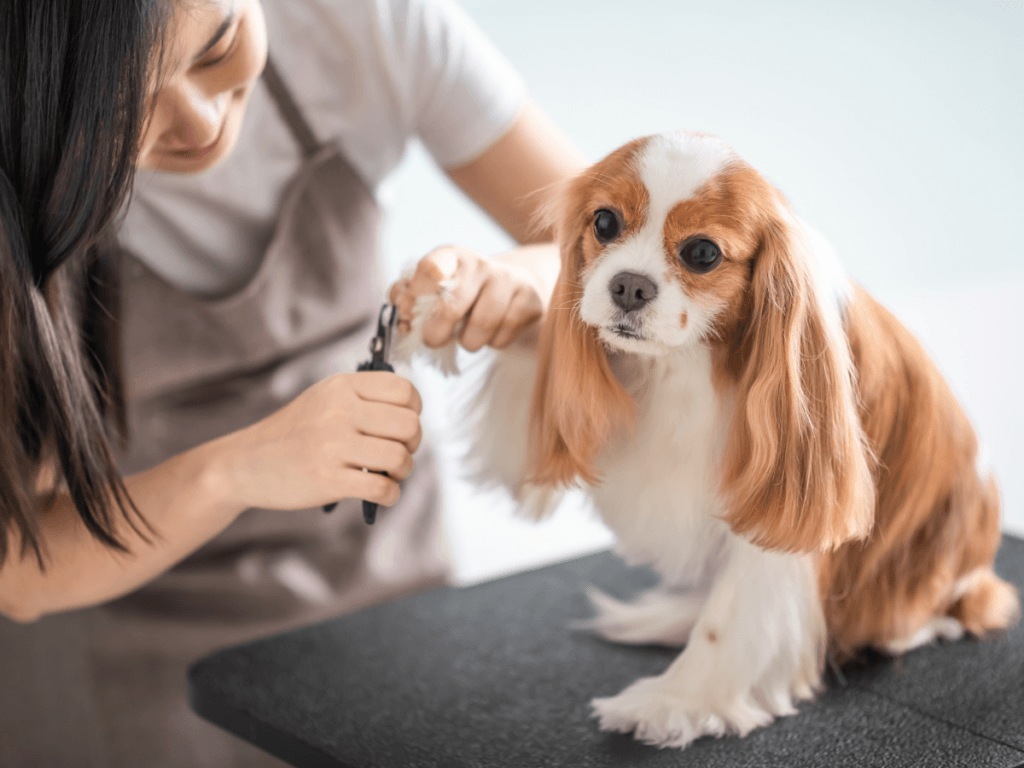
A healthy summer coat does more than make your pet look good. It plays an important role in regulating body temperature, protecting the skin from ultraviolet rays, and creating a barrier against dirt, insects, and environmental irritants.
One of the biggest misconceptions about hot weather grooming is that less fur always means a cooler pet. In reality, healthy coats work best when they’re clean, free of mats, and properly maintained. Dirt, tangled fur, and excess undercoat can trap heat against the skin, making pets less comfortable during warm weather.
A simple routine that includes brushing, bathing when needed, and occasional conditioning helps the coat perform its natural protective function while keeping your pet comfortable all season long.
Bathe Your Pet Without Drying Out the Skin
Bathing removes sweat, dirt, pollen, loose hair, and environmental debris that accumulate more quickly during the summer months. However, bathing too often or using harsh shampoos can strip away the natural oils that keep the skin and coat healthy.
For most pets, occasional baths using a gentle, pet-specific shampoo are enough to maintain cleanliness without causing dryness.
To make bath time more effective:
- Use lukewarm water rather than hot water.
- Rinse thoroughly to remove all shampoo and conditioner.
- Pat the coat dry with absorbent towels instead of vigorous rubbing.
- If using a dryer, select a cool or low-heat setting and keep it moving continuously to avoid concentrating heat in one area.
A properly rinsed coat stays cleaner longer and is less likely to develop itching or irritation from leftover product residue.
Condition the Coat to Restore Moisture
Conditioning is often overlooked, but it can be especially helpful during periods of prolonged heat and sun exposure.
Pet-safe conditioners help replace moisture lost during bathing, smooth the coat, reduce static, and improve manageability. Long-haired breeds and pets with dry or coarse coats may benefit the most, particularly if they spend time outdoors.
When selecting a conditioner, look for products formulated specifically for pets and free of harsh ingredients that could irritate sensitive skin.
For best results:
| Coat Type | Conditioning Recommendation |
|---|---|
| Long-haired coats | Use conditioner after bathing and consider a leave-in detangling spray between baths. |
| Short-haired coats | Apply conditioner occasionally to maintain skin hydration. |
| Dry or coarse coats | Use moisturizing formulas designed to reduce dryness and improve coat texture. |
| Sensitive skin | Choose fragrance-free or veterinarian-recommended products. |
If you’re introducing a new grooming product, test it on a small area first and monitor your pet for any signs of irritation before applying it to the entire coat.
Brush Regularly to Prevent Mats and Overheating
Brushing remains one of the most important parts of hot weather grooming because it removes loose hair before it becomes tangled or compacted.
Matted fur restricts airflow to the skin, traps heat and moisture, and can create an environment where skin irritation or infections develop more easily. Regular brushing also distributes natural oils throughout the coat, helping it stay soft, healthy, and better protected from the elements.
For the most effective brushing:
- Brush in the direction of hair growth.
- Separate dense coats into sections to reach the undercoat.
- Hold the fur near the skin when working through tangles to reduce pulling.
- Remove small mats gently using your fingers or a dematting tool.
If a mat is tight against the skin or covers a large area, avoid cutting it out with scissors. Professional groomers have the equipment and training to remove severe mats safely without injuring your pet.
Turn Grooming Into a Health Check
One of the hidden benefits of regular grooming is that it allows you to notice physical changes that might otherwise go unnoticed.
As you brush and inspect the coat, check for:
- Fleas or ticks
- Hot spots
- Dry, flaky, or reddened skin
- New lumps or bumps
- Cuts, scrapes, or insect bites
- Excessive shedding in isolated areas
Early detection often makes these issues much easier to treat and prevents minor skin problems from becoming more serious during hot weather.
By combining regular brushing, appropriate bathing, and moisturizing coat care, hot weather grooming helps your pet stay cleaner, cooler, and more comfortable throughout the summer. Just as importantly, it supports healthy skin and a well-maintained coat that continues to protect your pet as temperatures climb.
Protect Your Pet From Heat Stress During Summer Grooming
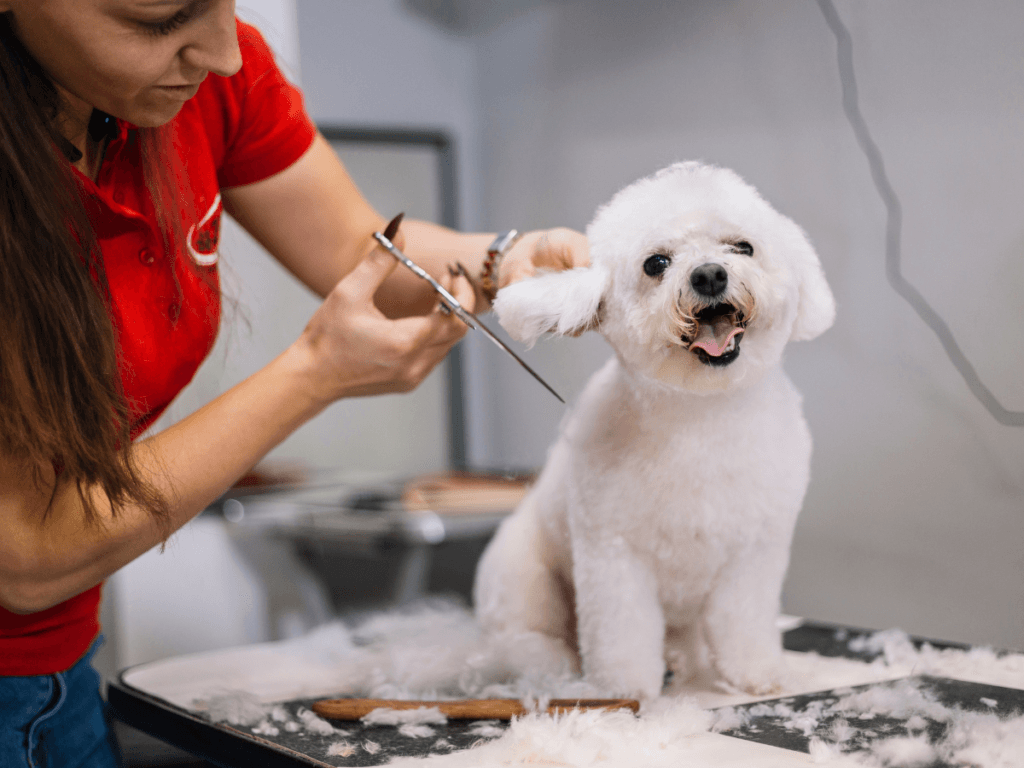
One of the biggest risks during summer isn’t the grooming itself. It’s overlooking the signs that your pet is becoming too warm while you’re focused on brushing, bathing, or trimming.
Unlike people, dogs and cats have limited ways to cool themselves. Panting, seeking shade, and slowing down are all normal responses to heat, but they can quickly progress to heat stress if a pet continues to overexert themselves or spends too much time in high temperatures.
An effective hot weather grooming routine should always include regular hydration, frequent breaks, and close observation of your pet’s behavior before, during, and after each session.
Know the Difference Between Normal Cooling and Heat Stress
Some panting during grooming is completely normal, especially on warm days. The challenge is recognizing when normal cooling becomes a warning sign.
Watch for these symptoms:
| Normal During Grooming | Warning Signs That Need Immediate Attention |
|---|---|
| Mild panting that settles during breaks | Heavy, continuous panting that doesn’t slow down |
| Drinking water willingly | Refusing water or appearing disoriented |
| Brief rest periods | Weakness, staggering, or difficulty standing |
| Relaxed body language | Bright red, pale, or bluish gums |
| Returning to normal after cooling off | Vomiting, collapse, or loss of consciousness |
If your pet shows signs of heat stress, stop grooming immediately. Move them to a cool, shaded or air-conditioned space, offer small amounts of fresh water, and contact your veterinarian right away if symptoms are severe or don’t improve quickly. Heatstroke is a medical emergency and should never be treated as something that will simply pass with time.
Turn Grooming Into a Quick Health Check
Every brushing session gives you a chance to inspect areas you might not notice during everyday interactions.
As you work through the coat, look for:
- Red or irritated skin
- Hot spots
- Fleas, ticks, or flea dirt
- New lumps or bumps
- Scabs, cuts, or insect bites
- Dry, flaky skin
- Areas of unexpected hair loss
- Sunburn on lightly pigmented or thinly coated areas
Finding these issues early often leads to easier treatment and can prevent minor skin irritation from becoming a more serious problem later in the summer.
Help Your Pet Stay Hydrated Before, During, and After Grooming
Keeping a bowl of water nearby is a good start, but hydration should be part of your entire summer routine.
Before grooming, make sure your pet has already had an opportunity to drink, especially if they’ve been playing outside. During longer sessions, pause every 10 to 20 minutes to offer fresh water and allow your pet to rest in a cooler area.
After grooming, continue monitoring them for signs of overheating, particularly if they have a thick coat or are prone to heat sensitivity.
If your pet doesn’t drink much on hot days, try placing water bowls in several locations around the house, refreshing the water frequently, or incorporating moisture-rich foods into their diet if appropriate.
Some pets are also encouraged to drink by adding a small amount of veterinarian-approved, low-sodium broth to their water.
Some Pets Need Extra Protection
While every pet can overheat, some are more vulnerable than others.
Take extra precautions if your pet is:
- A brachycephalic breed, such as a Bulldog, Pug, or Persian cat
- A senior pet
- A young puppy or kitten
- Overweight
- Living with heart or respiratory conditions
- Thick-coated or heavily insulated
For these pets, shorter grooming sessions, cooler environments, and more frequent breaks are especially important.
Let Your Pet Set the Pace
One of the simplest ways to make hot weather grooming safer is to stop treating every session as something that must be completed in one sitting.
If your pet begins seeking shade, repeatedly lies down, pants heavily, or becomes restless, it’s perfectly acceptable to stop and continue later. A positive grooming experience is far more valuable than finishing every task at once.
By letting your pet’s comfort guide the session, you’ll reduce stress, lower the risk of overheating, and make hot weather grooming something they can tolerate throughout the summer instead of something they learn to avoid.
Make Flea and Tick Checks Part of Every Summer Grooming Session
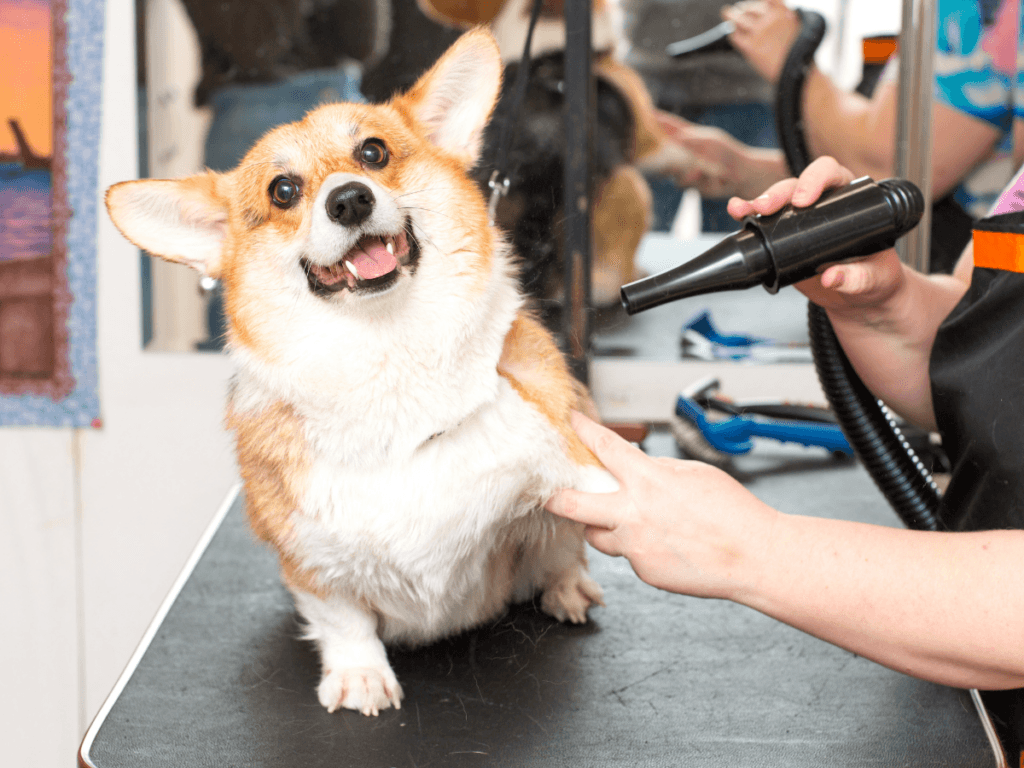
Warm weather creates ideal conditions for fleas and ticks, making parasite prevention an essential part of hot weather grooming. Regular brushing already gives you an opportunity to examine your pet’s skin and coat, so it’s the perfect time to check for unwanted pests before they become a larger problem.
Finding a flea or tick early is often much easier to manage than treating a full infestation. A quick inspection after walks, hikes, or outdoor play can help protect both your pet and your home throughout the summer.
Hot weather grooming isn’t just about keeping the coat neat. It’s also one of the easiest ways to spot parasites before they cause itching, skin irritation, or disease.
Where Fleas and Ticks Like to Hide
Parasites aren’t always easy to see, especially on pets with thick or dark coats. Rather than giving the coat a quick glance, use your hands to separate the fur and inspect the skin in areas where fleas and ticks commonly hide.
Pay close attention to:
- Around the ears
- Under the collar or harness
- Between the toes
- Under the front legs
- Around the groin and tail base
- Along the neck and shoulders
As you brush, look for live fleas, attached ticks, flea dirt that resembles black pepper, or small areas of redness where your pet has been scratching.
Checking these areas regularly only takes a few minutes and can prevent much larger problems later.
Choose a Prevention Plan That Fits Your Pet
There isn’t a single flea and tick product that’s right for every pet. The best option depends on your pet’s age, health, lifestyle, and the level of parasite activity in your area.
Your veterinarian may recommend one of several preventive options:
| Prevention Method | Best For | Things to Consider |
|---|---|---|
| Topical treatments | Pets that tolerate skin applications | Must be applied on schedule and allowed to dry completely. |
| Oral medications | Active pets or frequent swimmers | Requires a prescription in many cases and should be given as directed. |
| Flea and tick collars | Long-term protection | Choose veterinarian-recommended products and ensure proper fit. |
While natural remedies are widely available, they are not always safe or effective. Some essential oils and homemade treatments can be toxic to dogs and cats. Always speak with your veterinarian before trying alternative parasite control products.
Build Pest Prevention Into Your Grooming Routine
Parasite checks work best when they become part of a consistent routine instead of something you only do after noticing excessive scratching.
During each grooming session:
- Brush through the entire coat to remove loose fur and expose the skin.
- Inspect common hiding places for fleas and ticks.
- Use a fine-toothed flea comb if you suspect flea activity.
- Check for new bites, irritated skin, or excessive scratching.
- Confirm that your flea and tick preventive medication is current.
This process only adds a few minutes to your grooming routine but greatly improves the chances of finding problems early.
Be Prepared to Remove Ticks Safely
If you discover an attached tick, avoid squeezing it with your fingers or attempting to remove it with household remedies such as petroleum jelly, nail polish, or heat. These methods may increase the chance of the tick releasing infectious material before it detaches.
Instead, use a pair of fine-tipped tweezers or a tick removal tool to grasp the tick as close to the skin as possible. Pull upward with slow, steady pressure until it releases, then clean the area with an appropriate antiseptic.
Keeping a small tick removal kit with gloves, tweezers, antiseptic wipes, and a sealable container makes it easier to respond quickly if you find a tick during grooming.
Protect Your Yard as Well as Your Pet
Effective parasite prevention doesn’t stop with your pet’s coat.
Simple yard maintenance can reduce the number of fleas and ticks around your home by making the environment less inviting. Keeping grass trimmed, removing leaf litter, washing pet bedding regularly, and limiting access to heavily wooded or overgrown areas all help reduce exposure.
By combining veterinary-approved preventives with routine inspections and a clean outdoor environment, hot weather grooming becomes a valuable line of defense against summer parasites.
Consistent grooming not only keeps your pet looking their best but also helps protect their health during the months when fleas and ticks are most active.
Which Grooming Tools and Products Are Recommended for Summer Pet Care?
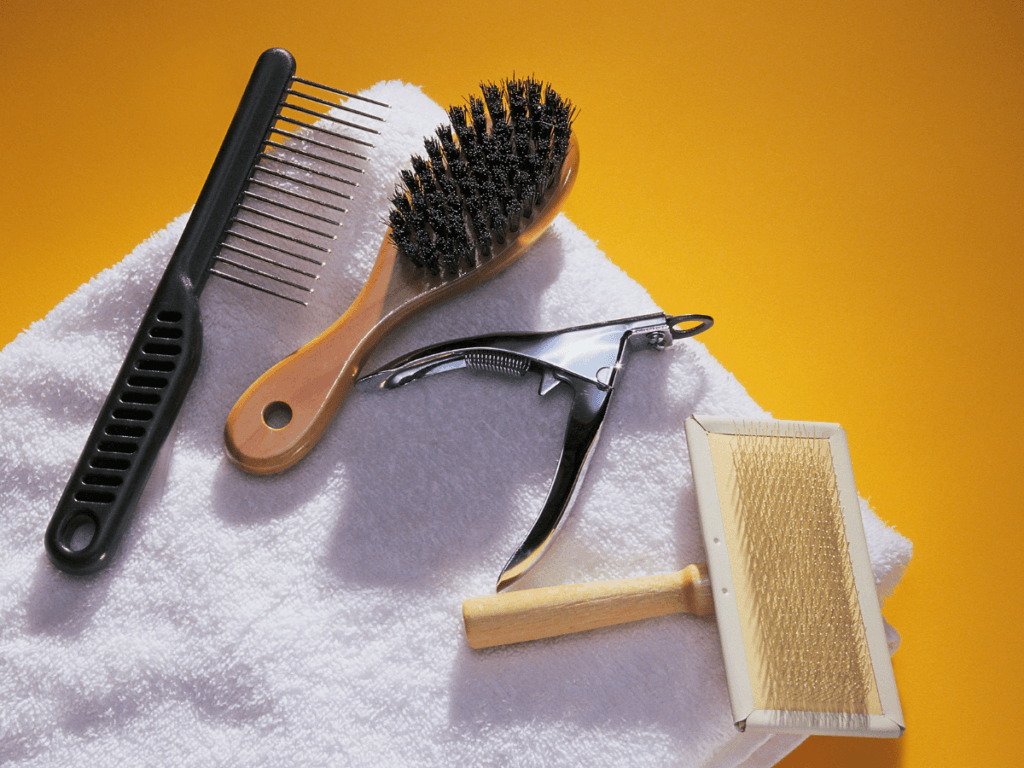
The right tools make summer grooming easier and more comfortable. Match brushes and clippers to your pet’s coat to cut grooming time and stress.
Maintain grooming tools by cleaning brushes, rinsing combs, and storing blades and clippers in a dry place. Replace worn-out tools—dull blades, bent pins, or cracked brush pads reduce effectiveness and can irritate skin. A small investment in quality tools saves time and improves results.
What Are the Best Grooming Brushes and Clippers for Hot Weather?
Slicker brushes and deshedding tools work well for removing loose fur, while bristle brushes are good for finishing and spreading natural oils. Choose clippers built for pets—they’re quieter and designed to run at temperatures and speeds that are safe for animals.
If your pet is noise-sensitive, try quieter, low-vibration clippers and introduce them gradually near feeding or play times so the sound becomes familiar. Keep replacement blades or extra guards on hand so you can adapt cut length safely without rushing the session.
How Do Natural Grooming Products Benefit Your Pet’s Skin and Coat?
Natural products often avoid harsh chemicals and can soothe sensitive skin. Ingredients like oatmeal and aloe can calm irritation and add moisture. When switching products, watch your pet for any reactions and consult your vet if you’re unsure.
Perform a short patch test when trying a new product: apply a small amount to an inconspicuous area and observe for 24–48 hours. Rotate products conservatively—introducing a new shampoo or conditioner too quickly can make it harder to identify the cause of any reaction.
Build a Summer Grooming Schedule That Works for Your Pet
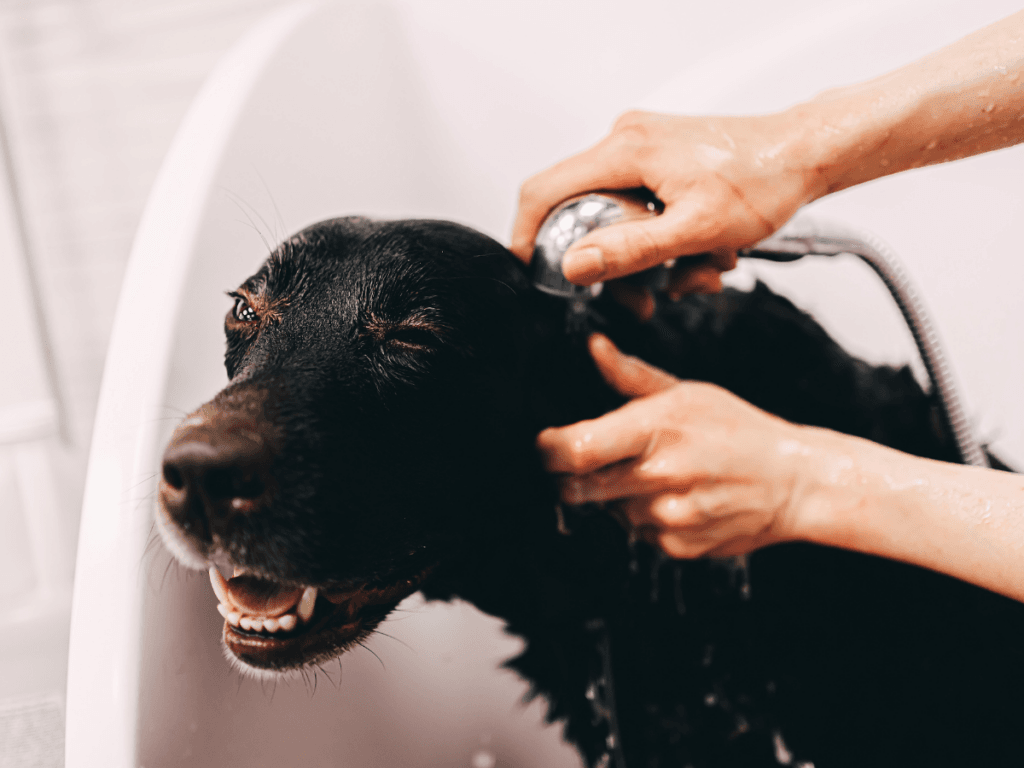
There isn’t a single grooming schedule that’s right for every pet. A Labrador that spends weekends swimming, a Poodle with a continuously growing coat, and a short-haired indoor cat all have very different grooming needs during the summer.
Rather than following a fixed calendar, let your pet’s coat, lifestyle, and activity level determine how often they need attention. The goal of hot weather grooming is consistency, not daily grooming for every animal.
A routine that’s easy to maintain is far more effective than an ambitious schedule that’s difficult to keep up with.
Match Your Grooming Routine to Your Pet’s Coat
Different coat types trap heat, collect debris, and shed at different rates.
| Coat Type | Recommended Summer Grooming |
|---|---|
| Short-haired breeds | Weekly brushing with additional wipe-downs after outdoor adventures. |
| Long-haired breeds | Brush every one to three days to prevent tangles and remove loose hair. |
| Double-coated breeds | Brush several times a week, with extra deshedding during peak seasonal shedding. Avoid shaving unless recommended by a professional. |
| Curly or continuously growing coats | Brush several times a week and maintain regular professional grooming appointments. |
These are general guidelines. If your pet spends a lot of time outdoors, swims frequently, or rolls in dirt and grass, you may need to groom more often regardless of coat type.
Let Your Pet’s Coat Tell You When It’s Time
Instead of watching the calendar, pay attention to changes in your pet’s coat.
You may need an extra grooming session if you notice:
- Loose hair collecting in large amounts around the house.
- Small tangles beginning to form.
- Dirt, burrs, or grass seeds trapped in the coat.
- A dull or greasy appearance.
- Increased scratching.
- A noticeable doggy odor between baths.
Responding to these early signs is usually easier than trying to correct heavily matted fur or neglected skin later.
Adjust Your Routine as Summer Changes
Summer isn’t one long season from a grooming perspective.
Many pets shed heavily at the beginning of warm weather, requiring more frequent brushing for several weeks before settling into a lighter maintenance routine.
Pets that spend more time hiking, swimming, or visiting parks may also need additional brushing after outdoor activities to remove debris, inspect for ticks, and check for skin irritation.
Your schedule should adapt as your pet’s environment changes.
Don’t Forget Professional Grooming
Even owners who groom regularly at home can benefit from occasional professional appointments.
Professional groomers can safely remove compacted undercoat, trim areas that are difficult to reach, clip nails, clean ears, and identify coat or skin issues that may otherwise go unnoticed.
If your pet requires professional grooming, it’s often worth booking appointments before the busiest part of the summer season, when schedules tend to fill quickly.
Focus on Consistency, Not Perfection
The best hot weather grooming routine is one that becomes part of your normal summer schedule instead of an occasional project.
Short brushing sessions, regular coat inspections, and timely professional grooming are generally more effective than waiting until your pet is heavily shedding, tangled, or uncomfortable.
Over time, you’ll also learn what works best for your individual pet, from the brushes they tolerate to the frequency that keeps their coat healthy without unnecessary stress.
A consistent routine keeps your pet cleaner, makes seasonal shedding easier to manage, and allows you to spot changes in their skin or coat long before they become larger health concerns.
Common Summer Grooming Mistakes Veterinarians Want Pet Owners to Avoid
Summer grooming advice has changed over the years as veterinarians and professional groomers have learned more about how pets regulate body temperature.
Many well-intentioned habits, such as shaving certain coats too short or bathing too frequently, can actually make it harder for pets to stay comfortable in hot weather.
Current veterinary guidance focuses less on dramatic seasonal grooming changes and more on maintaining a healthy coat, preventing overheating, and recognizing problems early. The most effective hot weather grooming routine is usually a series of small, consistent habits rather than one major summer makeover.
Mistakes That Can Make Pets Less Comfortable
Some of the most common grooming mistakes happen because owners are trying to help.
| Common Mistake | Better Approach |
|---|---|
| Shaving a double-coated breed very short | Remove loose undercoat while preserving the protective outer coat unless your veterinarian or groomer recommends otherwise. |
| Bathing too often | Bathe only as needed with a pet-specific shampoo to avoid drying the skin. |
| Grooming during the hottest part of the day | Schedule grooming in the morning or evening when temperatures are lower. |
| Ignoring small mats | Remove tangles early before they tighten against the skin and trap heat. |
| Waiting until shedding becomes excessive | Brush consistently throughout the season instead of trying to catch up later. |
Small adjustments like these often make a greater difference than buying new grooming products or changing your pet’s haircut.
Focus on Skin Health, Not Just Coat Length
One of the biggest shifts in veterinary advice is recognizing that healthy skin is just as important as a well-maintained coat.
During every grooming session, take a few extra moments to inspect the skin underneath the fur. Redness, hot spots, excessive dandruff, unusual odor, or persistent scratching may indicate allergies, parasites, or developing skin infections that deserve attention.
Because many skin conditions worsen in warm, humid weather, early detection can prevent minor irritation from becoming a more serious medical problem.
Choose Grooming Products Carefully
Pet owners have more grooming products to choose from than ever before, but newer doesn’t always mean better.
When selecting shampoos, conditioners, detanglers, or grooming sprays, look for products that are formulated specifically for pets and clearly list their ingredients. Pets with sensitive skin often benefit from gentle, fragrance-free products rather than heavily scented formulas designed primarily to improve coat appearance.
If your pet has allergies or recurring skin problems, ask your veterinarian or professional groomer for product recommendations instead of experimenting with multiple over-the-counter options.
When to Ask a Professional for Help
Even experienced owners occasionally encounter grooming situations that are best left to a professional.
Consider scheduling a grooming appointment or veterinary visit if you notice:
- Large or tight mats that cannot be brushed out safely.
- Persistent itching or skin inflammation.
- Sudden changes in coat texture or excessive hair loss.
- Repeated hot spots or ear infections.
- A pet that becomes extremely anxious during home grooming.
Professional groomers and veterinarians can identify problems that are easy to overlook and recommend solutions tailored to your pet’s breed, coat type, and overall health.
A Healthy Summer Coat Starts With Consistency
The latest veterinary advice doesn’t rely on complicated routines or expensive products. Instead, it emphasizes regular brushing, thoughtful bathing, parasite prevention, proper hydration, and close observation of your pet’s skin and behavior.
When these habits become part of your normal hot weather grooming routine, you’re doing more than keeping your pet clean. You’re helping them stay comfortable, reducing the risk of preventable skin and coat problems, and making it easier to catch health concerns before they require more extensive treatment.
Frequently Asked Questions About Hot Weather Grooming
Should I shave my dog to help keep them cool in the summer?
Not usually. While shaving may seem like the easiest way to reduce heat, many breeds rely on their coats to help regulate body temperature and protect their skin from direct sunlight.
Double-coated breeds, in particular, should not be shaved unless your veterinarian recommends it for a medical reason. Removing loose undercoat through regular brushing is often a safer and more effective way to improve airflow while preserving the coat’s natural protective function.
Is it safe to bathe my pet more often during hot weather?
It depends on your pet’s coat, skin condition, and activity level. Pets that swim frequently, spend time outdoors, or become dirty may benefit from more frequent baths, but washing too often can strip away natural oils and leave the skin dry or irritated.
Use a pet-specific shampoo and bathe only as often as needed to keep the coat clean and healthy.
Can I groom my pet outside during the summer?
You can, but timing matters. Early morning or late evening is usually the safest time because temperatures are lower and direct sunlight is less intense. Choose a shaded area with good airflow, provide fresh drinking water, and stop immediately if your pet begins showing signs of overheating.
How long should a summer grooming session last?
There is no ideal length because every pet has different needs and tolerance levels. Instead of trying to complete everything at once, keep sessions short enough that your pet remains relaxed and comfortable.
If brushing, bathing, nail trimming, and ear cleaning are all needed, consider spreading those tasks across several days rather than one extended session.
What’s the difference between normal shedding and excessive hair loss?
Seasonal shedding usually happens gradually and leaves the skin looking healthy underneath. Excessive hair loss often appears as bald patches, thinning areas, inflamed skin, scabs, or persistent scratching.
If you notice sudden coat changes or hair loss that seems unusual for your pet, schedule an examination with your veterinarian to rule out allergies, parasites, infections, or other underlying conditions.
Do indoor pets still need hot weather grooming?
Yes. Even pets that rarely go outside continue to shed, develop mats, collect loose undercoat, and produce natural skin oils during the summer.
Indoor pets also benefit from regular brushing because it helps distribute those oils, removes loose fur before it ends up around the house, and provides an opportunity to check for skin or coat changes.
What grooming tools work best in the summer?
The best tools depend on your pet’s coat rather than the season itself. Slicker brushes, undercoat rakes, deshedding tools, grooming gloves, and fine-toothed flea combs all serve different purposes. Choosing tools designed for your pet’s coat type will produce better results than using a one-size-fits-all brush.
When should I see a veterinarian instead of continuing home grooming?
Stop grooming and seek veterinary advice if your pet develops widespread skin irritation, open sores, persistent hot spots, bleeding, severe matting that pulls on the skin, or signs of heat stress such as excessive panting, weakness, vomiting, or collapse.
Home grooming plays an important role in preventive care, but it should never replace professional medical treatment when a health problem is suspected.
Conclusion
Keeping your pet well-groomed during hot weather is one of the best ways to support their comfort, skin health, and overall well-being.
Regular brushing, proper coat maintenance, and attention to your pet’s individual grooming needs can help prevent matting, improve airflow, and make the warmer months more enjoyable.
Whether your pet needs routine grooming or specialized care, working with experienced professionals ensures they stay clean, comfortable, and looking their best.
For trusted grooming services and professional pet care expertise, choose OTCK9 Grooming School. If you’re ready to keep your pet looking and feeling their best this season, call 770-874-1803 to speak with the team at OTCK9 Grooming School or fill out the online form to request your free quote today.