A routine grooming appointment can change in seconds. A small nick may start bleeding, a dog can suddenly show signs of heat stress, or an anxious pet may struggle and injure itself.
Even experienced groomers cannot prevent every incident, which makes knowing how to respond just as important as knowing how to groom safely.
Pet grooming emergencies can include cuts, breathing difficulties, allergic reactions, seizures, overheating, falls, and other situations requiring quick assessment and appropriate action.
Preparation means recognizing warning signs, keeping essential first-aid supplies accessible, understanding basic emergency procedures, and knowing when immediate veterinary care is necessary.
For professional groomers, a clear emergency plan can support faster, calmer decisions when something goes wrong while helping protect the animals entrusted to their care.
How to Handle Pet Grooming Emergencies Safely and Quickly
What First-Aid Skills Should Groomers Know for Pet Grooming Emergencies?
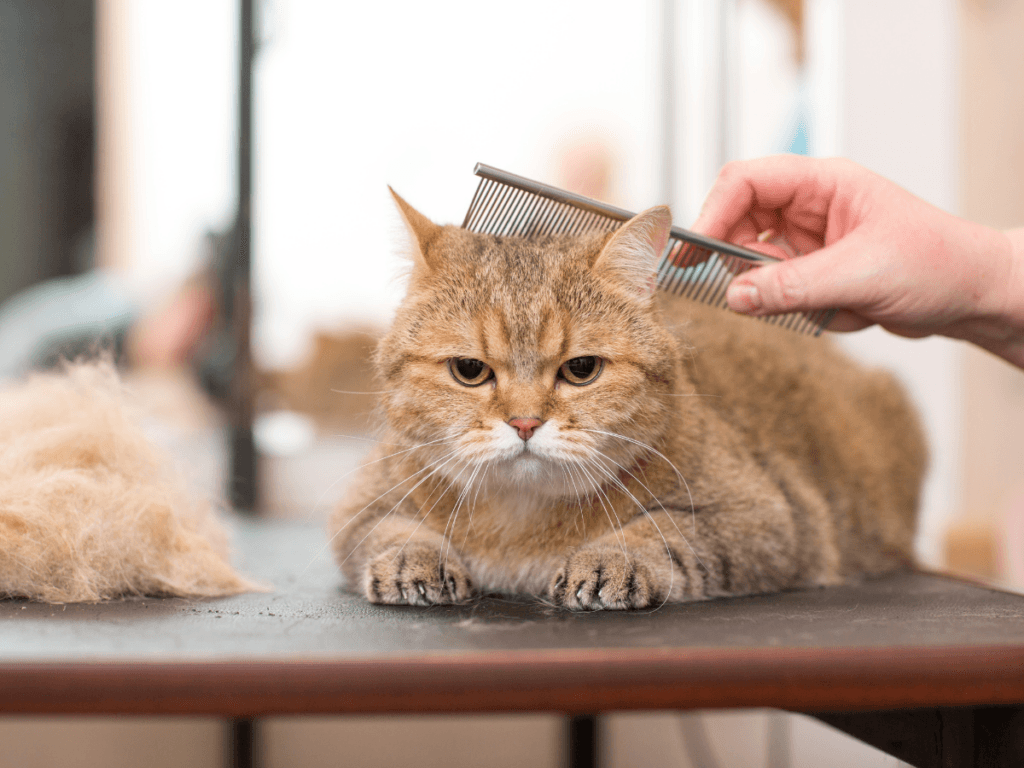
Pet grooming emergencies can develop quickly. A minor clipper nick, torn nail, fall, bite, breathing problem, heat-related illness, or sudden change in behavior may require a groomer to stop the appointment and respond immediately.
A groomer’s role is not to diagnose or provide veterinary treatment. First aid is temporary care intended to protect the animal, limit further injury, and support safe transfer to a veterinarian when necessary. That distinction should shape every emergency response in the salon.
Assess the Situation Before Touching the Pet
Start by stopping grooming equipment and checking the immediate area for hazards. Clippers, dryers, cords, wet floors, open doors, other animals, or frightened people can make an already stressful incident worse.
Then assess the pet from a safe distance when possible. Look for obvious bleeding, difficulty breathing, collapse, inability to stand, unusual responsiveness, or signs of severe distress.
An injured or frightened dog may bite even if it has never shown aggression before. Understanding safe handling and stress signals during grooming can help groomers recognize when approaching, restraining, or continuing to handle a dog may create additional risk.
Do not spend several minutes conducting a detailed examination when the pet clearly needs emergency veterinary attention. The purpose of the initial check is to identify immediate priorities and determine the safest next step.
Control External Bleeding With Direct Pressure
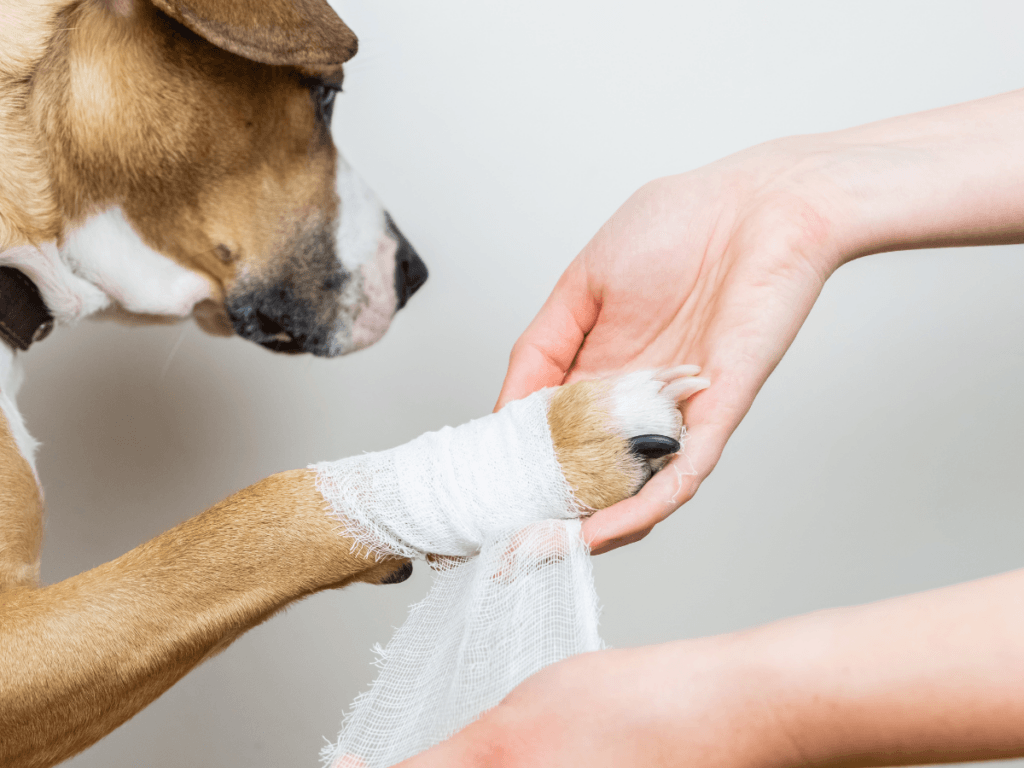
Small grooming injuries and damaged nails can sometimes bleed more than expected. For external bleeding, place clean gauze or a clean towel over the area and apply steady direct pressure. Avoid repeatedly lifting the material to check the wound, since disturbing the area can interfere with clot formation.
If blood soaks through, additional clean material can generally be placed over the existing layer while pressure continues. Heavy bleeding, bleeding that does not stop with sustained pressure, deep wounds, or injuries involving sensitive areas require prompt veterinary care.
Groomers should also avoid attempting procedures that go beyond their training simply because an injury occurred in the salon.
Know When Safe Restraint Becomes Unsafe
Pain and fear can change an animal’s behavior within seconds. Minimal restraint is usually preferable. Use only enough control to prevent further injury while completing an immediate first-aid task or preparing the animal for transport. A second trained person may be helpful when available.
A muzzle can sometimes reduce bite risk, but it is not appropriate in every emergency. Do not muzzle an animal that is vomiting or having difficulty breathing. Pets with facial injuries or other conditions that interfere with safe muzzle use also require another approach.
Trying to overpower a panicking animal can worsen both the injury and the risk to the groomer. Skills for handling difficult or highly stressed dogs are therefore part of emergency preparedness, not just routine grooming technique.
Recognize Situations That Need Immediate Veterinary Care
Groomers should know which problems move beyond basic salon first aid.
Urgent veterinary evaluation is appropriate for conditions such as:
- difficulty breathing or choking
- collapse or loss of consciousness
- uncontrolled or heavy bleeding
- seizures
- suspected heatstroke
- serious burns
- deep wounds or significant trauma
- suspected broken bones or spinal injury
- severe allergic reactions
- possible poisoning or chemical exposure
- injuries involving the eyes
- sudden severe weakness, disorientation, or inability to stand
When there is uncertainty about the seriousness of an incident, contacting a veterinarian or emergency veterinary hospital is safer than trying to determine the diagnosis in the salon.
Move an Injured Pet Carefully
Transportation can aggravate some injuries, particularly after a fall, severe trauma, or suspected spinal injury.
Keep unnecessary movement to a minimum. Small animals may sometimes be transported in a secure carrier if they can be placed inside without forcing or twisting them. Larger dogs may require assistance and a blanket or other supportive surface to help move them while limiting excessive body movement.
Whenever possible, call the receiving veterinary clinic before leaving. Providing a short description of what happened, the pet’s current condition, and any first aid already given allows the clinic to prepare for arrival and may result in additional instructions for transport.
Keep an Emergency Kit Ready and Accessible
Pet grooming emergencies are easier to manage when basic supplies are organized before they are needed.
A salon first-aid kit may include clean gauze, nonstick dressings, clean towels, disposable gloves, bandage material, blunt-ended scissors, saline for appropriate flushing, a spare leash, and other supplies recommended by a veterinarian.
Emergency contact information should be just as accessible as the physical supplies. Keep current numbers for nearby veterinary practices and emergency hospitals, along with the salon’s procedures for contacting owners and obtaining veterinary treatment.
Products or medications intended for emergency use should not be administered simply because they are present in the kit. Follow veterinary or poison-control instructions when treatment requires professional guidance.
Document What Happened Without Delaying Care
Once the animal is stable or veterinary care is underway, document the incident while details are still clear.
Record the approximate time, what was happening immediately before the incident, what you observed, first-aid measures taken, who was contacted, and when the pet left the salon or received additional care.
Incident records should be factual. Avoid guessing about the diagnosis or assigning blame. If photographs are part of salon policy, follow applicable consent and privacy procedures.
Good documentation supports communication with the pet owner, veterinarian, salon management, and anyone reviewing the incident later.
Preparation Matters Before the Emergency Happens
The most useful first-aid skill is not memorizing a long list of improvised treatments. It is being able to recognize an emergency, protect yourself and the animal, perform a few appropriate stabilizing actions, and escalate care without unnecessary delay.
Salons should practice their emergency procedures just as deliberately as everyday grooming techniques. Staff should know where supplies are stored, which veterinary facilities are nearby, who contacts the owner, and who manages transportation.
That preparation makes pet grooming emergencies less dependent on improvisation. When something unexpected happens, the groomer can focus on the animal in front of them and make the next safe decision quickly.
What Are the Most Common Pet Grooming Emergencies?
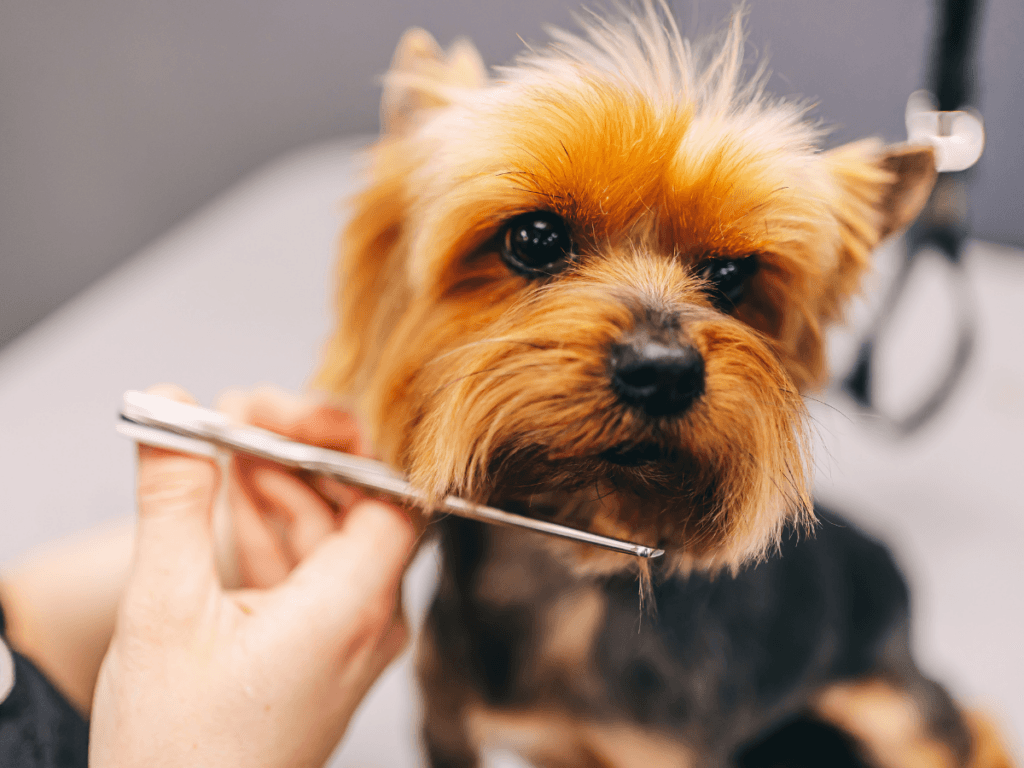
Some pet grooming emergencies are directly related to grooming tools, such as clipper cuts or a nail trimmed into the quick. Others happen unexpectedly during an appointment, including seizures, falls, breathing problems, or sudden illness.
The response should match the situation. A minor nail bleed may be manageable in the salon, while collapse, uncontrolled bleeding, eye trauma, or a suspected fracture calls for prompt veterinary attention.
Groomers should focus on immediate safety and stabilization rather than trying to diagnose or provide treatment beyond their training.
Clipper and Scissor Injuries Require a Closer Look
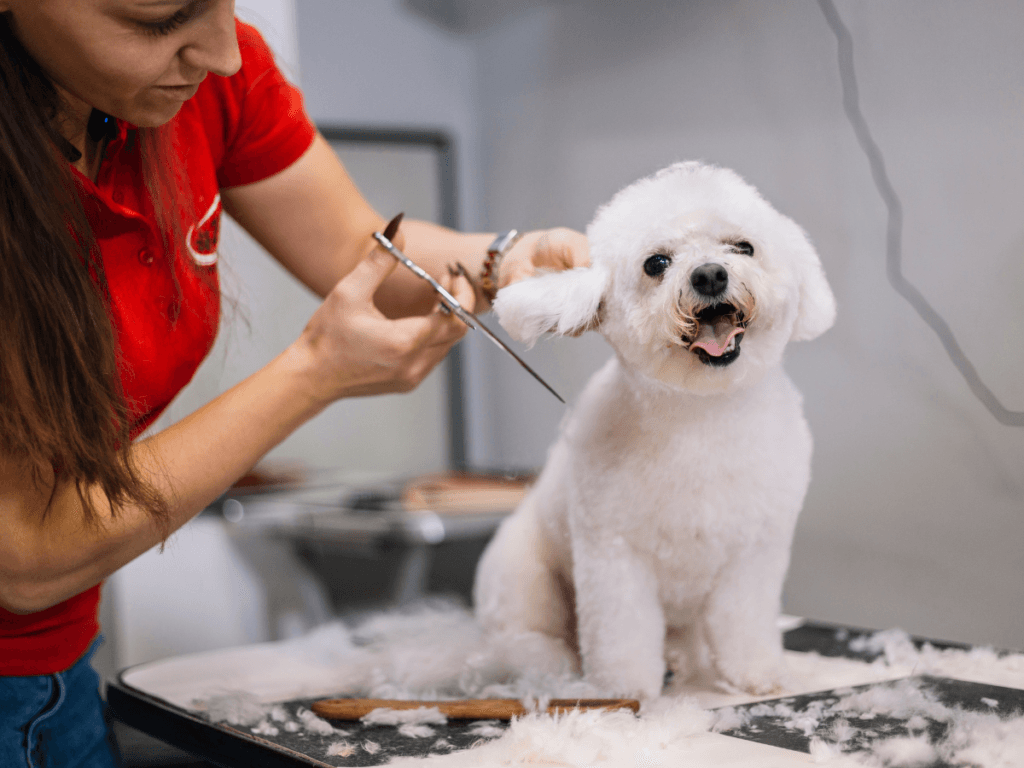
Small nicks can happen when a dog moves suddenly, particularly around thin skin, folds, ears, paws, and other difficult areas. Stop grooming immediately and assess the wound before deciding whether the appointment can continue.
For a superficial cut with limited bleeding, direct pressure with clean gauze may be enough to control it. Deep cuts, wounds with separated edges, injuries near the eyes, or bleeding that remains difficult to control should be evaluated by a veterinarian.
Do not assume a wound is minor based only on its length. Location, depth, bleeding, and the dog’s overall response also matter.
A Cut Nail Quick Is Different From a Serious Paw Injury
Accidentally cutting into the quick is one of the more familiar grooming incidents. It can cause sudden bleeding and may frighten the dog, but it is different from a torn nail, deeply damaged nail bed, or injured toe.
If the quick is nicked, stop the nail trim and control the bleeding using an appropriate styptic product or another method recommended for salon first-aid use. Keep the dog still enough to avoid reopening the area.
Veterinary attention is more appropriate when a nail is partially torn away, bleeding cannot be controlled, the toe appears injured, or the dog remains unable or unwilling to bear weight.
Sudden Limping or Pain Means the Groom Should Stop
A dog that suddenly yelps, pulls away, begins limping, or resists movement may be reacting to more than anxiety. Check whether something obvious has happened, such as a snagged nail or minor paw injury, but avoid repeatedly manipulating a painful limb to identify the cause.
Sudden discomfort can involve joints, muscles, nails, skin, or an existing medical problem aggravated by handling.
Changes in body language can provide an early warning before an incident escalates. Recognizing stress and discomfort signals during grooming can help groomers distinguish ordinary resistance from behavior that suggests pain or distress.
If significant pain, swelling, abnormal limb position, or inability to bear weight is present, veterinary assessment is the safer next step.
Falls and Suspected Fractures Should Not Be Splinted in the Salon
A dog that falls from a grooming table or tub can sustain injuries that are not immediately visible. Do not encourage the animal to walk simply to see whether it can. Limit unnecessary movement and observe breathing, responsiveness, posture, and the ability to move normally.
If a fracture or spinal injury is suspected, avoid attempting to straighten the limb or create an improvised splint unless a veterinarian specifically instructs you to do so. Incorrect splinting or excessive manipulation can worsen an injury.
Falls followed by collapse, severe pain, abnormal movement, breathing difficulty, weakness, or neurological changes require urgent veterinary care.
Seizures Require Protection From the Environment, Not Restraint
A seizure can be alarming, especially when it begins without warning. Move grooming tools, cords, water containers, and other hazards away from the dog if you can do so safely. Prevent the animal from falling from an elevated surface, but do not hold the dog down or place your hands near its mouth.
Time the seizure and observe what happens. Useful details include how long the episode lasts, which parts of the body are affected, whether consciousness appears altered, and how the dog behaves afterward.
Contact a veterinarian for guidance. Prolonged seizures, repeated seizures close together, difficulty recovering, breathing problems, or other severe abnormalities warrant emergency veterinary attention.
Watch for Overheating and Respiratory Distress During Drying
Drying equipment requires close supervision because heat, airflow, noise, and confinement can become stressful for some dogs.
Heavy or worsening panting, excessive drooling, weakness, disorientation, collapse, or obvious breathing difficulty should never be treated as normal grooming stress. Stop the drying process and move the dog away from the heat source.
Safe technique, airflow, temperature control, and continuous observation are central to reducing risks during dog drying. A dog showing severe overheating or respiratory distress needs veterinary attention promptly. Do not delay care by trying to finish bathing, drying, or trimming.
Eye and Ear Injuries Need Extra Caution
Eyes and ears are particularly sensitive areas, and aggressive home-style treatment can make an injury worse.
If shampoo or another grooming product enters an eye, follow the product’s safety instructions and rinse appropriately. Persistent squinting, redness, cloudiness, discharge, obvious pain, or suspected trauma should be referred for veterinary evaluation.
Ear bleeding, sudden severe pain, swelling, or injury inside the canal also warrants caution. Avoid probing deeply into an injured ear or attempting to remove material that cannot be seen and reached safely.
Know When the Appointment Is Over
One of the most important judgments in pet grooming emergencies is recognizing when grooming should not resume.
A minor incident does not automatically mean the dog can safely finish its haircut once the immediate problem appears controlled. Pain, fear, weakness, abnormal behavior, or continued distress can make further handling unsafe.
In those situations, completing the groom is secondary. Stabilize the pet, communicate clearly with the owner, seek veterinary guidance when appropriate, and document what occurred.
The goal is not to manage every possible injury inside the salon. It is to recognize what happened, avoid making the situation worse, and get the animal to the appropriate level of care when the problem exceeds basic first aid.
What Should Be Included in a Grooming First-Aid Kit?
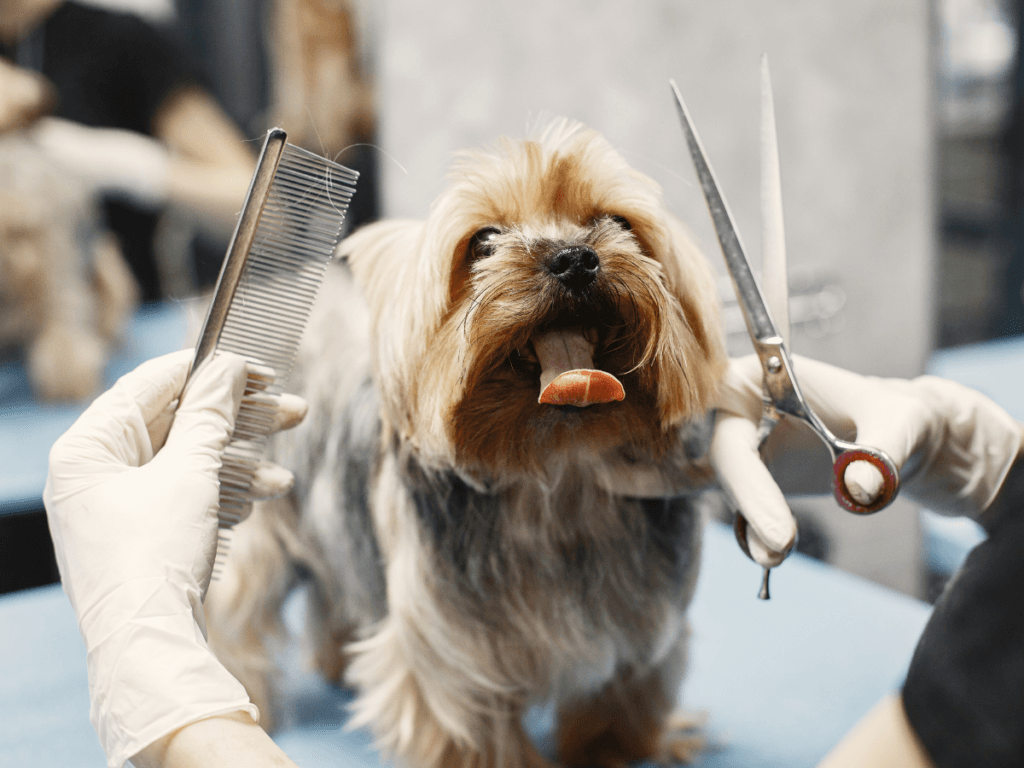
A grooming first-aid kit should be designed for the kinds of incidents that can realistically happen during an appointment. That includes minor cuts, nail bleeding, eye contamination, bites or scratches, and situations where a pet needs to be stabilized before veterinary care.
The goal is not to stock a miniature veterinary clinic. A useful kit contains simple supplies that groomers are trained to use, is easy to access under pressure, and is checked often enough that expired or missing items do not become a problem during pet grooming emergencies.
Build the Kit Around Immediate First-Aid Needs
Start with supplies that support basic wound protection, bleeding control, hygiene, and safe handling.
A practical grooming first-aid kit may include:
| Supply | Primary Use |
|---|---|
| Disposable gloves | Protect hands and reduce contamination |
| Sterile gauze pads and rolls | Apply pressure and cover wounds |
| Nonstick dressings | Protect minor wounds without adhering to them |
| Medical tape | Secure dressings when appropriate |
| Clean towels | Apply pressure, provide support, or assist with transport |
| Styptic powder or another appropriate styptic product | Help control minor nail bleeding |
| Sterile saline | Flush appropriate areas when directed |
| Blunt-ended scissors | Cut gauze, tape, or bandage material |
| Spare leash or slip lead | Secure a pet during transfer or transport |
| Disposable cold pack | Provide temporary cooling for certain minor injuries when appropriate |
| Pen and incident forms | Record what happened and what care was provided |
Quantities should reflect the size and workload of the salon rather than an arbitrary checklist. A busy grooming operation may need several backup packs of gauze and gloves, while a smaller shop may keep fewer supplies but inspect them more frequently.
Be Cautious About Medications and Antiseptics
Not every product commonly found in a human first-aid kit belongs in a grooming salon. Avoid stocking medications with the assumption that staff can administer them whenever an animal is injured.
Human pain relievers and other drugs can be dangerous to dogs, and even pet medications may require veterinary guidance or owner authorization. The same caution applies to wound-cleaning products. Some antiseptics can irritate tissue or eyes if used incorrectly.
Sterile saline is useful for certain flushing situations because it does not introduce an active medication, but deeper wounds, eye injuries, embedded debris, and significant trauma still require veterinary evaluation. First-aid supplies should support stabilization, not encourage treatment beyond the groomer’s training.
Organize Supplies So They Can Be Found Immediately
A well-stocked kit is much less useful if staff have to dig through drawers to find the right item.
Use labeled compartments or clear pouches so gauze, gloves, dressings, styptic supplies, and transport items can be identified quickly. Keep the kit in a consistent location that every employee can reach without leaving an injured pet unattended.
The surrounding grooming workspace matters as well. Organized tools, secure restraints, clear walkways, and properly maintained equipment all contribute to preventing emergencies in the first place.
Formal grooming training that covers equipment and safety practices can help new groomers understand how those everyday systems support safer emergency response.
Avoid locking emergency supplies somewhere only one manager can access. At least one stocked kit should remain readily available whenever grooming is taking place.
Keep Veterinary Contacts With the Kit
A first-aid kit should contain information as well as supplies. Post or store current contact details for the salon’s preferred veterinary clinic, nearby emergency veterinary hospitals, and other animal emergency resources appropriate to the business.
Staff should know which facility is open after normal hours and how long transport typically takes. The pet owner’s contact information and relevant medical history should also be easy to retrieve from client records.
If a dog has a known seizure disorder, heart condition, previous grooming reaction, allergy, or other disclosed health concern, that information may affect how quickly the groomer seeks veterinary guidance.
For serious pet grooming emergencies, being able to make the correct phone call immediately may be more important than having another item in the supply box.
Add Emergency Procedures, Not Just Supplies
A laminated response card can make a first-aid kit more useful during a stressful incident. Keep the instructions brief. Staff should be able to identify the basic sequence without reading a full training manual:
- Stop the grooming procedure and remove immediate hazards.
- Assess the pet without causing unnecessary movement.
- Provide appropriate basic first aid within your training.
- Contact veterinary care when the condition requires it.
- Notify the owner according to salon policy.
- Arrange safe transport if needed.
- Document the incident once immediate care is underway.
This type of quick-reference system supports consistency without encouraging employees to diagnose injuries themselves.
Check the Kit on a Regular Schedule
Emergency supplies should be inspected routinely rather than only after something goes wrong. Assign responsibility to a specific person or role and use a short inventory sheet. During each check, look for:
- used or missing supplies
- damaged packaging
- expired products
- dried-out or contaminated materials
- outdated veterinary contact information
- missing incident forms
- items that staff no longer know how to use
Frequently used supplies should be replaced as soon as possible rather than waiting for the next scheduled inventory.
It can also help to conduct occasional practice scenarios. Staff can rehearse where the kit is located, who calls the owner, who contacts the veterinarian, and who prepares the pet for transport. The exercise should focus on workflow rather than attempting medical treatment.
Training Is Part of the Emergency Kit
Supplies alone do not prepare a groomer for pet grooming emergencies. A person who knows when to apply pressure, when not to restrain an animal, when a seizure requires urgent escalation, and when an injury should not be manipulated is more valuable than an oversized kit full of unfamiliar products.
Pet first aid and safety instruction are included among the topics covered in professional dog grooming certification training, which can help aspiring groomers build those skills before they are responsible for animals in a working salon.
The best first-aid kit is therefore a combination of appropriate supplies, accessible emergency information, clear procedures, and trained people who know the limits of salon first aid.
How Can Grooming Salons Prevent Injuries and Prepare for Emergencies?
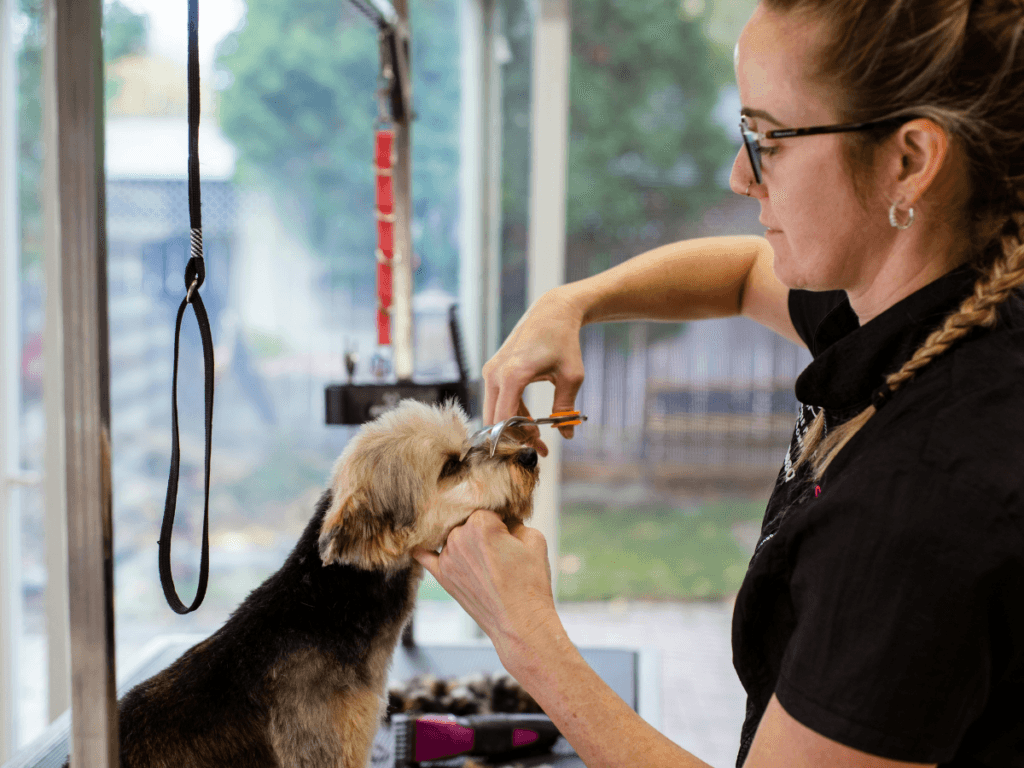
The best way to manage pet grooming emergencies is to reduce the chance of them happening in the first place.
Many incidents are influenced by everyday factors such as equipment condition, workspace setup, restraint, animal stress, staff communication, and how quickly a groomer recognizes that a session is becoming unsafe.
Emergency readiness therefore starts long before anyone reaches for a first-aid kit. A safer salon combines prevention, clear stop-work decisions, practiced response procedures, and regular review of how the team handles risk.
Start Each Shift With a Safety Check
A short inspection before appointments begin can catch hazards that are easy to overlook once the salon gets busy. Check grooming tables, loops, restraints, tubs, dryers, clippers, blades, electrical cords, flooring, and surrounding work areas.
Look for frayed cords, unstable equipment, slippery surfaces, loose hardware, overheating tools, or anything that could snag a leash or trip a groomer.
Hair and water should be cleared from walking areas throughout the day, not just at closing. Frequently used tools should have consistent storage locations so they do not end up on table edges or other places where a dog could knock them down.
Students learning professional salon workflow can benefit from seeing how grooming tools, equipment, and work areas are organized because injury prevention depends as much on setup as it does on grooming technique.
Treat Escalating Stress as a Safety Issue
Preventing injury is not limited to preventing cuts and falls. A frightened or overwhelmed dog can suddenly struggle, twist, jump, bite, or react defensively.
Current veterinary handling guidance increasingly emphasizes reducing unnecessary restraint and recognizing fear or stress before it reaches a crisis point. In practical grooming terms, that means watching the dog continuously rather than waiting for obvious aggression.
A dog that repeatedly freezes, pulls away, pants heavily without another explanation, struggles against restraint, or becomes increasingly reactive may need a pause, a modified approach, or an end to the appointment.
Pushing through simply because the groom is almost finished can turn a manageable situation into one of the more serious pet grooming emergencies.
Use the Least Restraint Needed for Safe Grooming
Restraint should help stabilize a dog, not force it through a procedure at any cost.
Grooming loops, belly supports, muzzles, and assistance from another trained person all have specific uses, but each should be matched to the animal and situation. More restraint is not automatically safer. Excessive force can increase struggling and raise the risk of injury to both the dog and the groomer.
If a dog requires progressively stronger restraint just to continue routine grooming, stop and reassess. The question is no longer how to complete the haircut. It is whether continuing is still safe.
This decision is particularly important with senior dogs, animals with mobility limitations, brachycephalic breeds, dogs with known medical concerns, and pets already showing significant distress.
Create Clear Stop-Grooming Criteria
Salons should not rely on individual groomers to improvise the threshold for ending an appointment. Written policies can identify situations where grooming stops immediately, such as:
- collapse or loss of consciousness
- significant breathing difficulty
- uncontrolled bleeding
- seizures
- suspected heat-related illness
- falls followed by pain or abnormal movement
- severe distress that cannot be reduced safely
- suspected fractures or major trauma
- serious eye injuries
- escalating aggression that makes continued handling unsafe
Minor situations can also require stopping if the animal is too distressed to continue safely. Clear criteria reduce pressure on employees to finish a service when the better decision is to protect the animal and arrange the next level of care.
Make Emergency Roles Clear Before an Incident Happens
A written emergency plan should answer practical questions that become difficult to solve under pressure.
Who stays with the dog? Who calls the veterinarian? Who contacts the owner? Who prepares transportation? Who records the timeline? Who manages other animals or clients while the incident is underway?
For a small salon, one person may perform several roles. Larger teams can assign responsibilities more specifically. The important part is avoiding confusion. During pet grooming emergencies, several employees attempting to take charge at once can be just as disruptive as nobody knowing what to do.
Practice Short Emergency Drills
Emergency procedures are easier to follow when staff have rehearsed them.
Drills do not need to involve elaborate simulations. Choose one realistic scenario and walk through the response. For example, practice what happens if a dog has a seizure on the grooming table, falls during transfer, begins having difficulty breathing, or suffers an injury that requires veterinary transport.
During the exercise, verify that staff can quickly locate:
- first-aid supplies
- veterinary contact numbers
- owner contact information
- a leash or safe transport equipment
- incident documentation forms
The purpose is not to practice veterinary treatment. It is to make communication and logistics familiar enough that staff do not lose valuable time figuring them out during an actual emergency.
Review Incidents for Prevention Opportunities
Incident reports should do more than document what happened.
Periodically review accidents, near misses, bites, equipment problems, and appointments that had to be stopped. Look for patterns rather than focusing only on individual mistakes.
If several incidents involve dogs slipping in the same area, the flooring or workflow may need attention. Repeated restraint problems may indicate a training issue. If groomers consistently struggle to recognize escalating stress, staff education may need strengthening.
Near misses are particularly valuable because they reveal hazards before an animal or employee is seriously injured.
Keep Safety Training Current
Salon procedures should evolve as equipment changes, staff gain experience, and better handling practices become available.
Recent veterinary guidance continues to support calm, low-stress handling and early recognition of fear rather than escalating physical restraint. Those principles translate well to professional grooming, where many injuries happen during moments of struggling, repositioning, restraint, or attempted escape.
Continuing education should therefore cover more than haircut technique. Groomers benefit from regular refreshers in canine body language, humane handling, equipment safety, first aid, emergency escalation, and salon procedures.
Preventing pet grooming emergencies is not about eliminating every possible risk. Animals can move unexpectedly, medical problems can appear without warning, and accidents can still happen in well-run salons. The goal is to reduce avoidable hazards and make the response predictable when something does go wrong.
A salon that checks its equipment, respects an animal’s stress signals, defines when grooming must stop, practices emergency procedures, and learns from previous incidents is better prepared to protect both pets and the people working with them.
What Emergency Training Should Professional Groomers Have?
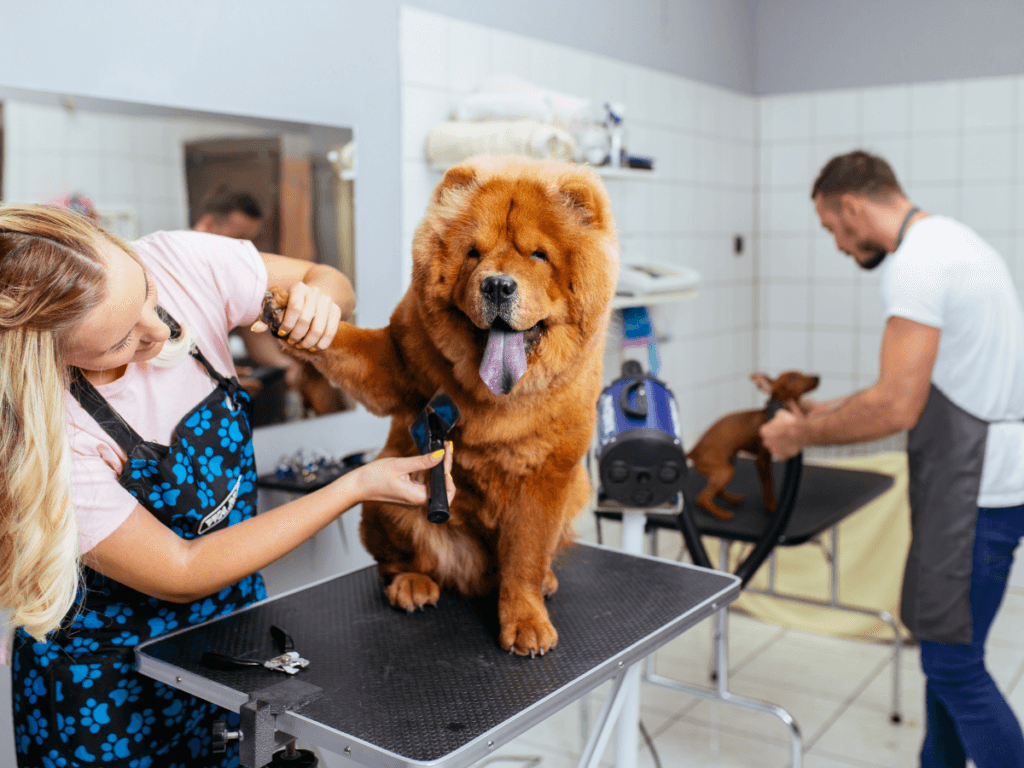
Reading about pet grooming emergencies is useful, but emergency skills are difficult to build from written instructions alone. Groomers may need to make decisions while an animal is frightened, injured, moving unpredictably, or showing signs of a medical crisis. Training should therefore combine first-aid knowledge with hands-on practice, clear limits on what a groomer should attempt, and realistic emergency scenarios.
The strongest preparation goes beyond earning a certificate once. Groomers need opportunities to practice skills, refresh procedures, and stay current as veterinary first-aid guidance changes.
Look for Pet First-Aid and CPR Training With Hands-On Practice
Pet first-aid courses can cover topics such as bleeding control, wound protection, seizures, heat-related illness, choking, poisoning, trauma, and the warning signs that require veterinary care.
Pet CPR training adds another layer of emergency preparation. It typically addresses how to recognize cardiopulmonary arrest and respond appropriately while arranging emergency veterinary treatment.
Whenever possible, choose instruction that includes supervised practice rather than relying entirely on slides or prerecorded material. Skills involving positioning, compression technique, bandaging, or emergency handling are easier to understand when learners can practice and receive feedback.
A course should also make the limits of first aid clear. Groomers are not being trained to replace veterinarians. They are learning how to recognize an emergency, provide appropriate temporary assistance, avoid worsening the problem, and get the animal to veterinary care.
Choose Training That Reflects Real Grooming Situations
General pet first aid is valuable, but groomers face risks that are specific to the salon environment.
Useful training should help professionals think through situations such as:
- a dog falling from a grooming table
- bleeding after a nail or clipper injury
- a seizure during an appointment
- sudden breathing difficulty
- overheating during drying
- a frightened dog attempting to bite
- shampoo or another product entering an eye
- an animal collapsing during handling
- an injury that occurs when the owner cannot immediately be reached
Scenario-based training is especially useful because emergencies rarely unfold as neatly as a written checklist. A groomer may need to protect the dog, manage equipment, call a veterinarian, contact the owner, and coordinate transportation within the same few minutes.
Practicing those decisions can reveal weaknesses in a salon’s emergency plan before a real incident exposes them.
Evaluate the Instructor as Carefully as the Course Title
“Pet first aid” can describe very different levels of instruction.
Before enrolling, review who teaches the course, what qualifications they hold, which topics are covered, and whether learners have an opportunity to demonstrate practical skills.
Programs taught or developed with appropriate veterinary or animal emergency expertise can provide stronger context for deciding what requires immediate veterinary intervention and what can reasonably be managed with basic first aid.
Also check whether the course addresses dogs specifically. Emergency assessment and first-aid techniques should not simply be copied from human first aid without accounting for animal anatomy, behavior, and handling risks.
Treat Certification as a Starting Point, Not Permanent Proof of Readiness
Completing a first-aid or CPR course does not mean the information will remain easy to recall years later.
Emergency skills are used infrequently, which makes them vulnerable to fading. A groomer who learned a procedure once but has never practiced it again may struggle to recall the sequence when an actual emergency occurs.
Refreshers can be simple. Staff might periodically review one scenario, practice locating supplies, discuss when grooming should stop, or walk through the steps for contacting an emergency veterinary hospital.
For more technical skills such as CPR, follow the refresher or recertification schedule recommended by the training provider.
Use Veterinary Guidance to Update Salon Procedures
Training materials should not remain frozen in time. Salon owners and groomers should periodically compare their emergency procedures with current recommendations from reputable veterinary organizations, veterinary hospitals, poison-control resources, and qualified pet first-aid educators.
Updates are particularly important for areas where old advice can persist long after better practices are available. Improvised restraint, unnecessary wound treatments, unsuitable medications, or outdated responses to seizures and heat illness can create additional risk.
If a salon protocol conflicts with current veterinary advice, the protocol should be reviewed rather than followed simply because “that is how it has always been done.”
Practice Judgment, Not Just Procedures
Some of the most important emergency skills cannot be reduced to a numbered list. A groomer needs to know when an injury appears minor enough for basic first aid, when the appointment should end, when a veterinarian should be called for guidance, and when the animal needs immediate transport.
That judgment develops through instruction, supervised experience, case discussions, and repetition.
For example, knowing how to control a small amount of bleeding is useful. Knowing that persistent or heavy bleeding changes the situation entirely is even more important. The same principle applies to limping, stress, breathing changes, overheating, and neurological symptoms.
Good emergency education teaches the difference between “I know a first-aid technique” and “I know when this animal needs a veterinarian.”
Make Emergency Training Part of Ongoing Professional Development
Emergency readiness should be integrated into professional grooming education rather than treated as an optional extra after technical grooming skills are mastered.
New groomers benefit from learning safety, handling, first aid, and escalation procedures alongside bathing, drying, clipping, scissoring, nail care, and equipment use. Experienced groomers can use continuing education to refresh skills and identify habits that may need updating.
Salons should also keep a simple training record showing which employees have completed first-aid or CPR education, when training occurred, and when a refresher is due.
Pet grooming emergencies cannot always be prevented, and no training program can make every situation predictable. What education can provide is a stronger foundation for making safe decisions under pressure.
A groomer who understands first aid, recognizes the limits of salon care, and has practiced how to respond is better prepared to protect the animal while getting veterinary help when it is needed.
Pet Grooming Emergency FAQs
What Should I Do if a Dog Becomes Aggressive During an Emergency?
Protect the dog, yourself, and anyone nearby before attempting first aid. Stop unnecessary handling, remove hazards when it is safe to do so, and give the dog enough space to reduce pressure. Pain, fear, confusion, or illness can cause even a normally tolerant dog to bite.
Do not automatically muzzle every distressed animal. Muzzles can be inappropriate when a dog is vomiting, having difficulty breathing, experiencing certain facial injuries, or actively seizing. If safe handling is not possible, contact a veterinarian for guidance rather than escalating restraint or risking a bite.
How Can I Prepare My Grooming Salon for Emergencies?
Preparation should cover supplies, communication, and decision-making. Keep an accessible first-aid kit, inspect grooming equipment regularly, maintain current veterinary contact information, and establish clear criteria for stopping an appointment.
Every staff member should know who stays with the animal, who contacts the owner and veterinarian, and how transportation will be arranged if urgent veterinary care is needed. Short scenario drills can expose gaps before real pet grooming emergencies occur.
Client intake also matters. Ask owners to disclose medical conditions, previous grooming incidents, known behavioral concerns, allergies, and other information that may affect safe handling.
What Signs Mean a Dog Needs Immediate Veterinary Care?
Emergency veterinary attention may be needed when a dog develops:
- difficulty breathing
- collapse or loss of consciousness
- uncontrolled or substantial bleeding
- a prolonged or repeated seizure
- suspected heatstroke
- significant trauma or a suspected fracture
- severe weakness or inability to stand
- a serious eye injury
- severe allergic-reaction symptoms
- suspected poisoning
- marked changes in responsiveness or coordination
Some emergencies are less obvious than a visible wound. Sudden weakness, abnormal breathing, severe pain, disorientation, or a dramatic behavior change can also signal a medical problem.
When the severity is uncertain, call a veterinarian or emergency veterinary hospital and describe exactly what you are observing.
How Often Should Groomers Refresh Their First-Aid Training?
There is no universal refresher interval that applies to every pet first-aid or CPR program. Follow the renewal or recertification schedule established by the training provider and supplement formal training with periodic practice.
Short refreshers can be useful between courses. Groomers can rehearse emergency communication, review where supplies are stored, practice basic response sequences, and discuss recent incidents or near misses.
Skills that are rarely used can become harder to recall under stress, so emergency readiness should be treated as ongoing professional development rather than a one-time certification.
What Should Be Included on a Salon Emergency Contact List?
Keep the list short enough to use quickly. It should include:
- the salon’s regular veterinary contact
- one or more nearby emergency veterinary hospitals
- animal poison-control contact information
- pet owner and alternate contact information
- any internal contacts required by salon policy
Check veterinary hours periodically, especially if the salon operates evenings or weekends. Knowing that a clinic exists is not enough if it is closed when an emergency occurs.
The emergency list should be accessible wherever grooming takes place rather than stored only in a manager’s office or password-protected system that employees cannot quickly reach.
Can Human First-Aid Supplies Be Used on Dogs?
Some basic supplies found in human first-aid kits can also be useful for animals. Examples include disposable gloves, sterile gauze, clean towels, nonstick dressings, and sterile saline for appropriate flushing.
That does not make every human first-aid product safe for dogs. Avoid giving human medications unless specifically directed by a veterinarian. Products such as alcohol, hydrogen peroxide, medicated antiseptics, topical creams, and pain relievers should not be used automatically on animal injuries simply because they are available.
A dedicated grooming first-aid kit makes it easier to control what products are available and reduce the chance of someone reaching for an inappropriate treatment during pet grooming emergencies.
How Should I Calm a Highly Stressed Dog During Grooming?
The first step is usually to reduce what is causing the stress rather than adding more handling.
Pause the procedure, lower noise and stimulation where possible, use slow movements, and allow the dog a moment to settle without forcing interaction. Watch the whole animal for signs such as stiffening, repeated attempts to escape, trembling, growling, snapping, frantic movement, or worsening respiratory effort.
Some dogs benefit from shorter grooming sessions, a different handling approach, or an appointment at a quieter time. Others may reach a point where continuing is no longer safe.
If distress continues to increase despite reasonable adjustments, stop the groom. Finishing a haircut is never more important than preventing a frightened animal from becoming injured or reaching the point where it feels forced to defend itself.
When Should a Groomer Stop the Appointment Completely?
Stop when continuing would create an unreasonable risk to the animal or groomer. That includes a medical emergency, significant injury, severe or escalating distress, unsafe aggression, suspected overheating, breathing difficulty, or any condition requiring veterinary evaluation.
Stopping is not a failed groom. It is a safety decision. Professional judgment includes recognizing when the safest service you can provide is ending the appointment and helping the animal get appropriate care.
Conclusion
Pet grooming emergencies can happen quickly, which is why preparation, calm decision-making, and knowing when to seek veterinary care are essential skills for every groomer.
From minor cuts and nail injuries to overheating, allergic reactions, breathing difficulties, or other sudden medical concerns, recognizing warning signs and responding appropriately can help protect the animals in your care.
Professional education can give aspiring groomers a stronger foundation in safe handling, emergency awareness, and responsible grooming practices.
For hands-on grooming education and career-focused training, choose OTCK9 Grooming School. If you’re ready to strengthen your grooming skills and prepare for real-world situations, call 770-874-1803 to speak with the team at OTCK9 Grooming School or fill out the online form to book your grooming services today.