
A dog’s dental health affects far more than just their breath. Plaque buildup, gum disease, and untreated oral infections can lead to pain, difficulty eating, and health problems that impact the entire body. Many issues develop gradually, making them easy to miss until they become more serious.
Understanding why dog dental health is crucial for overall wellness helps owners recognize the connection between oral care and long-term health.
Bacteria from dental disease can enter the bloodstream and potentially affect the heart, kidneys, and other organs over time. Regular care also helps prevent tooth loss and chronic discomfort.
With consistent dental hygiene and routine checkups, you can support your dog’s comfort, health, and quality of life well beyond their teeth and gums.
Dog Dental Health Basics for Cleaner Teeth and Fresher Breath
What Are The Signs Of Dog Dental Problems And Gum Disease?
Protecting your dog’s dental health involves more than keeping their teeth clean. Many oral health problems develop gradually, and the early warning signs are often easy to overlook.
Catching these issues early can make treatment simpler, reduce discomfort for your dog, and help prevent more serious complications later on.
One of the most common concerns veterinarians see is gum disease, also known as periodontal disease. This condition can begin with mild inflammation but may eventually lead to tooth loss, infection, and even problems affecting the heart, kidneys, or other organs if bacteria enter the bloodstream.
Paying attention to changes in your dog’s mouth, eating habits, and behavior can make a major difference in long-term dental health.
How To Recognize Early Symptoms Of Canine Gum Disease
Early gum disease does not always cause dramatic symptoms right away. In many cases, the first signs appear as small changes that gradually become more noticeable over time.
Red or swollen gums are among the most common early indicators. Healthy gums should generally appear pink and firm. If the gums look inflamed, irritated, or bleed easily, it may signal the beginning stages of periodontal disease.
Bad breath is another warning sign that owners frequently dismiss as normal. While dogs naturally have some odor in their mouths, persistent foul breath often points to bacteria buildup, infection, or decaying teeth.
Changes in eating behavior can also indicate discomfort. Some dogs begin chewing on only one side of the mouth, dropping food while eating, or avoiding harder treats they once enjoyed.
Others may seem less interested in meals altogether because chewing has become painful. These subtle behavioral changes are often some of the earliest clues that dental health problems are developing.
Why Regular Mouth Checks Matter
Routine at-home checks are one of the simplest ways to monitor your dog’s dental health between veterinary visits. You do not need specialized tools or training to notice many common problems.
Choose a calm environment and gently lift your dog’s lips to inspect the front and sides of the teeth and gums. Look for redness, swelling, tartar buildup, broken teeth, or areas that appear unusually dark or irritated.
Pay attention to any sudden worsening of breath odor or sensitivity when touching around the mouth. Some dogs may pull away or resist having their mouth handled if they are experiencing pain.
It can also help to keep brief notes about anything unusual you notice. Tracking changes over time gives your veterinarian more useful information during dental exams and can help identify problems earlier.
What Are Common Indicators Of Poor Dog Oral Health?
Several symptoms commonly point to declining oral health in dogs, and many extend beyond the mouth itself. Persistent bad breath is one of the clearest signs that bacteria and plaque are building up. While a mild odor may seem normal, a strong or worsening smell often suggests infection or advanced gum disease.
Difficulty eating is another major indicator. Dogs experiencing dental pain may avoid dry food, chew more slowly, or favor softer foods. In more advanced cases, they may paw at their mouth or refuse meals entirely.
Excessive drooling can sometimes signal oral discomfort as well, particularly if accompanied by visible swelling or bleeding gums. Loose teeth, yellow or brown tartar buildup, and visible gum recession are also signs that dental health problems may already be progressing.
Some dogs even experience personality or behavior changes when dealing with chronic mouth pain. Irritability, reduced playfulness, or withdrawal can occasionally be linked to untreated dental discomfort.
How Preventive Dental Care Supports Long-Term Health
Consistent preventive care plays a major role in maintaining good dental health for dogs. Regular brushing, dental chews, professional cleanings, and routine veterinary exams all help reduce plaque and tartar buildup before more serious issues develop.
Professional dental evaluations are especially important because some problems occur below the gumline and may not be visible during casual at-home inspections.
Early intervention can often prevent expensive procedures or tooth extractions later on. More importantly, it helps improve your dog’s comfort, quality of life, and overall health.
How Does Poor Dog Dental Health Affect Overall Wellness?
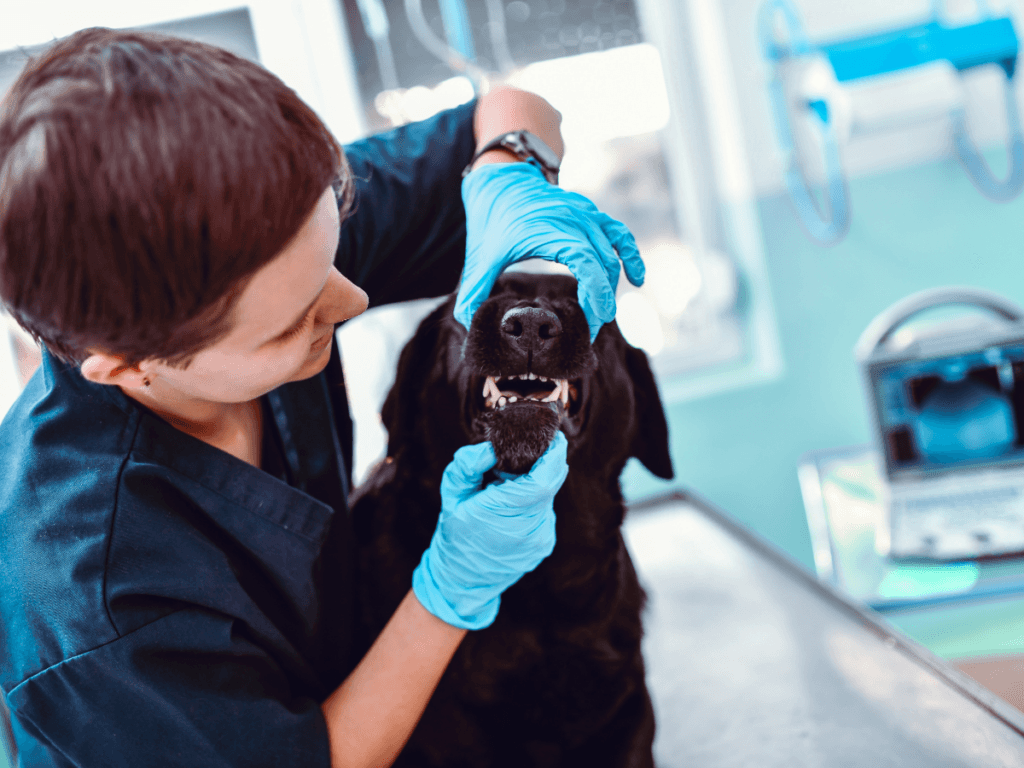
Many pet owners think of dental care as something that only affects a dog’s teeth and breath, but the reality is much broader. Poor oral hygiene can influence a dog’s overall health in ways that are not always obvious at first.
Dental disease creates chronic inflammation inside the mouth, and over time, that inflammation can affect other organs throughout the body.
This is one reason veterinarians place so much emphasis on routine dental health care. Keeping a dog’s teeth and gums healthy is not just about preventing plaque buildup or bad breath. It is also about protecting long-term wellness and reducing the risk of more serious medical complications later in life.
Research continues to show strong connections between periodontal disease and systemic health issues in dogs. Once gum disease progresses, bacteria from infected gums can enter the bloodstream and travel throughout the body, placing additional stress on vital organs.
How Oral Disease Affects The Entire Body
When bacteria remain trapped beneath inflamed gums, the immune system stays in a constant state of response. This ongoing inflammation can gradually affect the body far beyond the mouth.
Inflamed gum tissue creates tiny openings where bacteria can pass into the bloodstream. Once circulating through the body, these bacteria may contribute to problems involving the heart, kidneys, and liver. While dental disease may begin as a localized issue, its effects can become systemic if left untreated.
Dogs with existing medical conditions may be especially vulnerable. Chronic inflammation caused by poor dental health can make recovery more difficult and may worsen certain health problems over time.
Because of this, veterinarians often evaluate a dog’s oral condition as part of a broader wellness assessment. Treating dental disease can sometimes improve comfort, energy levels, appetite, and even overall recovery from unrelated illnesses.
What Systemic Diseases Can Result From Untreated Oral Infections?
Untreated oral infections are associated with several serious health concerns in dogs. One of the most commonly discussed connections involves heart health.
Bacteria from periodontal disease may travel through the bloodstream and affect heart tissues, increasing strain on the cardiovascular system. While not every dog with dental disease develops heart complications, the risk becomes more concerning as gum disease progresses.
Kidney function can also be impacted over time. Chronic inflammation and bacterial exposure may place additional stress on the kidneys, particularly in aging dogs. Since the kidneys help filter waste and toxins from the bloodstream, repeated exposure to oral bacteria may contribute to declining function.
Some studies have also explored links between periodontal disease and liver health. The liver plays a key role in processing bacteria and inflammation within the body, so persistent oral infections may increase the organ’s workload over time.
These findings reinforce the importance of preventive dental health care as part of a dog’s overall wellness routine rather than treating it as a cosmetic concern alone.
How Periodontal Disease Impacts Quality Of Life
Beyond its connection to systemic illness, periodontal disease can significantly reduce a dog’s quality of life on a daily basis.
Dogs experiencing oral pain may struggle to eat comfortably, avoid chewing toys, or lose interest in activities they once enjoyed. Some become more withdrawn or irritable because of chronic discomfort that owners may not immediately recognize.
Advanced dental disease can also lead to tooth loss, abscesses, and jaw infections if left untreated. In severe cases, dogs may require extractions or more extensive veterinary procedures to restore comfort and function.
Many owners notice positive changes after dental treatment, including improved appetite, better energy levels, and a more playful attitude. This highlights how closely dental health is connected to overall well-being.
Why Preventive Dental Care Matters
Consistent preventive care is one of the most effective ways to protect your dog’s dental health and long-term wellness. Regular brushing, dental chews, professional cleanings, and routine veterinary exams all help reduce plaque and inflammation before they become serious problems.
At-home care is important, but professional evaluations are equally valuable because many dental issues develop below the gumline, where they cannot easily be seen.
Prioritizing dental health early can help dogs stay healthier, more comfortable, and more active throughout their lives.
What Are the Best Dog Oral Hygiene Tips to Prevent Gum Disease?
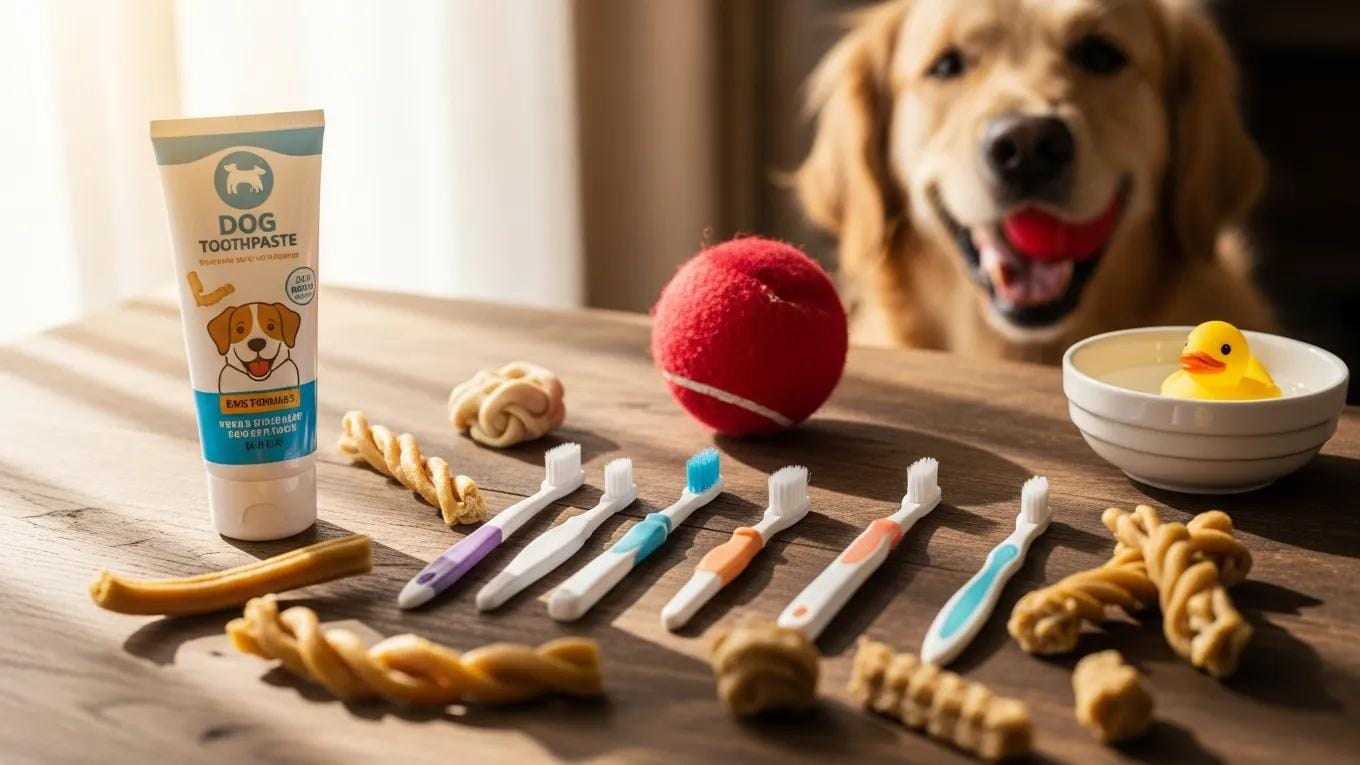
Protecting your dog’s dental health does not have to be complicated. In most cases, preventing gum disease comes down to building a few consistent habits into your regular routine. Small efforts done regularly are often far more effective than occasional deep cleanings or last-minute fixes after problems develop.
Plaque and tartar naturally build up over time, and if they are not removed, they can lead to inflamed gums, infections, tooth loss, and other health concerns. The good news is that preventive care can dramatically reduce these risks and help your dog stay healthier and more comfortable throughout life.
How Often Should You Brush Your Dog’s Teeth?
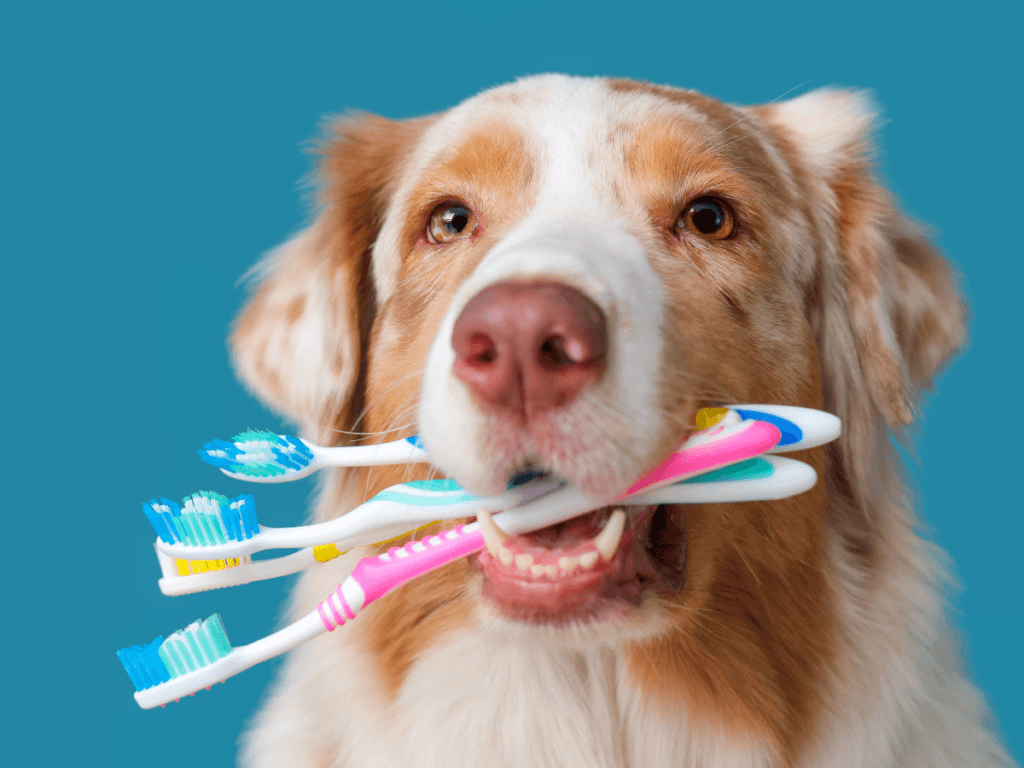
Daily brushing is considered the gold standard for canine dental health, but even brushing several times a week can make a meaningful difference. The key is consistency rather than perfection.
Always use a toothbrush and toothpaste designed specifically for dogs. Human toothpaste should never be used because many ingredients are unsafe for pets to swallow. Dog toothpaste is formulated to be safe and often comes in flavors that make the process easier for pets to tolerate.
If your dog is not used to brushing, start slowly. Begin by letting them taste the toothpaste and become comfortable with the toothbrush before attempting a full cleaning. Short sessions lasting one or two minutes are perfectly fine in the beginning.
Over time, most dogs adjust surprisingly well when brushing becomes part of a calm, predictable routine. Gradually increasing the number of teeth brushed and the duration of each session can help make the process feel less stressful for both you and your dog.
Regular brushing helps prevent plaque from hardening into tartar, which is much more difficult to remove without professional dental cleaning.
Which Preventive Care Techniques Are Most Effective?
Brushing is important, but it works best when combined with other preventive dental health practices.
Dental chews can help reduce plaque buildup through mechanical chewing action. Certain products are specifically designed to clean the teeth while dogs chew, helping reach areas that brushing may miss. However, not all chews are equally effective, so it is important to choose products that are safe and appropriately sized for your dog.
Routine veterinary exams are another essential part of preventive care. Even attentive owners may not notice issues developing below the gumline, where many dental problems begin. Professional cleanings and evaluations allow veterinarians to identify early signs of gum disease before they become more serious.
Some dogs may also benefit from dental rinses, water additives, or specially formulated diets that support oral hygiene. These options are not replacements for brushing, but they can provide additional support when used consistently.
How To Tailor Dental Care To Your Dog’s Needs
Not every dog requires the exact same dental routine. Age, breed, chewing habits, and overall health all influence which preventive methods are most effective.
Smaller breeds are often more prone to dental crowding and plaque buildup, meaning they may need more frequent cleanings and closer monitoring. Senior dogs may require gentler approaches if they already have sensitive gums or missing teeth.
For dogs that enjoy chewing, selecting durable dental chews can provide both enrichment and oral health benefits. However, it is important to avoid products that are too hard, as these can damage teeth rather than protect them.
Dogs with existing medical conditions may also need customized dental care plans developed alongside their veterinarian.
Why Consistency Matters More Than Intensity
One of the biggest misconceptions about dog dental health is that care has to be extensive or complicated to be effective. In reality, simple habits performed regularly tend to produce the best long-term results.
A few minutes of brushing several times a week, combined with regular checkups and appropriate dental products, can significantly lower the risk of gum disease and tooth loss.
Preventive dental health care also reduces the likelihood of more invasive procedures later, which can be stressful for pets and costly for owners.
Which Professional Dental Treatments Support Dog Oral Health?
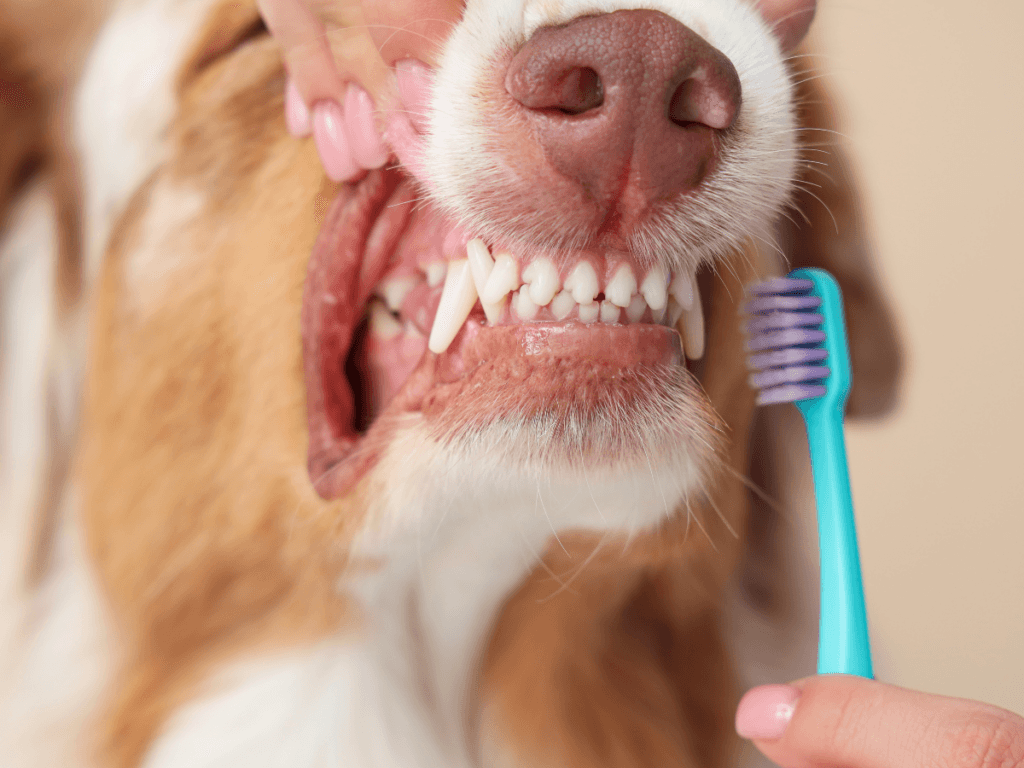
At-home brushing and dental chews are important parts of maintaining dental health, but they are not always enough on their own. Professional veterinary dental care plays a major role in preventing and treating oral disease, especially as dogs age or begin developing plaque and tartar below the gumline.
Many dental problems are difficult to detect without a professional exam. Issues such as infected roots, hidden fractures, and gum disease beneath the surface can progress quietly before obvious symptoms appear. Regular veterinary dental care helps identify these concerns early and supports better long-term oral health.
When Should You Seek Veterinary Dental Cleaning?
Some signs clearly indicate it is time to schedule a veterinary dental evaluation. Persistent bad breath, swollen or bleeding gums, loose teeth, excessive drooling, or difficulty eating can all point to underlying dental disease.
Changes in chewing habits are another common warning sign. Dogs experiencing oral pain may begin eating more slowly, avoid hard food, or chew on only one side of the mouth. In some cases, owners notice irritability or reduced interest in toys because of discomfort that has gradually developed over time.
Even dogs without visible symptoms can benefit from regular professional exams. Many veterinarians recommend annual dental evaluations and cleanings, although the ideal schedule depends on the dog’s age, breed, and overall dental condition.
Smaller breeds, senior dogs, and dogs with a history of dental disease often require more frequent monitoring because they tend to develop oral health problems more quickly.
What Happens During Professional Dental Care?
Professional canine dental care involves far more than a simple surface cleaning. Veterinary dental procedures are designed to thoroughly evaluate and treat the entire mouth, including areas that cannot safely be cleaned at home.
A professional dental appointment usually begins with a full oral examination. Veterinarians assess the teeth, gums, tongue, and surrounding tissues for signs of disease or injury.
Many clinics also perform dental radiographs, or X-rays, to identify hidden problems beneath the gumline. These images can reveal infections, bone loss, damaged roots, or impacted teeth that would otherwise remain unnoticed.
The cleaning itself typically includes scaling both above and below the gumline to remove plaque and hardened tartar buildup. After scaling, the teeth are polished to help smooth the surface and slow future plaque accumulation.
In some cases, additional treatment may be necessary. Severely damaged or infected teeth may require extraction to relieve pain and prevent infection from spreading further.
Because these procedures require dogs to remain completely still and comfortable, veterinary dental cleanings are commonly performed under anesthesia with careful monitoring throughout the procedure.
Why Professional Dental Care Matters
Professional dental treatments support dental health in ways that daily brushing alone cannot fully accomplish. One of the biggest benefits is the ability to clean beneath the gumline, where periodontal disease often begins. This area is difficult or impossible to address effectively with home care products alone.
Routine professional care also allows veterinarians to catch developing issues before they become severe. Early treatment often prevents more extensive procedures later and can significantly improve a dog’s comfort and quality of life.
Many owners are surprised by how much their dog’s behavior improves after dental treatment. Increased energy, better appetite, improved mood, and more interest in play are common once chronic oral pain is resolved.
Professional dental care also supports overall wellness by reducing chronic inflammation and bacterial buildup that may affect other organs throughout the body.
How To Support Dental Health Between Veterinary Visits
Professional cleanings work best when paired with consistent home care. Brushing your dog’s teeth regularly, using veterinarian-approved dental chews, and monitoring for changes in breath or eating habits can help maintain the results of professional treatment.
Following your veterinarian’s aftercare instructions is also important, especially after extractions or advanced procedures. Maintaining good dental health is an ongoing process rather than a one-time treatment.
What Are The Best Dog Toothpaste And Oral Care Products Available?
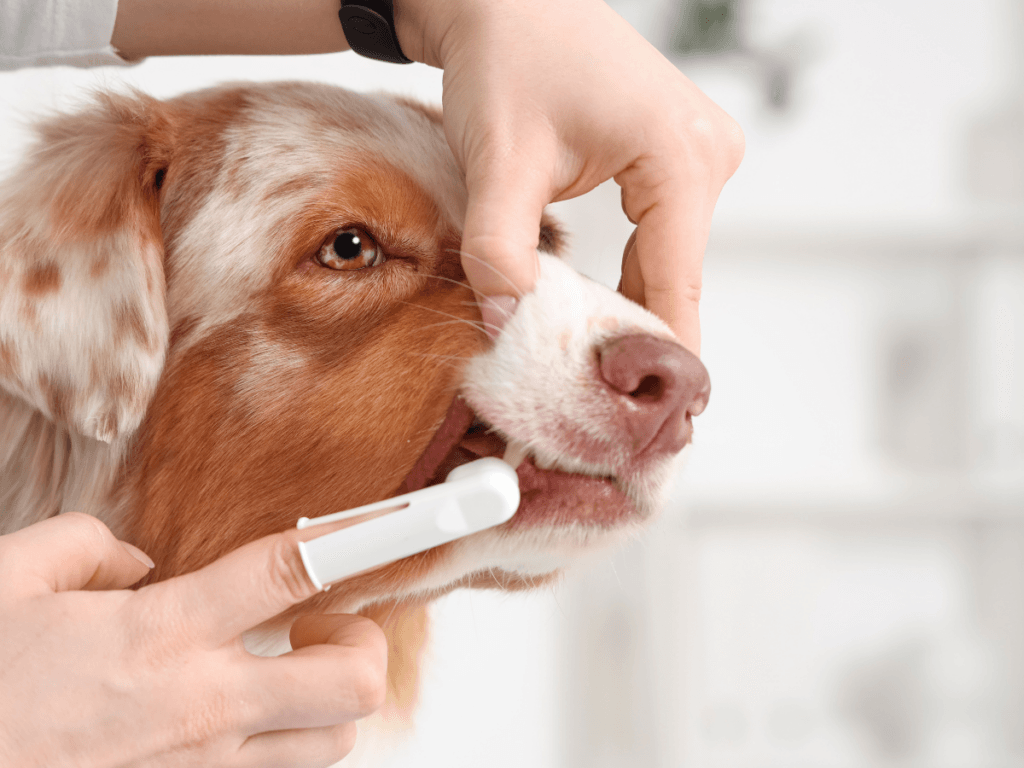
Choosing the right oral care products is an important part of maintaining your dog’s dental health. While there are countless pet dental products on the market, not all of them are equally effective or even safe for regular use.
Products designed specifically for dogs are the best choice because they are formulated to support canine dental health without using ingredients that may be harmful if swallowed.
A good oral care routine often combines several approaches, including brushing, dental chews, and regular veterinary evaluations. Each product serves a different purpose, and together they can help reduce plaque buildup, control tartar, and support healthier gums over time.
Why Dog-Specific Toothpaste Matters
One of the most important things pet owners should understand is that human toothpaste should never be used on dogs. Many human products contain ingredients like xylitol or fluoride concentrations that can be dangerous for pets.
Dog toothpaste is formulated to be safe for swallowing since dogs do not rinse and spit the way humans do. Many varieties also come in flavors such as poultry, peanut butter, or beef, which can make brushing easier and less stressful.
Veterinarian-recommended toothpastes often include enzyme-based formulas that help break down plaque and bacteria more effectively. These enzymes continue working after brushing, helping support dental health between cleanings.
Natural ingredient options are also widely available. Many pet owners prefer formulas that avoid harsh chemicals while still helping reduce odor and plaque buildup. Choosing a toothpaste designed specifically for canine use helps ensure both safety and effectiveness.
How Dental Chews Help Prevent Plaque And Tartar Build-Up
Dental chews are one of the most popular oral care products for dogs because they combine cleaning benefits with a rewarding chewing experience.
As dogs chew, the texture of the product helps scrape plaque from the surface of the teeth. Some chews are also formulated to reduce tartar accumulation over time when used consistently.
The design of the chew matters more than many owners realize. Effective dental chews are shaped and textured to encourage contact with the teeth and gums while remaining safe to chew. Products that splinter easily or break into sharp fragments should generally be avoided.
Veterinary dental organizations often approve certain products based on testing for plaque and tartar reduction. Looking for these recommendations can help narrow down safer and more effective options.
However, dental chews work best as part of a broader routine rather than serving as a replacement for brushing or veterinary care. While they can support dental health, they usually cannot remove hardened tartar below the gumline.
What To Look For In Dog Toothpaste
When selecting toothpaste for your dog, a few key features can make a noticeable difference in effectiveness and ease of use.
Enzyme-based formulas are often recommended because they help target bacteria and plaque naturally. These ingredients can improve cleaning efficiency even during shorter brushing sessions.
Flavor is another important factor. Dogs are far more likely to tolerate brushing when they enjoy the taste of the toothpaste. Finding a flavor your dog accepts can make it much easier to maintain a consistent dental health routine.
Texture also matters. Smooth formulas that spread easily across the teeth tend to work better during brushing and are often more comfortable for dogs.
It is also helpful to choose products with ingredients designed to freshen breath while supporting gum health. Some formulas include gentle antibacterial properties that help reduce odor-causing bacteria.
Building A Complete Oral Care Routine
The most effective dental health strategies usually combine multiple products rather than relying on a single solution.
Brushing remains the most reliable way to reduce plaque buildup before it hardens into tartar. Dental chews, water additives, oral rinses, and specialized diets can provide additional support between brushing sessions.
Regular veterinary dental exams are equally important because some problems develop beneath the gumline, where home products cannot reach.
By consistently combining preventive tools, owners can often reduce the risk of gum disease and more serious oral health problems later in life.
How Can Grooming Practices Enhance Dog Dental Health And Wellness?
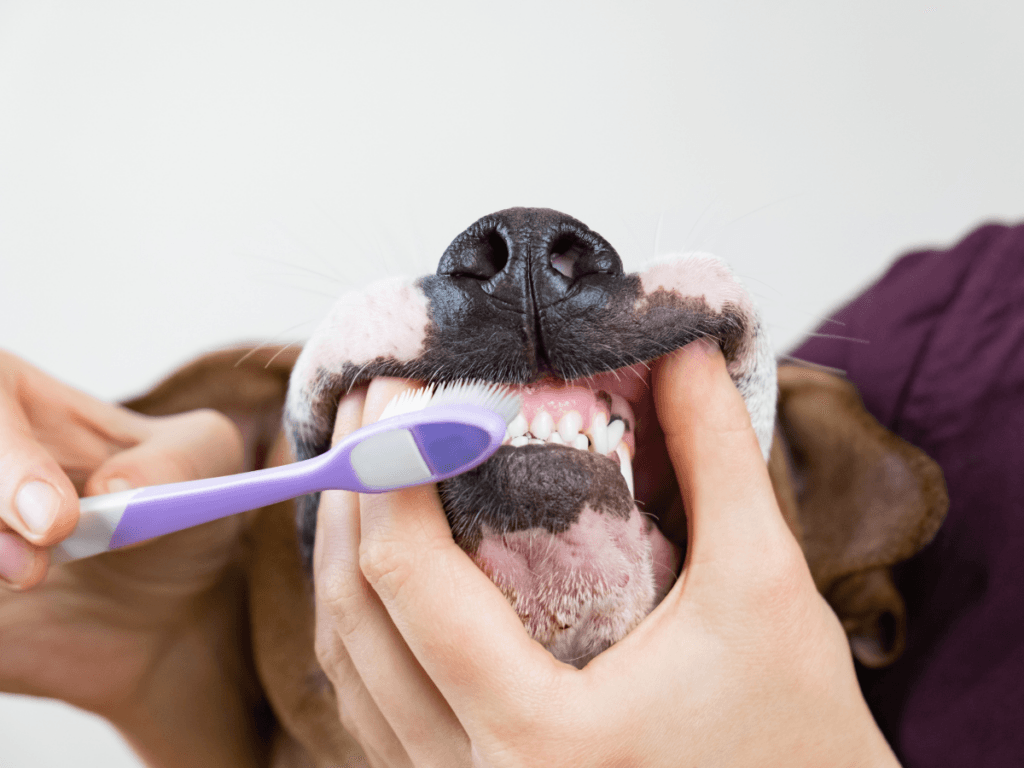
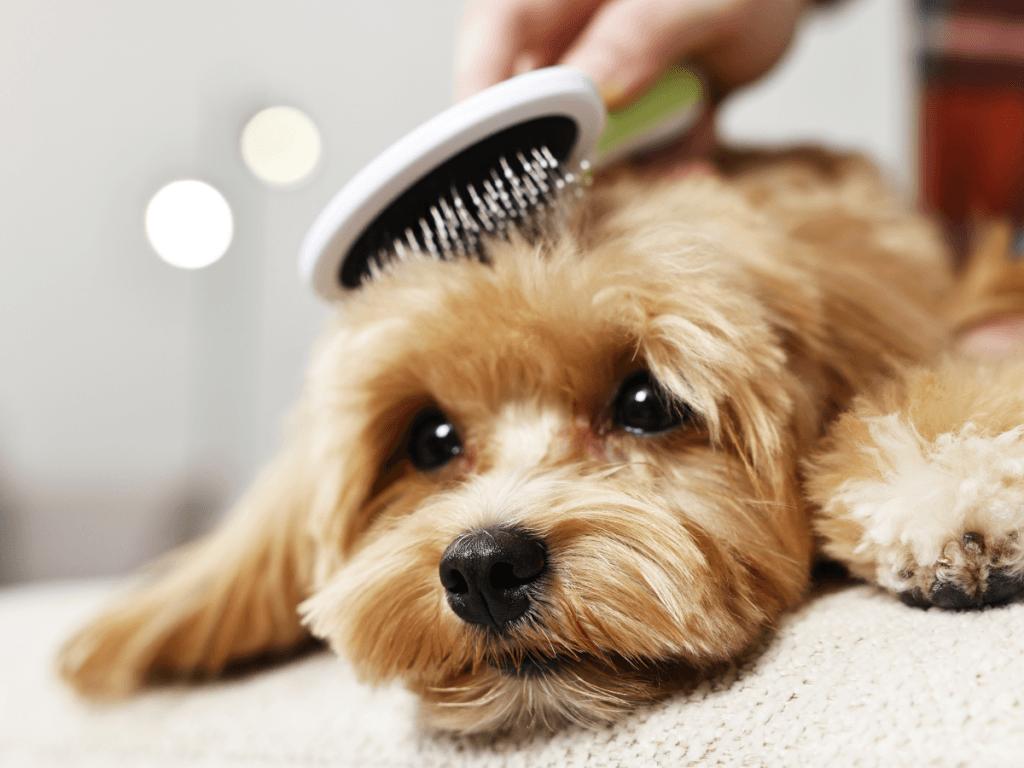
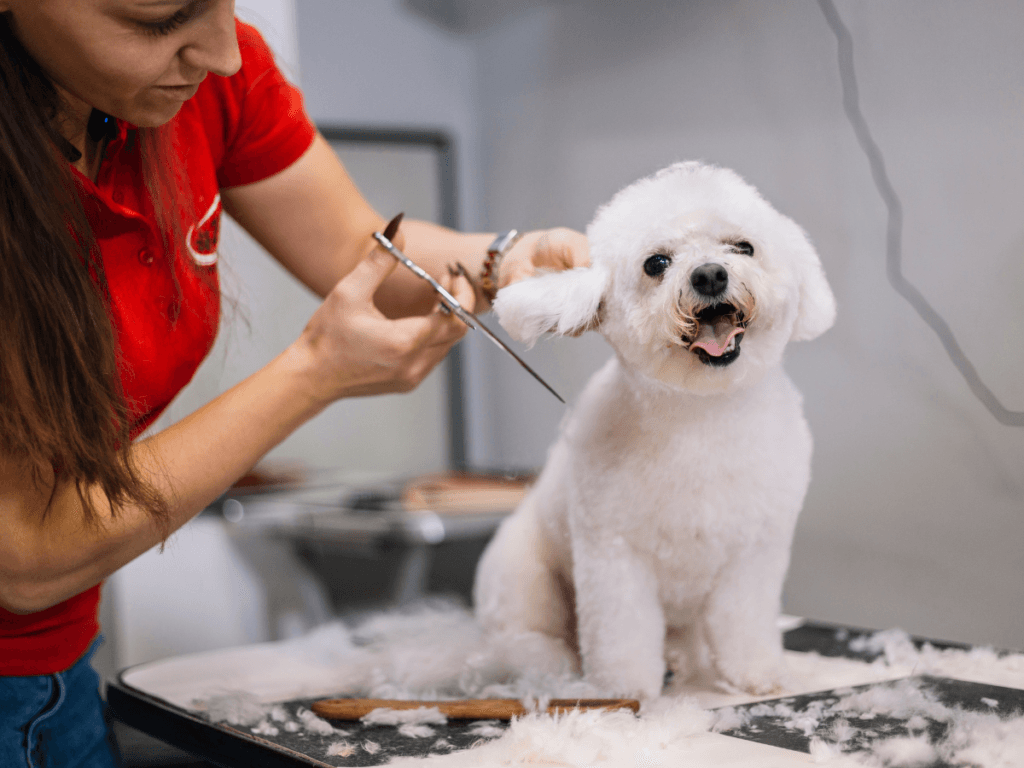
Grooming routines do more than keep your dog clean and comfortable. They also create valuable opportunities to support dental health and monitor for early signs of oral problems.
Because grooming already involves close physical interaction, it can become one of the easiest ways to make dental care feel familiar and less stressful for your dog.
Many dogs are more cooperative with oral care when it is introduced gradually as part of a predictable routine. Instead of treating tooth brushing as a separate task, combining it with regular grooming sessions can help normalize the experience and make it easier to maintain consistently over time.
This approach supports both dental health and overall wellness by encouraging routine observation, early problem detection, and steady preventive care.
What Role Does Regular Grooming Play In Oral Hygiene?
Routine grooming naturally gives pet owners a chance to inspect areas that might otherwise go unnoticed, including the mouth and gums.
During brushing, bathing, or nail trimming sessions, owners can quickly check for swollen gums, tartar buildup, broken teeth, unusual growths, or changes in breath odor. These small observations can help identify dental problems early, before they progress into more serious conditions.
Dogs often hide discomfort well, which means oral disease may develop gradually without obvious symptoms. Regular grooming sessions create repeated opportunities to notice subtle changes in behavior or appearance that could indicate dental issues.
Grooming also helps dogs become more comfortable with handling around the face and mouth. This familiarity can make tooth brushing, veterinary exams, and professional dental cleanings much less stressful over time.
How To Integrate Dental Care Into Routine Grooming Sessions
Adding dental care into an existing grooming routine usually works best when introduced slowly and consistently.
For dogs new to oral care, start by gently handling the muzzle and lifting the lips for a few seconds during grooming. Once the dog becomes comfortable, gradually introduce a toothbrush or finger brush along with dog-safe toothpaste.
Some owners choose to brush only a few teeth at first before working toward a more complete cleaning routine. Even short sessions can benefit dental health when performed consistently.
Dental sprays, gels, or water additives can also be incorporated during grooming sessions as supportive tools. These products are not replacements for brushing, but they may help reduce bacteria and freshen breath between cleanings.
Timing matters as well. Performing dental care at the same point during each grooming session helps create predictability, which many dogs respond to positively.
Creating A Low-Stress Dental Care Routine
Dogs are more likely to cooperate with dental care when the experience feels calm and rewarding rather than forced.
Short, positive sessions tend to be more effective than long or stressful attempts. Offering praise, treats, or gentle reassurance after brushing helps reinforce good behavior and builds a more positive association with oral care.
For anxious or resistant dogs, gradual exposure often works better than trying to complete a full brushing session immediately. Some dogs may need several weeks to become fully comfortable with regular dental handling.
Consistency is especially important. Repeating the same routine regularly helps dogs understand what to expect and can reduce anxiety around grooming and dental care alike.
Owners should also pay attention to signs of discomfort during brushing or mouth checks. Pulling away, whining, or sudden resistance may indicate underlying dental pain that should be evaluated by a veterinarian.
Why Grooming Supports Long-Term Dental Health
Combining grooming and dental care encourages preventive habits that are easier to maintain over time. Instead of viewing oral hygiene as an occasional task, it becomes part of an overall wellness routine.
This consistency can help reduce plaque buildup, identify problems earlier, and improve long-term dental health outcomes. It also helps owners stay more familiar with what is normal for their dog, making unusual changes easier to spot quickly.
Dogs that receive regular grooming and oral care often tolerate veterinary dental exams more comfortably as well, since they are already accustomed to having their mouth handled.
What Are Common Myths About Dog Dental Health, and How To Bust Them?
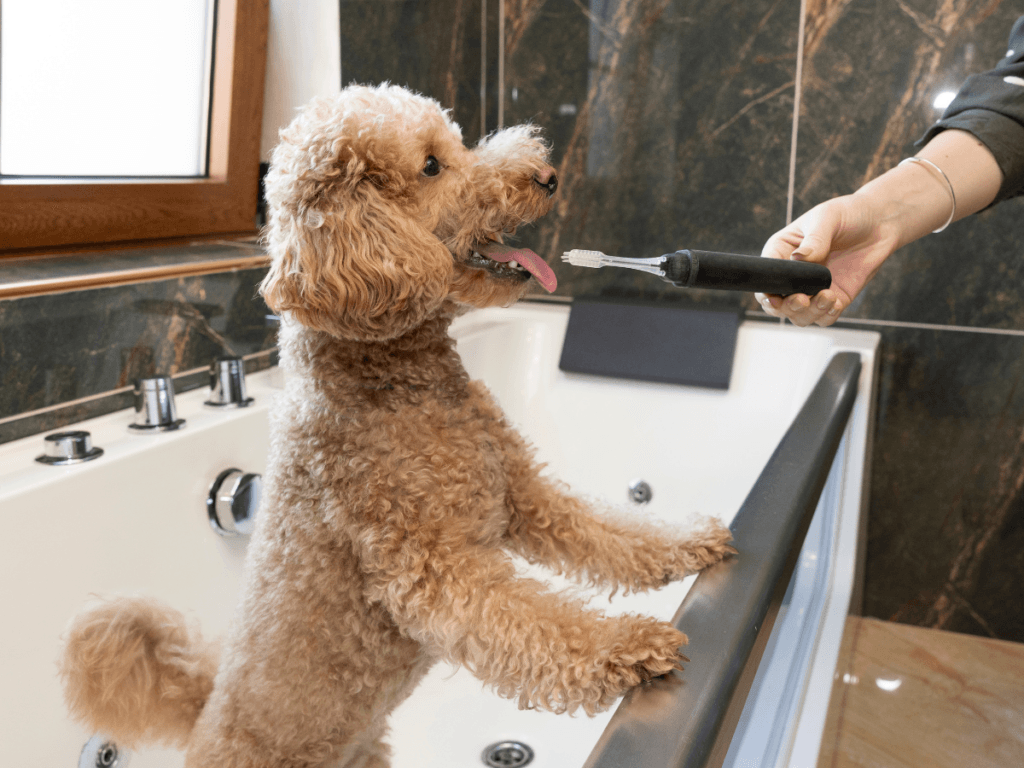
There is a surprising amount of misinformation surrounding canine dental care. Many pet owners assume certain symptoms are harmless or believe a few occasional treats and chews are enough to maintain good oral hygiene. Unfortunately, these misconceptions can allow dental disease to progress unnoticed.
Understanding the truth behind common myths can help owners make better decisions about preventive care and protect their dog’s long-term dental health. Like humans, dogs benefit from consistent oral hygiene, regular evaluations, and early treatment when problems arise.
Is Bad Breath Normal In Dogs?
One of the most common myths is that bad breath is simply part of owning a dog. While dogs naturally have some odor in their mouths, persistent foul breath is usually not normal.
Chronic bad breath, also called halitosis, is often one of the earliest signs of dental disease. Plaque and bacteria buildup along the teeth and gums can create strong odors that gradually worsen over time. Infections, decaying teeth, and inflamed gums are all common causes.
In some cases, unusually strong breath may also point to broader health concerns beyond dental health, including digestive or metabolic issues. This is why sudden or severe changes in breath odor should not be ignored.
Regular brushing, dental cleanings, and veterinary evaluations can often improve bad breath significantly by addressing the underlying cause rather than masking it temporarily.
Can Natural Chews Replace Brushing?
Another common misunderstanding is that dental chews alone provide complete oral care. While many natural chews and dental treats can help reduce plaque buildup, they do not fully replace brushing.
Chewing creates mechanical friction that may remove some debris from the surface of the teeth, particularly on larger chewing teeth near the back of the mouth. However, chews usually cannot clean all tooth surfaces evenly, especially along the gumline where periodontal disease often begins.
Brushing remains the most reliable way to remove plaque consistently and support long-term dental health. Dental chews work best as a supplement to brushing rather than as a substitute.
It is also important to choose chews carefully. Products that are too hard may crack teeth, while poorly designed chews may not provide meaningful cleaning benefits at all.
Do Dogs Only Need Dental Care When Problems Appear?
Many owners wait until they notice symptoms like bad breath, bleeding gums, or difficulty eating before addressing oral care. By that point, dental disease may already be fairly advanced.
One of the challenges with canine dental health is that dogs often hide pain well. Significant gum disease or tooth damage can develop long before obvious signs appear.
Preventive care is far more effective than waiting for visible problems to emerge. Regular brushing, routine mouth checks, and veterinary dental exams help identify concerns earlier when treatment is usually simpler and less invasive.
Consistent preventive care also helps reduce the likelihood of costly procedures or extractions later in life.
Are Professional Dental Cleanings Unnecessary?
Some pet owners believe at-home care alone is enough to maintain healthy teeth forever. While brushing and dental products are extremely important, professional veterinary cleanings still play a major role in oral health.
Plaque and tartar often accumulate below the gumline where toothbrushes cannot fully reach. Professional cleanings allow veterinarians to remove buildup in these hidden areas and evaluate for underlying infections, damaged teeth, or bone loss.
Dental X-rays are also commonly used during professional exams to identify issues that are invisible during surface inspections.
Combining home care with professional cleanings typically provides the strongest long-term protection for dental health.
Why Dental Health Deserves More Attention
Because oral disease can affect comfort, eating habits, and even overall wellness, dental health should be viewed as an essential part of routine preventive care rather than an optional extra.
Untreated dental problems may contribute to inflammation and bacterial spread throughout the body, potentially affecting organs such as the heart, kidneys, and liver over time.
Good oral care supports not only healthier teeth and gums but also better overall quality of life.
How To Monitor And Maintain Long-Term Dog Dental Wellness
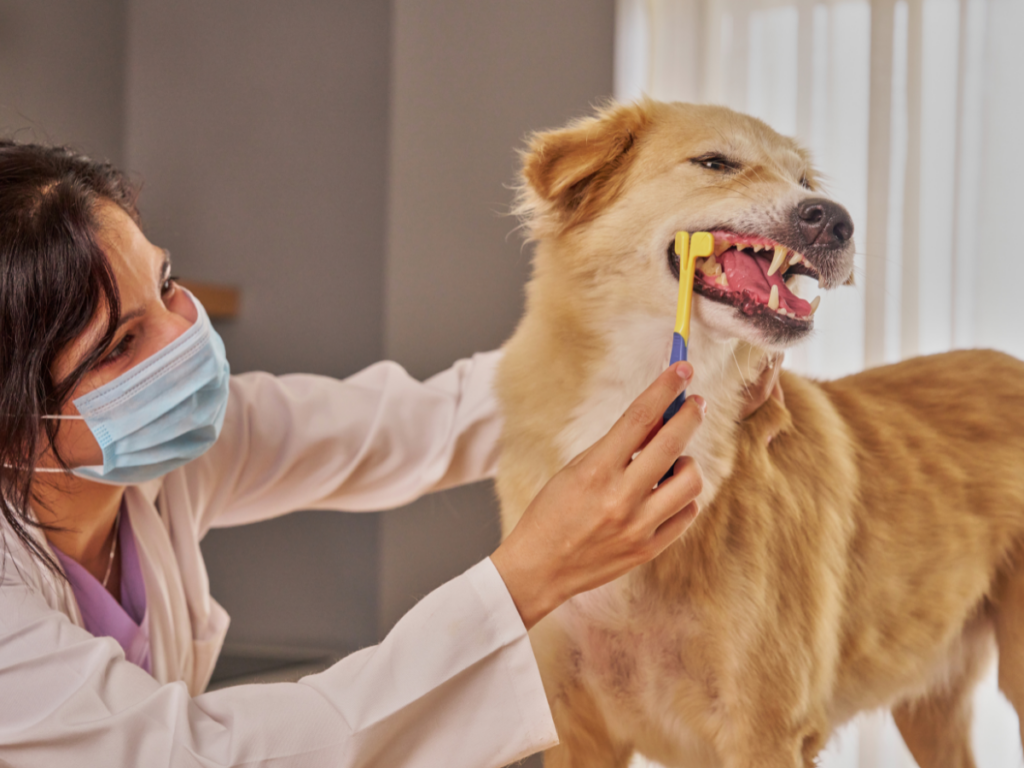
Good dental health is not something that can be maintained with occasional care alone. Long-term oral wellness depends on consistency, regular observation, and early intervention when changes appear.
Many dental problems develop gradually, which means subtle warning signs are often present long before serious symptoms become obvious.
By building simple monitoring habits into your routine, you can catch potential issues earlier and help your dog avoid unnecessary discomfort or more advanced dental disease later on.
Long-term dental health also becomes much easier to manage when owners track patterns over time rather than relying on isolated observations.
What Are Key Indicators To Track Over Time?
Monitoring your dog’s mouth regularly does not need to be complicated. A few basic observations can provide valuable insight into changes in dental health.
Gum color is one of the most important indicators. Healthy gums are generally pink and firm. Redness, swelling, bleeding, or pale areas may suggest inflammation or other underlying problems.
Breath odor is another useful sign to track consistently. While a mild odor is common, sudden or worsening bad breath often points to plaque buildup, infection, or gum disease. Changes that develop gradually can sometimes go unnoticed unless owners intentionally monitor them over time.
Eating behavior can also reveal developing oral discomfort. Dogs with dental pain may chew more slowly, avoid hard food, favor one side of the mouth, or lose interest in chewing toys they previously enjoyed.
Watching for tartar buildup along the gumline is equally important. Yellow or brown deposits that continue thickening over time can eventually contribute to gum irritation and periodontal disease.
Even behavioral changes can sometimes signal dental discomfort. Some dogs become more withdrawn, irritable, or less playful when chronic oral pain develops.
Why Keeping Records Can Be Helpful
One simple but often overlooked strategy is keeping brief notes about your dog’s dental health over time.
Recording observations such as gum appearance, breath changes, eating habits, bleeding, or brushing tolerance can help reveal gradual patterns that might otherwise be missed. What seems minor in the moment may become more meaningful when viewed across several months.
These records can also help veterinarians make more informed decisions during dental exams. For example, repeated notes about worsening breath odor or increasing sensitivity during brushing may indicate the need for earlier intervention or more frequent professional cleanings.
A simple notebook, phone note, or calendar reminder system is usually enough to track changes effectively.
How Often Should Veterinary Dental Evaluations Occur?
Professional veterinary evaluations remain an essential part of maintaining dental health long-term. Even with consistent home care, many dental problems develop beneath the gumline where they cannot easily be seen during routine brushing or mouth checks.
Most dogs benefit from at least one dental evaluation each year, although some dogs require more frequent monitoring depending on their breed, age, and dental history.
Smaller breeds often develop plaque and tartar more quickly because of crowded teeth, while older dogs may be more vulnerable to advanced gum disease and tooth loss. Dogs with previous dental issues may also need shorter intervals between cleanings and evaluations.
During veterinary exams, professionals can assess areas that are difficult to inspect at home and identify problems before they progress further.
How Consistent Routines Support Better Dental Health
Long-term dental wellness is usually the result of small habits performed consistently rather than occasional intensive care.
Routine brushing, regular mouth checks, appropriate dental products, and scheduled veterinary exams all work together to reduce plaque buildup and support healthier gums and teeth.
Creating predictable routines also helps dogs become more comfortable with oral handling over time, making brushing and professional exams less stressful.
The goal is not perfection but consistency. Even modest daily or weekly habits can significantly improve dental health outcomes when maintained over the years.
Frequently Asked Questions About Dog Dental Health
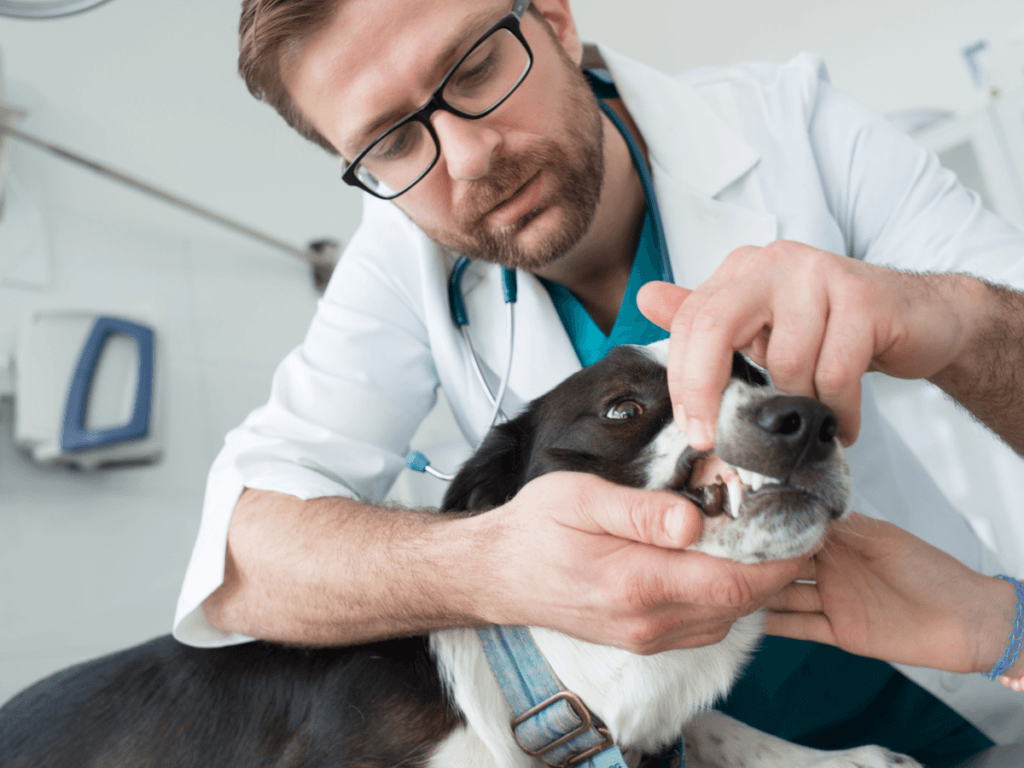
What Are the Consequences of Neglecting My Dog’s Dental Health?
Ignoring routine dental care can lead to far more than bad breath or tartar buildup. Over time, untreated plaque and gum inflammation can progress into periodontal disease, which is one of the most common health issues in dogs. As the condition worsens, it may result in loose teeth, painful infections, difficulty eating, and permanent tooth loss.
Poor dental health can also affect the rest of the body. Harmful oral bacteria may enter the bloodstream through inflamed gums and contribute to problems involving the heart, kidneys, and liver.
Chronic inflammation linked to dental disease can reduce overall quality of life and may complicate other medical conditions as dogs age. Consistent brushing, routine veterinary exams, and early treatment help reduce these risks and support long-term dental health.
How Can I Tell If My Dog Is in Dental Pain?
Dogs often hide discomfort surprisingly well, so dental pain may first appear through subtle behavioral changes rather than obvious symptoms.
Common warning signs include reluctance to eat, chewing on one side of the mouth, dropping food while eating, excessive drooling, or pawing at the face. Some dogs become less interested in chew toys or appear unusually irritable during meals or grooming.
Changes in grooming habits can also signal oral discomfort. A dog experiencing mouth pain may resist having its face touched or become withdrawn during routine handling.
Because these symptoms can gradually worsen over time, regular mouth checks and veterinary evaluations are important for identifying problems early and protecting overall dental health.
Are Certain Dog Breeds More Prone to Dental Problems?
Yes, some breeds are naturally more vulnerable to dental disease due to the structure and spacing of their teeth.
Small breeds such as Chihuahuas, Yorkshire Terriers, and Dachshunds often experience plaque buildup more quickly because their teeth are crowded into smaller jaws. This crowding creates areas where bacteria and tartar accumulate more easily.
Brachycephalic breeds, including Bulldogs, Pugs, and Shih Tzus, can also develop dental challenges because of their shortened facial structure. Misaligned teeth and tighter spacing may increase the likelihood of gum irritation and trapped debris.
These dogs often benefit from earlier and more consistent preventive care, including regular brushing and professional cleanings.
What Should I Do If My Dog Has Bad Breath?
Occasional mild odor may not be unusual, but persistent bad breath is often a sign of an underlying dental issue rather than something normal.
Strong odor commonly develops alongside plaque buildup, gum disease, or oral infection. In some cases, bad breath may also point to broader health concerns that require veterinary attention.
If your dog’s breath suddenly worsens or remains consistently unpleasant, schedule a veterinary dental exam. While waiting for the appointment, maintaining a brushing routine and offering vet-approved dental chews may help manage plaque buildup, but these steps should not replace professional evaluation and treatment.
Can I Use Human Toothpaste for My Dog?
Human toothpaste should never be used for dogs. Many formulas contain ingredients such as xylitol, fluoride, or foaming agents that can be harmful or toxic when swallowed.
Dog-specific toothpaste is designed to be safely ingested and formulated for canine dental health. These products often come in flavors like poultry or peanut butter, which can make brushing easier and less stressful for dogs.
Using the correct toothpaste also helps create a safer and more effective brushing routine over time.
How Can I Help My Dog Accept Tooth Brushing?
Introducing brushing gradually usually works better than trying to force a full routine immediately.
Start by letting your dog become familiar with the toothbrush and toothpaste before attempting longer sessions. Begin with short interactions, brushing only a few teeth while rewarding calm behavior with praise or treats.
As your dog becomes more comfortable, slowly increase the length of brushing sessions. Consistency matters more than perfection. Even brief, regular brushing sessions contribute significantly to better dental health over time.
Creating a predictable routine also helps reduce stress and makes brushing feel like a normal part of daily care.
Are Natural Remedies Enough for Dog Dental Health?
Some natural options may support oral hygiene, but they should be viewed as supplemental rather than complete replacements for proper dental care.
Crunchy vegetables like carrots may provide mild mechanical cleaning during chewing, while herbs such as parsley or mint are sometimes used to freshen breath temporarily. Certain natural chews may also help reduce plaque buildup when used appropriately.
However, these approaches cannot fully replace brushing, professional cleanings, or veterinary dental evaluations. The most effective dental health routine combines home care, preventive products, and regular professional oversight to protect your dog’s long-term oral wellness.
Conclusion
Your dog’s dental health is far more than a cosmetic concern, it’s a critical component of their overall wellness that directly impacts their heart, kidneys, liver, and quality of life.
For owners seeking comprehensive care or aspiring professionals ready to turn their passion for dogs into a rewarding career, OTCK9 Academy provides expert services for pets and professional certification programs that teach you how to care for them.
Ready to prioritize your dog’s complete health or build a career in pet care? Call 770-874-1803 or fill out our online form for a free consultation today. Let the experienced team at OTCK9 Academy help you and your furry family member thrive.