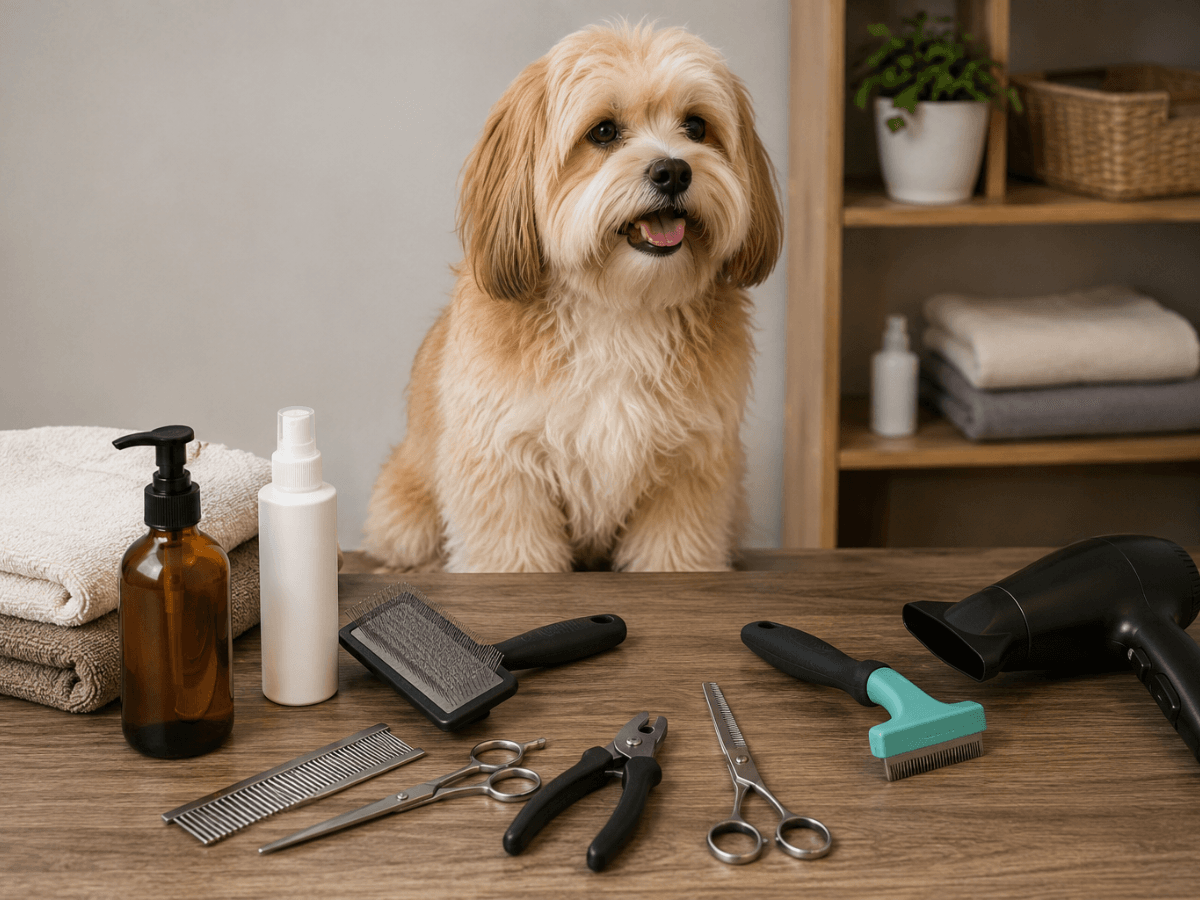
Good grooming starts with more than just technique. It depends on having the right tools for the job. From brushing and bathing to trimming and drying, each step requires equipment designed to keep dogs comfortable while helping you work safely and effectively.
Your essential dog grooming tools play a major role in coat health, hygiene, and overall grooming results. Brushes, clippers, shears, dryers, and nail care tools all serve different purposes depending on a dog’s breed, coat type, and grooming needs.
Using the wrong equipment can make the process more difficult for both the groomer and the dog. With the right setup and techniques, grooming becomes more efficient, less stressful, and far more effective at maintaining a healthy, well-kept coat.
Building a Grooming Tools List for Easier At-Home Care
What Are the Must-Have Dog Grooming Kit Essentials for Beginners?
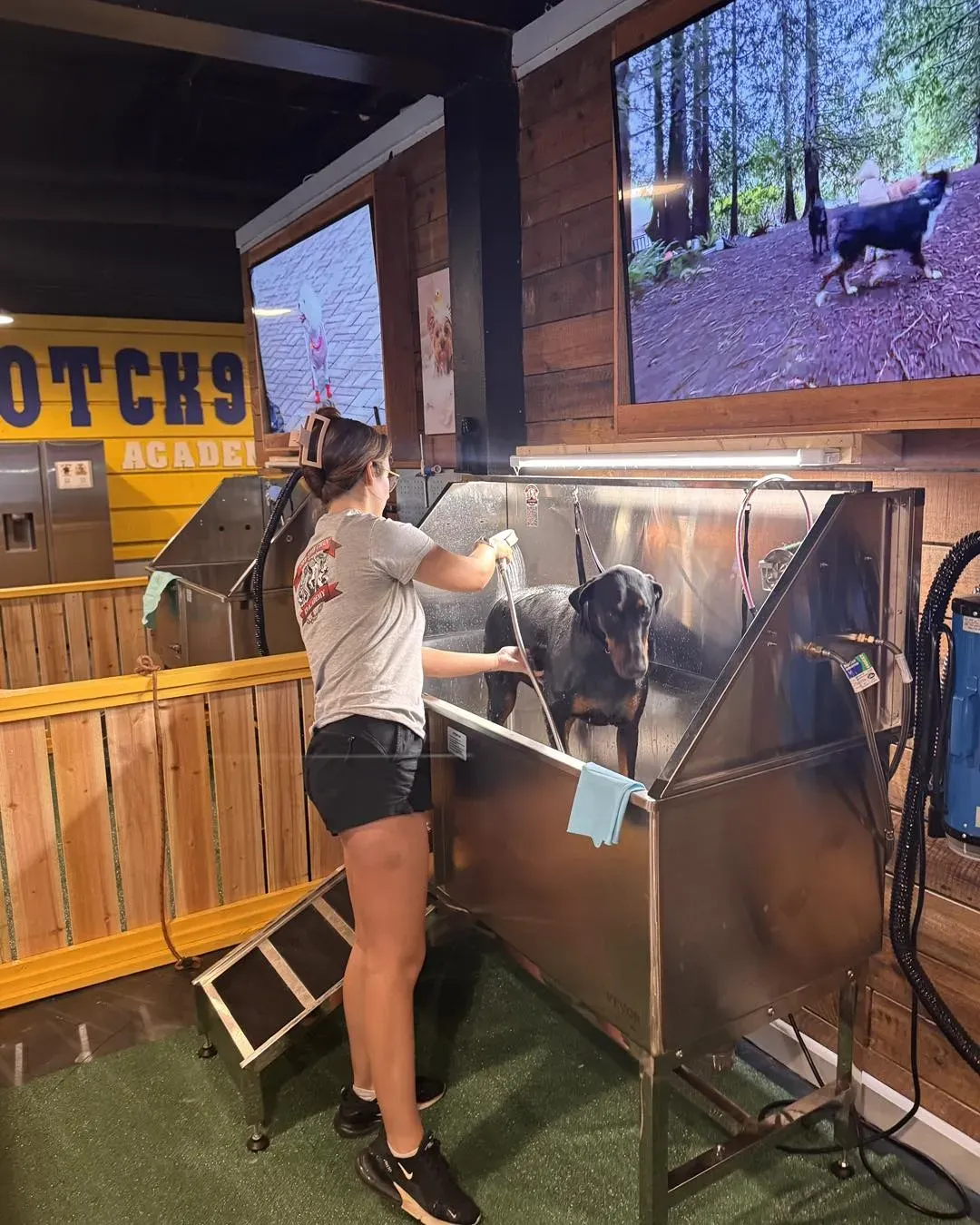
Starting an at-home grooming routine can feel overwhelming at first, especially with the number of products and tools available.
The good news is that beginners do not need a professional setup to keep their dog clean, comfortable, and well-maintained. A simple kit with a few reliable basics is enough to handle regular grooming tasks safely at home.
A practical grooming tools list should focus on everyday maintenance rather than specialty equipment. The goal is to create a routine that keeps your dog comfortable between professional grooming appointments while helping you build confidence over time.
Choosing The Right Clippers And Scissors
Clippers are one of the most important tools in any beginner grooming kit. They help maintain coat length, clean up overgrown fur, and make regular grooming easier for dogs with fast-growing coats.
Cordless clippers are popular for home use because they are lightweight and easier to maneuver, while corded models typically provide more consistent power during longer grooming sessions.
When selecting clippers, it helps to consider your dog’s coat type. Thick double coats often require stronger motors and different blade attachments than fine or silky coats. Noise level also matters, especially for nervous dogs that may react to loud vibrations.
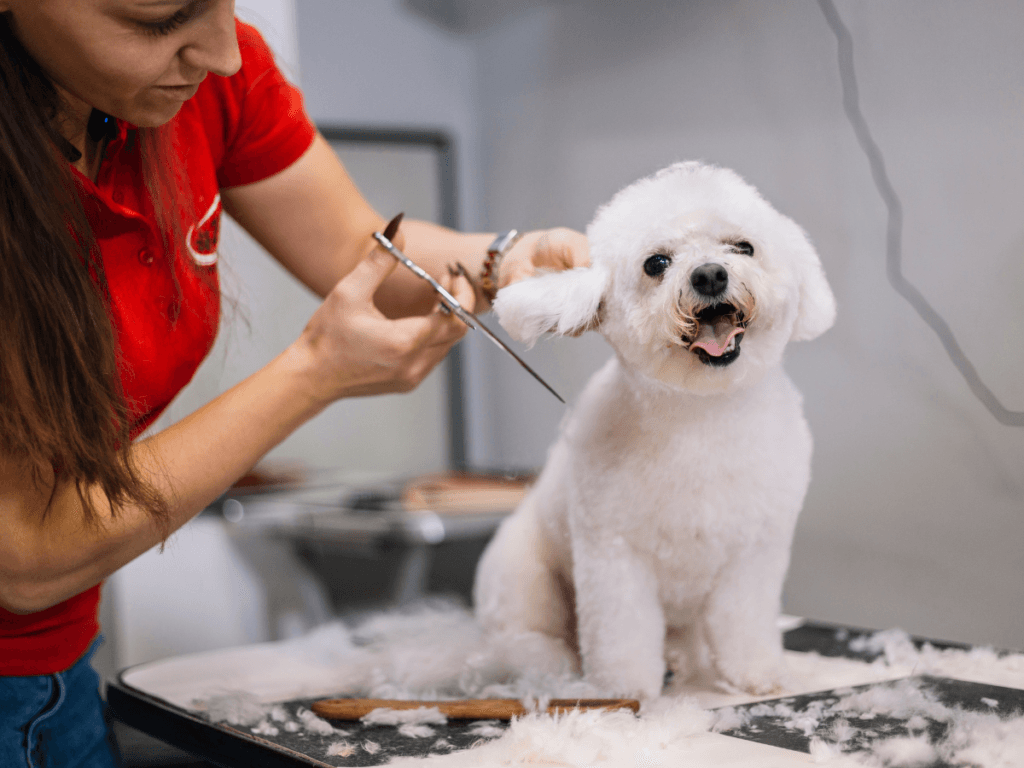
Grooming scissors are equally important for detail work. Straight scissors work well for general trimming, while curved scissors help shape areas like the paws and face more naturally.
Thinning shears are useful for blending uneven sections and reducing bulk without leaving harsh lines. Beginners should focus on comfort and control when choosing scissors, since ergonomic handles can reduce hand fatigue during longer sessions.
Brushes And Combs For Coat Maintenance
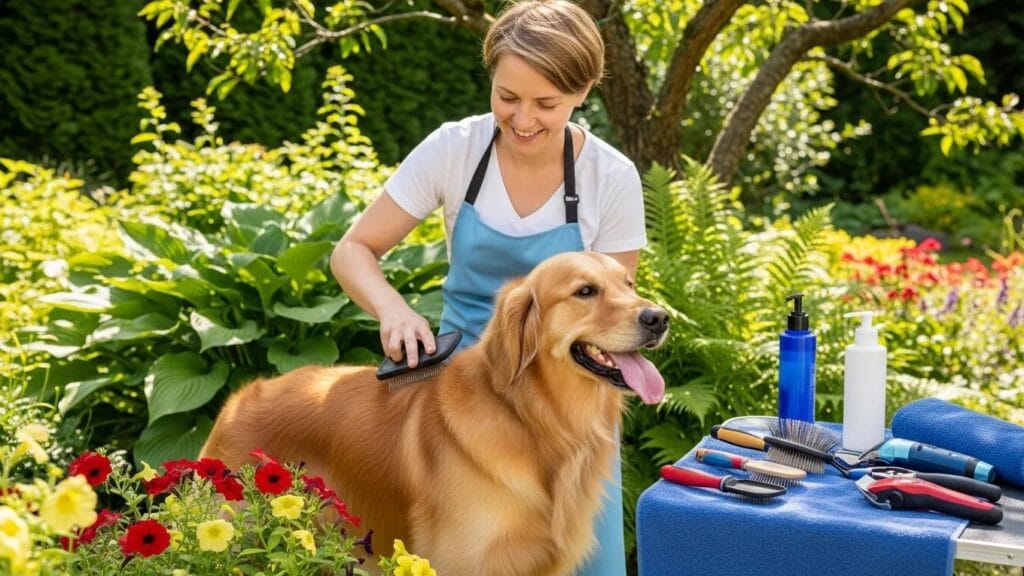
Brushing is often the foundation of a healthy grooming routine. Different coats require different brushes, so choosing the right one can make grooming much easier for both you and your dog.
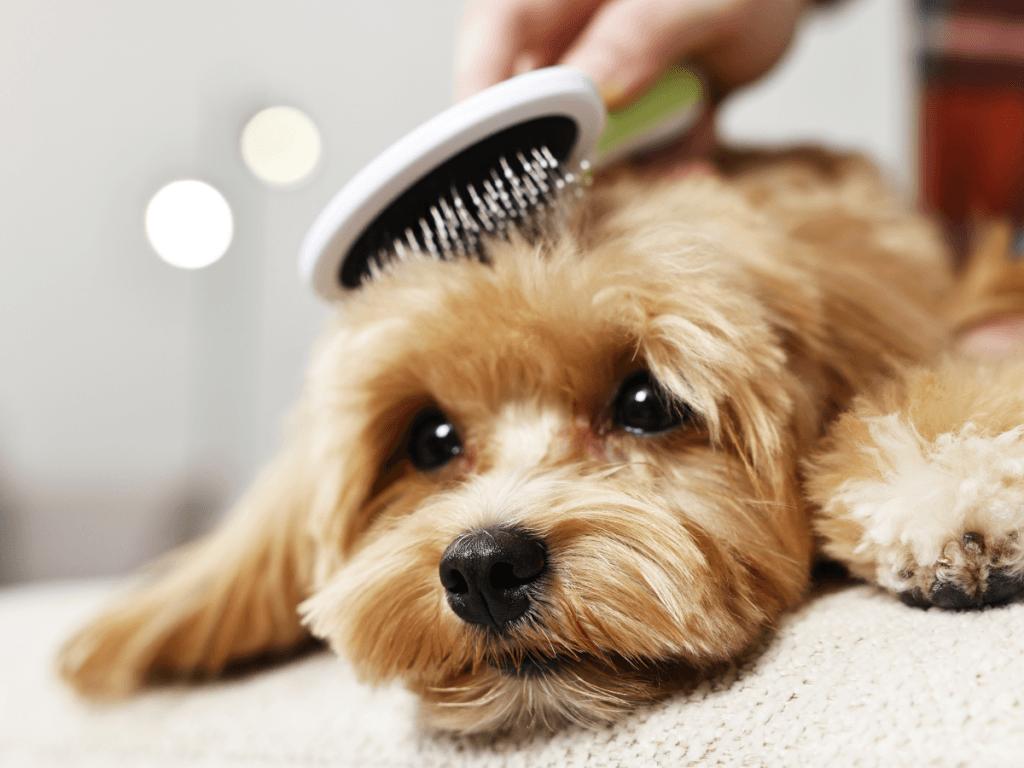
Slicker brushes are commonly used for long-haired breeds because they help remove loose fur and tangles without pulling too aggressively. Bristle brushes are gentler and better suited for short-haired dogs. A basic metal comb is also useful for checking hidden mats around sensitive areas like the ears, legs, and tail.
A well-rounded grooming tools list should always include both a brush and a comb. Together, they help keep the coat cleaner, reduce shedding, and allow you to spot skin irritation or debris before it becomes a bigger problem.
Nail And Ear Care Essentials
Nail care is one of the most overlooked parts of grooming, but it plays a major role in your dog’s comfort and mobility. Overgrown nails can affect posture and lead to discomfort during walking.
Beginners can choose between traditional nail clippers and grinders. Clippers work quickly, while grinders smooth sharp edges and allow for more gradual trimming. Dogs with dark nails may require extra caution since the quick is harder to see. Keeping styptic powder nearby can help stop bleeding if a nail is trimmed too short.
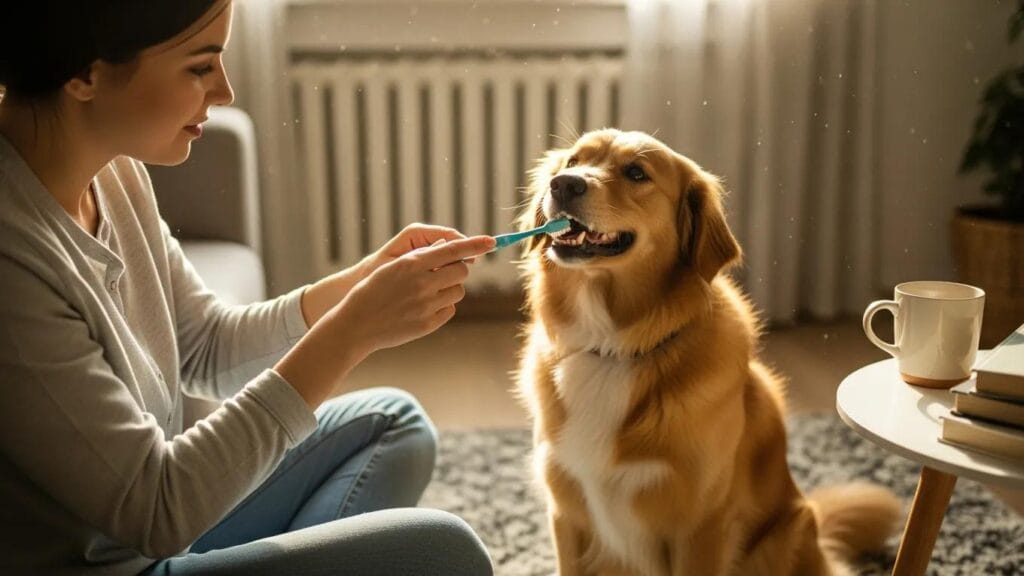
Ear care tools are another essential addition to a beginner kit. A gentle ear-cleaning solution and soft cotton pads can help remove buildup and reduce irritation. It is important to avoid inserting anything deep into the ear canal. Regular checks can also help you notice redness, odor, or excessive scratching early.
Helpful Extras For A Safer Grooming Routine
Once you have the basics covered, a few additional items can make home grooming easier and safer. Non-slip mats help dogs feel more stable during grooming sessions, especially on countertops or smooth floors. Grooming loops or restraints can also reduce sudden movement when used properly and under supervision.
Dog-safe shampoo, absorbent towels, and a small supply of treats can also improve the experience. Treats are especially helpful for nervous dogs because they create positive associations with grooming sessions.
Building Confidence With The Right Tools
The best beginner grooming setup is not necessarily the largest or most expensive one. A simple collection of quality tools that match your dog’s coat and temperament will be more useful than buying every grooming product available.
As you gain experience, you can gradually expand your grooming tools list with specialty brushes, de-shedding tools, or finishing products. Starting with the basics allows you to focus on building a calm, consistent routine that keeps your dog healthy, clean, and comfortable at home.
Which Professional Dog Grooming Tools Are Recommended By Experts?
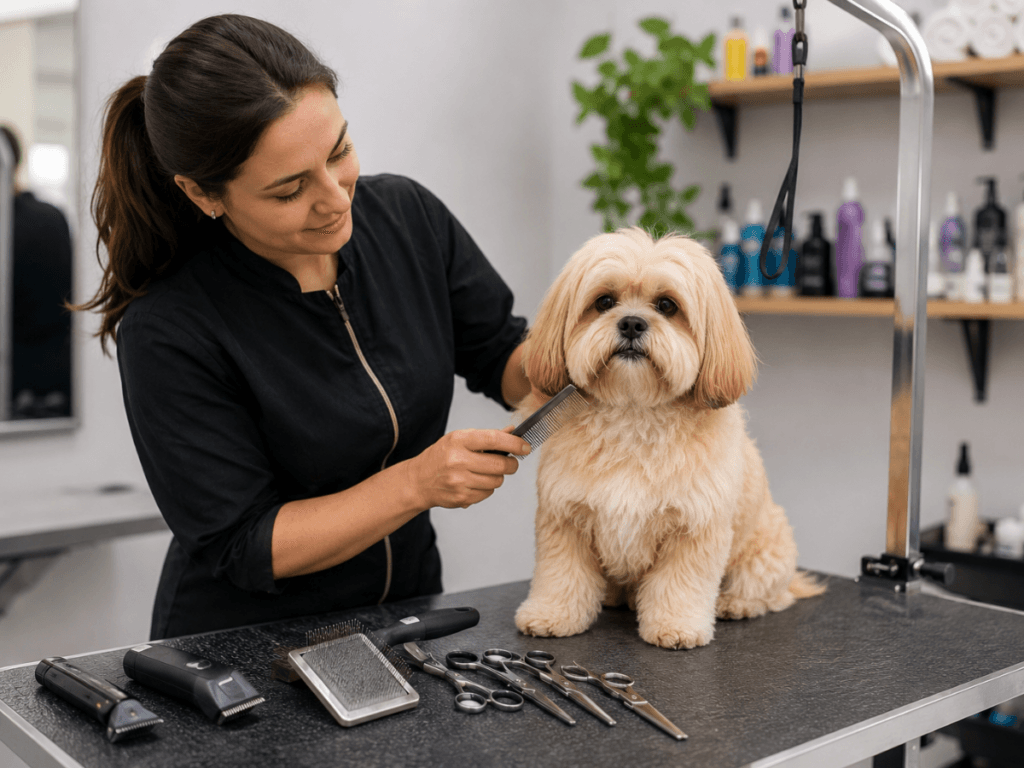
As grooming skills improve, many dog owners begin upgrading from basic starter tools to more professional equipment.
High-quality grooming tools can make the process faster, more comfortable for the dog, and easier on the groomer’s hands and wrists. While beginners do not need a salon-level setup right away, investing in reliable tools can improve grooming results over time.
A professional grooming tools list usually focuses on durability, comfort, and performance. Groomers rely on equipment that can handle repeated use while delivering consistent results across different coat types and grooming tasks.
Choosing Professional Clippers And Shears
Clippers are often considered the foundation of professional grooming equipment. Trusted brands such as Andis and Wahl are popular because they offer reliable cutting power and durable construction. Professional clippers are designed to handle thick coats, reduce pulling, and maintain steady performance during longer grooming sessions.
When selecting clippers, experienced groomers often consider motor strength, noise level, and blade compatibility. Dogs that are nervous around sound may respond better to quieter models, while dense double coats usually require stronger motors and sharper blades.
Shears are equally important for detailed finishing work. Ergonomic grooming scissors are designed to reduce hand strain, especially during repetitive trimming.
Straight shears help with general shaping, curved shears follow natural contours around the face and feet, and thinning shears soften harsh lines while blending the coat naturally.
A well-rounded grooming tools list should include a combination of clippers and shears that match both the dog’s coat type and the groomer’s comfort level.
De-Shedding Tools And Specialty Equipment
Professional groomers often rely on de-shedding tools to manage loose undercoat and seasonal shedding. Tools like the Furminator are commonly used for heavy shedders because they help remove trapped undercoat without cutting the topcoat excessively.
Used correctly, de-shedding tools can reduce loose fur around the home while improving coat appearance and airflow through the coat itself. Groomers typically recommend shorter, gentler sessions instead of aggressive brushing, especially during peak shedding seasons.
Other specialty tools may include grooming loops, non-slip mats, and grooming tables that improve safety and control during grooming sessions. While these items may seem simple, they can make the experience easier for both the groomer and the dog.
How Professional Groomers Maintain Their Equipment
Professional groomers know that even expensive tools perform poorly without regular maintenance. Keeping equipment clean and properly serviced helps extend its lifespan while improving safety and efficiency.
After each grooming session, hair and debris should be removed from clippers, brushes, and scissors. Clippers also need regular blade oiling to reduce friction and prevent overheating. Neglecting basic maintenance can lead to dull blades, uneven cutting, and discomfort for the dog.
Many professionals rotate their tools throughout the day to avoid overworking a single set of blades or clippers. They also keep spare blades available in case the equipment overheats or becomes dull during a grooming appointment.
Storage matters as well. Grooming tools should be kept dry and protected from moisture to prevent rust and corrosion. Shears are often stored in protective cases to preserve sharp cutting edges and avoid accidental damage.
Best Practices For Cleaning And Sharpening Tools
Sharp tools are safer and more effective than dull ones. Clippers and scissors that lose their edge tend to pull the coat rather than cut cleanly, which can make grooming uncomfortable for dogs.
Professional groomers typically follow a regular sharpening schedule based on how often the tools are used. Scissors may need sharpening every few months with regular use, while clippers often require servicing every six to twelve months, depending on workload.
It is also important to inspect tools regularly for loose screws, damaged blades, or unusual noise during operation. Small issues caught early can prevent more expensive repairs later.
Knowing When To Replace Grooming Equipment
Even high-quality equipment eventually wears out. Clippers that overheat frequently, scissors that no longer hold an edge, or nail trimmers with dull blades should be replaced before they affect grooming quality or safety.
Building a professional grooming tools list takes time, and not every tool needs to be purchased at once. Starting with reliable basics and maintaining them properly allows groomers to gradually expand their setup while keeping dogs comfortable and well cared for throughout the grooming process.
What Are Essential Grooming Safety Tips to Protect Your Dog and Yourself?
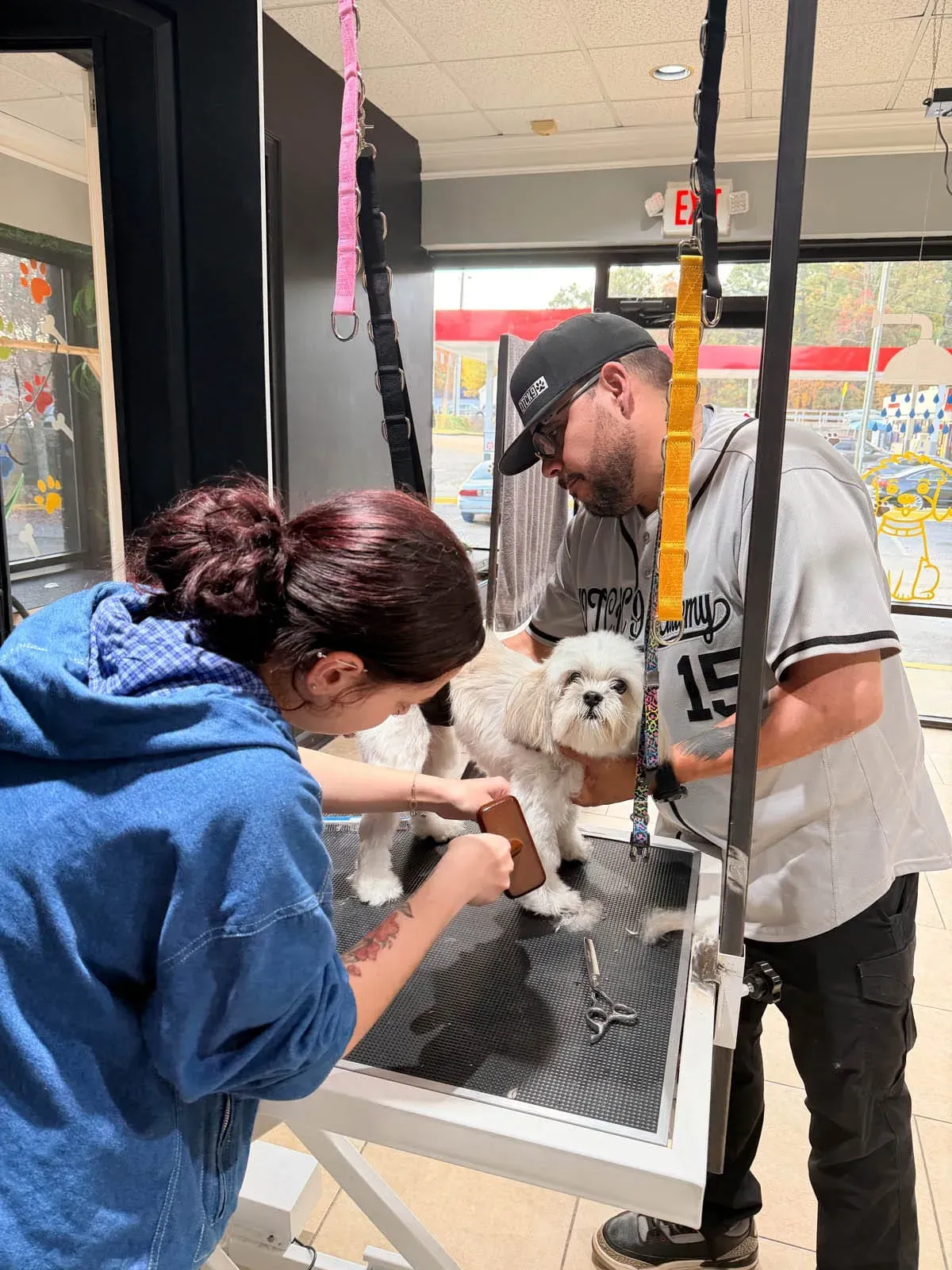
Safety should always come first during any grooming session, whether you are brushing your dog at home or attempting more detailed trimming and nail care. Grooming can be a positive bonding experience, but it also involves sharp tools, electrical equipment, and close handling that require patience and attention.
A well-planned grooming routine helps reduce stress for both you and your dog. Using the right setup, staying calm, and understanding your dog’s comfort level can make grooming safer and much more manageable over time.
Creating A Safe Grooming Environment
Before using any tools, it helps to prepare a clean and organized grooming space. Good lighting is essential because it allows you to see sensitive areas clearly, especially around the paws, ears, and face. A non-slip mat or stable grooming surface also helps prevent slipping and sudden movements.
Many pet owners include grooming loops or restraints in their grooming tools list because they help keep dogs steady during brushing or trimming. When used properly and comfortably, these restraints reduce the chance of sudden jumps or movements that could lead to accidental cuts.
It is also important to keep electrical cords, liquids, and sharp tools organized and out of the way. Clippers should always be unplugged before changing blades, and scissors should remain closed when not in use.
Understanding Your Dog’s Body Language
One of the most overlooked parts of safe grooming is learning how to recognize stress signals. Dogs often communicate discomfort through body language long before they become reactive.
Signs of stress can include panting, lip licking, shaking, pulling away, or sudden stiffness. If your dog seems anxious, it is usually better to pause and allow them to relax before continuing. Trying to rush through a stressful grooming session often increases the risk of injury for both the dog and the groomer.
Short, positive grooming sessions are especially helpful for beginners. Many dogs build confidence gradually, so starting slowly can make future grooming much easier.
Using Scissors And Clippers Safely
Scissors and clippers require steady handling and careful positioning. One of the safest habits beginners can develop is working slowly and deliberately rather than trying to finish quickly.
When using grooming scissors, keep movements controlled and avoid pointing the tips directly toward the skin. Around sensitive areas such as the face, ears, and paw pads, it helps to use your free hand to gently steady the skin and create space between the scissors and the dog’s body.
Clippers should also be checked regularly during use because blades can become hot over time. Overheated blades may irritate or burn the skin, especially during longer grooming sessions. Many experienced groomers pause occasionally to let blades cool or switch to a spare blade when needed.
Including quality scissors, clippers, and blade oil in your grooming tools list can help improve both safety and grooming results.
Why Patience Matters During Grooming
Dogs respond strongly to the energy of the person handling them. If the groomer becomes rushed or frustrated, dogs often become more anxious as well. Calm communication, steady movements, and frequent breaks can help keep the experience positive.
Treats and praise can also make a major difference, particularly for dogs that are new to grooming. Rewarding calm behavior helps create positive associations with brushing, trimming, and nail care over time.
Consistency matters too. Grooming sessions that follow a predictable routine often feel less stressful because dogs begin to understand what to expect.
Choosing The Right Tools For Safe Grooming
Not every grooming tool works for every dog. Coat type, size, age, and temperament all influence which equipment is safest and most effective.
A thoughtful grooming tools list should include items that match your dog’s specific needs rather than buying every available product. For example, long-haired dogs may require slicker brushes and dematting tools, while short-haired breeds often benefit from softer bristle brushes.
Using the right tools reduces pulling, discomfort, and unnecessary stress during grooming sessions.
Building Confidence Over Time
Safe grooming is a skill that improves with practice. Beginners do not need to master every grooming technique immediately. Focusing on calm handling, proper tool use, and short positive sessions helps build trust and confidence gradually.
Over time, both you and your dog become more comfortable with the process, making grooming safer, easier, and far less stressful for everyone involved.
Which Grooming Techniques Best Complement Your Dog Grooming Tools?
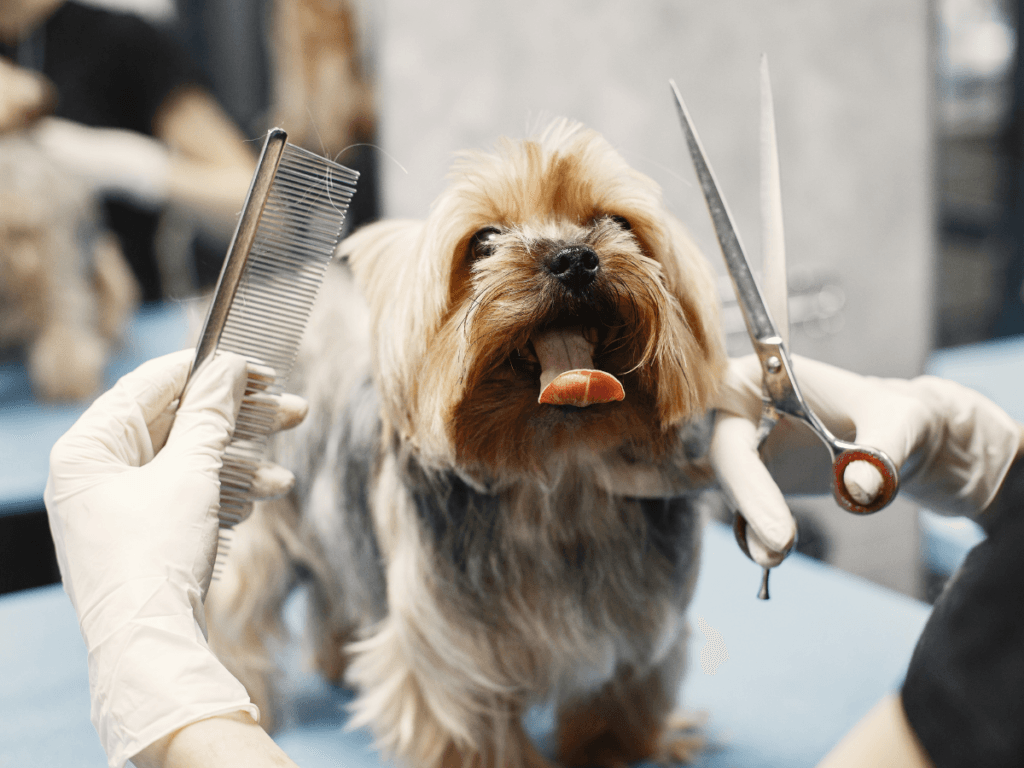
Having the right equipment is important, but grooming results also depend on how those tools are used. Even a high-quality brush or clipper can be ineffective if paired with the wrong technique.
The best grooming routines combine the right tools with methods that match your dog’s coat type, skin sensitivity, and comfort level.
A well-planned grooming tools list should work together with practical grooming techniques that make the process gentler, safer, and more effective. Different breeds and coat textures require different approaches, so understanding how each tool functions can improve both grooming quality and your dog’s overall experience.
Matching Grooming Techniques To Coat Types
Not all coats respond the same way to brushing or trimming. Long-haired dogs, for example, often benefit from slicker brushes paired with gentle detangling methods. Working through tangles slowly from the ends of the coat toward the skin helps prevent pulling and discomfort.
Double-coated breeds require a different approach. Heavy brushing or excessive trimming can damage the protective undercoat, so many groomers alternate between light brushing and controlled de-shedding sessions instead. This helps maintain insulation while keeping loose fur under control.
Curly and corded coats also require special care. Aggressive brushing can disrupt natural coat texture, so targeted trimming and careful sectioning are often more effective. Choosing the right techniques for the coat type helps tools perform better and reduces unnecessary stress on the dog.
Bathing Techniques That Support Healthy Coats
Bathing is one of the most common grooming tasks, but preparation matters just as much as the bath itself. Before using shampoo, it is helpful to brush out loose hair and tangles. Wet mats tend to tighten, making them more difficult and uncomfortable to remove later.
Using lukewarm water and a dog-safe shampoo helps protect the skin from irritation. Hypoallergenic or oatmeal-based shampoos are often recommended for dogs with sensitive skin. Thorough rinsing is also important because leftover shampoo residue can lead to dryness or itching.
A thoughtful grooming tools list often includes towels, gentle shampoos, and bathing brushes that help distribute product evenly through thicker coats.
Drying Methods That Prevent Irritation
Proper drying is an important but often overlooked step in grooming. Leaving moisture trapped close to the skin can increase the risk of irritation, odor, or matting, especially in dense coats.
Towels work well for quick drying, while low-heat dryers are helpful for dogs with thick or long coats. Groomers usually recommend keeping dryers moving continuously to avoid overheating sensitive areas.
Brushing during the drying process can also improve coat appearance and reduce tangles. Long-haired breeds often benefit from slow brushing while the coat dries because it helps separate layers and prevent mat formation.
Brushing Techniques For Better Results
Brushing routines should be adjusted based on coat length and shedding level. Long-haired breeds may require daily brushing, while short-haired dogs often need less frequent maintenance.
Using the right brush makes a major difference. Slicker brushes are effective for lifting tangles and loose undercoat, while bristle brushes help smooth short coats and distribute natural oils. Many groomers finish with a metal comb to check for hidden mats close to the skin.
This is why a complete grooming tools list usually includes more than one type of brush or comb. Each tool serves a different purpose and contributes to a cleaner, healthier coat.
Safe Nail And Ear Care Practices
Nail trimming requires patience and steady handling. Trimming small amounts regularly is often safer than attempting large cuts all at once, especially for dogs with dark nails where the quick is difficult to see.
Many owners also desensitize dogs to paw handling between grooming sessions to make nail care less stressful over time.
Ear cleaning should remain gentle and limited to the outer ear area. Vet-approved cleaning solutions and soft cotton pads help remove buildup without irritating the ear canal. Persistent redness, odor, or excessive scratching should always be evaluated by a veterinarian.
Combining Tools And Techniques For Better Grooming
The most effective grooming routines come from pairing the right techniques with the right equipment. A carefully chosen grooming tools list supports safer handling, healthier coats, and a more comfortable experience for the dog.
As grooming skills improve, owners often discover that technique matters just as much as the tools themselves. With patience, consistency, and the right approach, grooming becomes easier, more efficient, and far less stressful for both the dog and the person handling them.
What Are Step-By-Step Grooming Procedures Using Essential Tools?
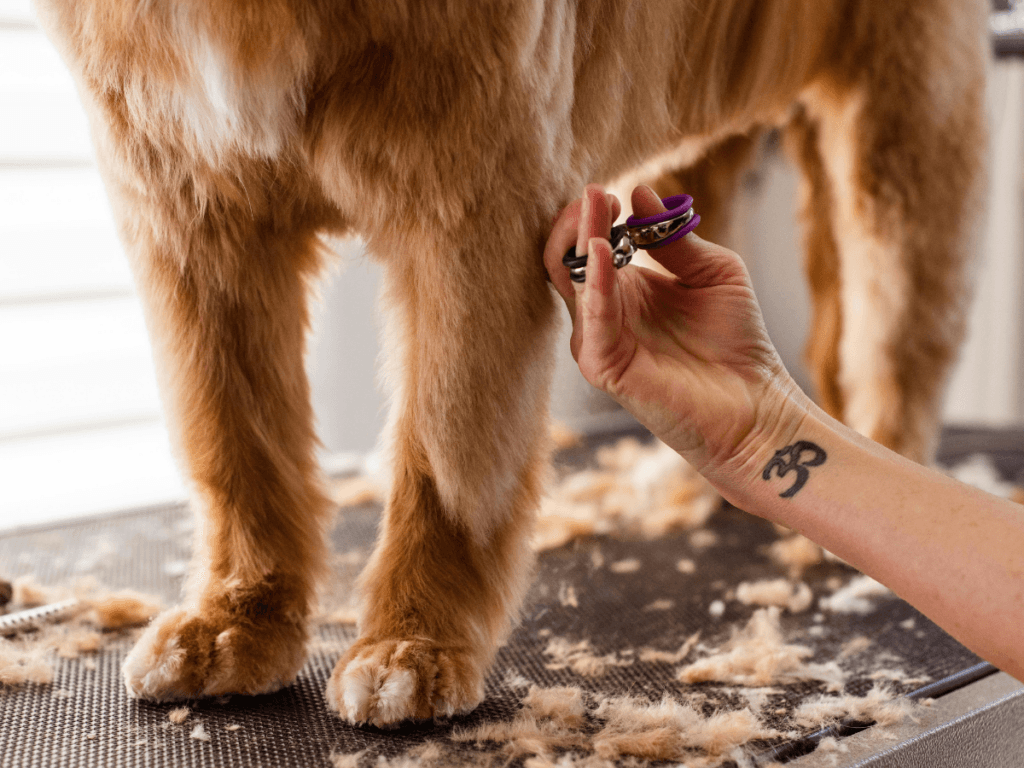
A consistent grooming routine helps keep dogs comfortable, healthy, and easier to maintain between professional appointments.
While every breed has different grooming needs, most at-home grooming sessions follow the same general process. Having a clear routine also helps dogs know what to expect, which can reduce stress over time.
The best results usually come from combining a practical grooming approach with a reliable grooming tools list that fits your dog’s coat type and temperament. By preparing properly and working step by step, grooming becomes more manageable and much less overwhelming for beginners.
Preparing Your Grooming Area And Tools
Before starting, it helps to organize all grooming supplies in one place. Searching for tools halfway through a session can interrupt the process and make anxious dogs more restless.
A basic grooming setup often includes brushes, combs, clippers, scissors, nail trimmers, towels, shampoo, and ear-cleaning supplies. Keeping these items within reach allows the session to move more smoothly.
Good lighting and a non-slip surface also improve safety. Many dog owners use grooming mats or towels to help dogs feel secure while standing. If your dog becomes nervous during grooming, keeping treats nearby can help reinforce calm behavior throughout the session.
A well-prepared grooming tools list should focus on both efficiency and comfort, making the process easier for both the groomer and the dog.
Brushing Before Bathing
Brushing is usually the first major step in any grooming routine. Removing loose hair and tangles before bathing prevents mats from tightening once the coat becomes wet.
The type of brush used depends on the coat. Slicker brushes work well for long-haired dogs, while bristle brushes are often better for short-haired breeds. A metal comb is useful for checking hidden mats around sensitive areas such as behind the ears and under the legs.
Brushing also gives owners a chance to check for skin irritation, bumps, or debris trapped in the coat. Taking time during this step can make the rest of the grooming session much easier.
Bathing And Rinsing Properly
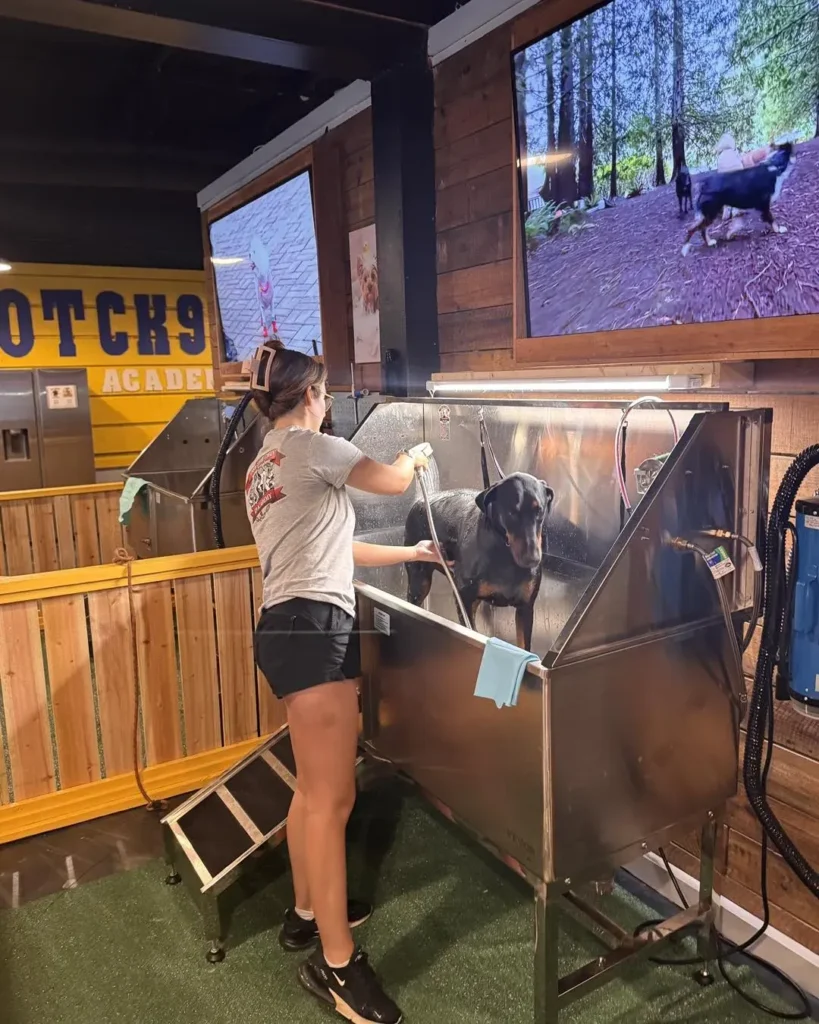
Once the coat is brushed out, bathing helps remove dirt, oils, and remaining loose fur. Using a dog-specific shampoo is important because human products can irritate a dog’s skin.
Water temperature should stay comfortably warm, not hot. Shampoo should be worked gently through the coat and rinsed thoroughly afterward. Leftover residue can cause dryness or itching, especially in dogs with sensitive skin.
Dogs with skin sensitivities may benefit from oatmeal or hypoallergenic shampoos. For heavily coated breeds, working in sections can help ensure the shampoo reaches the undercoat evenly.
Drying The Coat Carefully
Drying is more important than many owners realize. Leaving moisture trapped in thick fur can contribute to matting, odor, and skin irritation.
Towels work well for removing excess moisture, while low-heat dryers are useful for dogs with dense or long coats. During blow drying, it helps to keep the airflow moving continuously to avoid overheating sensitive areas.
Brushing while drying can also improve coat texture and prevent tangles from forming as the fur dries. Many groomers use this step to smooth the coat before trimming.
Trimming Nails And Handling Finishing Touches
Nail trimming should be done carefully and gradually, especially for beginners. Taking off small amounts at a time helps reduce the risk of cutting the quick. If your dog is uncomfortable with nail trims, shorter sessions with frequent rewards may help build tolerance over time.
Once the nails are complete, small finishing tasks can help tidy the overall appearance. This may include trimming fur around the paws, cleaning the ears gently, or checking for any missed tangles.
Some owners also use light finishing sprays or conditioners to help reduce static and improve coat softness, although these products should always be dog-safe and used sparingly.
Maintaining A Consistent Grooming Routine
A reliable grooming routine does not always require full grooming sessions every week. Quick maintenance sessions between larger grooms can make coat care much easier.
Simple touch-ups around the paws, face, and ears help prevent mats and keep dogs comfortable between baths and trims. Over time, consistency helps dogs become more relaxed with handling and grooming tools.
A thoughtfully organized grooming tools list combined with a steady routine allows owners to maintain their dog’s coat more effectively while creating a calmer and safer grooming experience overall.nd undercoat control help keep the dog comfortable and reduce the work required during full grooms.
What Are The Latest Trends In Dog Grooming Tools?
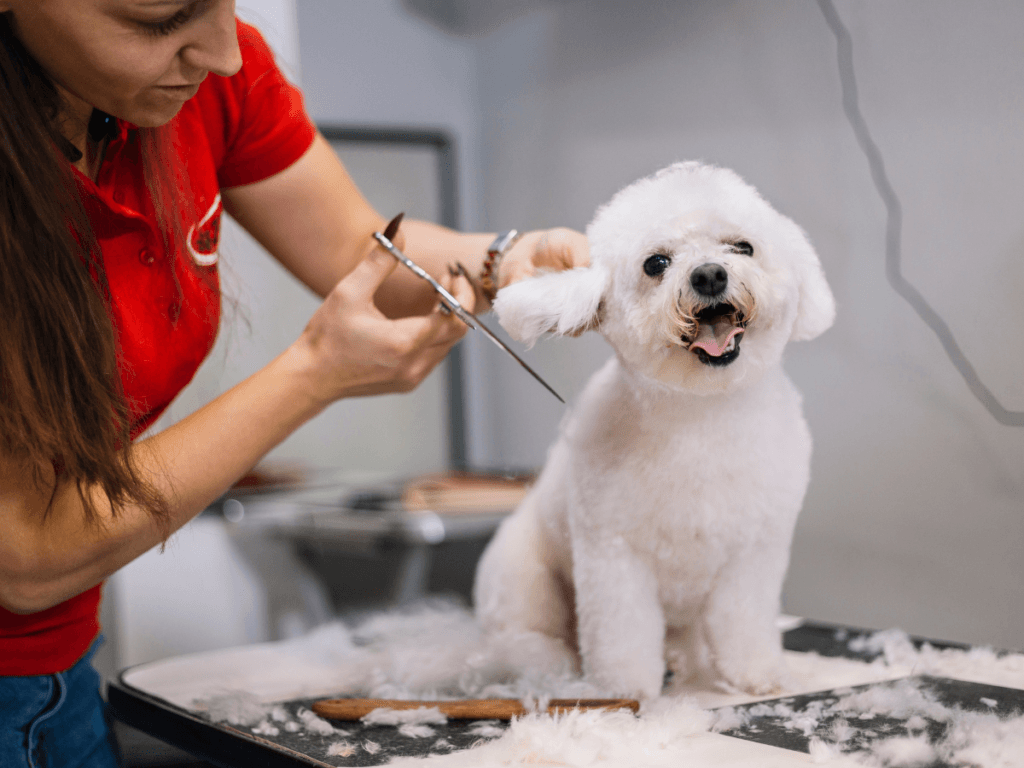
Dog grooming equipment has changed quite a bit in recent years, with manufacturers focusing more on comfort, efficiency, and long-term durability. Today’s grooming tools are designed not only to improve grooming results but also to make the process easier on both the groomer and the dog.
Whether you are grooming at home or working professionally, keeping up with current trends can help you build a more effective grooming setup.
A modern grooming tools list now includes quieter clippers, ergonomic brushes, eco-friendly materials, and smart features that simplify routine care. These innovations are shaping how grooming sessions are performed and improving the overall experience for pets and owners alike.
Why Ergonomic Grooming Tools Matter More Than Ever
One of the biggest changes in grooming equipment is the focus on ergonomics. Traditional grooming tools could become uncomfortable during long sessions, especially for professional groomers who work with multiple dogs each day.
Newer brushes, clippers, and scissors are built with softer grips, balanced weight distribution, and hand-friendly designs that reduce strain on wrists and fingers. This makes grooming more comfortable while improving control and precision.
Ergonomic grooming tools are especially helpful during detailed work around the face, paws, and ears, where steady hand positioning matters most. Reduced fatigue also helps maintain consistency throughout longer grooming appointments.
As more people groom their dogs at home, manufacturers are designing products that feel approachable for beginners while still meeting professional standards.
The Growing Demand For Eco-Friendly Grooming Products
Sustainability has become another major trend in the pet care industry. Many dog owners now pay closer attention to the materials used in their grooming supplies, leading brands to introduce more environmentally conscious options.
Some grooming tools now use recycled packaging, bamboo handles, or biodegradable materials instead of heavy plastic components. Eco-friendly shampoos and grooming wipes are also becoming more common, especially among owners looking for gentler products for sensitive dogs.
Adding sustainable products to your grooming tools list does not mean sacrificing performance. Many of these newer products are designed to be durable enough for long-term use while reducing unnecessary waste.
Professional grooming salons are also moving toward refillable grooming products and reusable accessories to reduce disposable waste during daily operations.
How Smart Technology Is Changing Dog Grooming
Technology is starting to play a larger role in grooming equipment as well. Modern clippers and dryers now include features that improve consistency, comfort, and ease of use.
Some clippers offer adjustable speed settings and low-vibration motors that help nervous dogs stay calmer during grooming. Quiet operation has become a major selling point because loud tools can increase anxiety, especially in puppies or rescue dogs that are still adjusting to grooming routines.
Cordless grooming tools are also more advanced than they were a few years ago. Longer battery life and faster charging make cordless clippers more practical for both home users and professionals.
Certain smart grooming devices even include blade temperature monitoring and maintenance reminders, helping users avoid overheating and improve tool longevity.
Why Professional Groomers Are Upgrading Their Equipment
Professional groomers often invest in updated equipment because small improvements can make a noticeable difference over time. Lighter tools, quieter motors, and better blade systems help reduce physical strain while improving efficiency throughout the workday.
Multi-purpose grooming systems are especially popular because they allow groomers to switch attachments quickly without needing separate tools for every task. This saves space and speeds up workflow in busy salons.
Improved blade technology has also made grooming more precise. Sharper blades stay cooler longer and create smoother cuts with less pulling on the coat. This results in a cleaner finish and a more comfortable experience for dogs.
As trends continue to evolve, many professionals regularly update their grooming tools list to include products that improve safety, efficiency, and comfort.
Choosing Modern Grooming Tools That Fit Your Needs
Not every new grooming trend is necessary for every dog owner, but understanding the latest innovations can help you make smarter purchasing decisions. The best grooming setup depends on your dog’s coat type, grooming frequency, and your comfort level using the tools.
For some owners, ergonomic brushes and quieter clippers may offer the biggest benefit. Others may prioritize eco-friendly grooming products or cordless equipment for convenience.
A thoughtfully selected grooming tools list should balance practicality, durability, and ease of use. Investing in reliable tools that suit your routine can make grooming sessions smoother, safer, and less stressful for everyone involved.
Where Can You Find Trusted Educational Resources And Training For Dog Grooming?
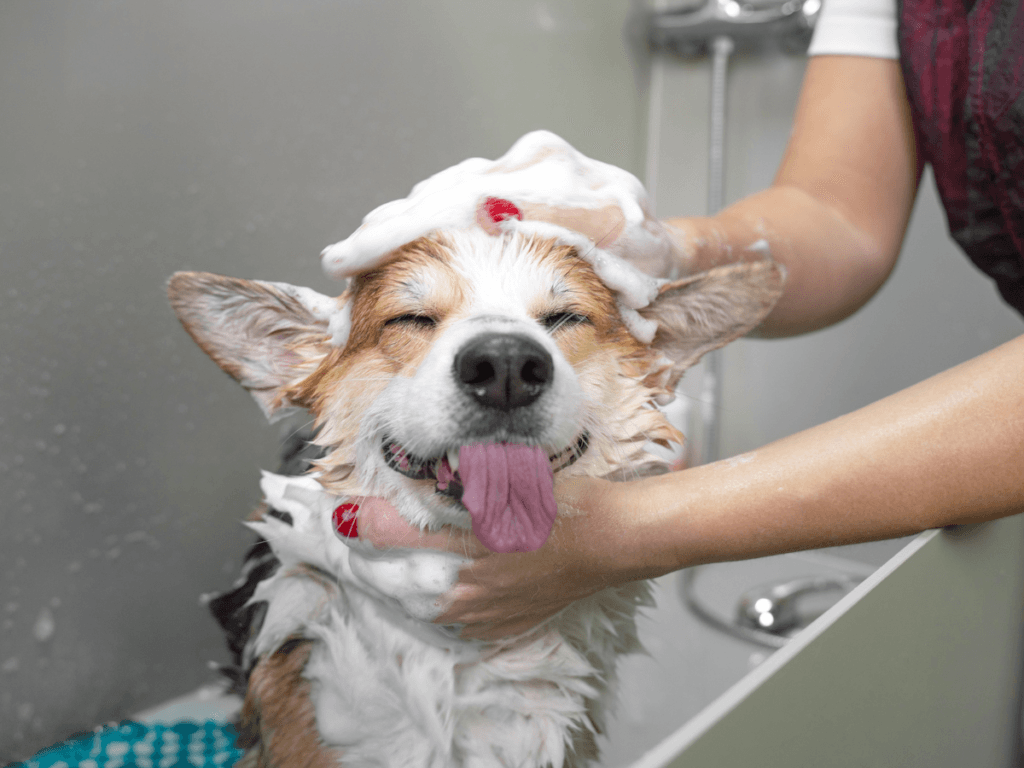
Learning how to groom a dog properly takes more than just buying equipment. While having the right grooming tools list is important, knowing how to use those tools safely and effectively matters just as much.
Fortunately, there are now more educational resources available than ever, ranging from online video courses to hands-on grooming workshops and professional certification programs.
For beginners, online learning platforms can provide a strong foundation. Many courses walk students through brushing techniques, bathing procedures, clipper handling, nail trimming, and breed-specific coat care.
Video-based instruction is especially helpful because it allows learners to pause, replay, and practice techniques at their own pace.
Books and printed grooming guides also remain valuable resources, particularly for understanding coat types, grooming terminology, and equipment maintenance. A well-rounded grooming education often combines reading, observation, and hands-on practice to build both confidence and consistency.
Why Hands-On Training Makes A Difference
Although online learning is convenient, practical experience plays a major role in developing grooming skills. Working with real dogs helps students learn how different coat textures, temperaments, and grooming challenges require different approaches.
Hands-on workshops and grooming seminars give students the opportunity to practice under supervision while receiving immediate feedback from experienced groomers. This type of training is especially useful when learning to safely handle clippers, shears, and de-shedding tools.
Many grooming expos and local training events also include demonstrations of new equipment and updated grooming methods. These events can help dog owners and aspiring professionals stay current with industry trends while improving their grooming tools list over time.
When evaluating in-person programs, it helps to look for schools that provide supervised grooming practice rather than relying only on classroom instruction.
How OTC K9 Grooming School Supports Skill Development
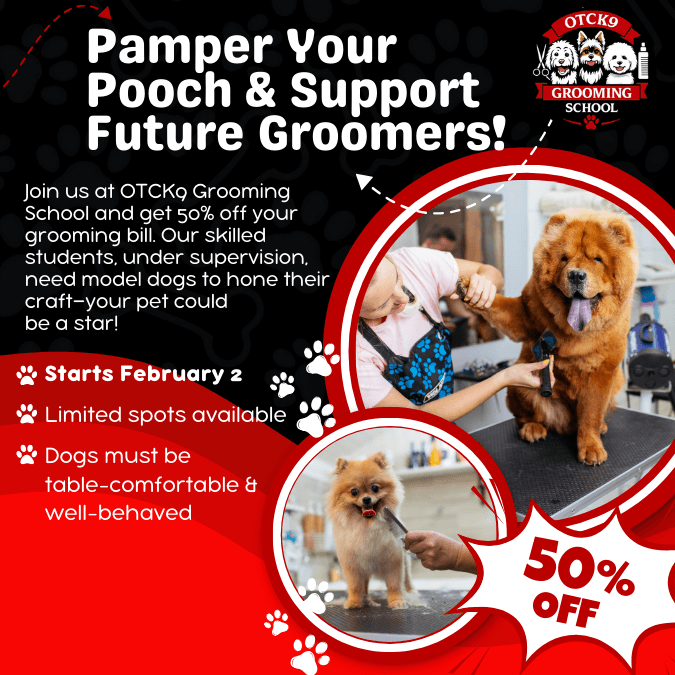
Programs like OTC K9 Grooming School focus heavily on practical learning, which can make a big difference for students who want real-world grooming experience. Rather than teaching only theory, these schools often combine live demonstrations, guided practice, and structured salon-style training.
Students typically learn how to handle dogs safely, choose the correct tools for different coat types, and maintain professional grooming equipment properly. Many courses also include lessons on clipper blade care, scissor handling, and grooming workflow organization.
One advantage of structured programs is that students can build familiarity with a complete grooming tools list while learning when and why each tool should be used. This type of environment also helps students become more comfortable working around nervous or energetic dogs.
Mentorship is another valuable part of professional grooming education. Feedback from experienced instructors can help students improve technique faster and avoid common mistakes that are harder to correct later.
Choosing The Right Grooming Course For Your Goals
Not every grooming course is designed for the same experience level, so choosing the right program matters. Some classes focus on basic grooming and pet maintenance, while others are intended for aspiring professional groomers interested in advanced styling and breed-specific cuts.
Beginner courses often cover the fundamentals, including bathing, brushing, drying, and basic trimming techniques. These classes usually introduce students to a standard grooming tools list and explain how to use each item safely.
More advanced courses may focus on precision scissoring, hand stripping, creative grooming, or salon management. Specialized classes can also help experienced groomers refine efficiency and improve finishing techniques.
If possible, look for programs that include practical assignments, instructor feedback, and opportunities to observe professional grooming sessions. Courses that balance technical instruction with real-world application tend to provide the most long-term value.
Continuing Education Helps Groomers Improve Over Time
Dog grooming is an industry that continues to evolve. New tools, coat care products, and grooming techniques appear regularly, which is why ongoing education is valuable even for experienced groomers.
Continuing education may include attending grooming expos, watching advanced tutorials, participating in breed seminars, or learning updated safety techniques. Groomers who continue improving their skills often become more efficient, confident, and adaptable.
As your experience grows, your grooming tools list will likely evolve as well. You may discover that certain brushes work better for specific coat types or that upgraded clippers improve comfort during longer grooming sessions.
Building grooming knowledge gradually through trusted resources, hands-on experience, and consistent practice creates a safer and more enjoyable experience for both groomers and dogs.
Frequently Asked Questions
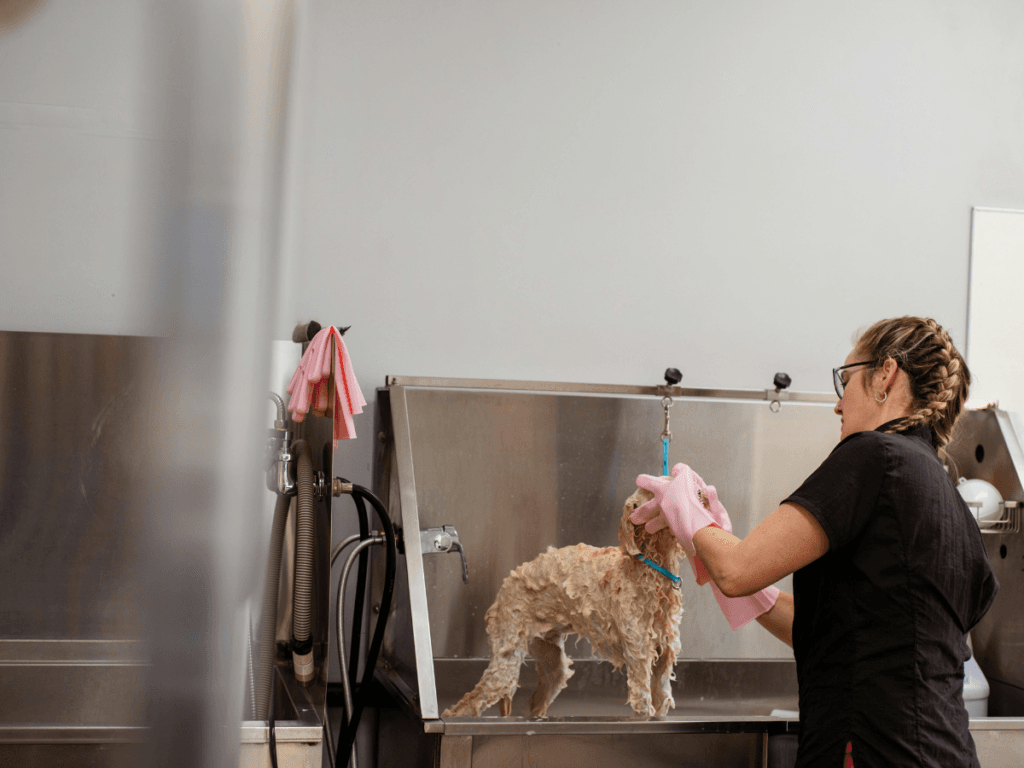
What Should I Consider When Choosing Grooming Tools For My Dog?
Choosing the right equipment starts with understanding your dog’s specific needs. Coat type, size, shedding level, and temperament all play a role in determining which items belong in your grooming tools list.
A slicker brush may work well for long-haired breeds, while short-haired dogs often benefit more from bristle brushes or grooming gloves.
Comfort and durability matter too. Tools that are lightweight, easy to grip, and simple to clean make grooming sessions smoother and less stressful. Investing in reliable equipment can also reduce pulling, irritation, and grooming time over the long term.
How Can I Help My Dog Feel More Comfortable During Grooming Sessions?
Dogs tend to respond best to calm, predictable grooming routines. Start with short sessions and gradually build your dog’s comfort level over time. Offering treats, praise, and breaks throughout the process helps create a more positive experience.
It also helps to introduce grooming tools slowly instead of using everything at once. Let your dog sniff brushes, clippers, or dryers before using them. Some dogs may need time to adjust to sounds and vibrations, especially when electric tools are involved.
A quiet environment with good lighting and minimal distractions can make grooming feel less overwhelming for anxious dogs.
What Are The Signs That Your Dog May Need Professional Grooming?
While many owners handle basic grooming at home, some situations are better managed by a professional groomer. Persistent matting, excessive shedding, overgrown nails, or difficult coat maintenance can quickly become challenging without proper experience or equipment.
Dogs that become highly stressed during grooming may also benefit from professional handling techniques. Groomers are trained to work safely with nervous or reactive dogs while maintaining coat health and hygiene.
Skin irritation, unusual odors, ear infections, or changes in coat condition should also be taken seriously. In some cases, a veterinarian may need to evaluate underlying health concerns before grooming continues.
How Often Should Dogs Be Groomed?
Grooming frequency depends heavily on breed and coat type. Long-haired dogs often require brushing several times a week and professional grooming every four to six weeks to prevent matting and tangles.
Short-haired breeds may need less frequent trimming but still benefit from regular brushing to remove loose hair and distribute natural oils. Double-coated breeds usually require additional brushing during seasonal shedding periods.
A well-maintained grooming tools list makes routine upkeep much easier between professional appointments. Consistent maintenance often prevents bigger grooming issues from developing later.
What Common Grooming Mistakes Should Beginners Avoid?
One of the most common mistakes is using tools that are not suited for the dog’s coat type. Brushes, clippers, and de-shedding tools are designed for specific purposes, and using the wrong equipment can cause discomfort or damage the coat.
Rushing through grooming sessions can also increase stress for both the owner and the dog. Slow, patient handling usually leads to better results and fewer accidents.
Another common issue is neglecting tool maintenance. Dirty blades, dull scissors, and clogged brushes can make grooming less effective and less safe. Keeping your grooming tools list clean and properly maintained improves both performance and hygiene.
How Can You Safely Introduce A Puppy To Grooming?
Introducing grooming early helps puppies become more comfortable with handling as they grow older. Start with very short sessions focused on positive experiences rather than perfect grooming results.
Handle paws, ears, and tails gently while rewarding calm behavior. Allow the puppy to become familiar with brushes, combs, and nail trimmers before using them fully.
Consistency is important. Puppies that experience calm, predictable grooming routines are often easier to groom as adults. Building trust early also helps reduce fear around clippers, dryers, and trimming tools later on.
What Are The Benefits Of Regular Grooming Beyond Appearance?
Regular grooming does far more than improve appearance. Brushing helps remove dirt, loose hair, and debris while supporting healthy skin circulation. It also gives owners an opportunity to check for lumps, skin irritation, parasites, or coat changes that may otherwise go unnoticed.
Routine nail trimming improves posture and mobility, while ear cleaning helps reduce the risk of infections. Consistent grooming can also reduce shedding inside the home and improve overall coat condition.
Over time, maintaining a dependable grooming tools list and sticking to a regular grooming schedule can contribute significantly to a dog’s comfort, hygiene, and long-term health.
Conclusion
A complete set of quality grooming tools is essential for keeping dogs healthy, comfortable, and looking their best—from slicker brushes and combs to clippers, shears, and nail grinders.
Having the right equipment for each coat type not only improves results but also ensures the safety and well-being of the animals in your care. For professional grooming training that teaches you how to select, use, and maintain every tool in your kit, trust OTCK9 Grooming School.
Ready to build your grooming toolkit and master the skills to match? Call 770-847-7947 or fill out our online form for a free quote today. Let our expert instructors help you turn the right tools into true grooming expertise.